EN

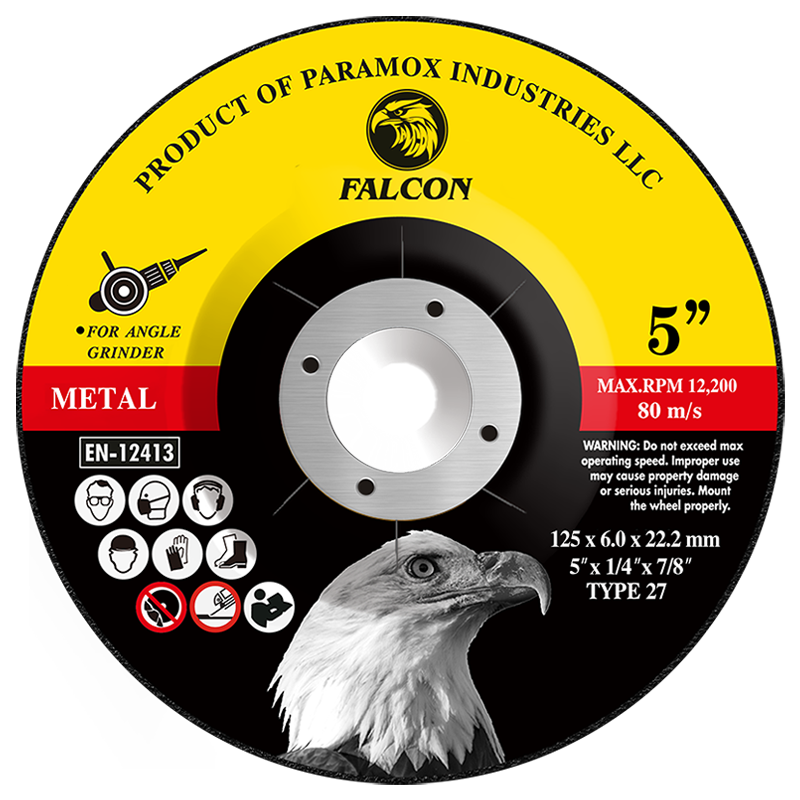
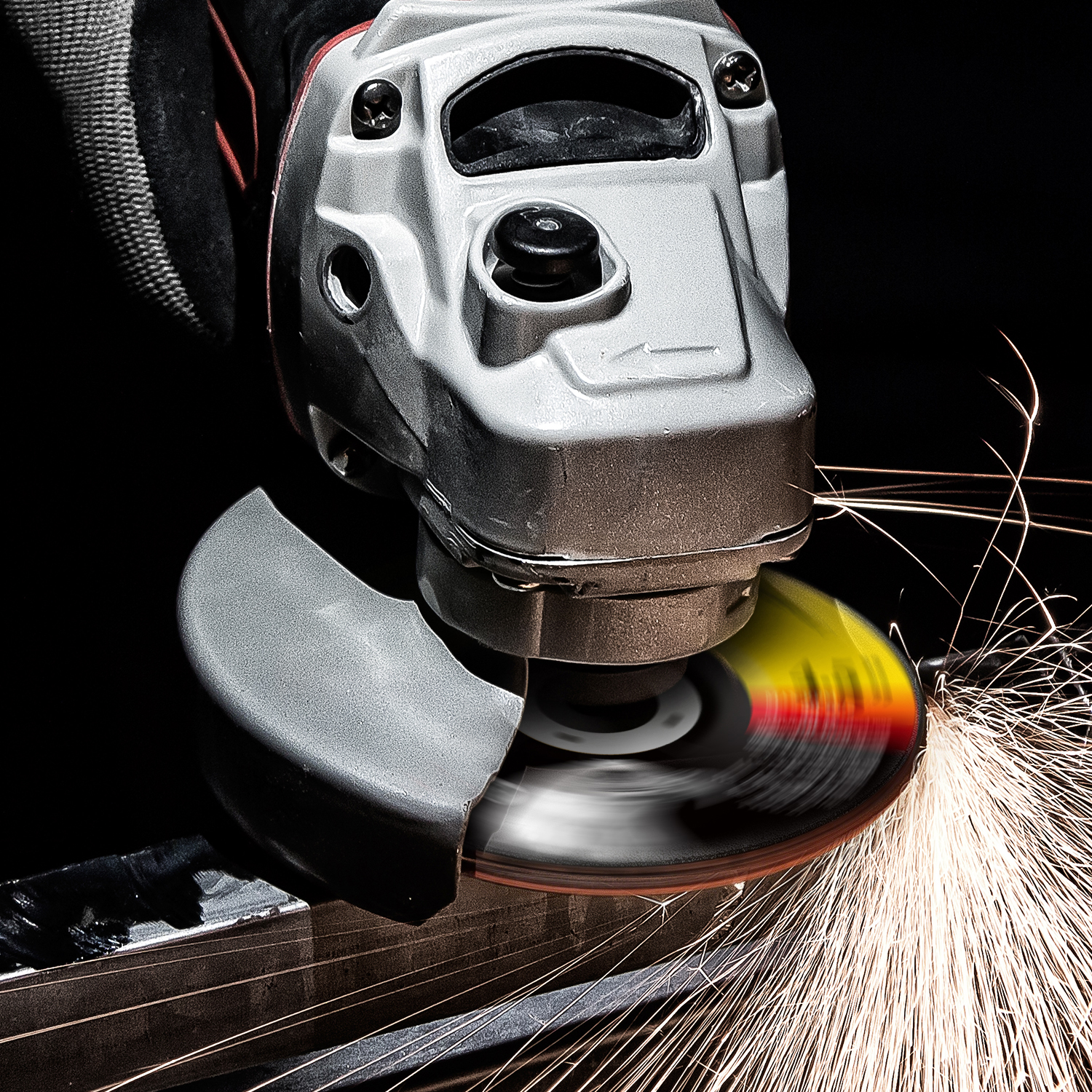
Metal grinding disks are essential tools in various industrial applications, designed for grinding, cutting, and finishing metal surfaces. As a purchasing manager or product manager, you might be concerned about selecting the right disk that meets your project's specific requirements, such as durability, compatibility, and performance. This article will guide you through the key considerations for choosing metal grinding disks, evaluating their quality, sourcing reliable suppliers, understanding their technical specifications, and ensuring optimal installation for effective use.


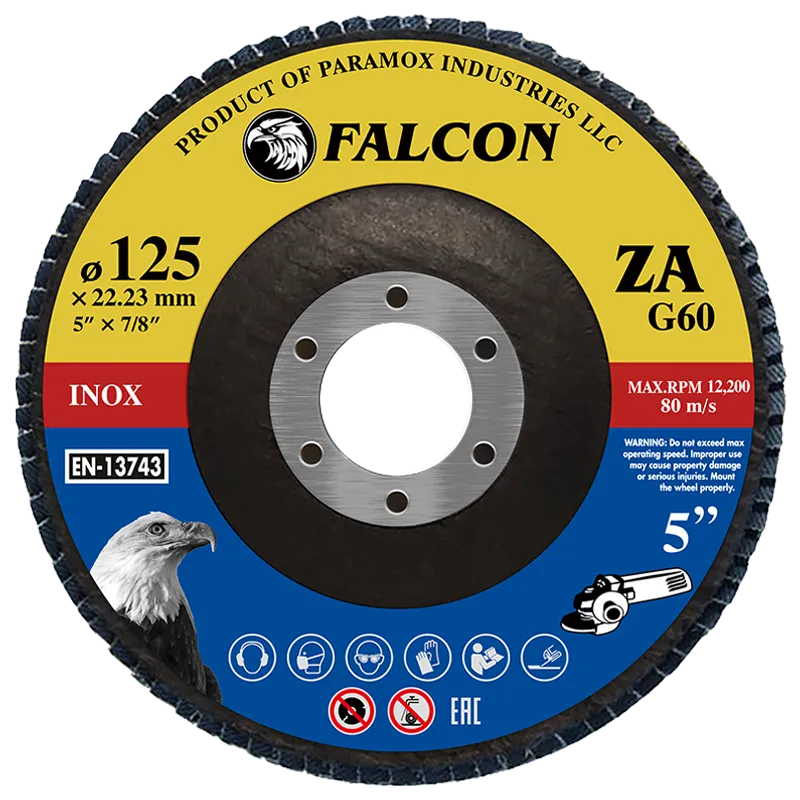
When is a flap disc worn out?
A flap disc is an essential abrasive tool used for grinding, blending, and finishing a variety of surfaces. Commonly installed on angle grinders, flap discs are made with multiple layers of abrasive cloth that gradually wear away during use while mai...
View More