Choosing the Right Hard Hat Helmets for Safety

Get a Free Quote

Our representative will contact you soon.
Email
Mobile/WhatsApp
Name
Company Name
Country
Customer Type
Estimated Order Quantity
MOQ and Free Sample Policy
Message
0/1000

Hard hat helmet

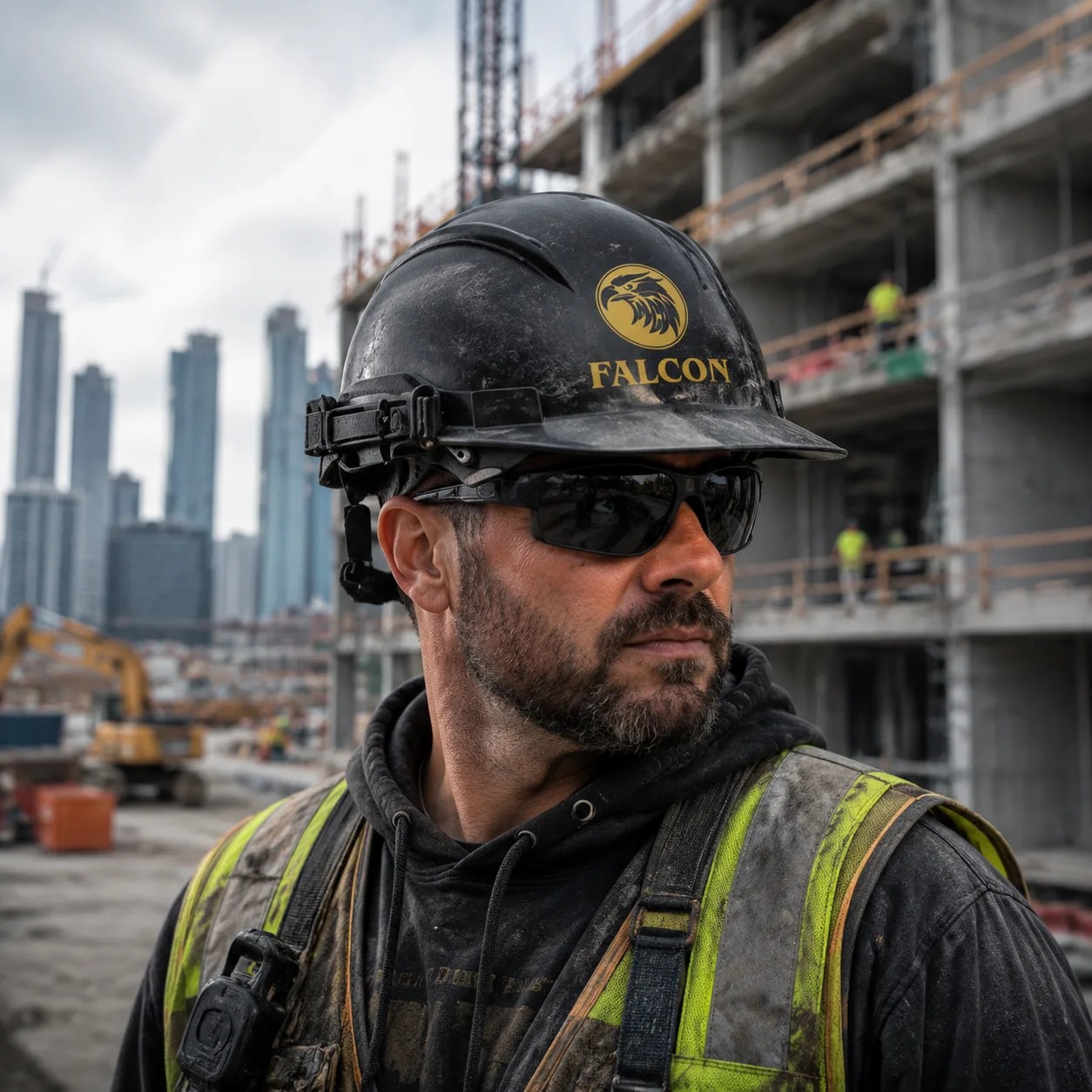
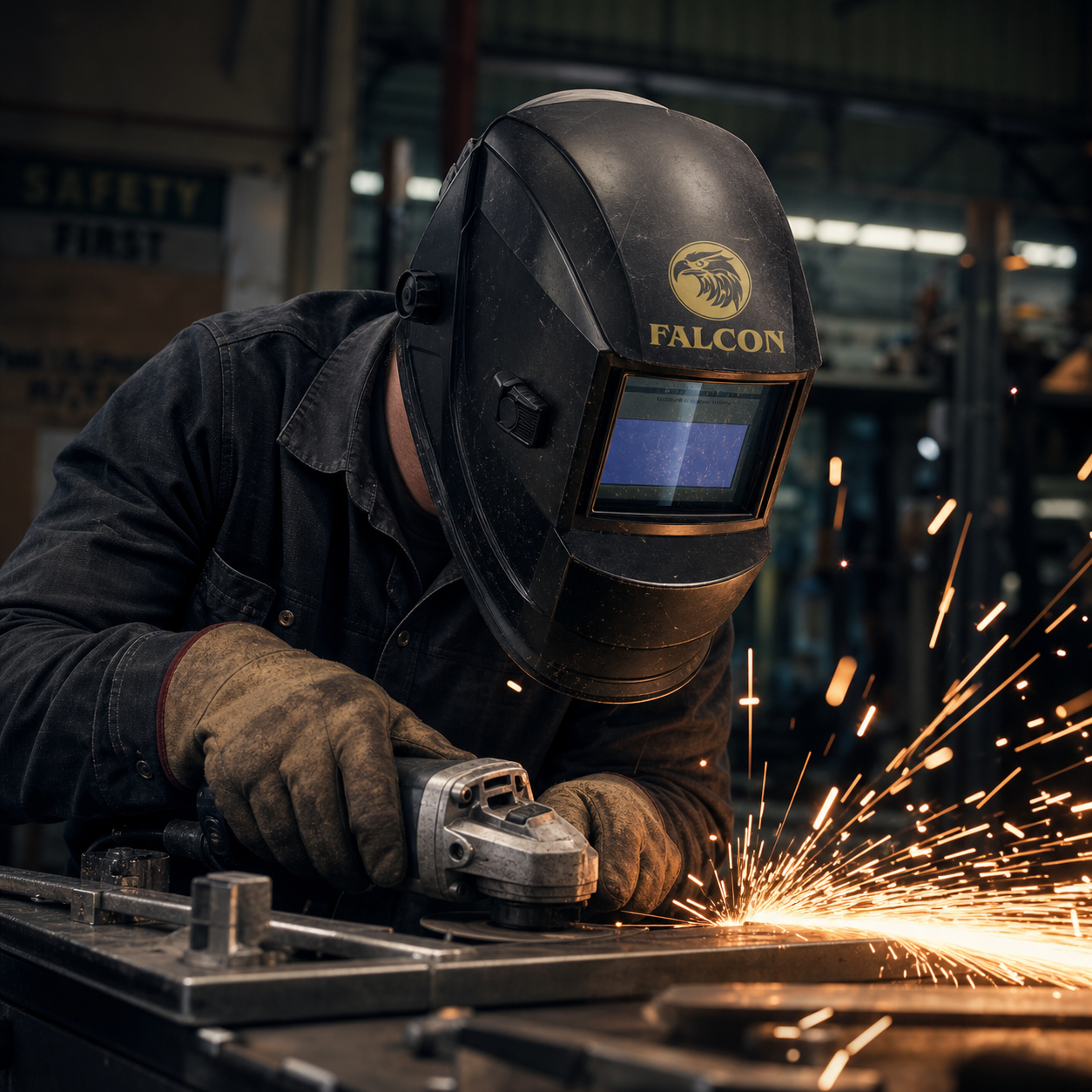
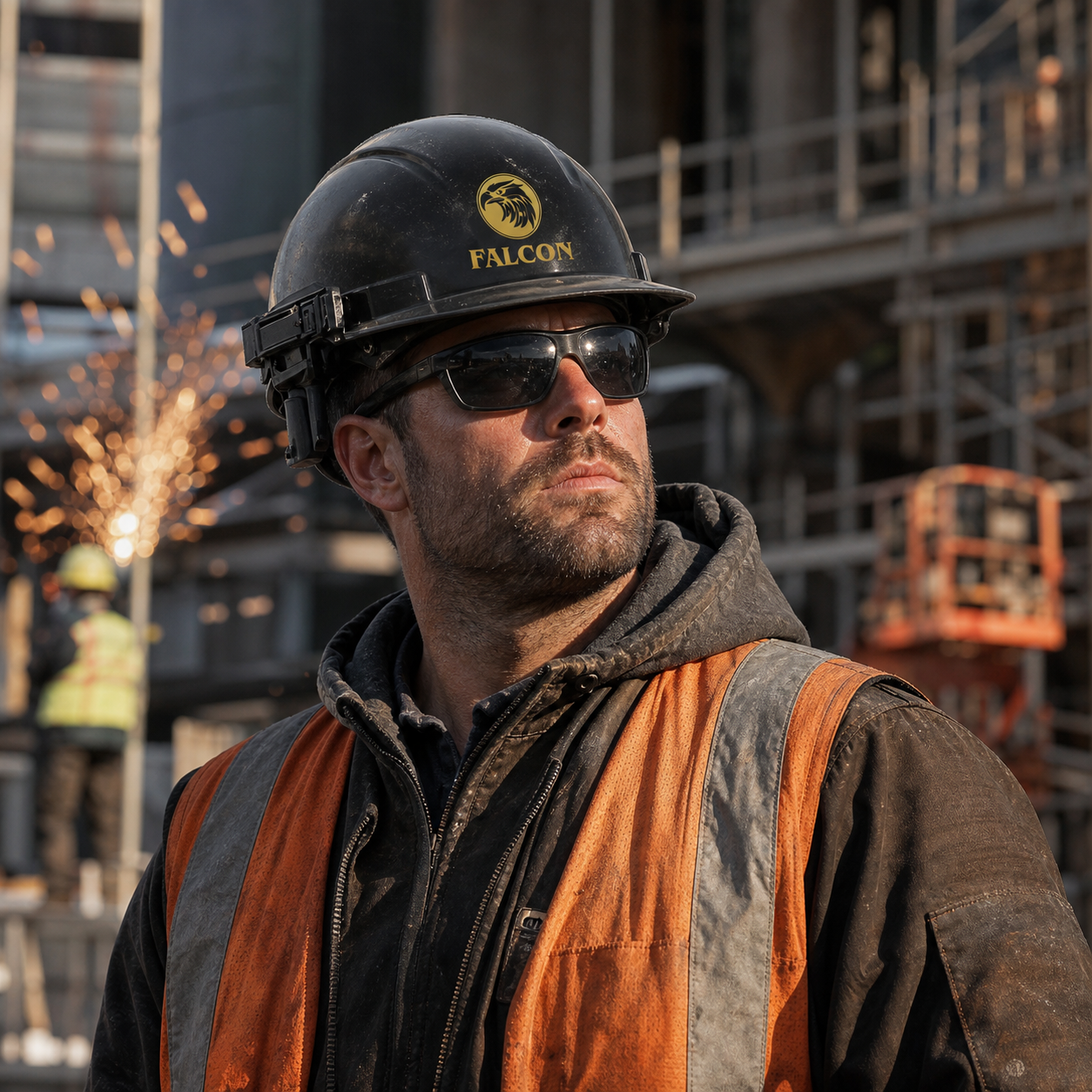
Choosing the right hard hat helmet is crucial for ensuring safety in various industrial environments. As a critical piece of personal protective equipment (PPE), hard hats protect workers from head injuries caused by falling objects, collisions, or accidental falls. This article will help B2B buyers understand what to look for when selecting custom hard hats helmets, including specifications, quality comparisons, common issues, and applications across different industries. 

Our Products

What to Look for When Choosing Hard Hat Helmets for Your Projects

When evaluating hard hat helmets, buyers should focus on several key factors that directly impact safety, comfort, and functionality. Firstly, consider the personalised hard hats helmet's material; common options include high-density polyethylene (HDPE) and fiberglass, both known for their durability and impact resistance. The choice of material can affect weight, comfort, and overall protection level. 

Fit and comfort are also critical. A hard hat should fit securely without being too tight, as an ill-fitting helmet can cause discomfort and distraction, leading to decreased focus on tasks. Look for adjustable suspension systems that can accommodate different head sizes. 

Finally, assess the additional features that may be beneficial for specific applications, such as integrated face shields, earmuffs, or ventilation systems. These features can enhance user comfort and protection, making them worthwhile considerations during the selection process. 

Frequently Asked Questions

What materials is the hard hat helmet made of?

Our hard hat helmet is made from high-impact polyethylene (HDPE) blended with reinforced polymers for durability and lightweight comfort in industrial settings.
Yes. The helmet is manufactured to meet relevant industrial safety standards for impact resistance and electrical insulation; specific certifications are available upon request.
The helmet features an adjustable suspension system supporting multiple head sizes, with a ratchet or pin-lock option for secure, custom fit.
Yes. The design accommodates visors, earmuffs, face shields, and chin straps, allowing seamless integration with other protective clothing and footwear.
Inspect before each use for cracks, deformation, or wear. Clean with mild soap and water, avoid solvents, and replace after severe impact or per manufacturer's service life guidelines.

Our Blog Posts

Industrial Flap Discs: Quality Standards for Heavy-Duty Applications

10

Apr

Industrial Flap Discs: Quality Standards for Heavy-Duty Applications

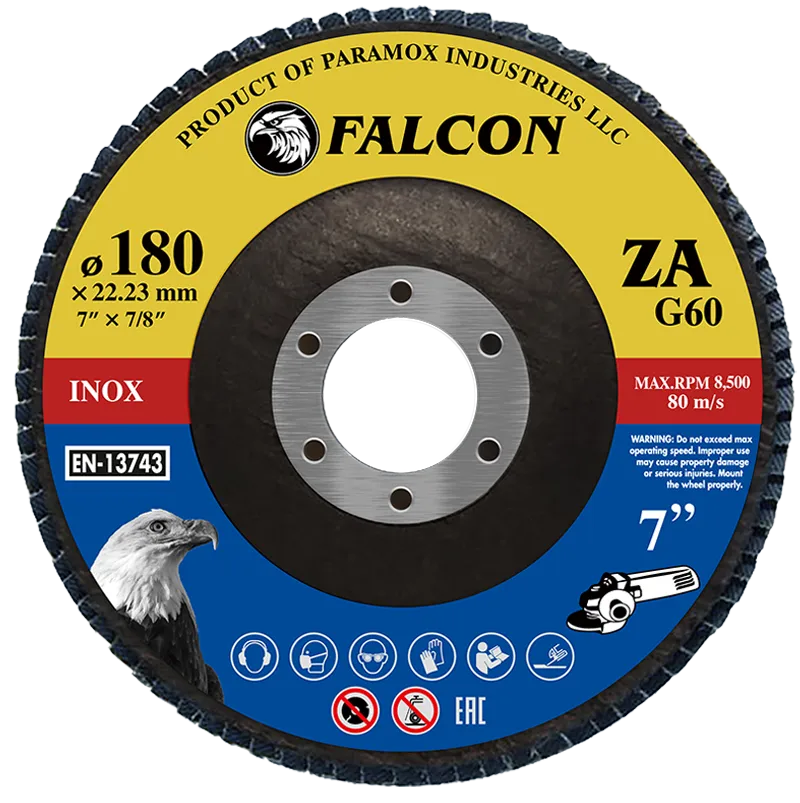
Industrial flap discs play a critical role in heavy-duty metal fabrication, manufacturing, and surface preparation industries. Designed for grinding, blending, deburring, and finishing operations, high-quality flap discs provide consistent performanc...
View More
Flap Disc vs Fiber Disc: Whats the Difference?

22

Apr

Flap Disc vs Fiber Disc: Whats the Difference?

When it comes to metal grinding and surface finishing, choosing the right abrasive tool can significantly impact work efficiency, surface quality, and overall project results. Two of the most commonly used options are flap discs and fiber discs. Alth...
View More
When to replace cut off wheel

28

Sep

When to replace cut off wheel

Cut-off wheels are essential tools for many applications, particularly in construction and metalworking. They are designed to make clean cuts through hard materials such as metal and concrete. However, cut-off wheels gradually wear with repeated use ...
View More
How to Extend the Lifespan of Your Cut Off Wheels

11

Oct

How to Extend the Lifespan of Your Cut Off Wheels

Cut-off wheels are essential abrasive tools for industrial cutting applications. They are widely used for cutting metal, concrete, stone, and other hard materials. However, wheel selection and operating methods have a direct impact on cutting perform...
View More

Get a Free Quote

Our representative will contact you soon.
Email
Mobile/WhatsApp
Name
Company Name
Country
Customer Type
Estimated Order Quantity
MOQ and Free Sample Policy
Message
0/1000

Related product categories

Key Specifications for High-Performance Hard Hat Helmets

Key Specifications for High-Performance Hard Hat Helmets

Understanding the specifications of hard hat helmets is essential for making informed purchasing decisions. Key specifications to consider include: 

Impact Resistance: Look for compliance with ANSI/ISEA Z89.1 standards, which dictate the level of impact protection the helmet provides. personalized hard hat elmets are typically categorized into Type I (top impact) and Type II (top and lateral impact). 

Electrical Protection: If the work environment involves electrical hazards, helmets rated for electrical insulation (Class E or G) are necessary. These ratings indicate the helmet's ability to withstand high voltage. 

Temperature Resistance: Depending on the work environment, helmets may need to withstand extreme temperatures. Check the manufacturer’s specifications to ensure the selected helmet meets the requirements for heat and cold resistance. 

Weight: The weight of the helmet can significantly affect user comfort. Lighter helmets may improve wearability during long shifts but should not compromise on protective features. 

Customization: Some manufacturers offer customization options, such as adding logos or specific color designs, which can enhance company branding while maintaining safety. 

How to Compare Hard Hat Helmets for Quality and Safety Standards

How to Compare Hard Hat Helmets for Quality and Safety Standards

To ensure you are purchasing high-quality hard hat helmets, it’s vital to compare options based on safety certifications and manufacturer reputation. Look for helmets that meet or exceed the latest safety standards, such as those set by ANSI, OSHA, and even any specific industry regulations that may apply. 

When comparing products, consider: 

Manufacturer Reputation: Established manufacturers with a proven track record in safety equipment are more likely to produce reliable hard hats. Research online reviews, industry feedback, and safety performance history. 

Warranty and Support: A good warranty can indicate a manufacturer’s confidence in their product. Additionally, responsive customer support can assist with any questions or issues that arise post-purchase. 

Quality Control Processes: Understanding the manufacturer’s quality control procedures can provide insight into the consistency and reliability of their products. Inquire about their testing procedures and any certifications related to quality management systems. 

Common Problems with Hard Hat Helmets and Their Solutions

Common Problems with Hard Hat Helmets and Their Solutions

Despite their robust design, hard hat helmets can encounter issues during use. Here are some common problems and solutions that buyers should be aware of: 

Poor Fit: A helmet that does not fit well can lead to discomfort and reduced safety. To mitigate this, always ensure an adjustable suspension system is in place, and consider providing a variety of sizes for your workforce. 

Wear and Tear: Regular inspections are critical to identifying any degradation of the helmet, especially after impacts. Establish a routine inspection schedule and replace helmets that show signs of wear, such as cracks or significant scratches. 

Compatibility with Accessories: Some helmets may not be compatible with accessories like face shields or earmuffs. Ensure that the selected helmet model is designed to accommodate any additional protective gear required for specific tasks. 

Insufficient Ventilation: In hot environments, inadequate ventilation can lead to discomfort. Look for helmets with built-in ventilation features that can help maintain a cooler temperature during use. 

Applications of Hard Hat Helmets in Various Industries and Environments

Hard hat helmets are utilized across diverse industries, each with unique requirements. Understanding these applications can help buyers select the most appropriate helmet for their needs: 

Construction: Hard hats are essential on construction sites to protect workers from falling debris. Helmets used in this sector often feature high-impact resistance and may include attachments for face shields. 

Manufacturing: In manufacturing settings, helmets protect against various hazards, including machinery and transport vehicles. Helmets in this sector may also be equipped with earmuffs for noise protection. 

Oil and Gas: Workers in the oil and gas industry face specific hazards, including high voltage and extreme temperatures. Helmets must be rated for electrical insulation and heat resistance. 

Mining: Mining environments require helmets that provide maximum protection against impacts and falling objects. These helmets often come with additional features, such as integrated communication systems. 

By considering these industry-specific requirements, buyers can ensure they select hard hat helmets that not only comply with safety standards but also enhance comfort and usability in their respective environments. 

Get a Free Quote

Our representative will contact you soon.
Email
Mobile/WhatsApp
Name
Company Name
Country
Customer Type
Estimated Order Quantity
MOQ and Free Sample Policy
Message
0/1000