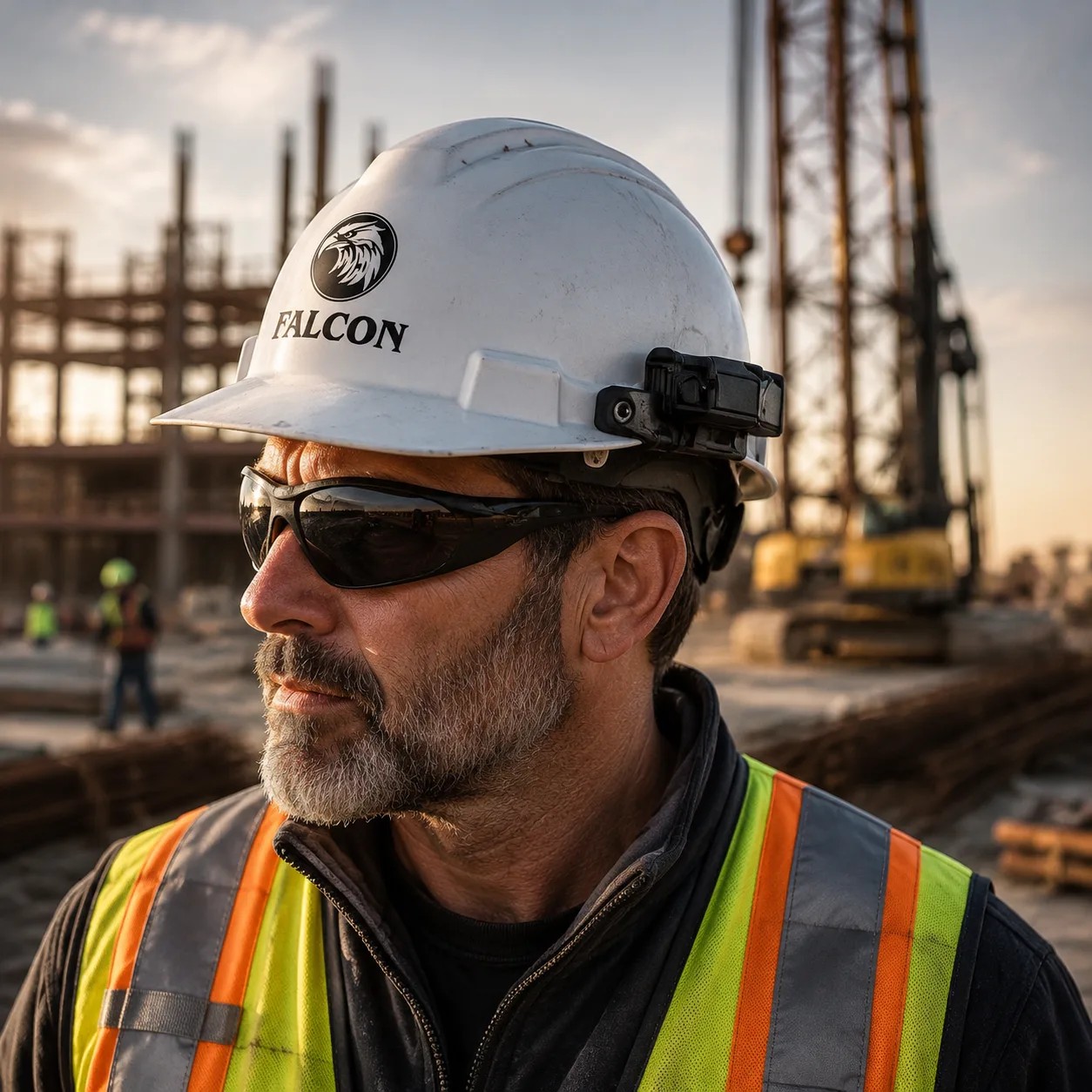
Key Specifications for Construction Hard Hats

Get a Free Quote

Our representative will contact you soon.
Email
Mobile/WhatsApp
Name
Company Name
Country
Customer Type
Estimated Order Quantity
MOQ and Free Sample Policy
Message
0/1000

Construction hard hats

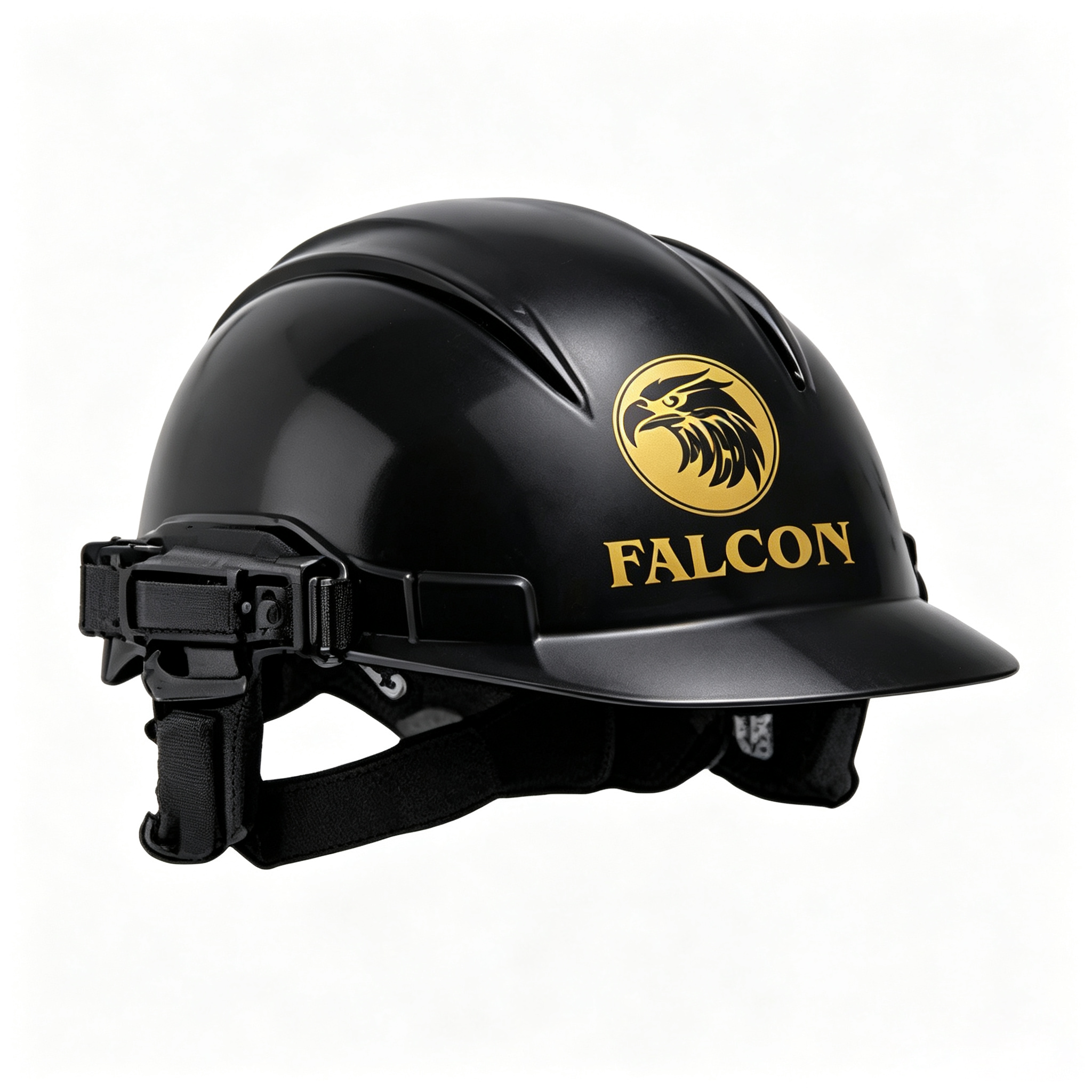
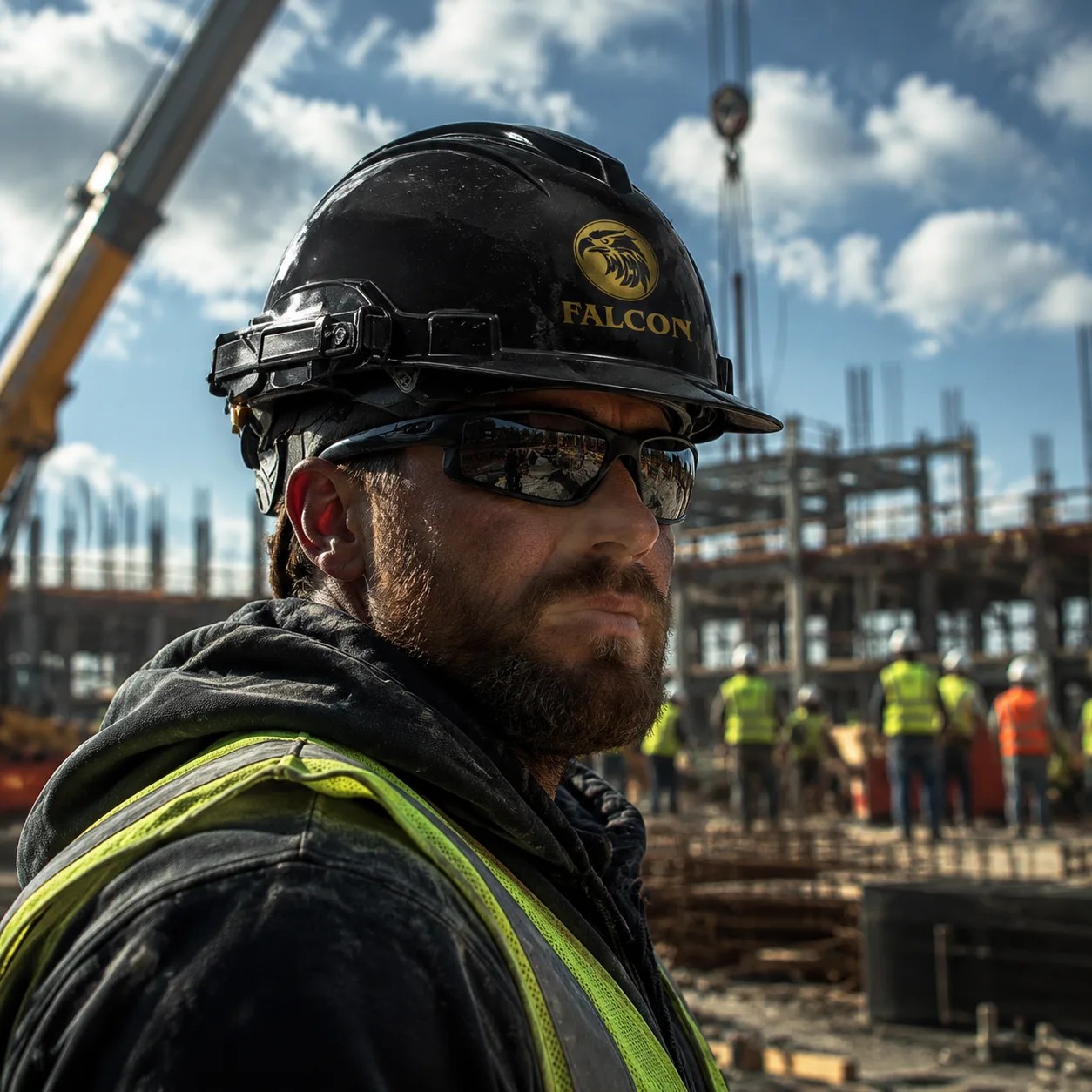
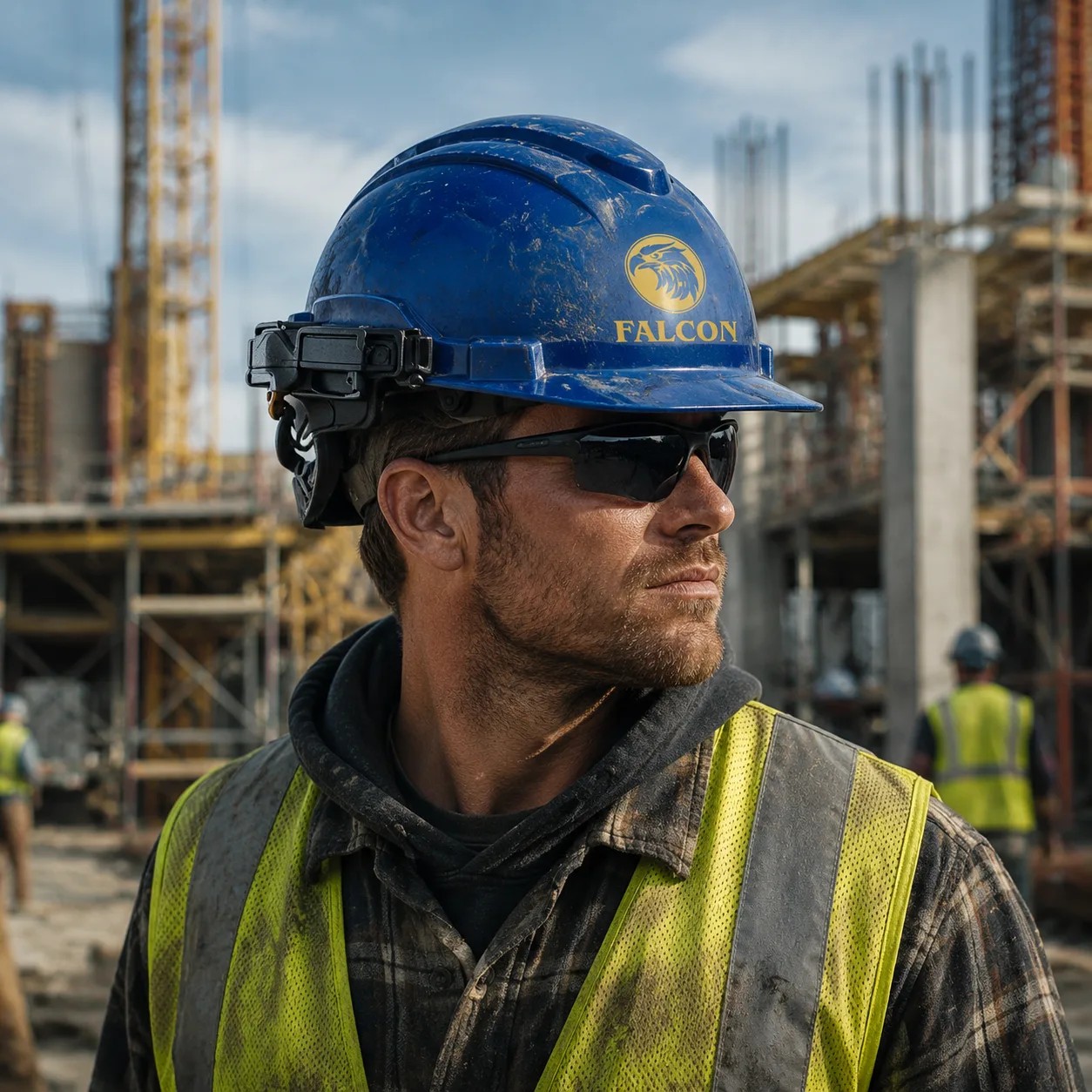
Construction hard hats are essential safety gear designed to protect workers from head injuries in various industrial environments. As a purchasing manager or safety officer, your primary concerns include compliance with safety standards, material durability, comfort, and overall performance. This safety helmet article will guide you through the key specifications to consider when selecting construction hard hats, budget considerations, common issues, their applications across industries, and the relevant safety standards to ensure you make informed purchasing decisions.

Our Products

Key Specifications for Buyers

When evaluating construction hard hats, several key specifications are crucial for ensuring optimal protection and comfort. 

Material: Hard hats are typically made from materials like high-density polyethylene (HDPE), polycarbonate, or fiberglass. HDPE is lightweight and resistant to impact, Safety Vest making it a popular choice for most construction applications. Polycarbonate, while slightly heavier, offers superior resistance to high temperatures and impact, which may be necessary in specific environments. 

Type: Hard hats come in two primary types: Type I and Type II. Type I hard hats are designed to protect against vertical impacts, while Type II hard hats provide protection from lateral impacts as well. Assess your work environment to determine which type is appropriate. 

Fit and Comfort: A proper fit is vital for safety. Hard hats should feature an adjustable suspension system to accommodate different head sizes and ensure stability. Look for models with additional padding for comfort, especially for extended use. 

Weight: The weight of the hard hat can affect wear ability during long shifts. Lighter models reduce fatigue, but ensure that the material does not compromise safety. 

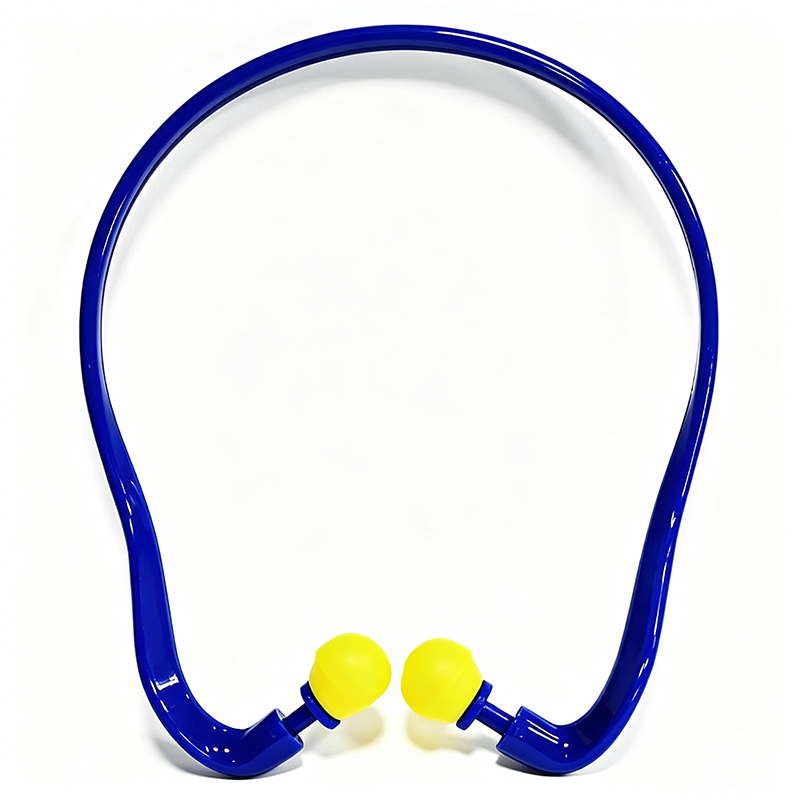
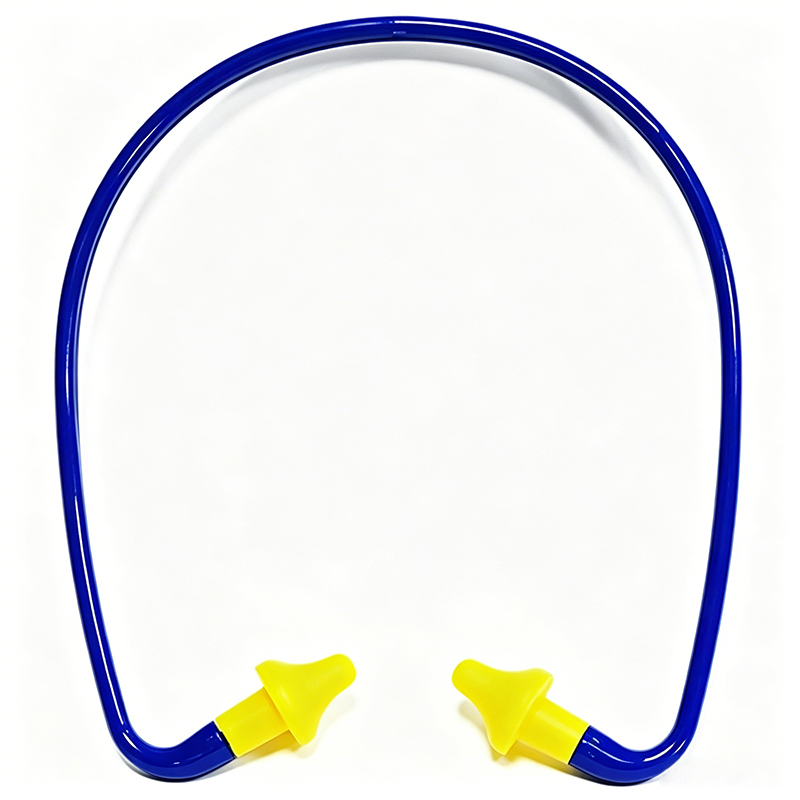
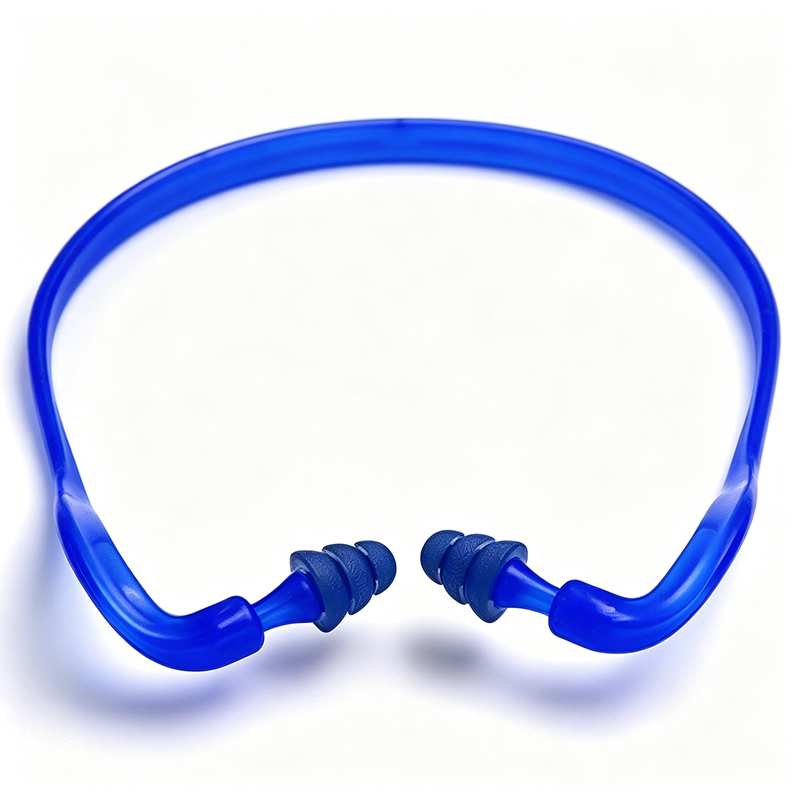
Visor and Accessories Compatibility: Consider whether additional accessories, such as visors or ear protection, are compatible with the hard hat. Many manufacturers offer integrated solutions that enhance safety while maintaining comfort. 

By focusing on these specifications, buyers can select a hard hat that meets both safety and comfort requirements for their workforce. 

Frequently Asked Questions

What materials are your construction hard hats made of?

Our hard hats are made from high-density polyethylene (HDPE) or advanced thermoplastic blends for impact resistance, durability, and lightweight comfort in industrial environments.
Yes. Our hard hats are manufactured to meet relevant international safety standards for impact and electrical protection, ensuring reliable compliance for construction and industrial use.
Yes. Each hard hat features an adjustable suspension system with ratchet or pin-lock options to provide secure, customizable fit and consistent protection throughout the workday.
Our hard hats support a range of compatible accessories, including face shields, earmuffs, and chin straps, via standardized attachment points for integrated PPE solutions.
Inspect regularly for cracks, dents, or UV damage. Clean with mild soap and water; avoid solvents. Replace immediately after impact or when signs of wear or aging appear to maintain safety performance.

Our Blog Posts

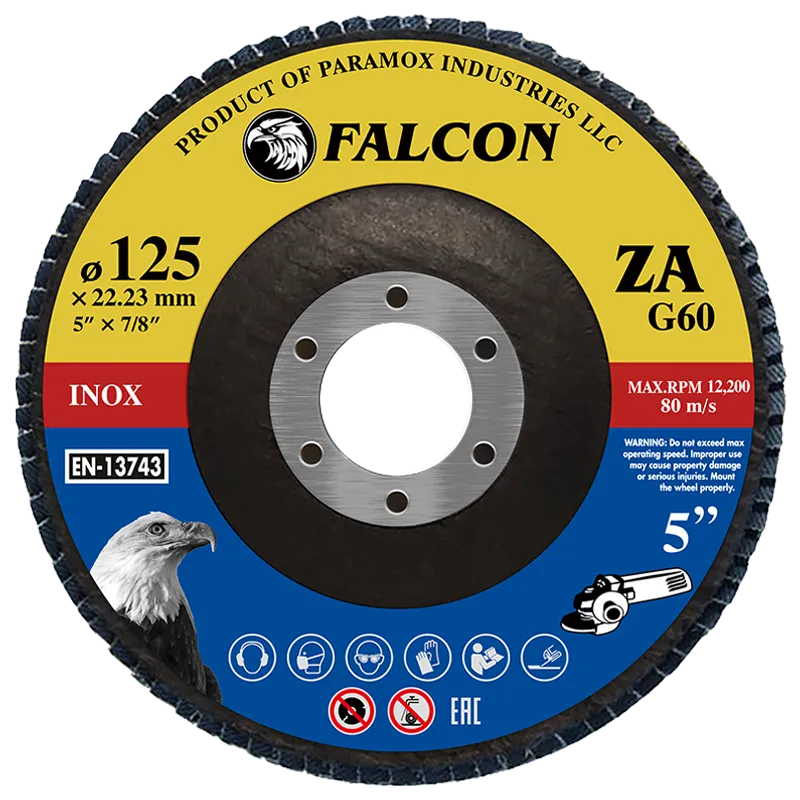
What Is a Zirconia Flap Disc Used For?

08

May

What Is a Zirconia Flap Disc Used For?

Zirconia flap discs are special tools using for grinding and polishing many kind of materials. They very popular in industries like metalworking and also woodworking. These discs got layers from zirconia abrasive that help to make surface smooth and ...
View More
Notes on using cut-off wheels

17

Sep

Notes on using cut-off wheels

Cut-off wheels are indispensable tools across numerous industries. They are engineered to slice hard materials including metal, concrete, and stone. At Falcon Global, we fully understand how critical it is to select high-quality cut-off wheels for yo...
View More
What Is a CBN Grinding Wheel Used For?

25

Aug

What Is a CBN Grinding Wheel Used For?

CBN grinding wheels are special tools make from cubic boron nitride, which is super hard material. These wheels mostly use in factories and workshops to grind and sharp metal parts. They good for things like engine pieces, cutting tools, and other to...
View More
What Is a Type 2 Hard Hat & Why It Matters

15

Jul

What Is a Type 2 Hard Hat & Why It Matters

A Type 2 hard hat is a special helmet that keep workers safe in jobs like construction and manufacturing. At Falcon Global, we know safety gear is really important to protect people at work. These Type 2 hard hats is made to handle impacts from falli...
View More

Get a Free Quote

Our representative will contact you soon.
Email
Mobile/WhatsApp
Name
Company Name
Country
Customer Type
Estimated Order Quantity
MOQ and Free Sample Policy
Message
0/1000

Related product categories

Budgeting for Quality Construction Hard Hats

Budgeting for Quality Construction Hard Hats

When budgeting for construction hard hats, consider several factors that affect overall costs. While it may be tempting to choose the least expensive option, remember that quality and safety should not be compromised. 

Initial Costs vs. Long-Term Value: Investing in high-quality hard hats may incur higher initial costs, but they often provide better protection, longer lifespan, and lower replacement frequency. Assess the total cost of ownership, including maintenance and potential injury costs due to inadequate protection. 

Quantity Discounts: Many manufacturers, including FALCON GLOBAL / TOOLS SAFETY, offer tiered pricing based on order volume. Purchasing larger quantities can significantly reduce the unit price, Work Gloves making it a cost-effective approach for companies with sizable workforces. 

Customization Costs: If branding or specific features are needed, factor in customization costs. Custom logos or unique color schemes may increase the base price but can enhance team identity and compliance in visibility. 

Regulatory Compliance: Ensuring compliance with safety standards may involve selecting specific models that meet certain regulations, which can affect pricing. Research applicable standards in your region to avoid fines or penalties. 

By thoroughly assessing these budget considerations, buyers can make informed decisions that balance safety, quality, and cost. 

Common Problems with Hard Hats and Effective Solutions

Common Problems with Hard Hats and Effective Solutions

Despite their robust design, construction hard hats can encounter several common problems: 

Poor Fit: One of the most frequent issues is improper fit, which can lead to discomfort or, worse, reduced protection. To mitigate this, always ensure that hard hats come with adjustable suspension systems and provide proper fitting guides to employees. 

Degradation Over Time: Exposure to UV rays, heat, and chemicals can degrade hard hat materials over time. Regular inspections should be part of safety protocols to identify any signs of wear and tear. Establish a replacement schedule based on usage and environmental conditions. 

Incompatibility with Accessories: Sometimes, hard hats may not be compatible with certain accessories like face shields, which can lead to safety compromises. Before purchasing, verify compatibility with the manufacturer to ensure all safety components function together. 

Insufficient Ventilation: In hot working environments, lack of ventilation can lead to discomfort and decreased productivity. Seek out hard hats with built-in ventilation systems or consider models designed for hot conditions to enhance airflow. 

By proactively addressing these common issues, companies can significantly improve worker safety and satisfaction. 

Applications for Construction Hard Hats in Various Industries

Applications for Construction Hard Hats in Various Industries

Construction hard hats are not just limited to traditional construction sites; they are utilized across various industries where head protection is necessary: 

Manufacturing: In manufacturing environments, hard hats protect workers from overhead hazards, including falling objects and equipment-related risks. 

Mining: The mining industry requires robust head protection due to the inherent risks of falling debris and equipment operation. Hard hats with enhanced impact resistance and additional features like integrated lights are commonly used. 

Oil and Gas: In the oil and gas sector, hard hats are essential for protecting workers from falling materials, chemical splashes, and extreme environmental conditions. Specialized hard hats designed for high-temperature environments are often required. 

Utilities: Utility workers often face risks from overhead lines and installation equipment. Hard hats with electrical insulation properties may be necessary to protect against electrical hazards. 

Emergency Services: Firefighters and rescue workers also utilize hard hats for head protection in hazardous environments, often requiring models that accommodate additional safety features like face shields or communication devices. 

Understanding the diverse applications of construction hard hats can help buyers select the right models tailored to their specific industry needs. 

Understanding Hard Hat Safety Standards

Compliance with safety standards is a critical aspect of selecting construction hard hats. Different regions have specific regulations that govern hard hat performance: 

ANSI/ISEA Z89.1: In the United States, the American National Standards Institute (ANSI) sets the standard for industrial head protection. Hard hats must comply with these standards to ensure they provide adequate protection against impact and penetration. 

CSA Z94.1: In Canada, the Canadian Standards Association (CSA) outlines similar requirements for head protection. Buyers should verify that hard hats meet these standards to ensure compliance and safety. 

EN 397: In Europe, the EN 397 standard covers the performance requirements for industrial safety helmets.  Ensure that the hard hats being considered comply with this standard if operating within Europe. 

Testing and Certification: Look for third-party testing and certification marks on hard hats, which indicate that they have been independently evaluated for performance and safety. This can provide additional assurance regarding the reliability of the product. 

By understanding these safety standards, buyers can ensure that their chosen hard hats not only comply with regulations but also effectively protect their workforce from potential hazards. 

selecting the right construction hard hats involves careful consideration of specifications, budgeting, common problems, industry applications, and safety standards. By following these guidelines, B2B buyers can make informed decisions that prioritize safety and compliance in their work environments. 

Get a Free Quote

Our representative will contact you soon.
Email
Mobile/WhatsApp
Name
Company Name
Country
Customer Type
Estimated Order Quantity
MOQ and Free Sample Policy
Message
0/1000