EN

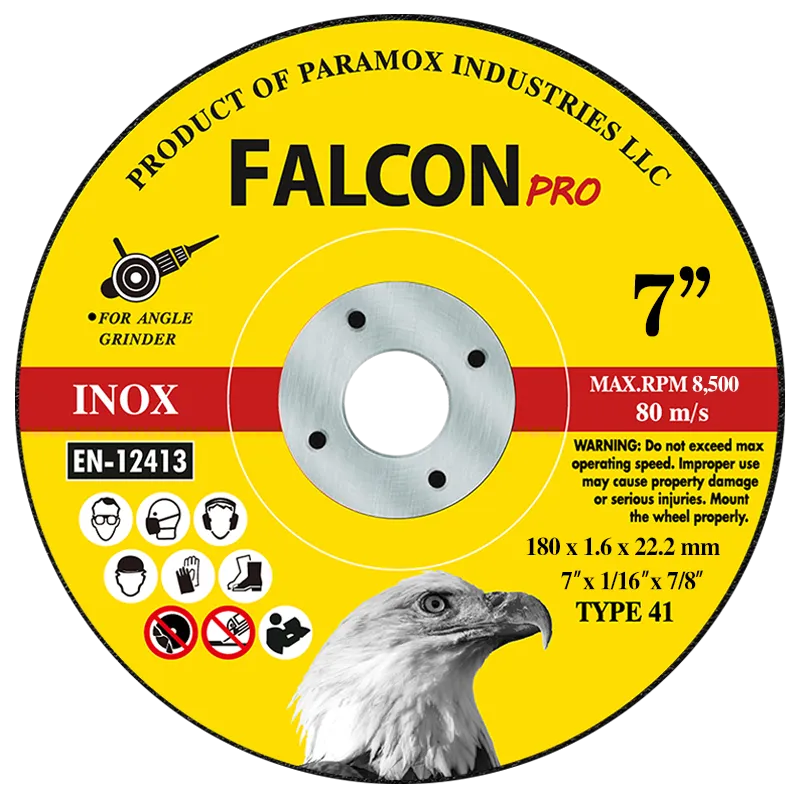
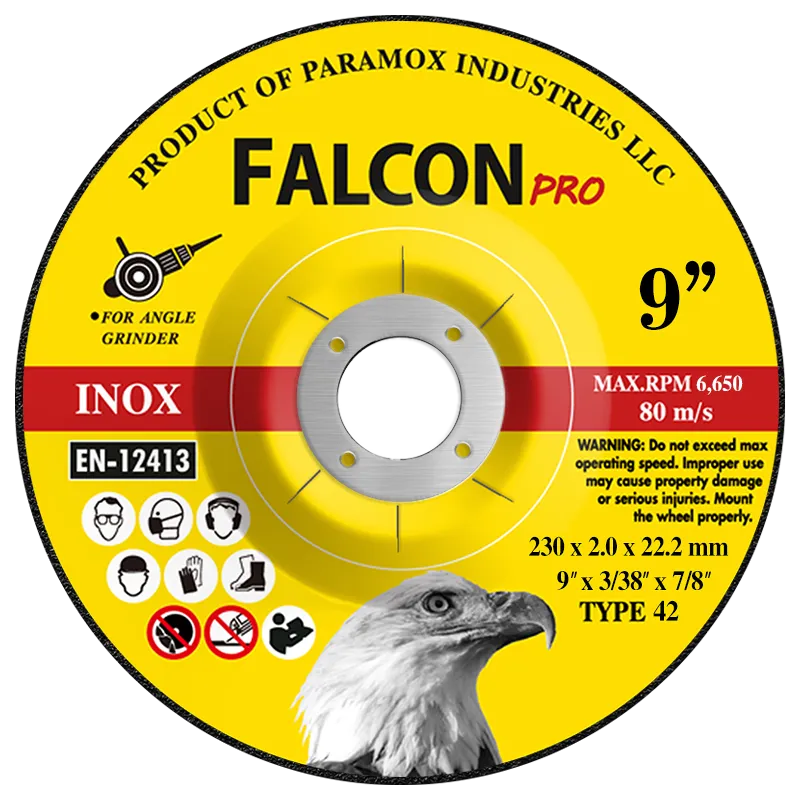
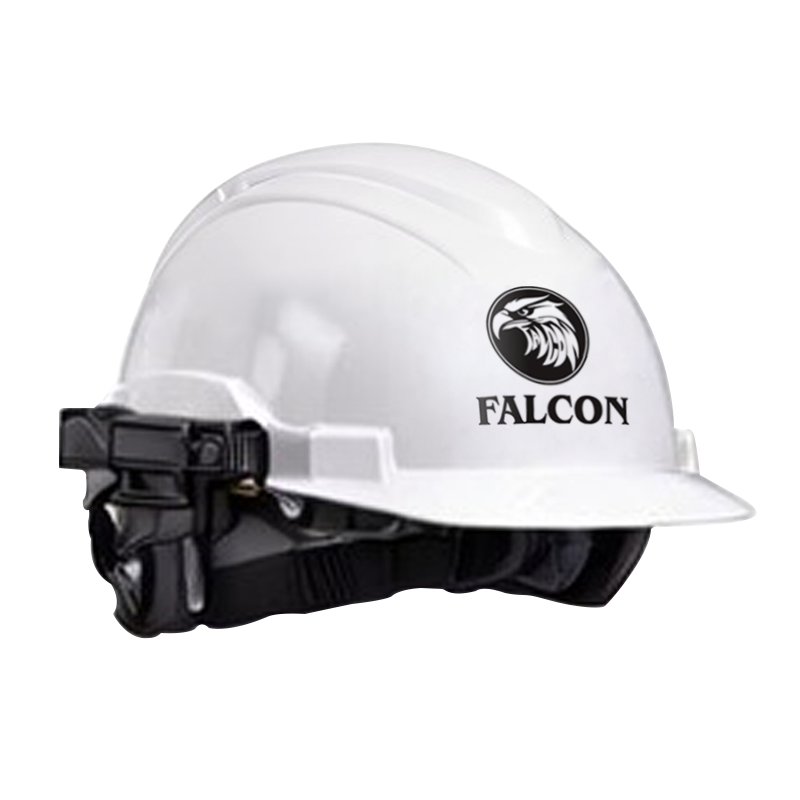
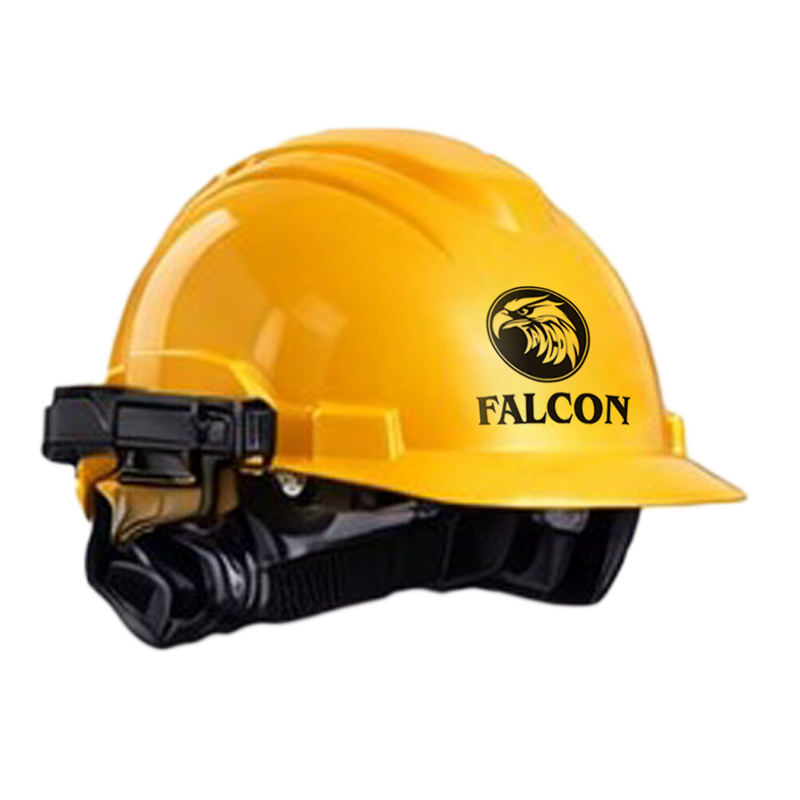
Hard hats are a critical component of workplace safety gear, designed to protect workers from head injuries in various industrial settings. For purchasing managers, safety officers, and engineers, the choice of a hard hat involves several considerations, including compliance with safety standards, material specifications, and comfort for the user. This article will guide you through the essential aspects of selecting the right Grinding Disc for Metal, understanding key specifications, and ensuring you partner with the right suppliers for your needs.


What types of flap discs are there?
Flap discs are one of the most versatile abrasive tools used for grinding, blending, and finishing different materials. Commonly installed on angle grinders, flap discs are made with overlapping abrasive flaps attached to a backing plate. This unique...
View More