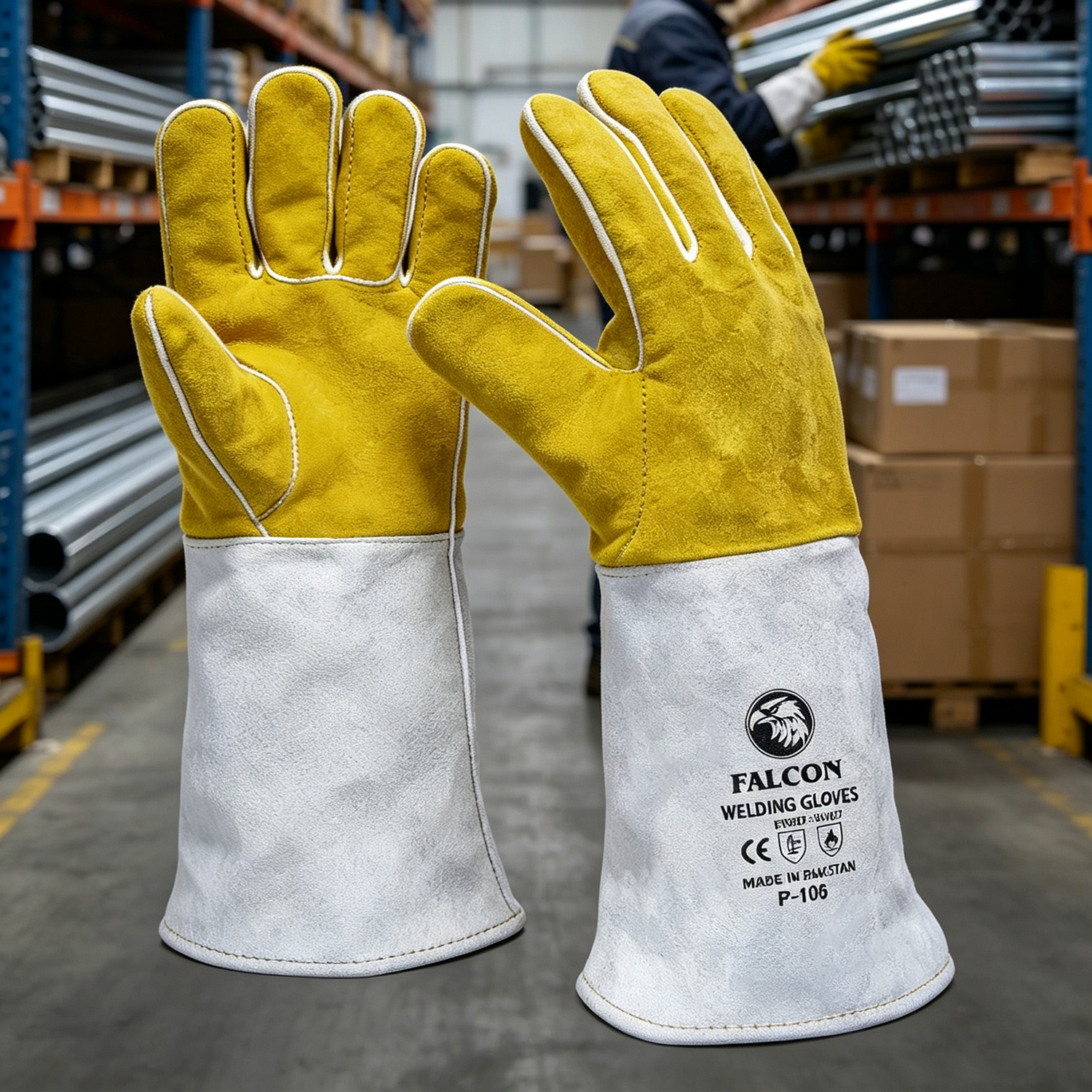
Quality Leather Work Gloves for Industrial Use

Get a Free Quote

Our representative will contact you soon.
Email
Mobile/WhatsApp
Name
Company Name
Country
Customer Type
Estimated Order Quantity
MOQ and Free Sample Policy
Message
0/1000

gloves work leather

Leather work gloves are essential protective gear in various industrial applications, offering both durability and comfort. As a B2B buyer, you may have concerns regarding quality standards, sourcing, common issues, and the specific applications of leather work gloves. This article will provide you with valuable insights to help you make informed decisions about purchasing gloves work leather for your business.
Understanding the Quality Standards for Leather Work Gloves

When selecting leather work gloves, understanding the quality standards is crucial. Look for gloves made from high-quality leather, such as cowhide or goatskin, known for their durability and flexibility. The grain of the leather also plays a significant role; full-grain leather is the most durable and resistant to wear, while split leather, though less expensive, may not offer the same level of protection.

Certifications such as ANSI (American National Standards Institute) and EN388 (European Norm for protective gloves) provide benchmarks for assessing the cut, puncture, tear, and abrasion resistance of gloves. Ensure that the gloves you choose meet these standards to guarantee safety and performance in the workplace.

Quality control processes, such as thorough inspections during manufacturing, can help ensure that the gloves meet these standards before they reach your facility. As a buyer, requesting documentation of these certifications can help build trust with your supplier.

Frequently Asked Questions

What materials are the leather work gloves made from?

Our gloves are crafted from premium full-grain leather with reinforced stitching and abrasion-resistant linings for durability in industrial use.
Yes. They offer high abrasion resistance and moderate cut protection suitable for grinding and material handling tasks.
Yes. We offer sizes from small to XXL with ergonomic design for a secure fit and improved dexterity.
They are designed for spark resistance and short-duration heat exposure common in grinding, but not for prolonged flame contact.
Clean with a damp cloth, use leather conditioner periodically, air dry away from direct heat, and store in a cool, dry place to extend service life.

Our Blog Posts

What Is a Zirconia Flap Disc Used For?

08

May

What Is a Zirconia Flap Disc Used For?

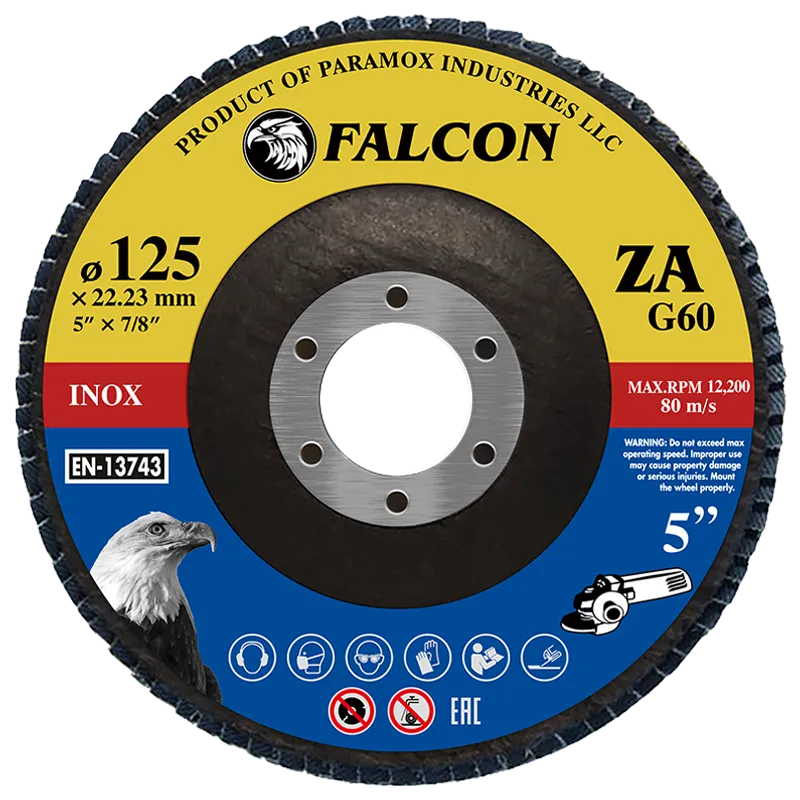
Zirconia flap discs are special tools using for grinding and polishing many kind of materials. They very popular in industries like metalworking and also woodworking. These discs got layers from zirconia abrasive that help to make surface smooth and ...
View More
When to replace cut off wheel

28

Sep

When to replace cut off wheel

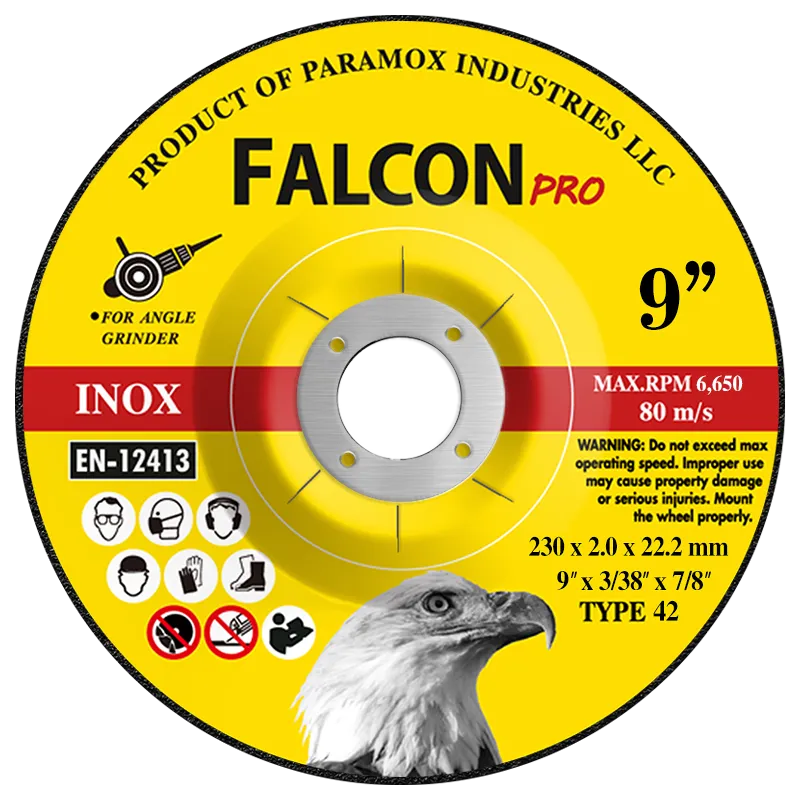
Cut-off wheels are essential tools for many applications, particularly in construction and metalworking. They are designed to make clean cuts through hard materials such as metal and concrete. However, cut-off wheels gradually wear with repeated use ...
View More
How to Choose Between Cut Off Wheels and Grinding Wheels

14

May

How to Choose Between Cut Off Wheels and Grinding Wheels

Choosing between cut-off wheels and grinding wheels can be confusing in the begining, but once you understand their differences it will helps you pick the right one for your project. Cut-off wheels they are thin and made to slice materials like metal...
View More
Class E, G, C Hard Hats: Electrical Safety Ratings

22

Jul

Class E, G, C Hard Hats: Electrical Safety Ratings

Hard hats are really important to keep workers safe, specially in places where things can fall on head or there is electrical danger. At Falcon Global, we understand that picking the correct Hard Hat make big difference. There is Class E, G, and C ha...
View More

Get a Free Quote

Our representative will contact you soon.
Email
Mobile/WhatsApp
Name
Company Name
Country
Customer Type
Estimated Order Quantity
MOQ and Free Sample Policy
Message
0/1000

Related product categories

Where to Source Wholesale Leather Work Gloves for Your Business

Where to Source Wholesale Leather Work Gloves for Your Business

Sourcing wholesale leather work gloves requires careful consideration of suppliers. Look for manufacturers with a solid reputation in the industry, such as Falcon Global, which specializes in high-performance safety gear and tools. Evaluate potential suppliers based on their manufacturing capabilities, quality systems, and past customer reviews.

Consider the following factors when sourcing:

Minimum Order Quantity (MOQ): Understand the MOQ requirements, as this can affect your upfront investment.Customization Options: Some suppliers offer tailored solutions to meet specific needs, including custom sizes or branding.Production Capacity and Lead Times: Ensure the supplier can meet your demand and deliver on time, especially for large orders.Packaging Methods: Proper packaging can protect the gloves during shipping, so inquire about their practices.

Request samples before placing a large order to evaluate the glove quality firsthand. This will help you confirm whether the gloves meet your performance expectations.

Common Problems with Leather Work Gloves and Their Solutions

Common Problems with Leather Work Gloves and Their Solutions

While leather work gloves offer excellent protection, they can present some common issues. Understanding these problems and their solutions can help ensure you select the right product for your needs.

Sizing Issues: Ill-fitting gloves can compromise dexterity and safety. To avoid this, ensure accurate sizing by measuring hand dimensions and comparing them with the manufacturer's sizing chart.

Break-In Period: New leather gloves may feel stiff initially. A break-in period is often necessary, during which the gloves conform to the hand's shape. To expedite this, consider wearing them for short periods to allow the leather to soften.

Moisture Retention: Leather can absorb moisture, leading to discomfort and reduced lifespan. Look for gloves treated with water-resistant coatings or consider models with moisture-wicking linings.

Durability Concerns: Over time, wear and tear can compromise glove integrity. Regular inspections can help identify early signs of damage, allowing for timely replacements.

By addressing these issues proactively, buyers can ensure that their workforce remains protected and comfortable.

Essential Applications for Leather Work Gloves in Various Industries

Essential Applications for Leather Work Gloves in Various Industries

Leather work gloves are versatile and widely used across numerous industries. Understanding the specific applications can help you select the best gloves for your needs.

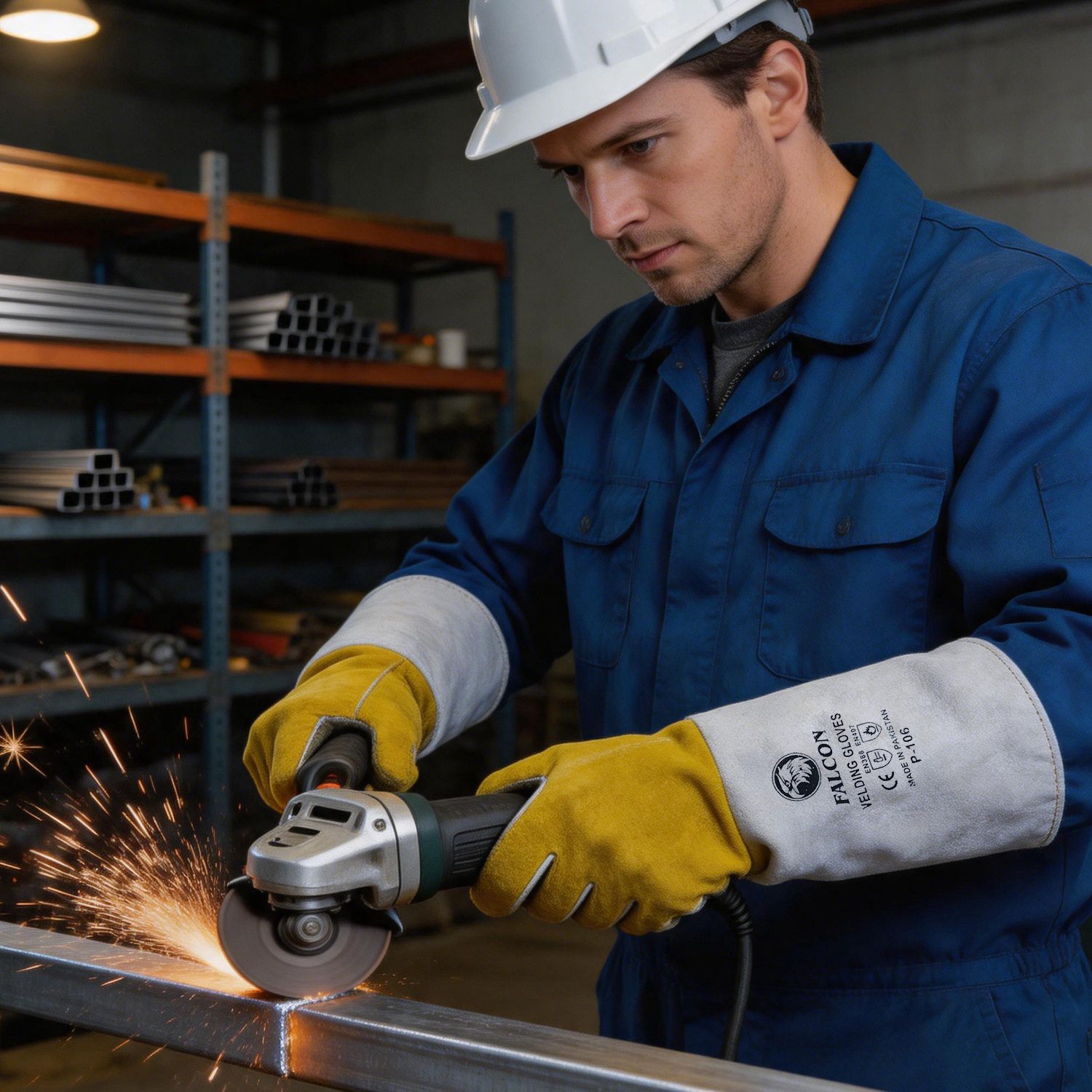
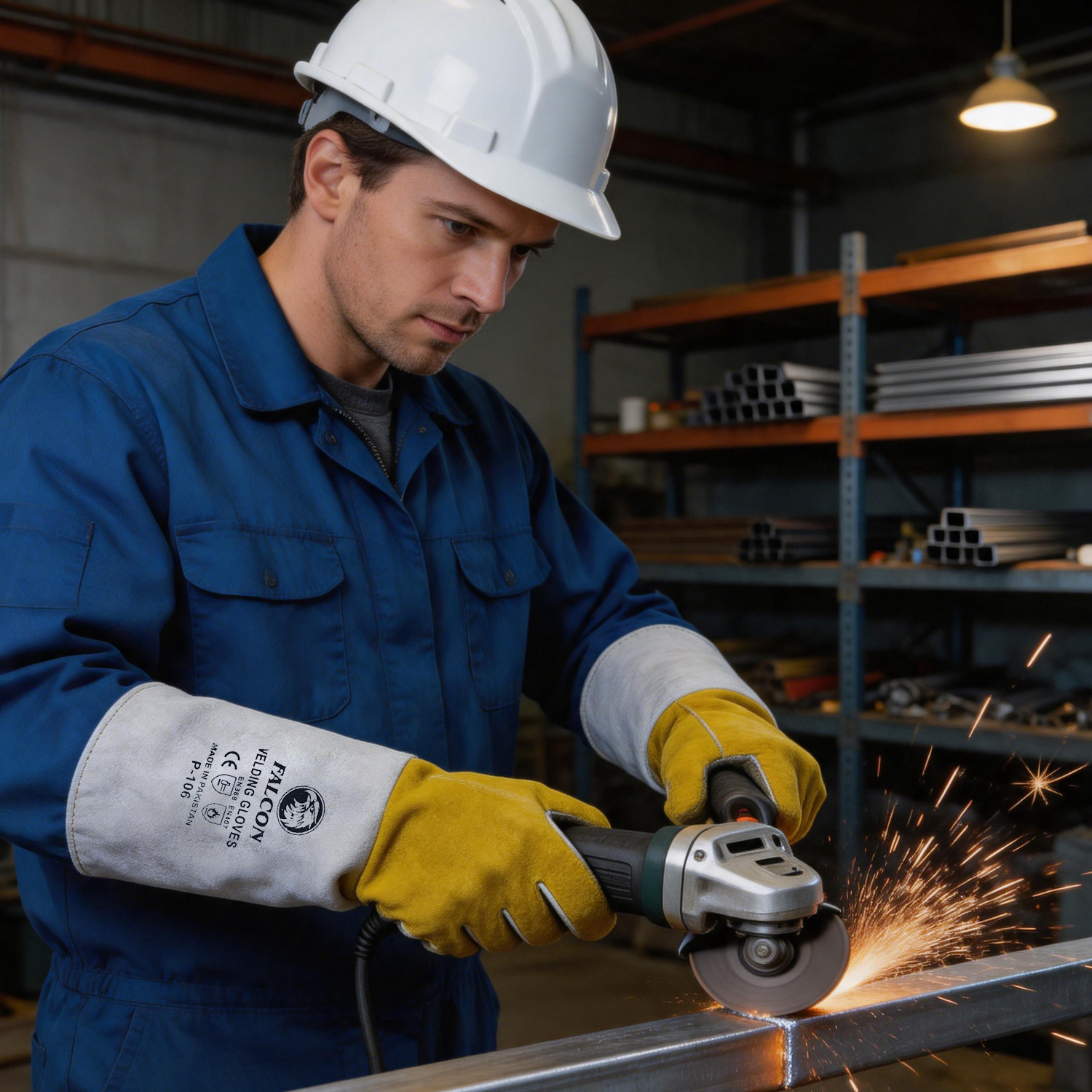
Construction: Workers handle heavy materials and sharp tools, making durable leather gloves essential for protection against cuts and abrasions.Manufacturing: Leather gloves provide comfort and dexterity, allowing workers to handle machinery and components safely.Welding: Specialized leather gloves designed for welding offer heat resistance and protection against sparks and spatter.Agriculture: Farmers benefit from leather gloves that protect against thorns, sharp tools, and the elements while providing a good grip.

When choosing gloves for a specific application, consider factors such as required dexterity, environmental conditions, and the types of hazards workers may encounter.

Comparing Different Types of Leather Work Gloves for Contractors

When selecting leather work gloves for contractors, several types are commonly available, each designed for specific applications. Here are key types to consider:

Drivers Gloves: Made from softer leather, these gloves provide excellent dexterity and grip, making them ideal for tasks requiring fine motor skills.

Welding Gloves: These gloves are typically made from thicker leather and feature reinforced seams to withstand high temperatures and sparks.

Cut-Resistant Gloves: Combining leather with cut-resistant materials, these gloves are designed for tasks involving sharp objects, offering enhanced protection.

Insulated Gloves: For cold-weather applications, insulated leather gloves keep hands warm while maintaining flexibility.

When comparing these types, consider the specific tasks your workforce will perform, the level of protection required, and the fit and comfort of each glove type. Always prioritize safety and performance over cost, as the right gloves can significantly reduce the risk of injury on the job.

By taking these factors into account, you can make informed decisions when purchasing gloves work leather that best meet your business needs.

Get a Free Quote

Our representative will contact you soon.
Email
Mobile/WhatsApp
Name
Company Name
Country
Customer Type
Estimated Order Quantity
MOQ and Free Sample Policy
Message
0/1000