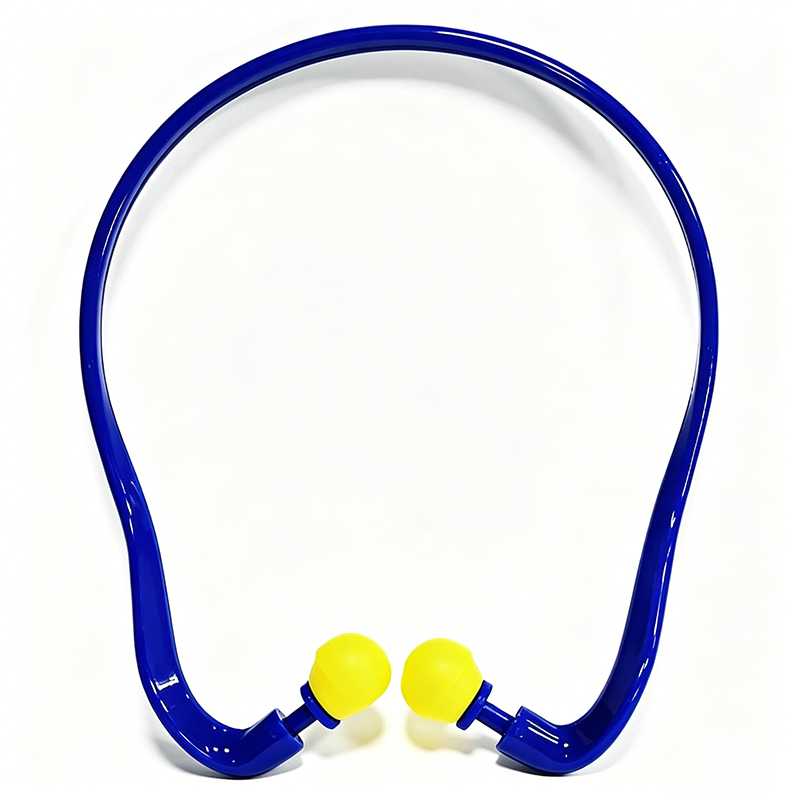
Custom Ear Plugs: A Comprehensive Guide

Get a Free Quote

Our representative will contact you soon.
Email
Mobile/WhatsApp
Name
Company Name
Country
Customer Type
Estimated Order Quantity
MOQ and Free Sample Policy
Message
0/1000

custom ear plugs

Custom ear plugs are specialized hearing protection devices tailored to fit the unique contours of an individual's ears. For B2B buyers, including purchasing managers and safety officers, the selection of custom ear plugs involves several critical considerations, such as material compatibility, comfort, and the specific acoustic protection required for various industrial environments. This article aims to provide valuable insights into comparing custom ear plugs for bulk orders, installation guidance, common issues, applications across industries, and the material advantages that ensure maximum comfort.
How to Compare Custom Ear Plugs for Bulk Orders

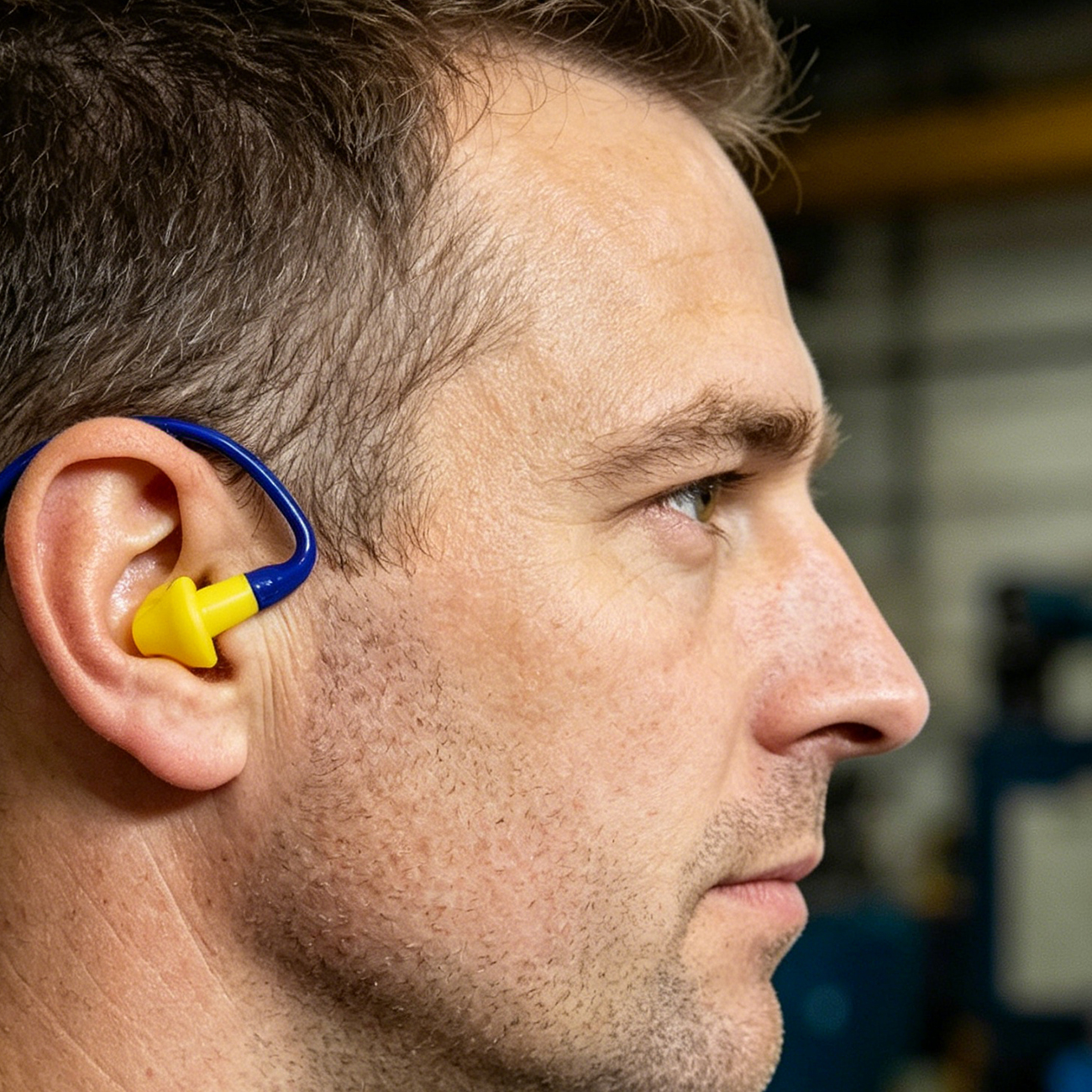
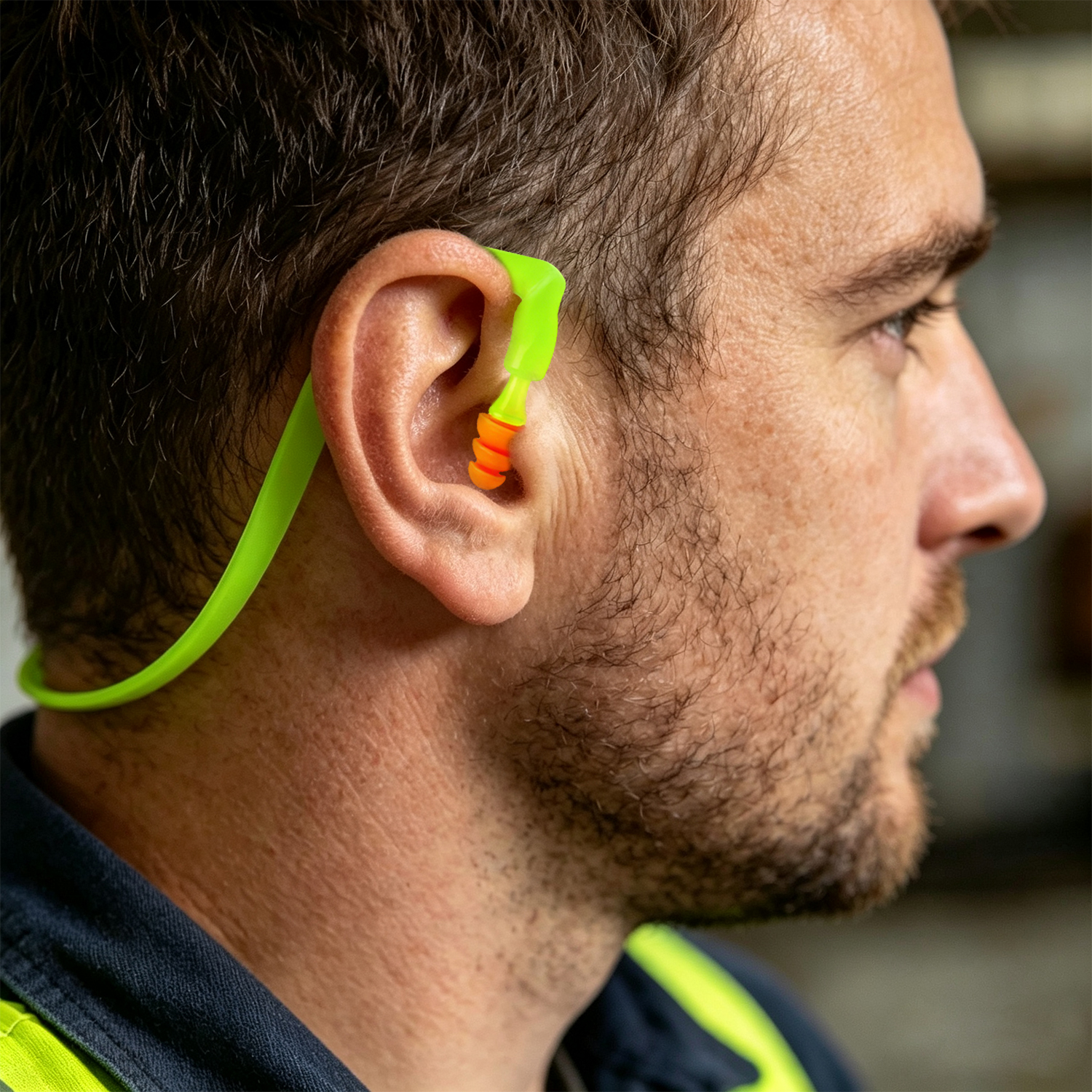
When comparing custom ear plugs for bulk orders, buyers should focus on several key aspects that will impact both performance and comfort. Start by evaluating the ear plugs' material, as this affects durability, insulation properties, and comfort over extended use. Common materials include silicone, foam, and thermoplastic elastomers, each with distinct benefits and limitations. For example, silicone ear plugs are often preferred due to their flexibility and ability to conform to the ear's shape, providing a secure fit while remaining comfortable for extended wear. You can find more about Silicone Earplugs (FY-901) that exemplify these qualities.

Next, assess the customization options available. Custom ear plugs should be tailored to the specific ear anatomy of users, which often requires taking impressions to ensure a snug fit. Look for manufacturers that offer detailed fitting processes, as this can significantly enhance the effectiveness of hearing protection.

Pricing is another crucial factor; it typically varies based on material, customization complexity, and order quantity. Requesting quotes from multiple suppliers can provide a clearer picture of the market rate, while also allowing for negotiation on price based on volume.

Finally, consider the lead time for bulk orders; a longer lead time can disrupt inventory management and compliance with safety regulations. Ensure that the supplier can meet your timeline without compromising quality.

Frequently Asked Questions

What customization options are available for custom ear plugs?

We offer sizes, materials (foam, silicone, polyurethane), colors, and optional logo imprinting to meet comfort and safety specifications for industrial environments.
Yes. We can design ear plugs to meet common noise reduction rating (NRR) requirements and tailor attenuation levels for specific workplace noise profiles.
Materials include medical-grade silicone, slow-rebound foam, and polyurethane for durability, comfort, and effective noise attenuation in industrial settings.
Contact our sales team with quantity, preferred material, size, color, and any logo or packaging needs. We'll provide a quote, lead time, and sample options.
Typical lead time is 2–6 weeks depending on complexity. Samples available upon request; sample fees may apply and are often credited to bulk orders.

Our Blog Posts

What types of cut-off wheels are there?

15

May

What types of cut-off wheels are there?

Cut-off wheels are really important tools in lots work, specially metalworking stuff. Falcon Global have different kinds of cut-off wheels which helps people cut many materials easy. These wheels get attached to machines like angle grinders and they ...
View More
What Are Grinding Wheels Made Of?

13

Aug

What Are Grinding Wheels Made Of?

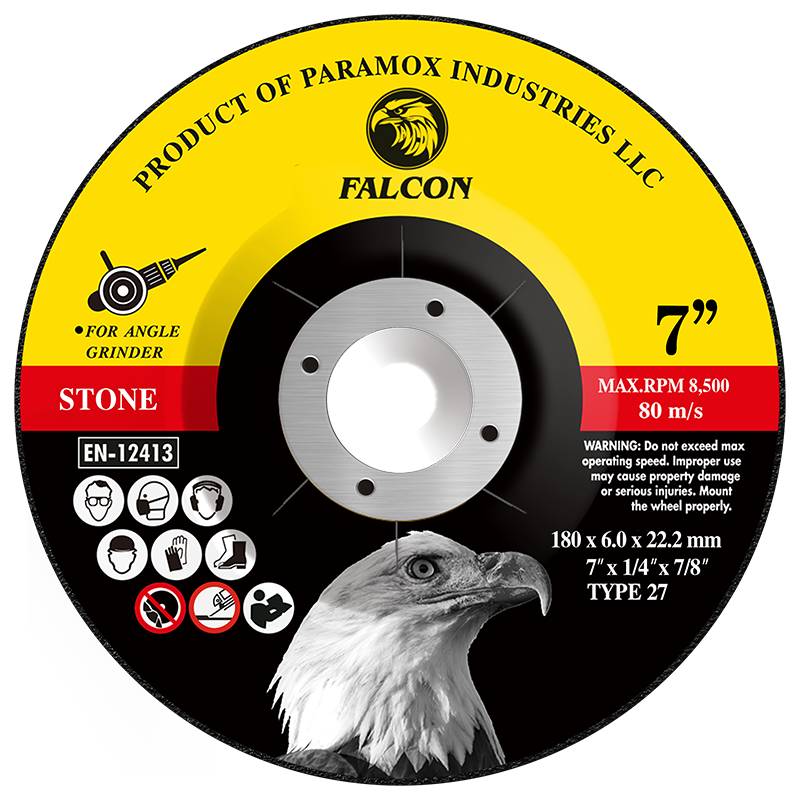
Grinding wheels are special tools using in many industry. They help grind, cut and polish various material. But what they made of?  Usually grinding wheels comes from mix of things. The main part is abrasive, which can be diamond, aluminum oxide...
View More
Diamond vs CBN Grinding Wheels: Which to Choose?

17

Jun

Diamond vs CBN Grinding Wheels: Which to Choose?

When it comes to grinding wheels, there is two main kinds: diamond and CBN wheels. Each one got its own good points and bad points, and picking the right one depend on what material you working with. Falcon Global sell both diamond and CBN grinding w...
View More
What Is a Type 2 Hard Hat & Why It Matters

15

Jul

What Is a Type 2 Hard Hat & Why It Matters

A Type 2 hard hat is a special helmet that keep workers safe in jobs like construction and manufacturing. At Falcon Global, we know safety gear is really important to protect people at work. These Type 2 hard hats is made to handle impacts from falli...
View More

Get a Free Quote

Our representative will contact you soon.
Email
Mobile/WhatsApp
Name
Company Name
Country
Customer Type
Estimated Order Quantity
MOQ and Free Sample Policy
Message
0/1000

Related product categories

Installation Guidance for Optimal Use of Custom Ear Plugs

Installation Guidance for Optimal Use of Custom Ear Plugs

Proper installation of custom ear plugs is essential to their effectiveness. Before use, users should first ensure that their hands are clean to prevent contamination of the ear plugs. To insert the plugs, gently pull the outer ear up and back with one hand while using the other hand to push the ear plug into the ear canal until it feels secure. A proper fit should create a seal that blocks out ambient noise without causing discomfort.

Once installed, users should perform a quick check to ensure they cannot hear significant external sounds. If noise is still audible, the ear plugs may need to be reinserted or adjusted. Regular checks and maintenance of the ear plugs are recommended, as wear and tear can compromise their protective capabilities.

In environments with high levels of noise or potential contaminants, users should be trained on the importance of wearing custom ear plugs at all times. Ensuring that all employees understand the correct installation process can significantly enhance workplace safety.

Common Problems with Ear Plugs and Effective Solutions

Common Problems with Ear Plugs and Effective Solutions

Despite their effectiveness, custom ear plugs can present several common problems. One frequent issue is discomfort, which can arise from improper fit or material sensitivity. To combat this, it's essential to select a material that suits the user's skin type, and to ensure that the fitting process is meticulously executed.

Another concern is noise leakage, which can occur if the ear plugs are not adequately sealed within the ear canal. This underscores the importance of proper installation and periodic checks for fit and integrity.

Hygiene is also a significant factor; ear plugs can accumulate dirt and bacteria over time, leading to infections or other health issues. Regular cleaning with a suitable solution and replacing ear plugs as needed can mitigate this risk. Providing users with guidelines on maintenance can enhance their longevity and effectiveness.

Exploring Applications of Custom Ear Plugs in Various Industries

Exploring Applications of Custom Ear Plugs in Various Industries

Custom ear plugs are vital across multiple industries, particularly those involving high noise levels or hazardous materials. In manufacturing plants, construction sites, and heavy machinery operations, these devices protect workers from acoustic trauma and long-term hearing loss. Custom ear plugs can also be beneficial in environments with fluctuating noise levels, such as in aviation or live events, where sound intensity can vary dramatically.

In the healthcare industry, custom ear plugs are used to protect personnel from exposure to loud medical equipment. Similarly, the music and entertainment industries utilize custom ear plugs to safeguard performers and technicians from prolonged high decibel exposure while allowing for sound clarity. For instance, Grinding Disc for Inox/stainless steel applications often require auditory protection in noisy environments.

Each application may require different specifications from the ear plugs, such as noise reduction rating (NRR), which indicates the level of sound attenuation provided. Buyers should assess the specific needs of their industry when selecting custom ear plugs to ensure optimal protection.

Material Advantages of Custom Ear Plugs for Maximum Comfor

The choice of material for custom ear plugs significantly influences user comfort and performance. Silicone, for example, is often preferred due to its flexibility and ability to conform to the ear's shape, providing a secure fit while remaining comfortable for extended wear. Foam ear plugs, while less durable, offer excellent sound absorption and are often favored for their affordability.

Thermoplastic elastomers combine the durability of plastic with the flexibility of rubber, making them a versatile choice for various applications. Each material's properties should be matched to the intended use; for instance, silicone may be better for environments requiring prolonged wear, while foam might suffice for short-term use. For more information on effective materials, consider exploring Grinding Discs for Metal.

Additionally, the choice of material can impact the ear plugs' effectiveness against moisture and temperature variations. Custom ear plugs designed with moisture-resistant materials can be particularly beneficial in humid environments, ensuring that the ear plugs maintain their form and effectiveness over time.

By understanding these material advantages, buyers can make informed decisions that enhance user comfort and ensure compliance with safety standards.

Get a Free Quote

Our representative will contact you soon.
Email
Mobile/WhatsApp
Name
Company Name
Country
Customer Type
Estimated Order Quantity
MOQ and Free Sample Policy
Message
0/1000