Choosing Loop Ear Plugs for Industrial Applications

Get a Free Quote

Our representative will contact you soon.
Email
Mobile/WhatsApp
Name
Company Name
Country
Customer Type
Estimated Order Quantity
MOQ and Free Sample Policy
Message
0/1000

loop ear plugs

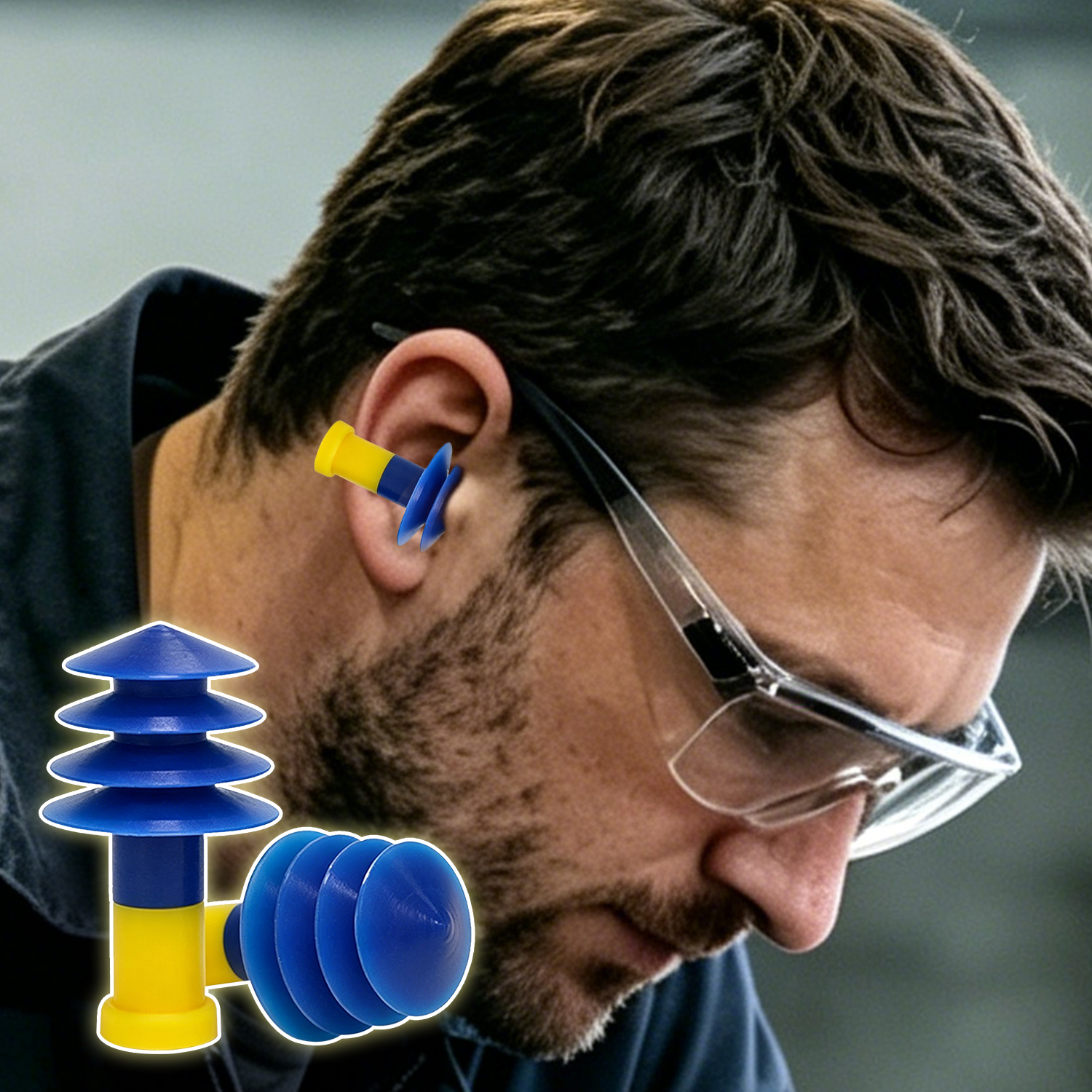
Loop ear plugs are essential safety equipment designed to protect hearing in industrial environments. As noise levels rise in manufacturing and construction, purchasing managers and safety officers must prioritize effective hearing protection. This article provides insights into selecting the right loop ear plugs, key specifications to consider, their features and benefits, installation techniques, and solutions to common problems. By understanding these aspects, buyers can make informed decisions that enhance workplace safety and compliance.

Choosing the Right Loop Ear Plugs for Industrial Applications

Selecting the appropriate loop ear plugs involves understanding both the application and the specific needs of workers in an industrial setting. Loop ear plugs come in various styles and materials, each suited to different environments. For example, silicone ear plugs may provide comfort during extended wear, while foam plugs can offer better noise attenuation for particularly loud settings. Additionally, one might consider using Silicone Earplugs (FY-911) for enhanced comfort.

When evaluating ear plugs for industrial applications, consider the noise reduction rating (NRR). A higher NRR indicates greater noise-blocking capabilities, which is crucial in environments with persistent loud sounds. Additionally, assess the fit and comfort of the ear plugs, as workers are more likely to wear them consistently when they are comfortable. Custom-molded options may be beneficial for individuals who require a tailored fit for optimal protection.

Frequently Asked Questions

What are Loop Ear Plugs made of?

Loop ear plugs are made from soft, hypoallergenic silicone to provide comfort, durability, and a reliable seal for industrial hearing protection.
Yes. They are designed for repeated use; clean with mild soap and water, dry thoroughly, and store in a clean case to maintain performance.
Loop ear plugs offer significant attenuation suitable for many industrial settings; check the product label for the exact SNR/NRR rating for your environment.
Insert by rolling, compressing, and placing the plug into the ear canal or loop over the outer ear as instructed; remove gently by twisting and pulling to avoid discomfort.
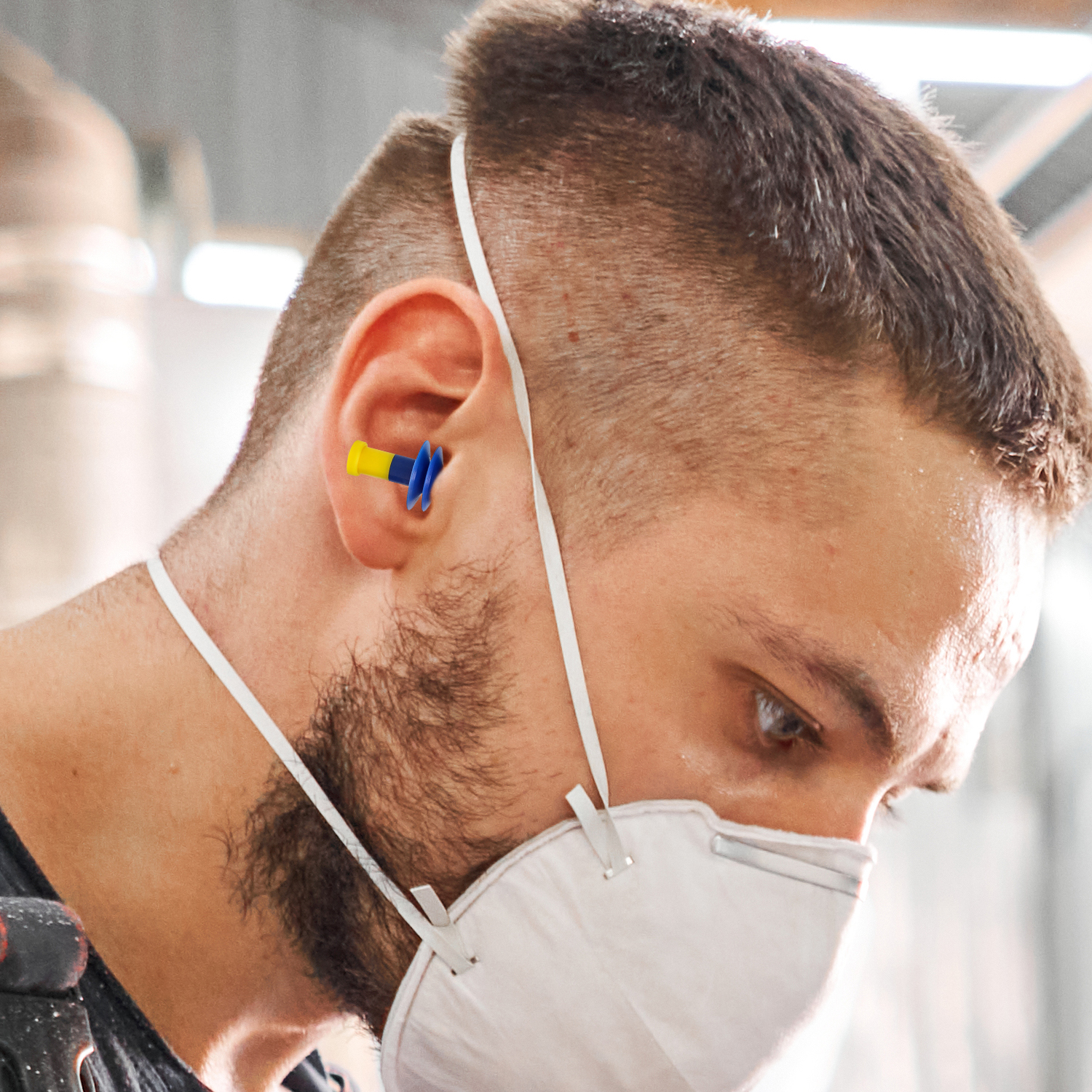
Yes. They are designed to work alongside helmets, face shields, and safety eyewear without compromising fit or protection in industrial applications.

Our Blog Posts

What types of flap discs are there?

14

Mar

What types of flap discs are there?

Flap discs are one of the most versatile abrasive tools used for grinding, blending, and finishing different materials. Commonly installed on angle grinders, flap discs are made with overlapping abrasive flaps attached to a backing plate. This unique...
View More
What Is a Zirconia Flap Disc Used For?

08

May

What Is a Zirconia Flap Disc Used For?

Zirconia flap discs are special tools using for grinding and polishing many kind of materials. They very popular in industries like metalworking and also woodworking. These discs got layers from zirconia abrasive that help to make surface smooth and ...
View More
Can You Use a Cut Off Wheel on Aluminum?

08

Oct

Can You Use a Cut Off Wheel on Aluminum?

When processing metals, selecting suitable power-tool accessories is essential, and the cut-off wheel is one of the most widely-used options. These abrasive discs work across multiple materials, yet many users question whether they deliver safe, high...
View More
Common Uses of Fiber Discs in Metalworking

01

Aug

Common Uses of Fiber Discs in Metalworking

Fiber discs are really important tools in metalworking. They are round shape discs made from strong stuff and covered with abrasive grains. These discs get used on grinders or sanders machines to smooth, shape, and polish metal surfaces. Peoples who ...
View More

Get a Free Quote

Our representative will contact you soon.
Email
Mobile/WhatsApp
Name
Company Name
Country
Customer Type
Estimated Order Quantity
MOQ and Free Sample Policy
Message
0/1000

Related product categories

Key Specifications to Evaluate Loop Ear Plugs for Safety

Key Specifications to Evaluate Loop Ear Plugs for Safety

When purchasing loop ear plugs, buyers should evaluate several key specifications to ensure compliance with safety standards and suitability for their specific applications:

Noise Reduction Rating (NRR): This metric measures the level of sound reduction provided by the ear plugs. For industrial applications, an NRR of at least 25 dB is often recommended, but the specific requirement may vary based on the environment's noise levels.

Material Composition: The material affects both comfort and protection. Common materials include foam, silicone, and thermoplastic elastomers (TPE). Each material has different properties, such as hypoallergenic characteristics, durability, and noise-blocking effectiveness.

Fit and Size: Ear plugs come in various sizes and shapes. A proper fit is crucial for ensuring maximum noise reduction and comfort. Buyers should consider offering a range of sizes or customizable options to accommodate different users.

Certification: Ensure that the ear plugs meet relevant safety standards, such as ANSI or EN standards for hearing protection. This certification indicates that the product has been tested and meets safety criteria.

Packaging and Shelf Life: Consider the packaging methods which can affect the ear plugs' cleanliness and usability. Additionally, understanding the shelf life helps in managing inventory effectively.

Features and Benefits for Buyers

Features and Benefits for Buyers

Loop ear plugs offer several features and benefits that make them an attractive option for industrial applications:

Comfort and Wearability: Many loop ear plugs are designed for prolonged use, with soft materials that reduce ear fatigue. This is particularly important in workplaces where employees must wear hearing protection for long shifts.

Discreet Design: The loop design allows for a lower profile, making them less conspicuous compared to traditional ear plugs. This feature can encourage compliance among workers who might hesitate to wear bulkier options.

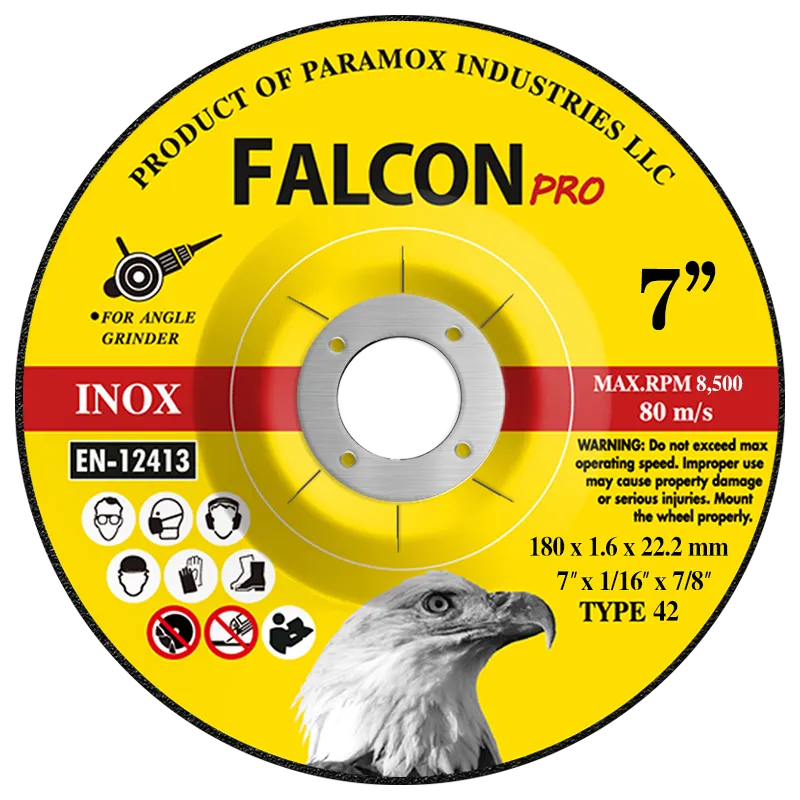
Reusability and Cost-effectiveness: Many loop ear plugs are washable and reusable, making them a cost-effective solution in the long run. This durability can contribute to lower overall spending on safety equipment. To enhance your cost-effectiveness, consider pairing the ear plugs with high-quality Grinding Disc for Inox/stainless steel for your industrial tasks.

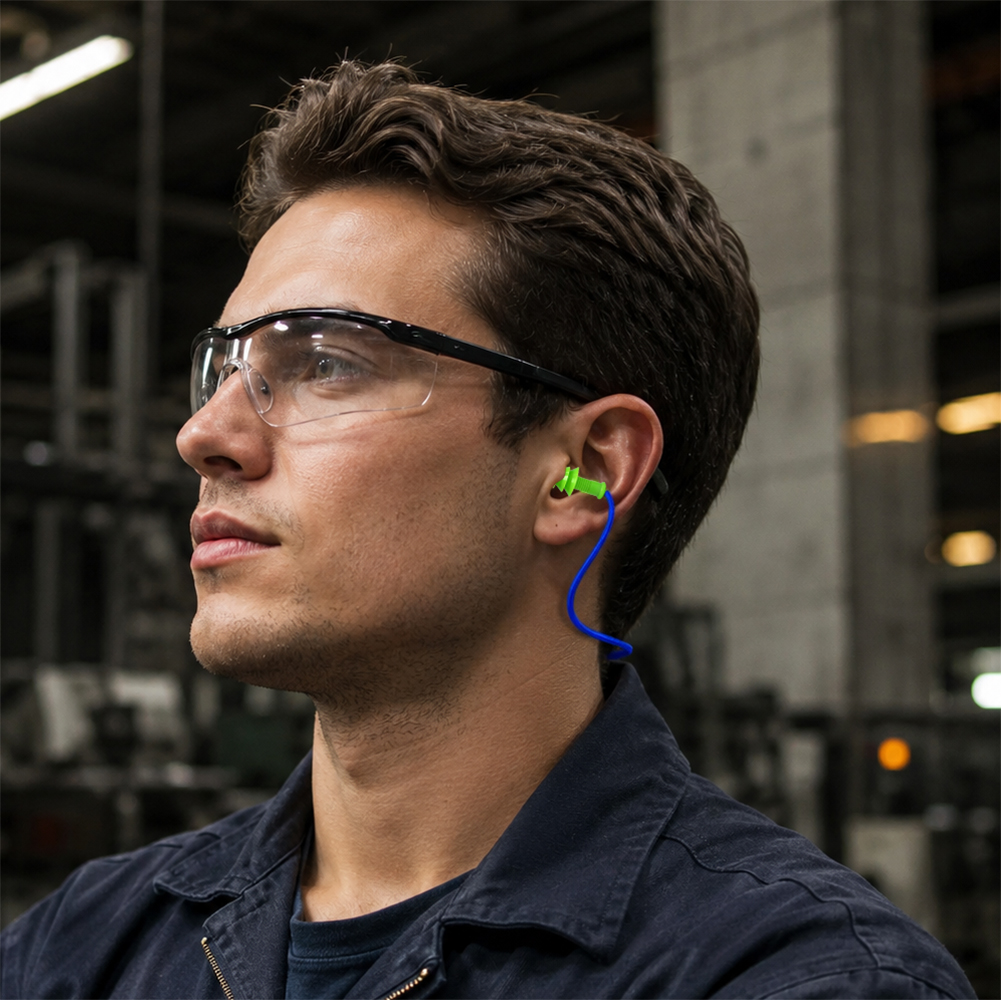
Compatibility with Other PPE: Loop ear plugs can be easily worn alongside other personal protective equipment (PPE), such as helmets or safety goggles, without compromising on safety or comfort.

How to Install Loop Ear Plugs for Optimal Protection

How to Install Loop Ear Plugs for Optimal Protection

Correct installation of loop ear plugs is essential for ensuring maximum protection. Here is a step-by-step guide to help users achieve the best fit:

Clean Hands: Before handling ear plugs, ensure hands are clean to prevent contamination.

Prepare the Ear Plug: For foam ear plugs, roll the plug between the fingers to compress it. This reduces its diameter for easier insertion.

Insertion: Tilt the head to one side and gently pull the outer ear up and back with the opposite hand. This straightens the ear canal, allowing for easier insertion. Insert the ear plug into the ear canal, ensuring it fits snugly.

Seal Check: After insertion, tug gently on the ear plug to ensure it creates a proper seal. If the ear plug does not fit comfortably or securely, it may need to be adjusted or replaced.

Remove Carefully: To remove the ear plugs, twist them slightly while pulling outward to avoid injury to the ear canal.

Common Problems with Loop Ear Plugs and Effective Solutions

Even with high-quality loop ear plugs, users may encounter common issues that can affect their performance. Here are some problems and solutions:

Poor Fit: If ear plugs do not fit correctly, they may not provide adequate noise reduction. Buyers should consider providing a selection of sizes or custom options to address fit concerns.

Discomfort: Some users may experience discomfort after long periods of wear. Encouraging users to take breaks and consider alternative styles or materials can help alleviate discomfort.

Hygiene Issues: Ear plugs can accumulate dirt and bacteria over time. Implementing a regular cleaning schedule and providing multiple pairs for users can help maintain hygiene and effectiveness.

Loss and Misplacement: Given their small size, ear plugs may easily be lost. Offering storage solutions, such as pouches or clips, can help users keep track of their gear.

By understanding the selection criteria, specifications, features, installation methods, and potential issues associated with loop ear plugs, purchasing managers can make informed decisions that enhance workplace safety. FALCON GLOBAL / TOOLS SAFETY specializes in providing high-performance safety gear, and their expertise can guide buyers in selecting the right products for their specific industrial needs.

Get a Free Quote

Our representative will contact you soon.
Email
Mobile/WhatsApp
Name
Company Name
Country
Customer Type
Estimated Order Quantity
MOQ and Free Sample Policy
Message
0/1000