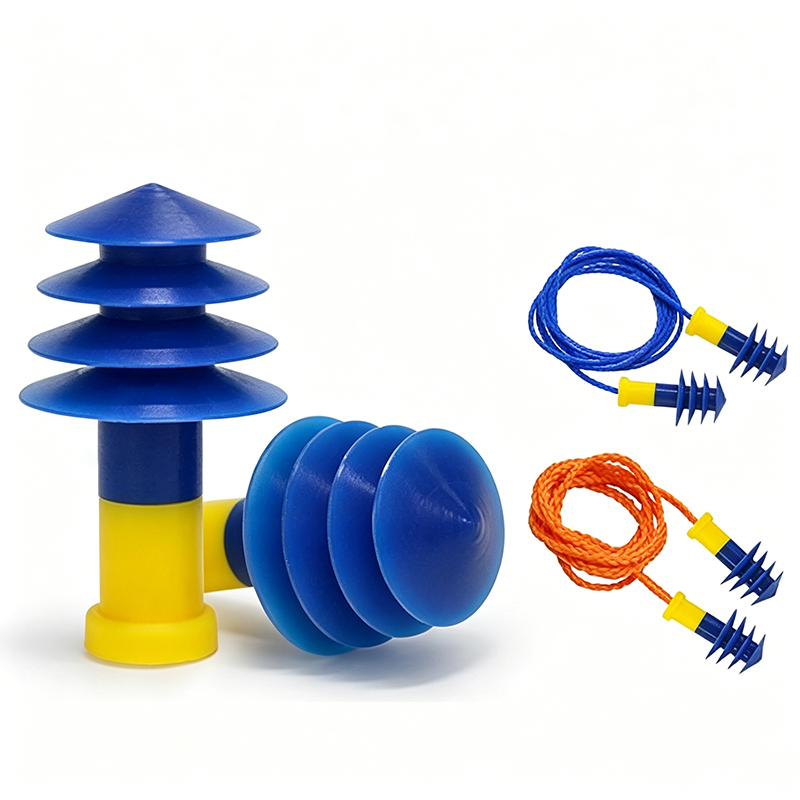
Choosing the Right Ear Protectors for Industry Safety

Get a Free Quote

Our representative will contact you soon.
Email
Mobile/WhatsApp
Name
Company Name
Country
Customer Type
Estimated Order Quantity
MOQ and Free Sample Policy
Message
0/1000

ear protectors

Ear protectors are essential safety equipment designed to reduce noise exposure, protecting workers in industrial environments from hearing loss and other auditory-related issues. As buyers evaluate ear protectors, their main concerns often revolve around comfort, performance, material quality, and regulatory compliance. This article will guide you through the key aspects of selecting ear protectors that meet your industrial needs, ensuring that you make an informed purchasing decision.
Choosing the Right Ear Protectors for Your Industrial Needs

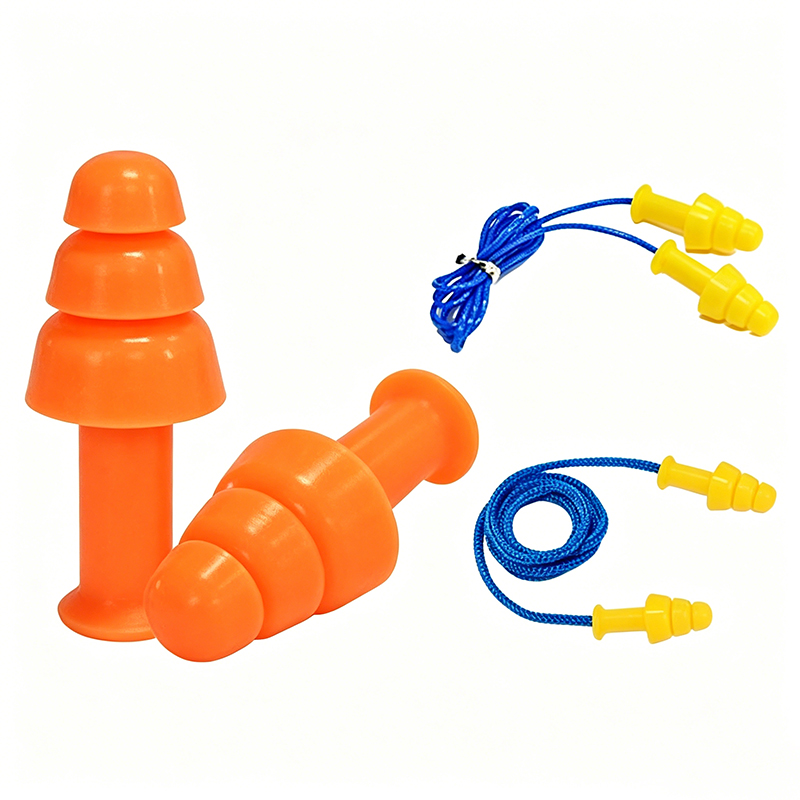
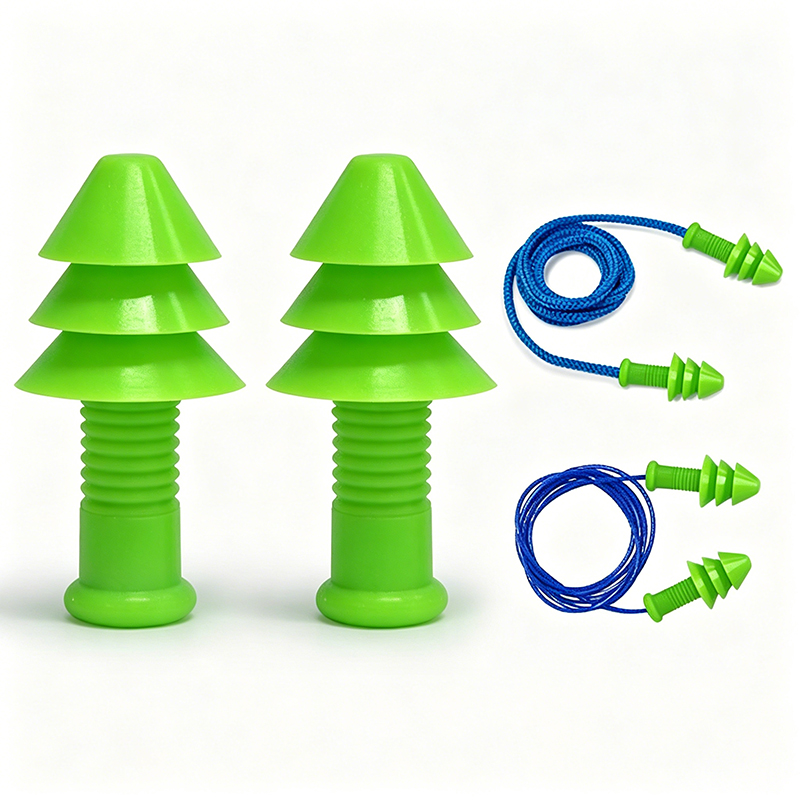
Selecting the appropriate ear protectors begins with understanding the specific noise levels and types of hazards present in your workplace. There are two main categories of ear protectors: earplugs and earmuffs. Earplugs are typically more discreet and can provide a higher level of noise attenuation, while earmuffs offer better comfort and are easier to put on and take off.

Consider the noise reduction rating (NRR) of the ear protectors, which indicates how much sound they can block. An NRR of 20-30 dB is usually sufficient for moderate noise environments, while louder settings may require ear protectors with an NRR of 30 dB or higher. Additionally, factors such as fit and comfort are crucial, as poorly fitting ear protectors can lead to reduced effectiveness and discomfort for the user. For those seeking further information on suitable options, check our Earplugs section.

It’s also important to consider the duration of use. For long shifts, lightweight models may be more suitable, while those working in extreme temperatures should look for materials that can withstand temperature fluctuations without compromising performance.

Frequently Asked Questions

What types of ear protectors do you offer?

We provide earmuffs and earplugs designed for industrial use, available in various attenuation levels and materials to suit different noise environments and comfort needs.
Yes. They are engineered for industrial applications, offering high noise reduction, durable construction, and compatibility with other protective gear.
Select based on typical workplace decibel levels; choose higher attenuation for loud equipment and combine with administrative controls if needed. Contact us for guidance.
Yes. Models feature cushioned headbands, soft seals, and ergonomic designs to minimize pressure and provide extended-wear comfort.
Yes. We supply replacement cushions, filters, and earplug packs, plus cleaning and storage guidance to prolong service life.

Our Blog Posts

Notes on using cut-off wheels

17

Sep

Notes on using cut-off wheels

Cut-off wheels are indispensable tools across numerous industries. They are engineered to slice hard materials including metal, concrete, and stone. At Falcon Global, we fully understand how critical it is to select high-quality cut-off wheels for yo...
View More
How to Install a Cut Off Wheel on an Angle Grinder

12

Sep

How to Install a Cut Off Wheel on an Angle Grinder

Installing a cut-off wheel on an angle grinder may seem intimidating for beginners, but the process is simple with standard operating steps. At Falcon Global, we prioritize standardized installation practices to ensure safe operation and optimal cutt...
View More
How to Select High-Performance Cut Off Wheels for Industrial Use

05

Sep

How to Select High-Performance Cut Off Wheels for Industrial Use

Selecting the right high-performance cut-off wheels for industrial applications is a critical decision. Cut-off wheels are essential industrial consumables widely used for cutting metal, stainless steel and other hard materials. Choosing a suitable c...
View More
How to Extend the Lifespan of Your Cut Off Wheels

11

Oct

How to Extend the Lifespan of Your Cut Off Wheels

Cut-off wheels are essential abrasive tools for industrial cutting applications. They are widely used for cutting metal, concrete, stone, and other hard materials. However, wheel selection and operating methods have a direct impact on cutting perform...
View More

Get a Free Quote

Our representative will contact you soon.
Email
Mobile/WhatsApp
Name
Company Name
Country
Customer Type
Estimated Order Quantity
MOQ and Free Sample Policy
Message
0/1000

Related product categories

Top Specifications to Evaluate in Quality Ear Protectors

Top Specifications to Evaluate in Quality Ear Protectors

When evaluating ear protectors, buyers should assess several key specifications to ensure they meet the necessary safety and comfort standards.

Material Composition: The materials used in ear protectors should be durable and provide adequate insulation from noise. Common materials include foam, silicone, and thermoplastic elastomers for earplugs, while earmuffs often use plastic shells with padding for comfort.

Noise Reduction Rating (NRR): The NRR is a crucial metric that quantifies the effectiveness of ear protectors in reducing noise exposure. Ensure the chosen product meets the noise reduction needs of your specific work environment.

Comfort Features: Look for features such as adjustable headbands, cushioned ear cups, and hypoallergenic materials. These can enhance comfort, particularly for extended wear.

Compatibility with Other Safety Gear: If your workforce uses hard hats, safety goggles, or other protective equipment, ensure that the ear protectors are compatible. Poor compatibility can lead to gaps in protection. Additionally, consider how ear protectors pair with Protective Workwear to optimize safety.

Certifications: Check for compliance with industry standards, such as ANSI (American National Standards Institute) or CE (Conformité Européenne) certifications, which ensure that the products meet specific safety requirements.

Common Problems with Ear Protectors and Effective Solutions

Common Problems with Ear Protectors and Effective Solutions

Despite their importance, ear protectors can face several common issues that may reduce their effectiveness or comfort:

Poor Fit: An improper fit can lead to discomfort and decreased protection. To address this, provide a selection of sizes and types, and encourage employees to try different options until they find the best fit.

Hygiene Issues: Earplugs, especially reusable ones, require regular cleaning to prevent ear infections. Supply cleaning solutions and educate users on proper hygiene practices.

Durability Concerns: Frequent use can wear down ear protectors, particularly in harsh industrial environments. Consider investing in high-durability models designed for heavy use or offering replacements as needed.

Communication Difficulties: While ear protectors are designed to reduce noise, they can impede communication. Some models offer communication features, such as integrated microphones, which allow workers to communicate without removing their protection.

Installation Guidance for Optimal Use of Ear Protectors

Installation Guidance for Optimal Use of Ear Protectors

Proper installation and use of ear protectors are crucial for maximizing their protective benefits. For earplugs, ensure users follow these steps:

Clean Hands: Before handling earplugs, users should wash their hands to avoid introducing dirt or oils into their ears.

Insertion Technique: For foam earplugs, users should roll the plug into a small cylinder and gently insert it into the ear canal, holding it in place until it expands. For reusable plugs, ensure they are positioned correctly in the ear to create a snug seal.

For earmuffs, ensure the ear cups fully cover the ears without gaps. Adjust the headband for a secure fit, and check that the cushions create a good seal around the ears. Regularly inspect equipment for wear, and replace damaged or degraded components.

Applications of Ear Protectors in Various Industrial Environments

Ear protectors are versatile safety equipment suited for a variety of industrial applications. In manufacturing environments, they safeguard workers from high-decibel machinery and tools, while in construction, they protect against noise from heavy equipment.

In the automotive industry, ear protectors help mitigate sound from loud assembly lines, while in mining or oil and gas, they shield workers from constant exposure to loud machinery and environmental noise. Additionally, when working in environments where hearing protection is mandated, it’s essential to provide employees with suitable ear protectors that comply with regulatory standards.

In summary, choosing the right ear protectors entails assessing the specific risks present in your industry, evaluating key specifications, addressing common issues, and ensuring proper use. By prioritizing these factors, buyers can select ear protectors that not only enhance employee safety but also improve overall workplace efficiency.

Get a Free Quote

Our representative will contact you soon.
Email
Mobile/WhatsApp
Name
Company Name
Country
Customer Type
Estimated Order Quantity
MOQ and Free Sample Policy
Message
0/1000