Choosing the Right Buffing Disc for Angle Grinders

Get a Free Quote

Our representative will contact you soon.
Email
Mobile/WhatsApp
Name
Company Name
Country
Customer Type
Estimated Order Quantity
MOQ and Free Sample Policy
Message
0/1000

buffing disc for angle grinder

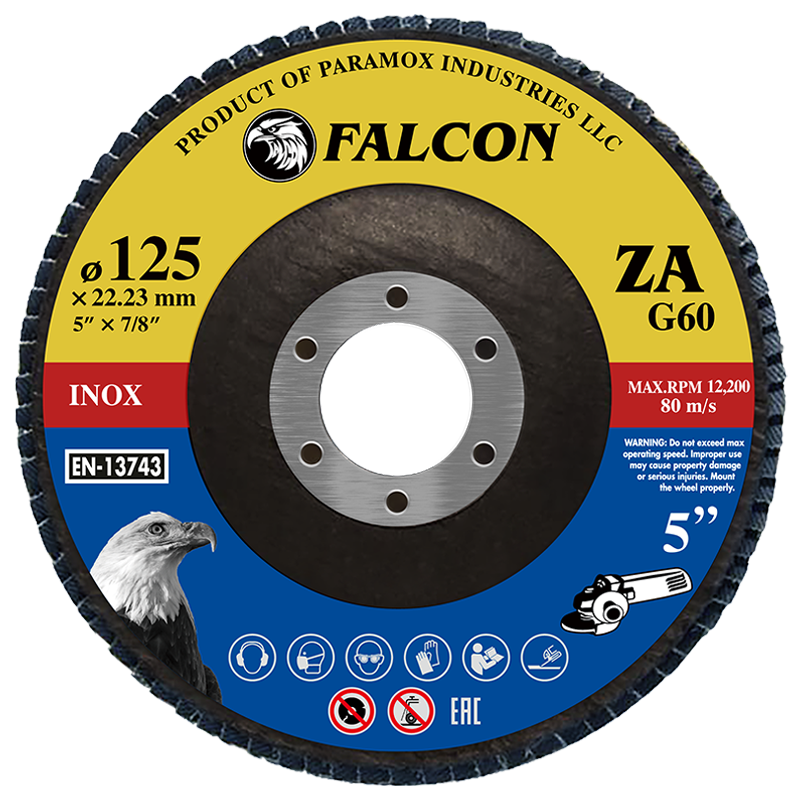
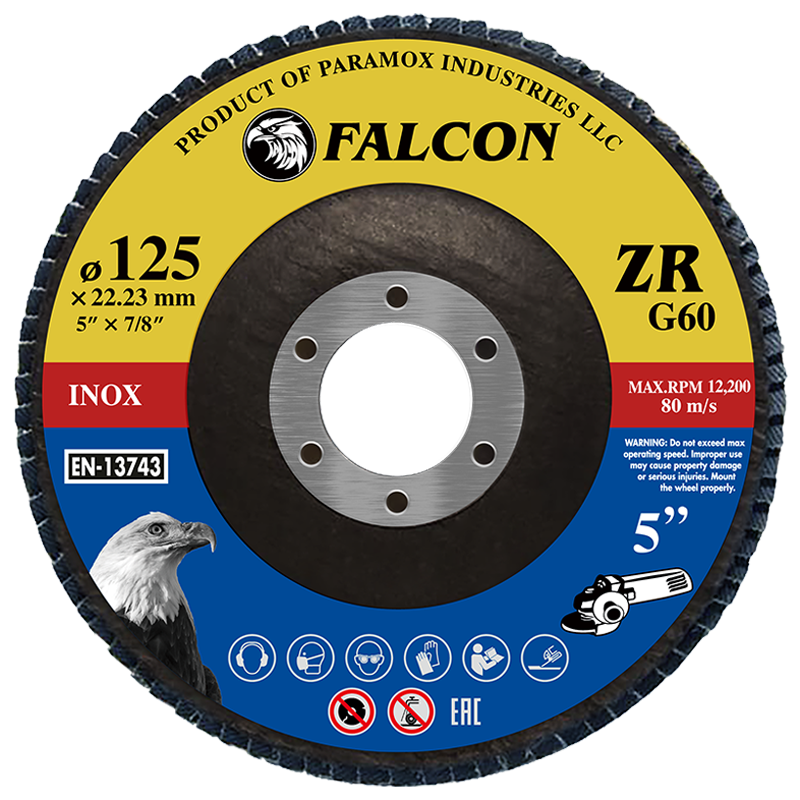
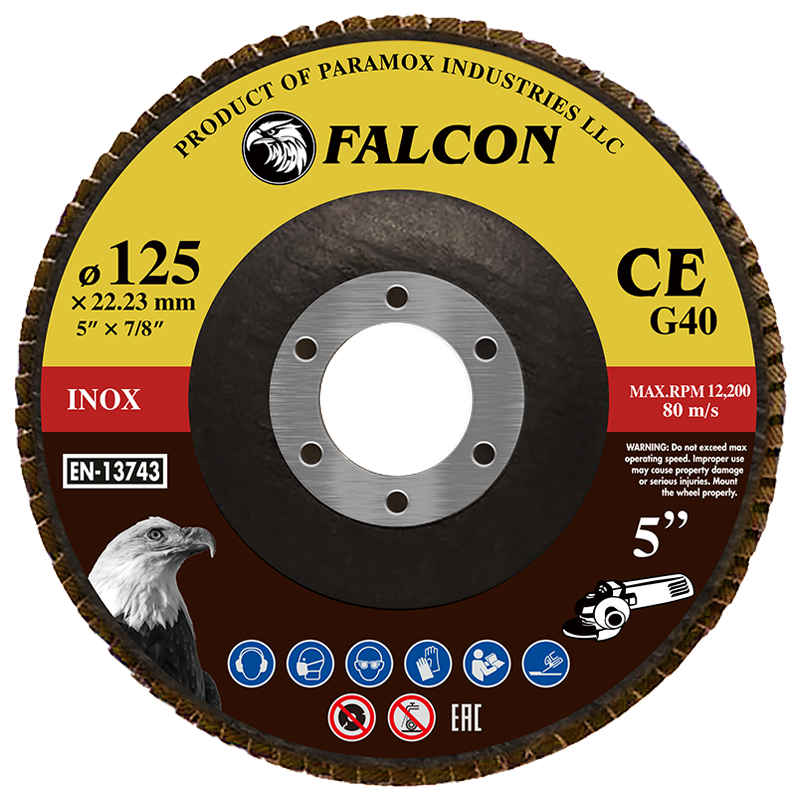
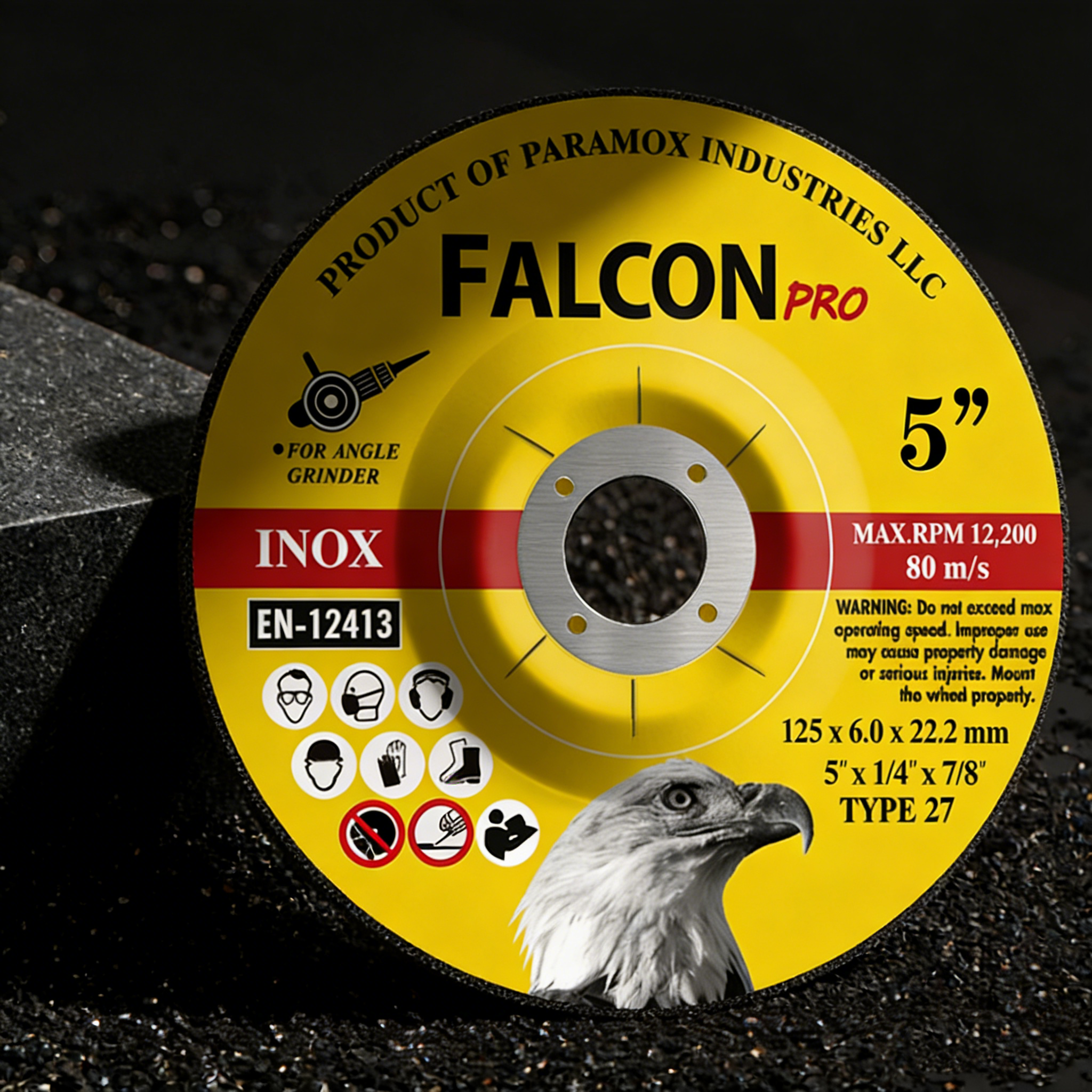
When it comes to polishing and finishing surfaces, a buffing disc for angle grinders is an essential tool that can significantly enhance the quality of your work. These discs are used to smooth out rough edges, remove imperfections, and achieve a high-gloss finish on various materials. For purchasing managers and engineers, selecting the right buffing disc is crucial to ensure compatibility with your angle grinder and the desired outcome for your projects. This article aims to provide detailed insights into choosing the right buffing disc, understanding material advantages, installation guidance, troubleshooting common issues, and tips for wholesale purchasing.
Our Products

How to Choose the Right Buffing Disc for Your Angle Grinder

Choosing the right buffing disc starts with understanding the specific requirements of your application. Consider factors such as the material you are working with (metal, wood, plastic, etc.), the finish desired (polished, matte, etc.), and the compatibility with your angle grinder's specifications.

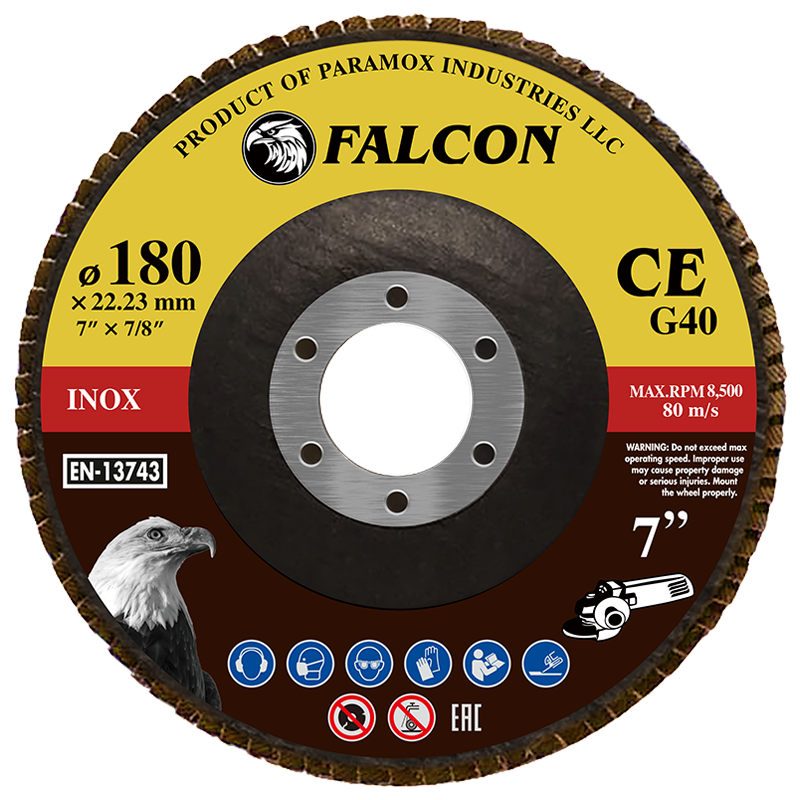
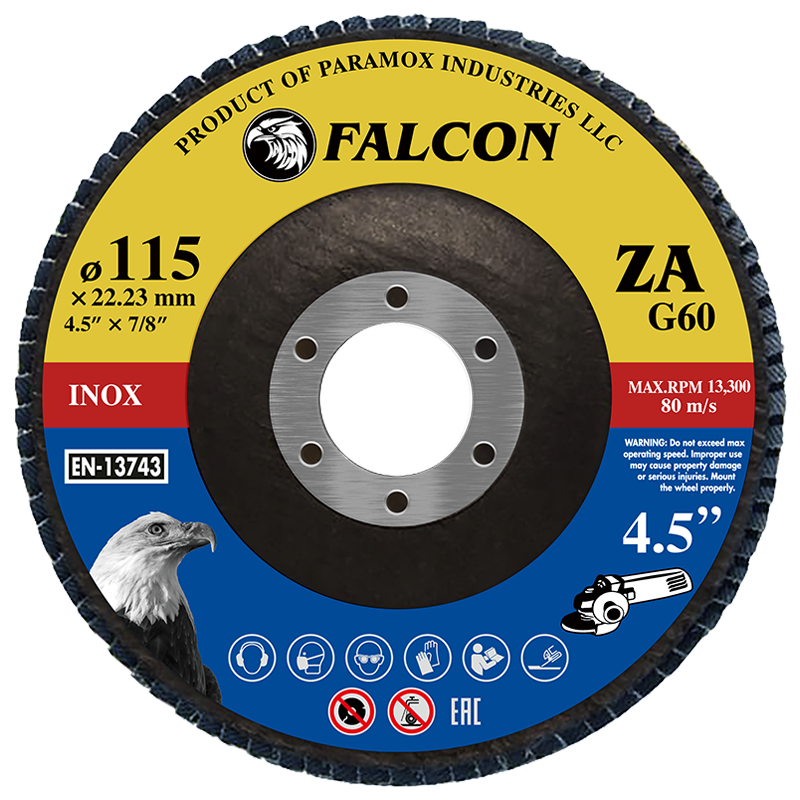
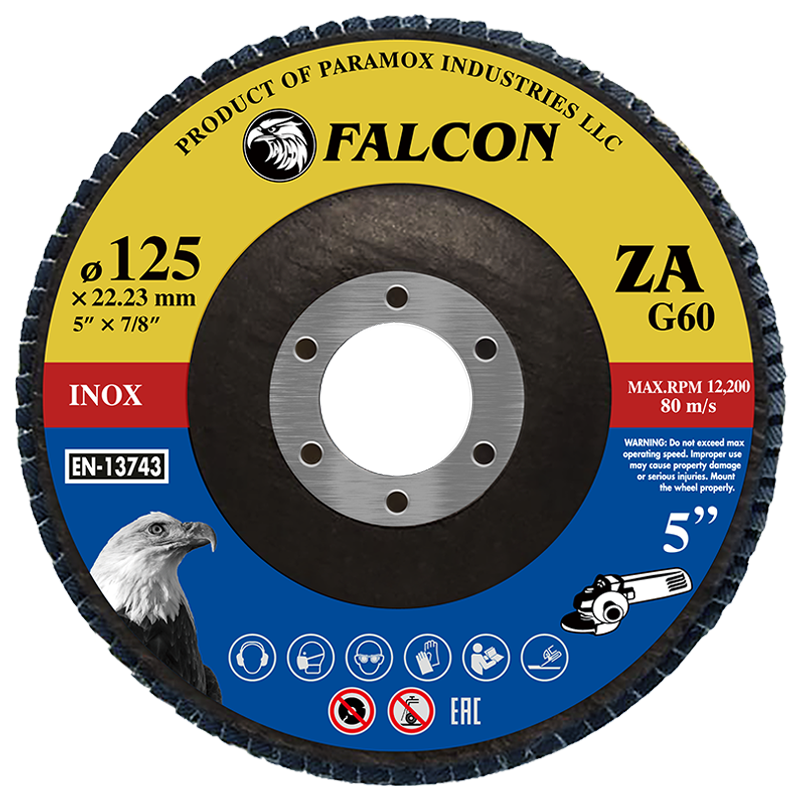
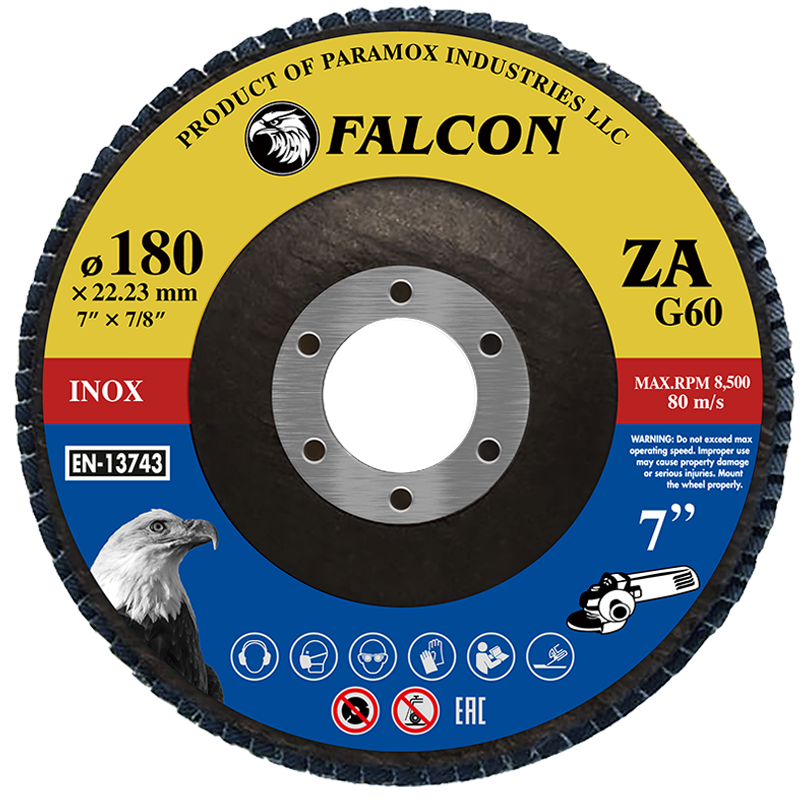
Size Compatibility: Buffing discs come in various diameters, typically ranging from 4 inches to 7 inches. Ensure the chosen disc matches the size specification of your angle grinder. Using a disc that is too large or small can lead to inefficiencies and potential safety hazards.

Grit Level: The grit level of the buffing disc affects the finishing quality. Coarser grits (like 60-80) are suitable for heavy material removal, while finer grits (like 120-200 and above) are ideal for achieving a smooth, polished finish. Assess the surface condition and choose accordingly.

Attachment Type: Buffing discs can be attached using different methods, such as hook-and-loop or adhesive. Ensure your grinder is compatible with the attachment type you select to guarantee secure mounting and ease of disc replacement.

Application Requirements: Depending on whether you're buffing metal, wood, or plastic, different discs may be required. For instance, a wool buffing disc is ideal for metals, while foam discs can be better for delicate surfaces. Additionally, utilizing Other Products / Custom Requirements might help in sourcing the right type of discs for specific applications.

Frequently Asked Questions

What materials suit this buffing disc for angle grinders?

Our buffing disc is designed for metals, stainless steel, aluminum, and some hard plastics. It performs best on flat and slightly contoured surfaces in industrial applications.
Available in multiple grades, it delivers finishes from coarse satin to fine mirror polish depending on selected abrasive density and pad type.
Compatible with common angle grinders from 4" to 7". Recommended operating speeds vary by disc grade—typically 3,000–10,000 RPM. Always follow safety labels.
Turn off and unplug grinder, mount disc on correct backing flange, tighten per tool manual, ensure disc sits flat and spins true before use. Wear required PPE.
Use eye protection, face shield, cut-resistant gloves, hearing protection, and protective clothing and footwear. Ensure proper ventilation and secure workpiece.

Our Blog Posts

What Is a Zirconia Flap Disc Used For?

08

May

What Is a Zirconia Flap Disc Used For?

Zirconia flap discs are special tools using for grinding and polishing many kind of materials. They very popular in industries like metalworking and also woodworking. These discs got layers from zirconia abrasive that help to make surface smooth and ...
View More
Can You Use a Cut Off Wheel on Aluminum?

08

Oct

Can You Use a Cut Off Wheel on Aluminum?

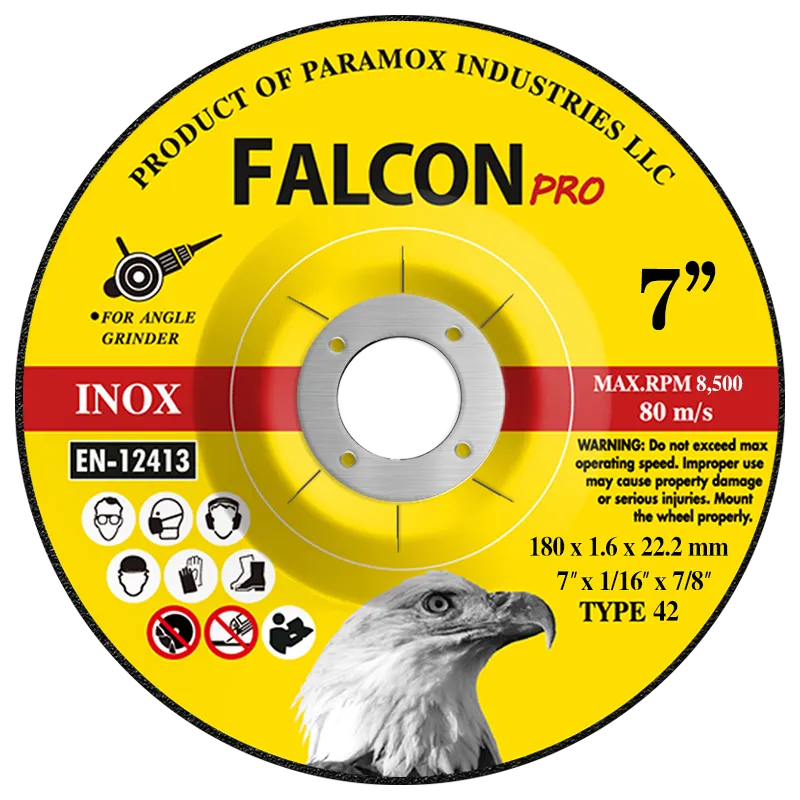
When processing metals, selecting suitable power-tool accessories is essential, and the cut-off wheel is one of the most widely-used options. These abrasive discs work across multiple materials, yet many users question whether they deliver safe, high...
View More
Do hard hats expire?

29

Sep

Do hard hats expire?

Hard hats are really important to keep workers safe on construction sites and other places. They protect head from falling things, bumps, and other dangers that happen during work. But many people ask, do hard hats expire? Its good question because&n...
View More
How to choose the right hard hat?

04

May

How to choose the right hard hat?

Choosing the right hard hat is really important, specially if you work in places full of dangers like construction site or factories. It protect your head from falling things, bumps and also electrical shock. When you looking for one, you should cons...
View More

Get a Free Quote

Our representative will contact you soon.
Email
Mobile/WhatsApp
Name
Company Name
Country
Customer Type
Estimated Order Quantity
MOQ and Free Sample Policy
Message
0/1000

Related product categories

Understanding the Advantages of Materials for Buffing Discs

Understanding the Advantages of Materials for Buffing Discs

The material of the buffing disc plays a critical role in its performance and suitability for specific applications. Here’s a breakdown of common materials used in buffing discs:

Wool: Wool discs are excellent for achieving high-gloss finishes on metal surfaces. They are soft and flexible, making them ideal for detailed work but may not be suitable for heavy material removal.

Foam: Often used for polishing applications, foam discs provide a smooth finish and are less aggressive than wool or synthetic options. They work well on painted surfaces and are often used in automotive applications.

Synthetic Fiber: These discs are more durable and can handle tougher jobs compared to wool or foam. They are suitable for various materials, including metal and plastic, and are often used for heavy-duty applications.

Silicon Carbide: Known for its sharpness, silicon carbide is effective for grinding and polishing hard materials. It is particularly effective for removing scratches and surface imperfections. For a variety of surface needs, consider exploring our Safety Gloves to ensure safety while working.

Choosing the right material based on your needs ensures optimal performance and longevity of the buffing disc.

Installation Guidance for Buffing Discs on Angle Grinders

Installation Guidance for Buffing Discs on Angle Grinders

Proper installation of buffing discs is vital for safety and efficiency. Follow these steps to ensure correct installation:

Power Off: Before attaching or changing the buffing disc, ensure the angle grinder is powered off and unplugged to avoid accidental activation.

Remove Existing Disc: If a disc is already attached, use the appropriate tool to loosen and remove it. Ensure the backing plate is clean and free of debris.

Attach New Disc: Align the new buffing disc with the backing plate. For hook-and-loop discs, press firmly until you hear a click. For adhesive discs, ensure it is centered and apply even pressure.

Check Secure Fit: After installation, manually spin the angle grinder to check if the disc is securely attached and balanced. An unbalanced disc can cause vibrations and reduce performance.

Safety Gear: Always wear appropriate safety gear, including goggles and gloves, when operating the angle grinder to protect against debris and accidental injuries.

Common Problems with Buffing Discs and Their Solutions

Common Problems with Buffing Discs and Their Solutions

While buffing discs are effective tools, they can present some common issues:

Discs Wearing Out Quickly: If you notice rapid wear, it may indicate using the wrong grit for the application or applying too much pressure. Assess your technique and adjust accordingly.

Discs Not Holding Securely: If the disc keeps coming loose, check compatibility with your angle grinder and the attachment type. Ensure that the disc is installed correctly and that the backing plate is not damaged.

Uneven Finish: An uneven finish might be due to inconsistent pressure during buffing or an unsuitable grit selection. Ensure even pressure and adjust the grit based on the surface condition.

Burning of Material: This can occur if the disc is too aggressive for the material or if excessive pressure is applied. Choose a finer grit and reduce pressure to prevent damage to the workpiece.

Wholesale Purchasing Tips for Buffing Discs in Large Quantities

When purchasing buffing discs in bulk, there are several factors to consider to ensure you receive quality products at competitive prices:

Minimum Order Quantity (MOQ): Understand the supplier's MOQ for buffing discs. Some manufacturers may offer discounts for larger orders, so it’s beneficial to inquire about pricing structures.

Customization Options: If your applications require specific sizes or materials, check if the manufacturer offers customization capabilities. This can help you obtain discs tailored to your needs.

Quality Assurance: Verify the supplier's quality control processes. Request samples before placing a large order to assess the performance and durability of the buffing discs.

Lead Time: Discuss lead times for production and delivery, especially if you need the discs for a specific project timeline. Ensure the supplier can meet your deadlines.

Shipping and Packaging: Inquire about packaging methods to ensure the discs are delivered without damage. Understanding shipping costs and logistics is also crucial for budgeting.

By keeping these factors in mind, you can make informed decisions and establish a reliable supply chain for your buffing disc needs.

Get a Free Quote

Our representative will contact you soon.
Email
Mobile/WhatsApp
Name
Company Name
Country
Customer Type
Estimated Order Quantity
MOQ and Free Sample Policy
Message
0/1000