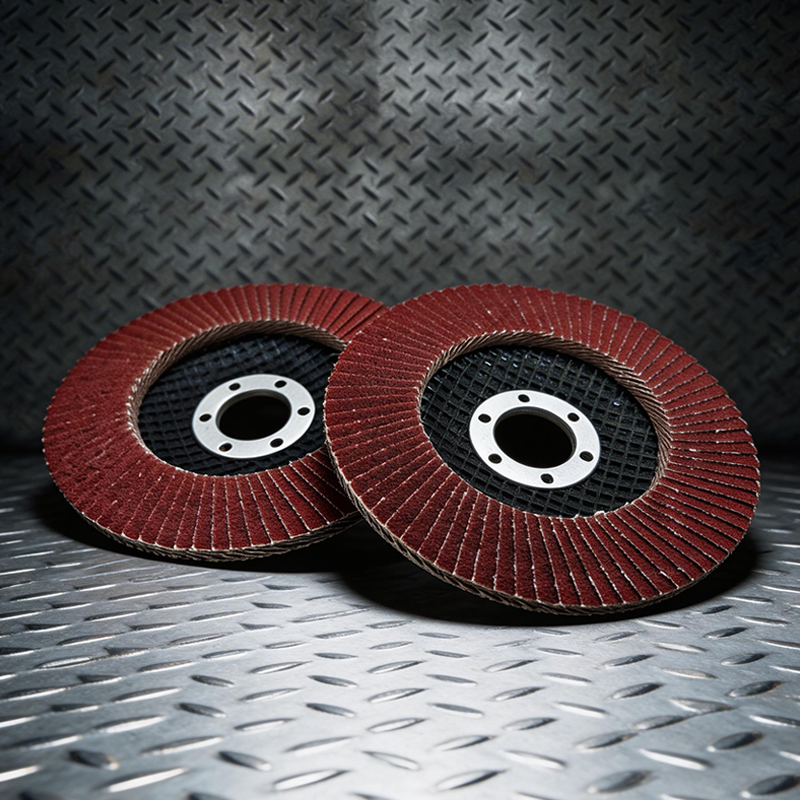
Flap Discs for Angle Grinders: Essential Guide

Get a Free Quote

Our representative will contact you soon.
Email
Mobile/WhatsApp
Name
Company Name
Country
Customer Type
Estimated Order Quantity
MOQ and Free Sample Policy
Message
0/1000

flap disc for angle grinder

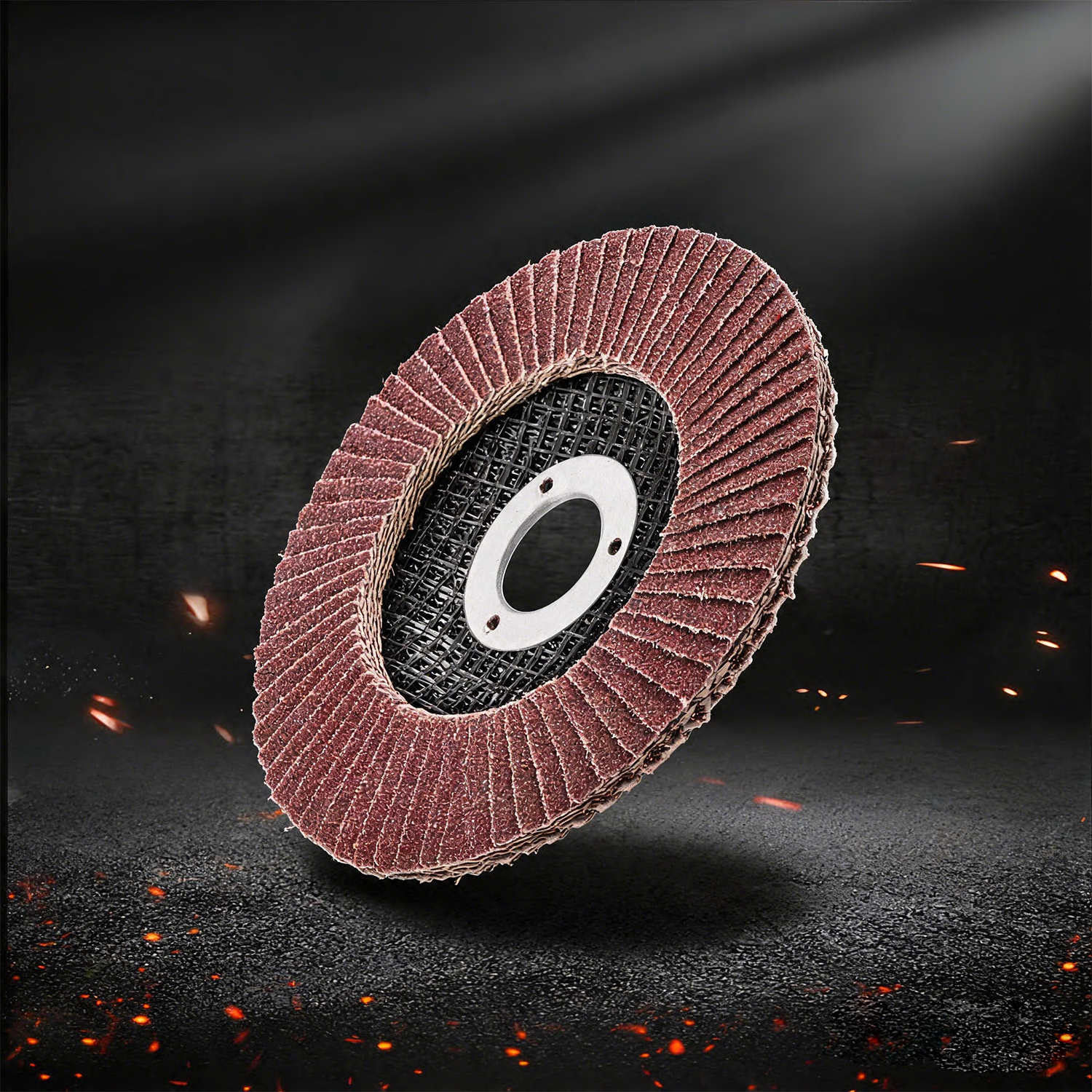
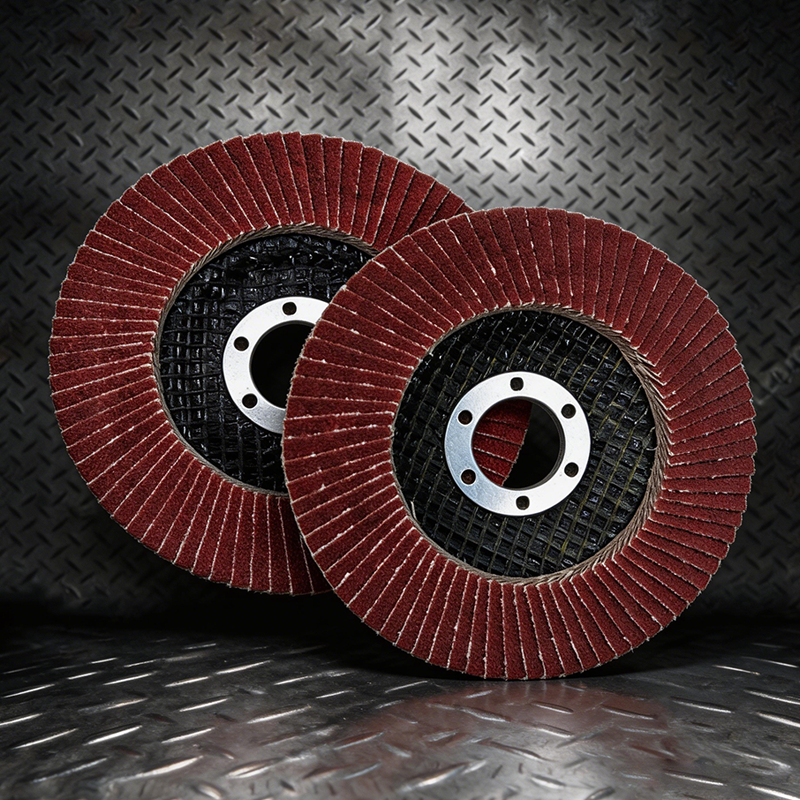
Flap discs for angle grinders are essential tools in various industrial applications, designed to provide efficient grinding, blending, and finishing. These versatile abrasive tools allow users to achieve high performance while working with different materials, such as metal and wood. B2B buyers, including purchasing managers and engineers, often seek durable and effective flap discs that meet specific project requirements. This article will help you understand the key specifications, evaluate quality, explore applications, and address common issues, enabling you to make informed purchasing decisions.

Key Specifications to Consider for Flap Discs and Angle Grinders

When selecting flap discs for angle grinders, several specifications are pivotal. Understanding these will ensure you choose the right product for your application.

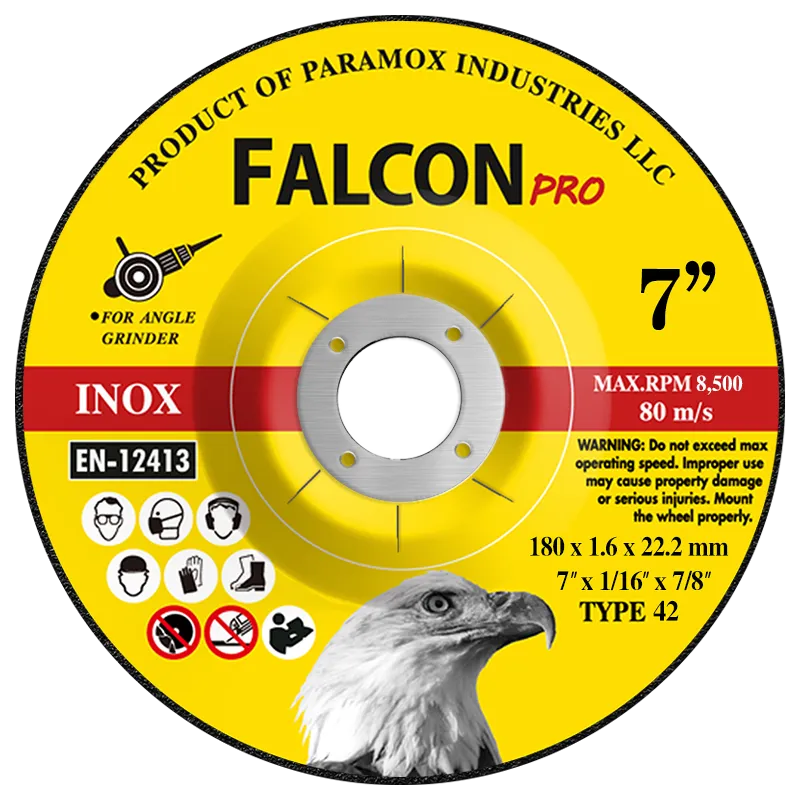
Material Composition: Flap discs are typically made from aluminum oxide, zirconia, or ceramic. Aluminum oxide is suitable for general-purpose grinding, while zirconia is ideal for tougher applications due to its durability. Ceramic discs are the best choice for high-performance grinding, especially on hard metals. For those specifically working with stainless steel, consider using a Grinding Disc for Inox/stainless steel.

Grit Size: The grit size indicates the coarseness of the disc. A larger grit number (e.g., 120) is finer and suitable for finishing work, while a lower number (e.g., 36) is coarser and used for heavy material removal. Buyers should assess the grit size based on the desired finish and material type.

Disc Diameter: Common flap disc diameters include 4.5, 5, and 7 inches. The size of the disc affects the surface area covered and the speed of grinding. Ensure that the disc diameter is compatible with your angle grinder.

Back Plate Type: Flap discs can feature different back plate styles, such as flat, conical, or tapered. The choice depends on the application; for instance, conical discs are advantageous for contouring and in hard-to-reach areas.

Operating Speed: Each flap disc has a maximum RPM (revolutions per minute) rating. It's crucial to select a disc that matches or exceeds the RPM rating of your angle grinder to prevent accidents.

Frequently Asked Questions

What materials are these flap discs best for?

Our flap discs are optimized for stainless steel, mild steel, cast iron, and various alloys, offering fast stock removal and smooth finishing in industrial metalworking.
We offer a range of grits from coarse (40–60) for heavy removal to fine (120–240) for finishing, enabling versatility across grinding and blending tasks.
Discs are available in common diameters (e.g., 4.5", 5", 7") and standard arbor sizes; check product specifications to match your grinder model.
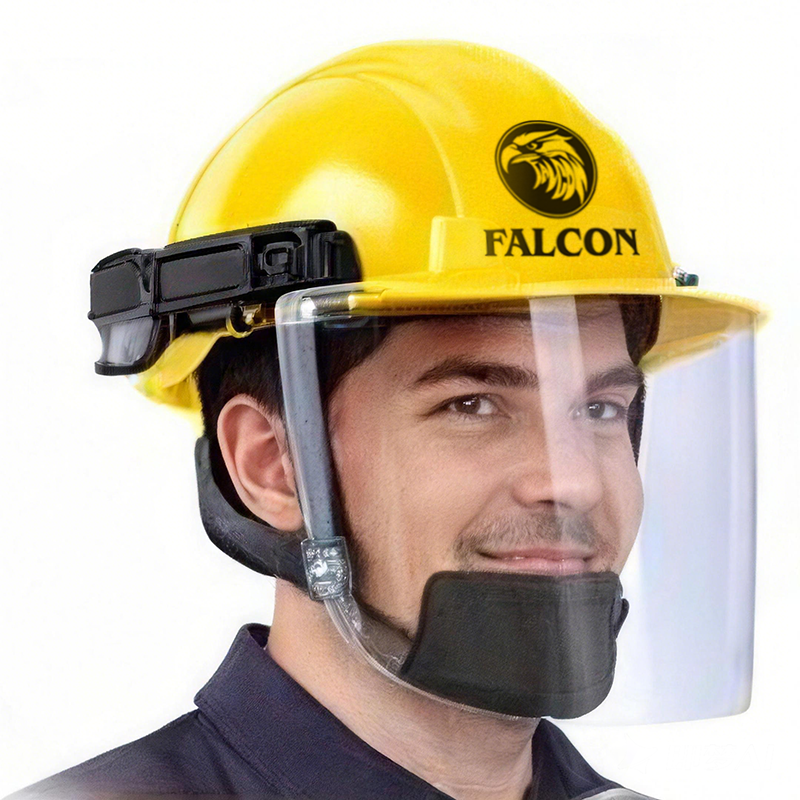
Manufactured with advanced abrasive bonds and reinforced backing, they provide consistent wear life and reduced vibration. Use with proper PPE and follow grinder speed ratings.
Yes. The layered abrasive design provides controlled material removal and an even finish, making them suitable for weld blending, deburring, and surface preparation.

Our Blog Posts

What types of flap discs are there?

14

Mar

What types of flap discs are there?

Flap discs are one of the most versatile abrasive tools used for grinding, blending, and finishing different materials. Commonly installed on angle grinders, flap discs are made with overlapping abrasive flaps attached to a backing plate. This unique...
View More
Notes on using a flap disc

25

Jun

Notes on using a flap disc

Flap discs are indeed helpful in metal finishing work. They are constructed using numerous layers of sandpaper fastened together, but in a fan shape. These discs are made to grind, polish and smooth metallic surfaces to make them shiny. These are use...
View More
How to Safely Use a Cut Off Wheel Without Breaking It

17

Sep

How to Safely Use a Cut Off Wheel Without Breaking It

Cut-off wheels provide efficient cutting for metal, tile, and other hard materials. However, improper operation can create serious safety risks. Following standard safety guidelines helps protect the operator while maintaining the integrity of the wh...
View More
Class E, G, C Hard Hats: Electrical Safety Ratings

22

Jul

Class E, G, C Hard Hats: Electrical Safety Ratings

Hard hats are really important to keep workers safe, specially in places where things can fall on head or there is electrical danger. At Falcon Global, we understand that picking the correct Hard Hat make big difference. There is Class E, G, and C ha...
View More

Get a Free Quote

Our representative will contact you soon.
Email
Mobile/WhatsApp
Name
Company Name
Country
Customer Type
Estimated Order Quantity
MOQ and Free Sample Policy
Message
0/1000

Related product categories

Evaluating the Quality of Flap Discs for Optimal Grinding Performance

Evaluating the Quality of Flap Discs for Optimal Grinding Performance

Quality evaluation of flap discs is essential for ensuring optimal performance and safety. Here are key factors to consider:

Manufacturing Standards: Look for manufacturers that adhere to industry standards and quality certifications. This can include ISO certifications, which indicate robust quality control processes.

Material Durability: Assess the quality of the abrasive material. Higher-grade materials, like premium zirconia or ceramic, provide longer life and better performance. If you're looking for options that include metal cutting, Grinding Discs for Metal could be a great addition to your toolkit.

Consistency: The uniformity of the flap thickness and alignment significantly influences the grinding efficiency. Discs with consistently arranged flaps ensure even wear and a better surface finish.

User Feedback: Reviews and testimonials provide insight into the product’s performance in real-world applications. Engaging with existing users can help gauge reliability and effectiveness.

Sample Testing: Before committing to a bulk purchase, request samples to test under actual working conditions. This allows you to evaluate performance, durability, and compatibility with your tools.

A Step-by-Step Guide

A Step-by-Step Guide

Choosing and using flap discs effectively involves several steps:

Define Your Application: Determine the material you will be working with and the finish required. This will guide your selection of material type, grit size, and disc shape.

Select the Right Flap Disc: Based on your application and the specifications mentioned earlier, choose a flap disc that best fits your needs. Consider factors such as compatibility with your angle grinder and the desired outcome.

Inspect Before Use: Check the flap disc for any visible defects or damage before installation. Ensuring the disc is in good condition is crucial for safety and performance.

Proper Installation: Follow the manufacturer’s instructions for installing the flap disc onto the angle grinder. Ensure it is securely attached to prevent any accidents during operation.

Usage Considerations: Use the flap disc at the recommended RPM and apply consistent pressure without forcing the tool. This promotes even wear and prolongs the life of the disc.

Maintenance: Regularly inspect the disc for wear and replace it as necessary. Also, clean the grinder and check for any potential issues that could affect performance.

Applications of Flap Discs in Various Industrial Settings

Applications of Flap Discs in Various Industrial Settings

Flap discs find utility across a wide range of industrial applications:

Metal Fabrication: In metalworking, flap discs are extensively used for grinding weld seams, removing rust, and preparing surfaces for painting or coating.

Woodworking: These discs are ideal for sanding wood surfaces, blending joints, and finishing edges, providing a smooth surface without damaging the material.

Construction: In construction, flap discs help in the removal of paint, coatings, and imperfections from concrete and masonry surfaces.

Automotive Industry: Flap discs are used for bodywork, including shaping, smoothing, and finishing metal parts, ensuring high-quality results for automotive applications.

Aerospace: The aerospace sector often employs flap discs for precision grinding and finishing of components, where material integrity and surface quality are paramount.

Common Problems with Flap Discs and Effective Solutions for Users

Users may encounter several common issues when using flap discs, and understanding these can enhance operational efficiency:

Disc Wear: Rapid wear can occur due to excessive pressure or incorrect grit selection. Users should ensure they are using the right grit for the task and apply moderate, consistent pressure.

Overheating: Overheating can lead to reduced effectiveness and potential damage to the workpiece. To mitigate this, use appropriate RPM settings and allow the tool to cool down between uses.

Loading: Material build-up on the disc can hinder performance. Regularly cleaning the disc and selecting the right material type for the job can help prevent loading.

Vibration: Excessive vibration may indicate an improperly mounted or damaged disc. Always inspect discs before use and ensure they are mounted securely.

Incompatibility: Using a flap disc that does not match the grinder’s specifications can lead to inefficiency and safety risks. Confirm compatibility regarding size, RPM, and back plate type before purchasing.

By addressing these issues proactively, users can maximize the performance and lifespan of their flap discs, ensuring a safer and more productive work environment.

Get a Free Quote

Our representative will contact you soon.
Email
Mobile/WhatsApp
Name
Company Name
Country
Customer Type
Estimated Order Quantity
MOQ and Free Sample Policy
Message
0/1000