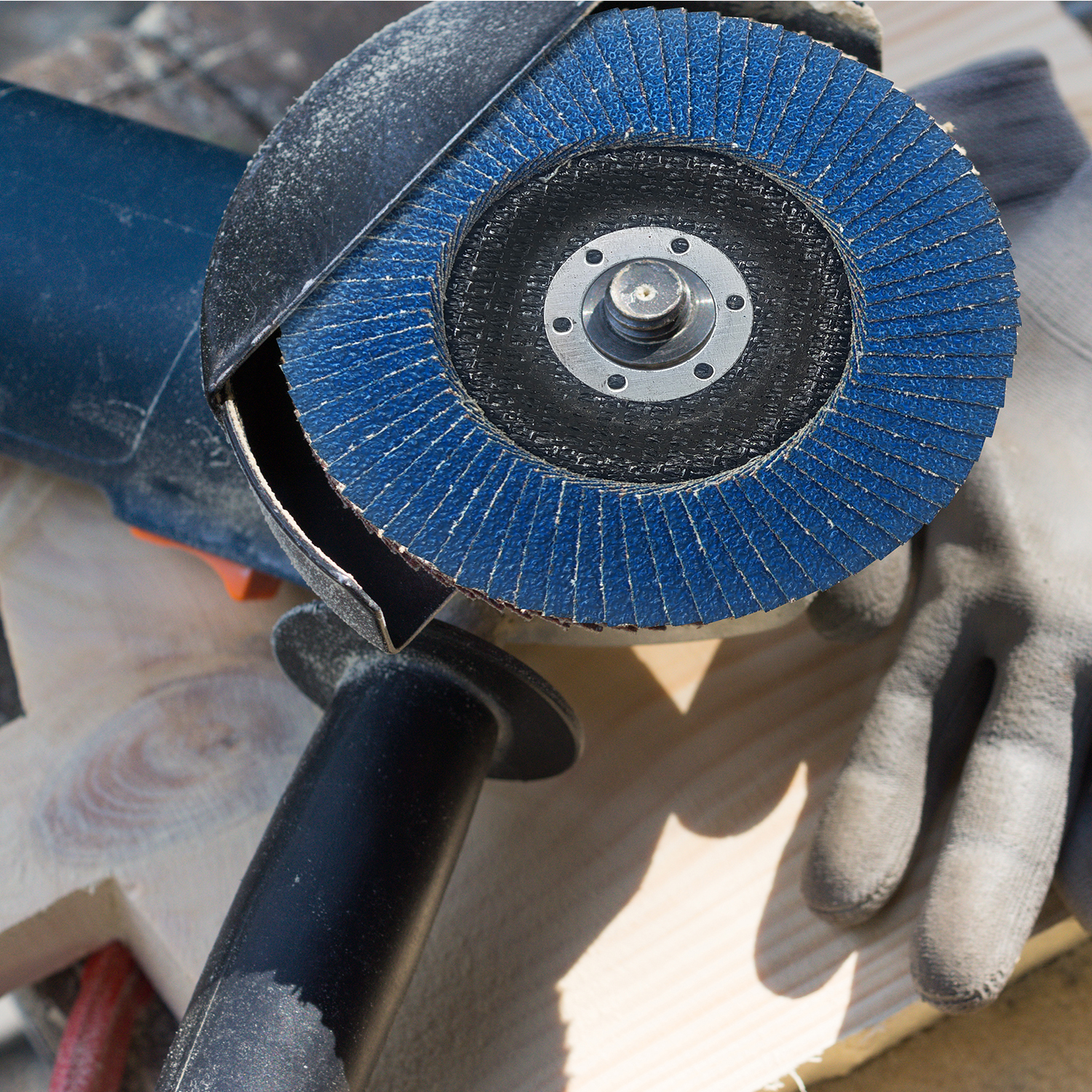
Essential Guide to 60 Grit Flap Discs

Get a Free Quote

Our representative will contact you soon.
Email
Mobile/WhatsApp
Name
Company Name
Country
Customer Type
Estimated Order Quantity
MOQ and Free Sample Policy
Message
0/1000

60 grit flap disc

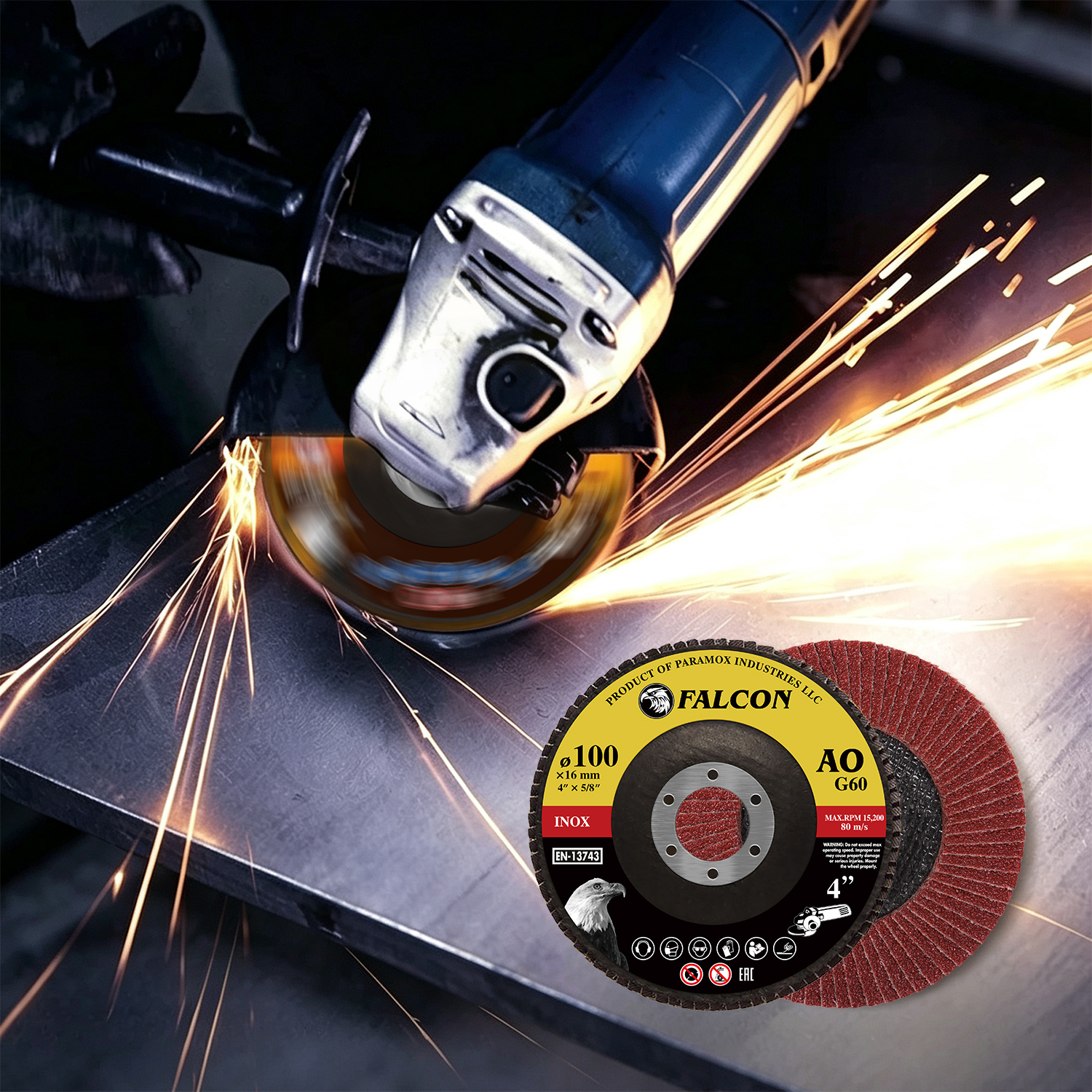
60 grit flap discs are essential tools in the industrial sector, designed for grinding, blending, and finishing a variety of materials, including metals and composites. As a B2B buyer, it's crucial to understand the specifications, applications, and cost factors associated with these products to make informed purchasing decisions. This article will guide you through the key aspects of 60 grit flap discs, helping you evaluate suppliers, understand product specifications, and address common challenges.
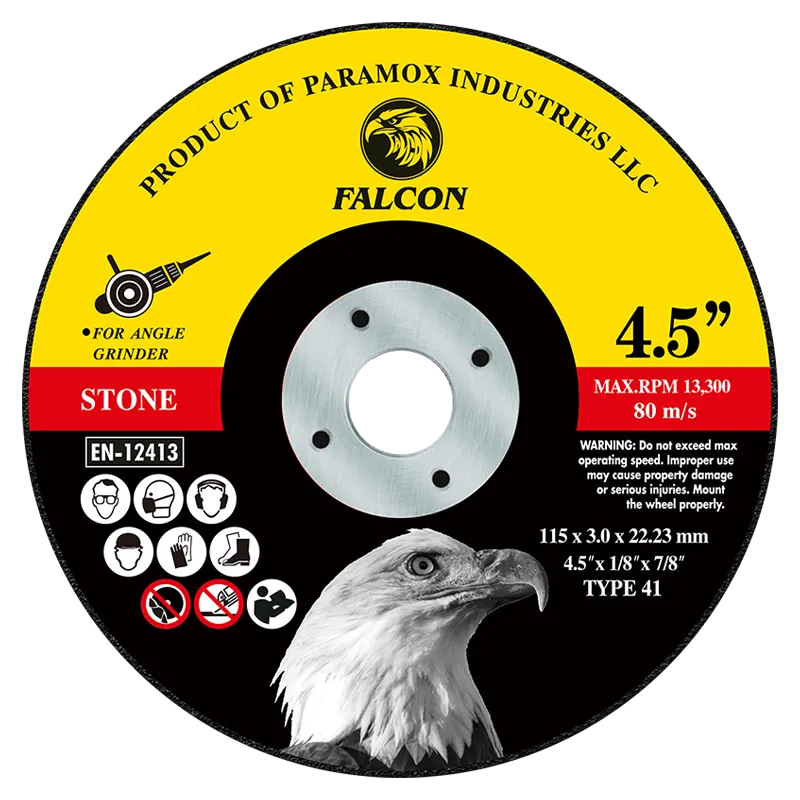
Where to Find Reliable Suppliers for 60 Grit Flap Discs

Finding a reliable supplier for 60 grit flap discs is vital for maintaining quality in your manufacturing process. Start by looking for manufacturers with established reputations in the abrasive tools market, such as FALCON GLOBAL / TOOLS SAFETY, which specializes in high-performance abrasive tools. Evaluate potential suppliers based on their manufacturing capabilities, product range, and customer reviews.

Additionally, consider suppliers that offer customization options, allowing you to tailor products to your specific applications. Industry trade shows, online marketplaces, and professional networks are excellent resources for identifying reputable suppliers. Always request product samples and verify their quality through hands-on testing before placing larger orders.

Frequently Asked Questions

What is a 60 grit flap disc used for?

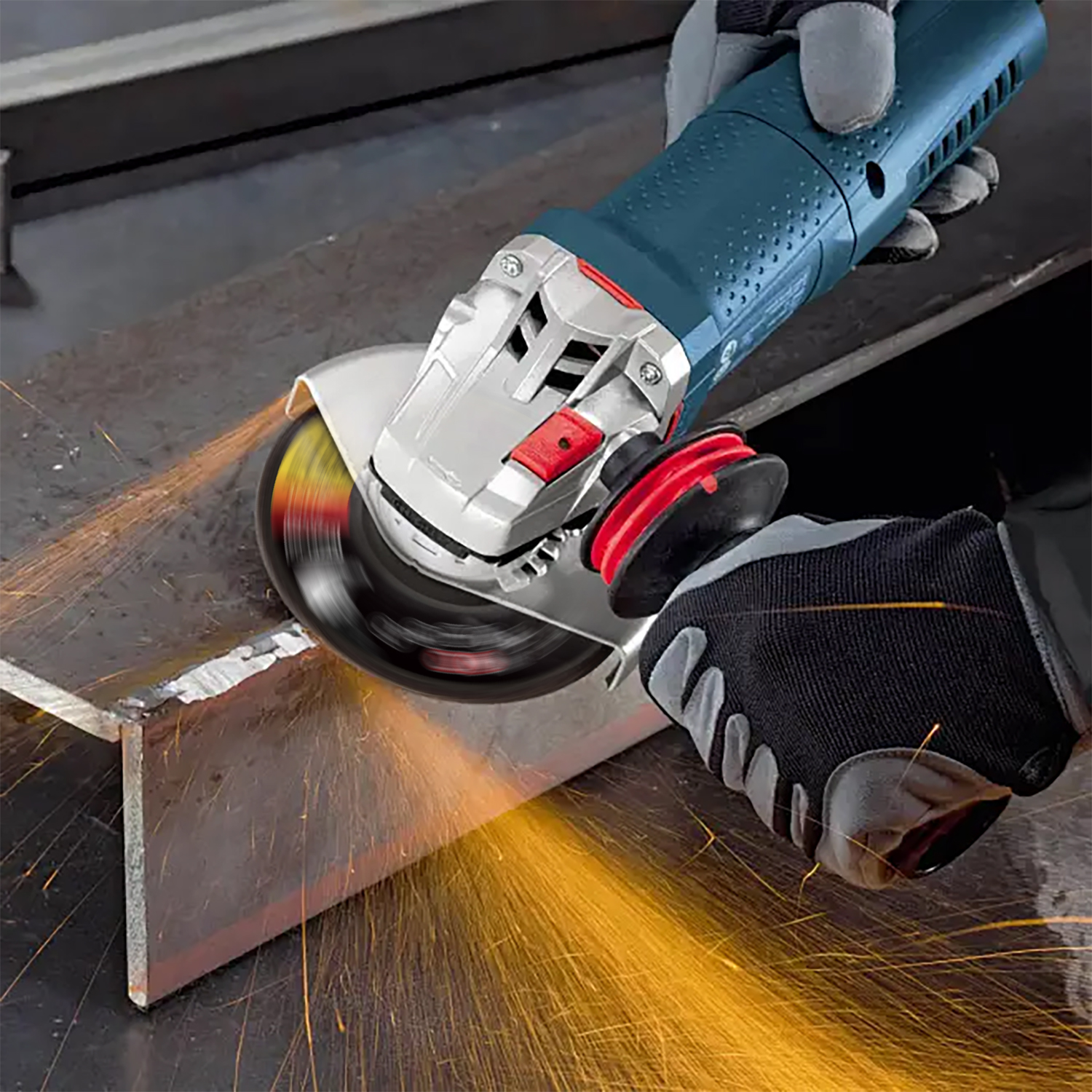
A 60 grit flap disc is for medium to coarse grinding, blending welds, removing rust and paint, and shaping metal surfaces efficiently in industrial applications.
It works on carbon steel, stainless steel, aluminum and other metals, providing balanced stock removal and surface finish for diverse industrial uses.
Available in common diameters and various arbor hole sizes; contact us for specific dimensions to match your angle grinder or spindle.
Longevity depends on application, pressure, speed and material; our advanced manufacturing delivers consistent life and faster stock removal than conventional discs.
Wear protective clothing, gloves, eye and ear protection, secure the workpiece, follow grinder speed limits, and inspect the disc before use for damage.

Our Blog Posts

Can a Masonry Cut Off Wheel Cut Metal?

19

Sep

Can a Masonry Cut Off Wheel Cut Metal?

When selecting an abrasive cutting wheel, it is important to choose a product that is suitable for the material and application. Masonry cut-off wheels are mainly designed for cutting masonry materials such as brick, concrete, stone, and other simila...
View More
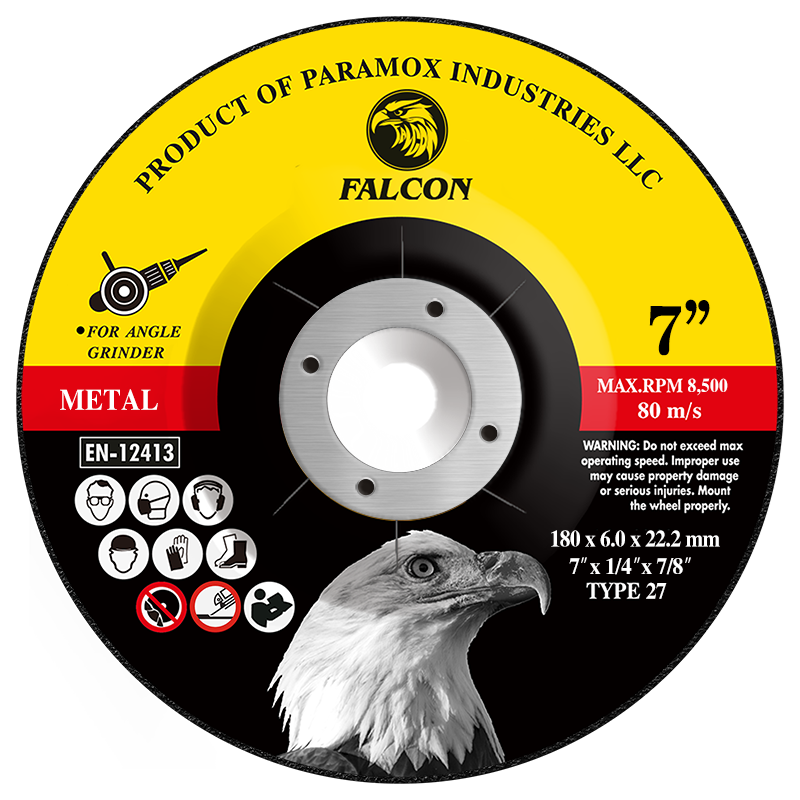
How to Choose Between Cut Off Wheels and Grinding Wheels

14

May

How to Choose Between Cut Off Wheels and Grinding Wheels

Choosing between cut-off wheels and grinding wheels can be confusing in the begining, but once you understand their differences it will helps you pick the right one for your project. Cut-off wheels they are thin and made to slice materials like metal...
View More
Do hard hats expire?

29

Sep

Do hard hats expire?

Hard hats are really important to keep workers safe on construction sites and other places. They protect head from falling things, bumps, and other dangers that happen during work. But many people ask, do hard hats expire? Its good question because&n...
View More
Class E, G, C Hard Hats: Electrical Safety Ratings

22

Jul

Class E, G, C Hard Hats: Electrical Safety Ratings

Hard hats are really important to keep workers safe, specially in places where things can fall on head or there is electrical danger. At Falcon Global, we understand that picking the correct Hard Hat make big difference. There is Class E, G, and C ha...
View More

Get a Free Quote

Our representative will contact you soon.
Email
Mobile/WhatsApp
Name
Company Name
Country
Customer Type
Estimated Order Quantity
MOQ and Free Sample Policy
Message
0/1000

Related product categories

Specifications You Need to Know for 60 Grit Flap Discs

Specifications You Need to Know for 60 Grit Flap Discs

When selecting 60 grit flap discs, several specifications are critical to ensure they meet your operational needs.

Material Composition: Flap discs are typically made from aluminum oxide or zirconia, each offering different performance characteristics. Aluminum oxide is ideal for general-purpose grinding, while zirconia is more durable and suited for heavy-duty applications.

Dimensions: Common sizes include 4.5”, 5”, and 7” diameters. Ensure the disc size matches your tool’s specifications for optimal performance.

Backer Plate Type: The backer plate can be rigid or flexible, affecting the disc’s performance on different surfaces. Rigid plates provide stability, while flexible plates conform to uneven surfaces.

Operating Speed: Each flap disc has a maximum RPM rating that must not be exceeded to avoid safety hazards. Confirm that the disc's rating aligns with your grinder's capabilities.

Understanding these specifications will help you choose the right flap disc for your applications, ensuring efficiency and safety during use.

Cost Factors to Consider When Purchasing 60 Grit Flap Discs Wholesale

Cost Factors to Consider When Purchasing 60 Grit Flap Discs Wholesale

When purchasing 60 grit flap discs wholesale, several cost factors come into play:

Material Quality: Higher-quality materials may have a higher upfront cost but can provide better durability and performance, reducing long-term expenses.

Volume Discounts: Many suppliers offer bulk pricing. The more you purchase, the lower the cost per unit, which can significantly affect your budget.

Customization Fees: If you require specific dimensions or features, customization may incur additional costs. Discuss these fees upfront to avoid surprises.

Shipping and Handling: Factor in shipping costs, especially if sourcing from international suppliers. Evaluate their logistics capabilities to ensure timely delivery.

Supplier Reputation: Established suppliers may charge higher prices due to their reputation for quality and reliability. Consider the total cost of ownership, including potential reorders and downtime, when assessing supplier options.

By carefully evaluating these factors, you can optimize your purchasing strategy to balance quality and cost.

Common Problems with 60 Grit Flap Discs and Their Solutions

Common Problems with 60 Grit Flap Discs and Their Solutions

Despite their advantages, 60 grit flap discs can present some common challenges. Here are issues to watch for, along with recommended solutions:

Excessive Wear: If discs wear out quickly, it may indicate that the material is not suited to your application. Ensure you are using the right type of flap disc for the material being worked on and consider switching to a more durable option like zirconia for tougher materials.

Discoloration and Burn Marks: This often results from improper speed settings or excessive pressure. Adjusting your grinder's RPM and reducing pressure during use can help prevent these issues.

Loose Flaps: If the flaps begin to loosen, it may indicate that the discs were not properly secured during installation. Always follow the manufacturer's installation guidelines and double-check the fit before starting work.

Inconsistent Finish: An inconsistent finish can arise from using worn-out discs or incorrect grit selection. Regularly inspect your discs for wear and ensure that the grit level is appropriate for the desired finish.

By proactively addressing these common problems, you can enhance productivity and maintain high-quality results in your projects.

Installation Guidance for 60 Grit Flap Discs in Various Tools

Proper installation of 60 grit flap discs is essential for safe and effective operation. Here's a step-by-step guide:

Select the Right Tool: Ensure that the flap disc is compatible with your grinder type, whether it's a right-angle grinder or another tool.

Safety Gear: Always wear appropriate safety gear, including goggles and gloves, to protect yourself during installation and use.

Check the Spindle: Before installing a flap disc, inspect the spindle for any damage or debris. Clean it as necessary to ensure a secure fit.

Mounting the Disc: Place the flap disc onto the spindle and tighten it according to the manufacturer's instructions. Ensure it is secure but avoid overtightening, which can damage the disc.

Test Run: Before engaging in heavy work, run the grinder briefly to ensure that the disc is mounted correctly and operates smoothly without vibration.

Following these guidelines will help ensure that your flap discs are installed safely and function effectively, preventing accidents and enhancing performance.

Get a Free Quote

Our representative will contact you soon.
Email
Mobile/WhatsApp
Name
Company Name
Country
Customer Type
Estimated Order Quantity
MOQ and Free Sample Policy
Message
0/1000