High-Performance Flap Discs for Industrial Applications

Get a Free Quote

Our representative will contact you soon.
Email
Mobile/WhatsApp
Name
Company Name
Country
Customer Type
Estimated Order Quantity
MOQ and Free Sample Policy
Message
0/1000

flap disc

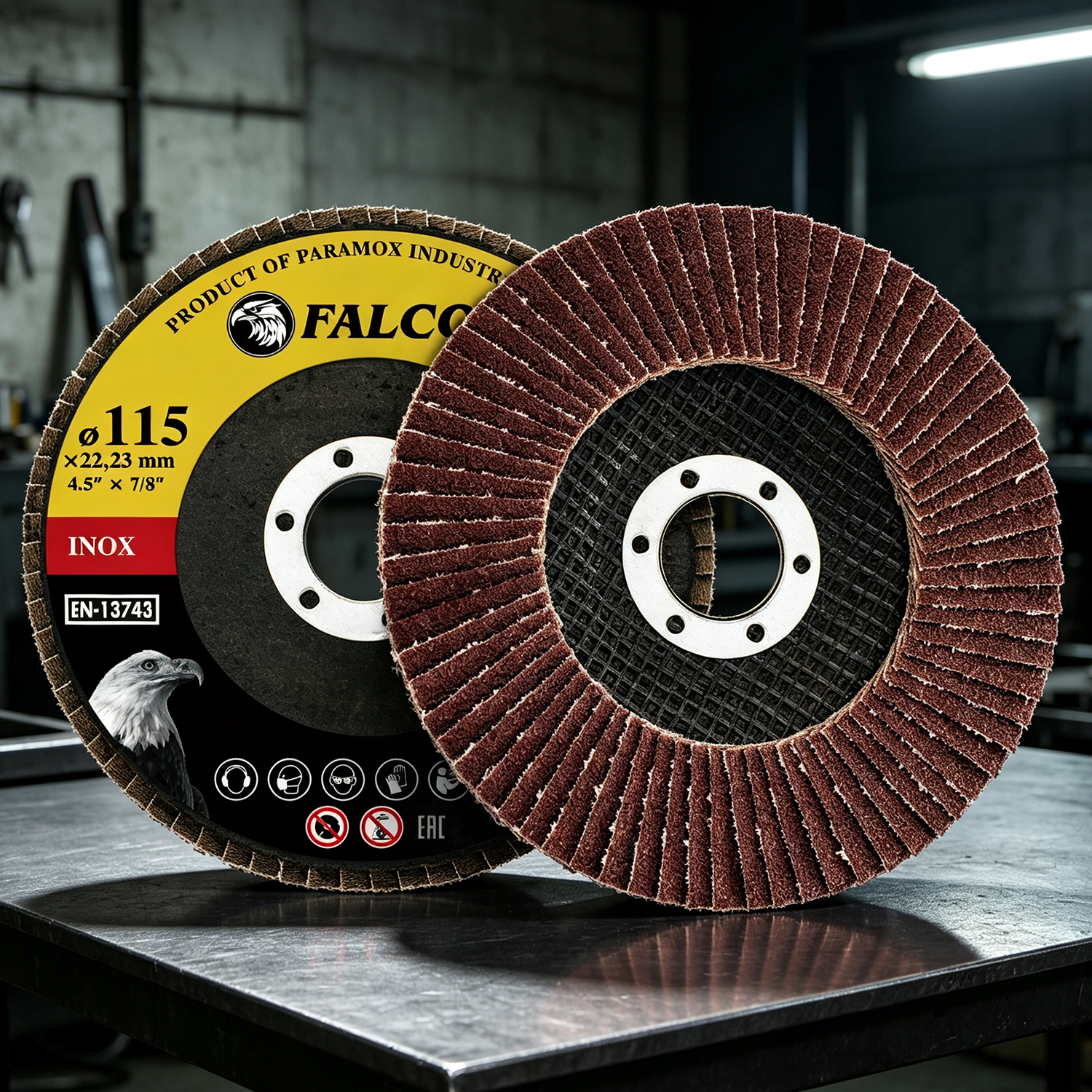
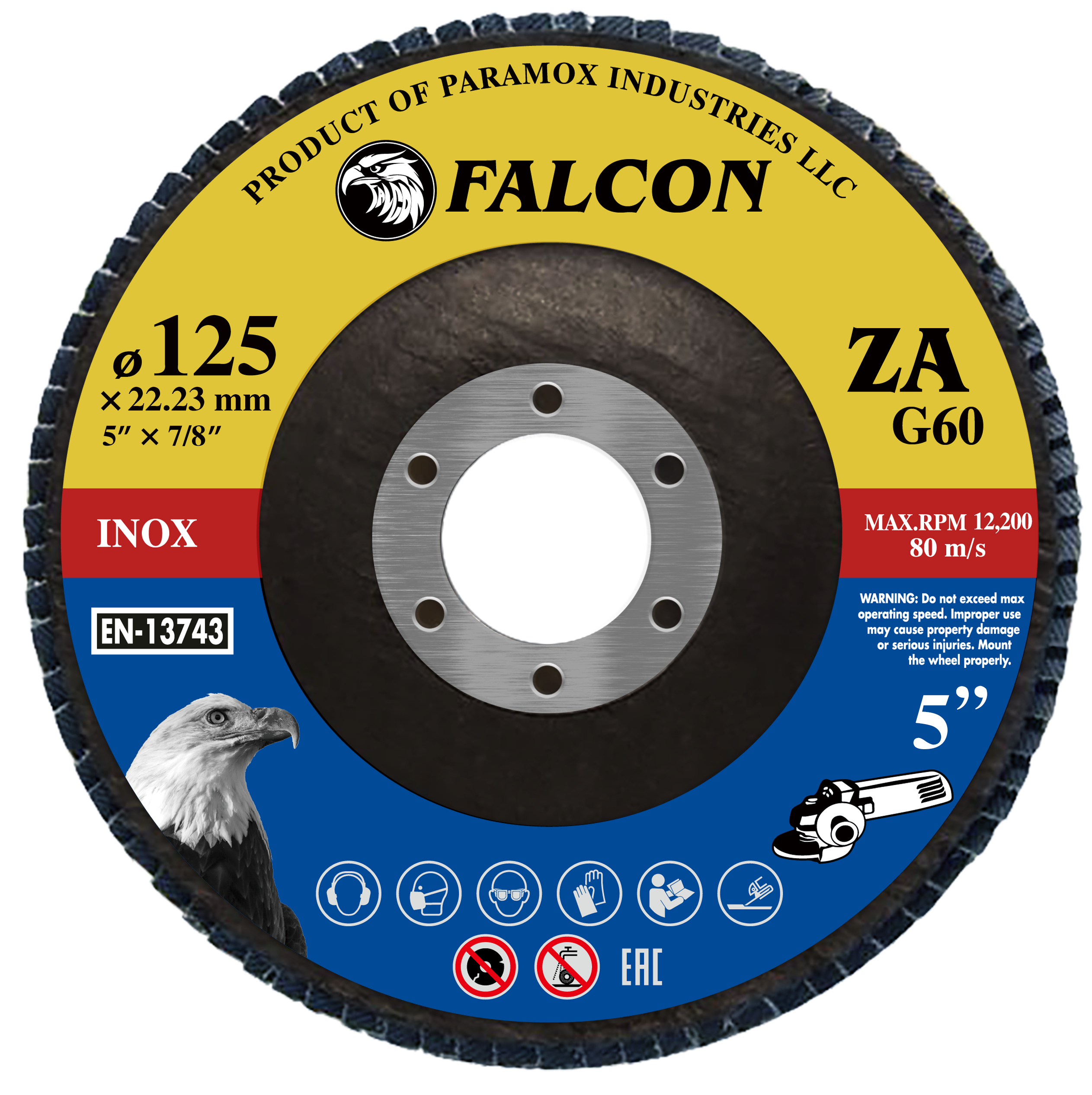
Flap discs are versatile abrasive tools widely used in manufacturing and industrial applications for grinding, blending, and finishing surfaces. Understanding the key specifications, material advantages, and best practices for flap discs is essential for purchasing managers and contractors who seek optimal performance. This article will address critical aspects of flap discs, helping buyers make informed decisions regarding specifications, quality, and supplier evaluation.
Key Specifications for High-Performance Flap Discs in Manufacturing

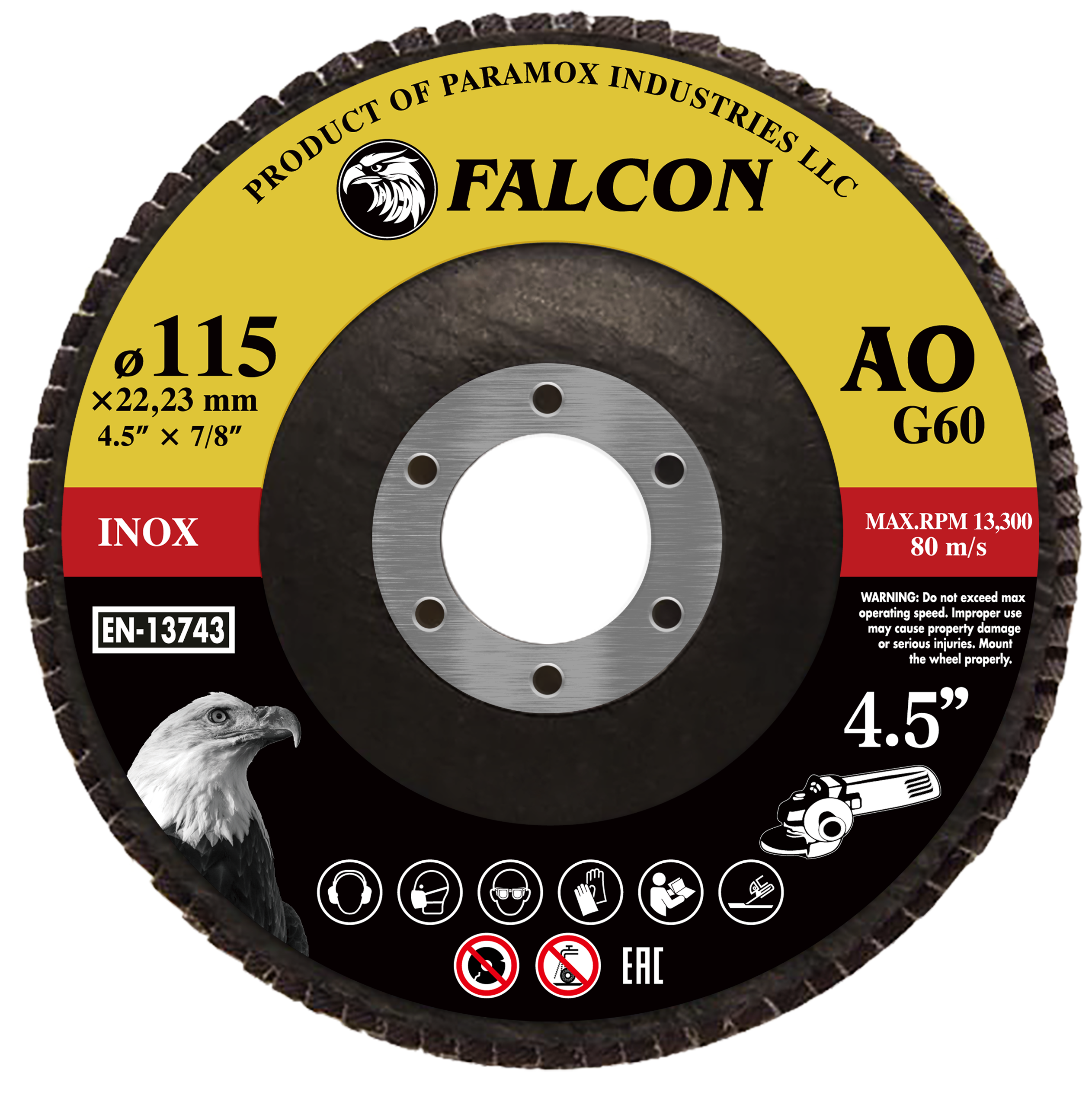
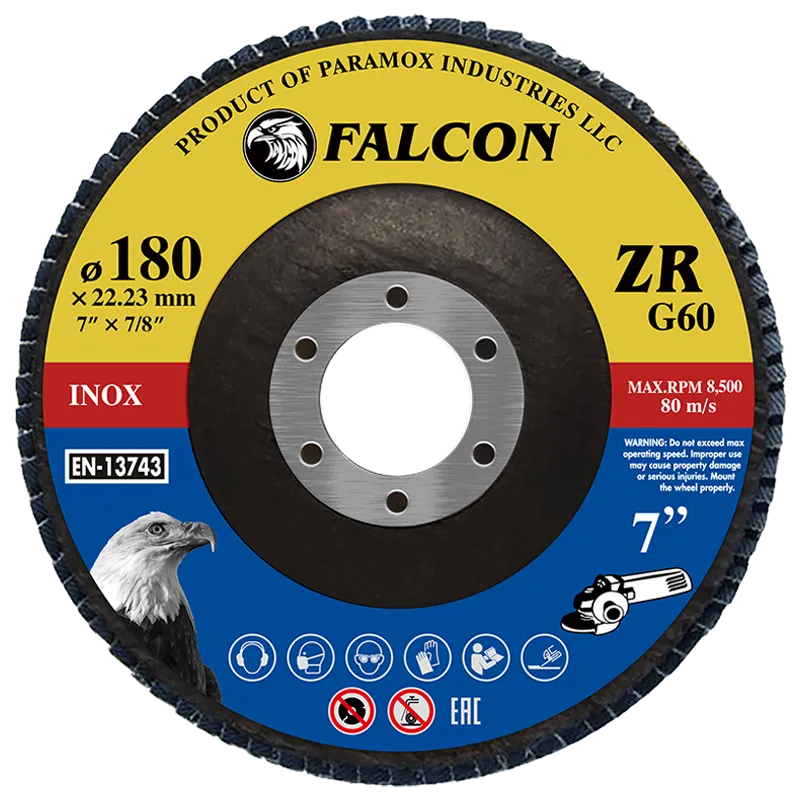
When selecting flap discs, several specifications are crucial for ensuring performance and compatibility with various applications. Key specifications to consider include:

Material Composition: Flap discs are typically made from zirconia, aluminum oxide, or ceramic materials. Zirconia is ideal for stainless steel and high-pressure applications, while aluminum oxide is suitable for softer metals and wood. The choice of material directly impacts durability and cutting speed. For example, you might consider our Grinding Disc for Inox/stainless steel for your stainless steel applications.

Grit Size: The grit size determines the aggressiveness of the flap disc. Coarse grits (e.g., 24-60) are best for heavy material removal, while finer grits (e.g., 80-120) are suited for finishing tasks. Consider the intended application to select the right grit size.

Disc Diameter: Common sizes range from 4.5 inches to 7 inches. The disc diameter should match the equipment being used, as using an oversized disc can lead to safety hazards and reduced efficiency.

Backing Material: The backing of a flap disc can be made from fiberglass, plastic, or metal. Fiberglass backings are lightweight and reduce vibration, while metal backings provide increased stability for heavy-duty tasks.

Operating Speed: Each flap disc has a maximum RPM rating, which should not be exceeded to avoid breakage and ensure safety during operation. Verify that the operating speed aligns with the equipment specifications.

Understanding these specifications helps buyers select the right flap disc for their specific manufacturing needs, ensuring optimal performance and safety.

Frequently Asked Questions

What is a flap disc used for?

A flap disc is used for grinding, blending, and finishing metal surfaces. It removes material, smooths welds, deburrs edges, and prepares surfaces for painting or coating in industrial applications.
Flap discs come in a range of grits from coarse (24–40) for heavy stock removal to medium (60–80) and fine (100–240) for finishing and polishing.
Flap discs work on steel, stainless steel, aluminum, and other non-ferrous metals. Choose disc composition and grit suitable for the specific metal to avoid clogging or overheating.
Select grit based on removal vs finish needs, choose appropriate abrasive type for the metal, and match disc size and backing to your grinder’s RPM rating for safety and performance.
Yes. Our flap discs are manufactured to safety standards and balanced for high-speed use. Always follow grinder RPM limits, wear protective gear, and inspect discs for damage before use.

Our Blog Posts

Industrial Flap Discs: Quality Standards for Heavy-Duty Applications

10

Apr

Industrial Flap Discs: Quality Standards for Heavy-Duty Applications

Industrial flap discs play a critical role in heavy-duty metal fabrication, manufacturing, and surface preparation industries. Designed for grinding, blending, deburring, and finishing operations, high-quality flap discs provide consistent performanc...
View More
Flap Disc Grit Chart for Rust and Paint Removal

28

Apr

Flap Disc Grit Chart for Rust and Paint Removal

Rust, paint, and surface imperfections are common challenges in metalworking, repair, and maintenance projects. Removing these contaminants effectively requires more than just a powerful grinder — choosing the right abrasive tool and grit size ...
View More
Do hard hats expire?

29

Sep

Do hard hats expire?

Hard hats are really important to keep workers safe on construction sites and other places. They protect head from falling things, bumps, and other dangers that happen during work. But many people ask, do hard hats expire? Its good question because&n...
View More
How to Properly Wear and Fit a Hard Hat

11

Jul

How to Properly Wear and Fit a Hard Hat

Wearing hard hat is important for safety in many work places, specially construction or manufacturing. It protect your head from falling things, bumps and other dangers. At Falcon Global, we know that wearing it correct is just as important as having...
View More

Get a Free Quote

Our representative will contact you soon.
Email
Mobile/WhatsApp
Name
Company Name
Country
Customer Type
Estimated Order Quantity
MOQ and Free Sample Policy
Message
0/1000

Related product categories

Understanding Material Advantages of Flap Discs in Industrial Applications

Understanding Material Advantages of Flap Discs in Industrial Applications

The choice of material for flap discs significantly affects their performance and suitability for various industrial applications. Here’s a breakdown of the most common materials used and their advantages:

Zirconia: Known for its toughness and resistance to wear, zirconia flap discs are ideal for heavy-duty grinding and can withstand high-pressure applications. They are particularly effective for stainless steel and metal fabrication, providing longer life and better cut rates.

Aluminum Oxide: This is the most common abrasive material. Aluminum oxide flap discs are economical and versatile, suitable for general-purpose grinding on wood, metal, and plastic. They offer good performance for lower-intensity tasks and are available in various grit sizes.

Ceramic: Ceramic flap discs provide superior performance for heavy grinding applications and are excellent for high-speed operations. They deliver fast cutting rates and long-lasting durability, making them suitable for tough materials like stainless steel. If you're looking for specialized options, consider our Pro Cutting-off Discs for Stainless Steel.

Understanding the advantages of these materials allows buyers to choose flap discs tailored to their specific applications, enhancing productivity and reducing downtime.

Best Practices for Contractors

Best Practices for Contractors

For contractors seeking to maximize the efficiency and effectiveness of flap discs in their operations, adhering to best practices is essential:

Selecting the Right Grit and Material: Match the flap disc to the specific application. For example, use coarse grits for material removal and finer grits for finishing. The material should also correspond to the substrate being worked on.

Proper Equipment Compatibility: Ensure that the flap disc is compatible with the equipment being used, including angle grinders or sander models. Verify that the RPM rating of the tool aligns with the maximum RPM of the flap disc.

Testing Samples: Before committing to a large order, request samples of flap discs to test under actual working conditions. This helps confirm performance, durability, and suitability for the intended application.

Safety Practices: Always follow safety guidelines, including wearing appropriate personal protective equipment (PPE) and ensuring that the workspace is free from hazards. Inspect discs for damage before use and ensure they are properly mounted. Additionally, consider using Silicone Earplugs (FY-911) to protect your hearing during operations.

Implementing these best practices will enhance productivity, ensure safety, and prolong the lifespan of both the tools and flap discs used in various projects.

Common Problems with Flap Discs and Effective Solutions

Common Problems with Flap Discs and Effective Solutions

Despite their effectiveness, flap discs can encounter several common issues during use. Addressing these problems promptly can enhance performance and safety:

Disc Wear and Tear: Over time, flap discs may wear unevenly, leading to reduced effectiveness. Regularly inspect the discs and replace them when they show signs of significant wear or damage.

Heat Generation: Excessive heat can reduce the lifespan of a flap disc and affect the workpiece. To mitigate this, ensure proper feed rates and avoid excessive pressure during operation. Using cooling lubricants can also help.

Disc Breakage: Using a flap disc beyond its maximum RPM can lead to breakage, posing safety risks. Always check the specifications and ensure that the grinder speed is appropriate for the disc in use.

Poor Surface Finish: If the surface finish is unsatisfactory, it may indicate that the wrong grit size or material is being used. Reassess the flap disc’s specifications and adjust as necessary for the application.

By understanding these common issues and implementing effective solutions, contractors can enhance the performance and reliability of their flap discs, reducing downtime and improving overall project outcomes.

Evaluating Quality Control Standards for Flap Discs Suppliers

When selecting suppliers for flap discs, evaluating their quality control standards is paramount to ensure product consistency and reliability. Here are key factors to consider:

Manufacturing Processes: Investigate the manufacturing processes used by the supplier. Modern manufacturers typically employ rigorous quality control measures throughout production, including testing for material integrity and performance consistency.

Certifications and Compliance: Look for suppliers with relevant industry certifications that demonstrate adherence to quality standards. Certifications such as ISO 9001 indicate a commitment to maintaining high-quality processes and products.

Testing Procedures: Inquire about the testing procedures used by the supplier. Quality suppliers should conduct tests on abrasives to assess performance, lifespan, and safety. Request information on how they handle defects and complaints.

Customer Feedback and Reputation: Evaluate the supplier's reputation through customer feedback and industry reviews. Reliable suppliers often have a history of positive customer experiences and can provide references upon request.

Customization Capabilities: If your business requires specific flap disc configurations, ensure the supplier can accommodate customization requests without compromising quality.

By thoroughly evaluating these quality control standards, buyers can confidently select suppliers that align with their operational needs, ensuring reliable and high-performance flap discs for their applications.

Get a Free Quote

Our representative will contact you soon.
Email
Mobile/WhatsApp
Name
Company Name
Country
Customer Type
Estimated Order Quantity
MOQ and Free Sample Policy
Message
0/1000