EN

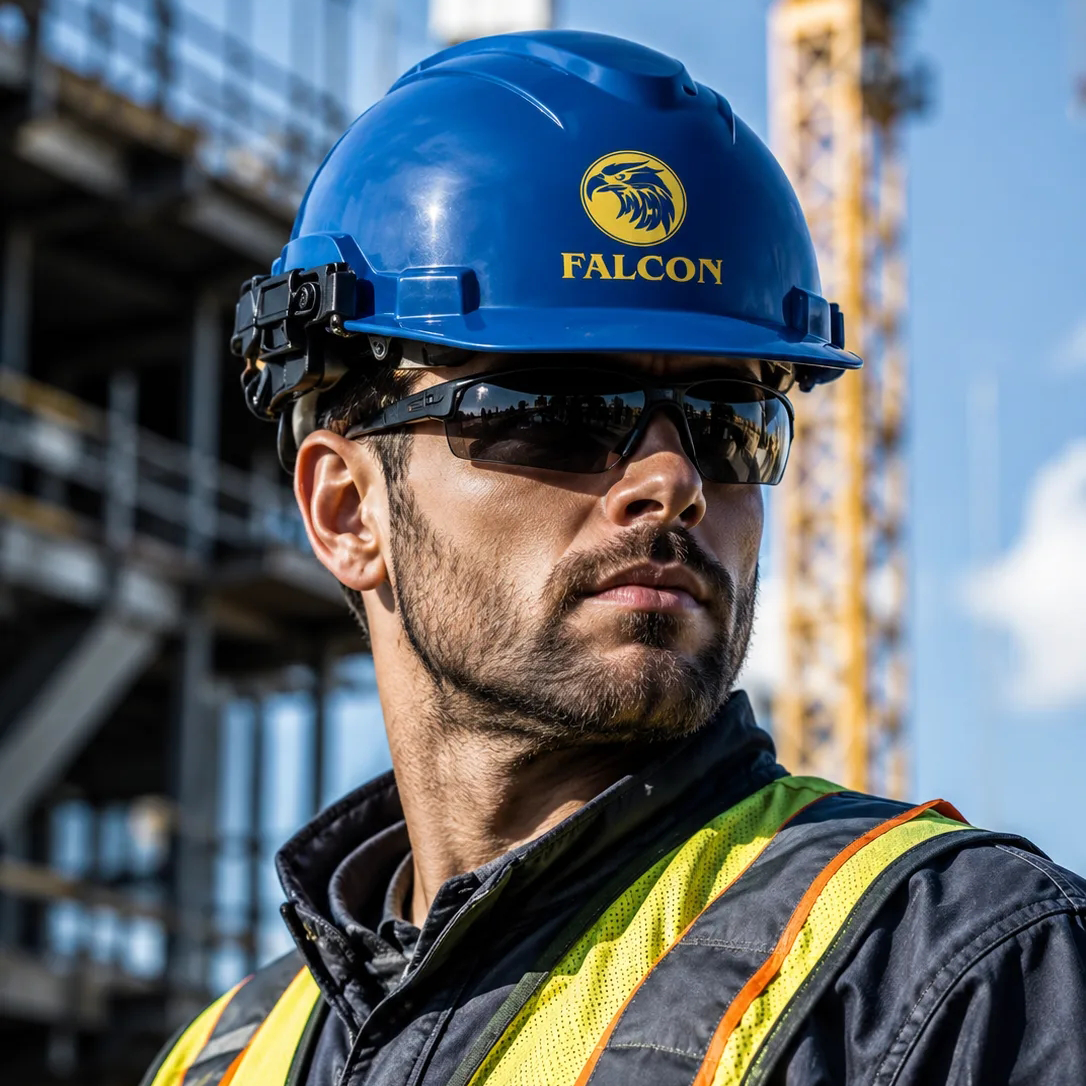
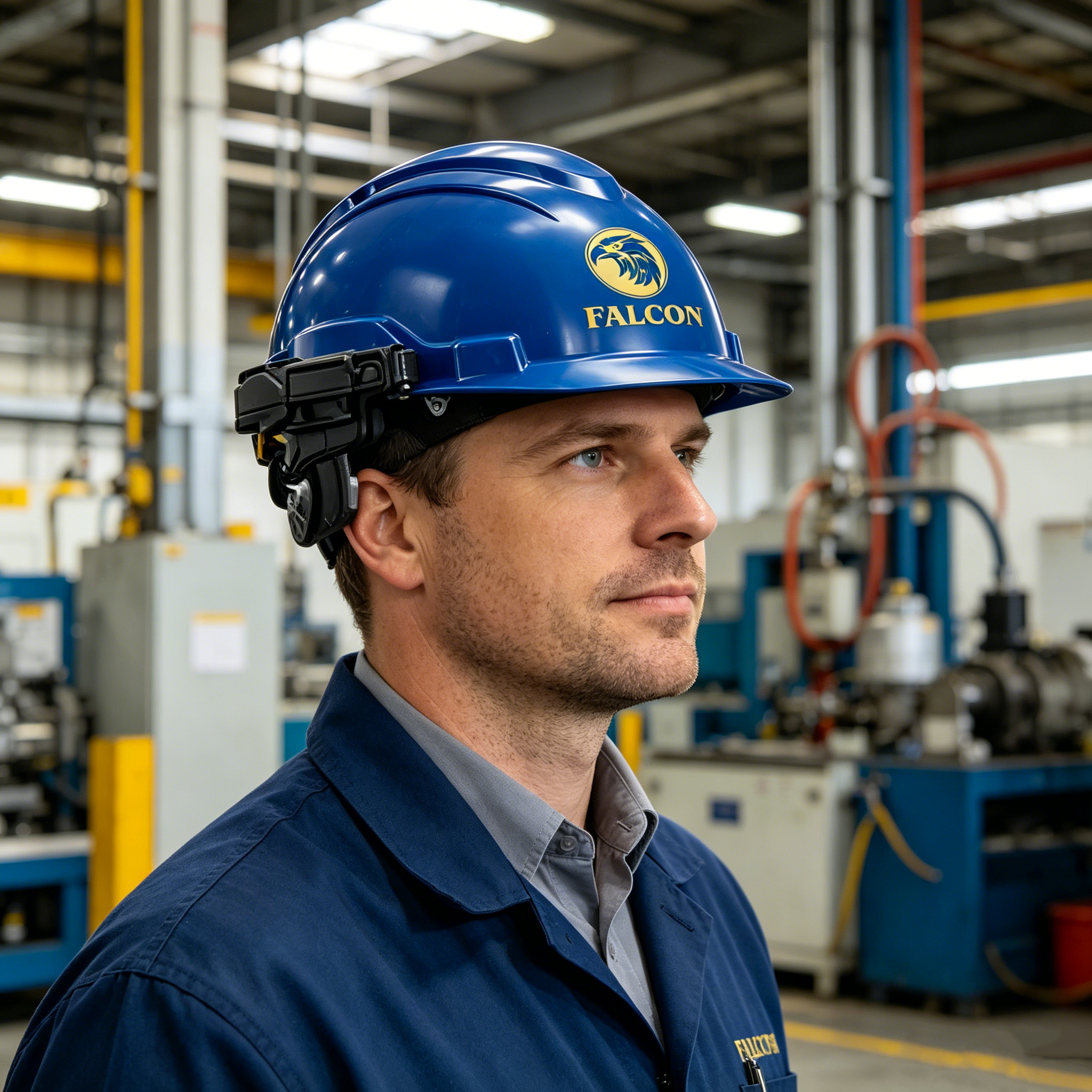
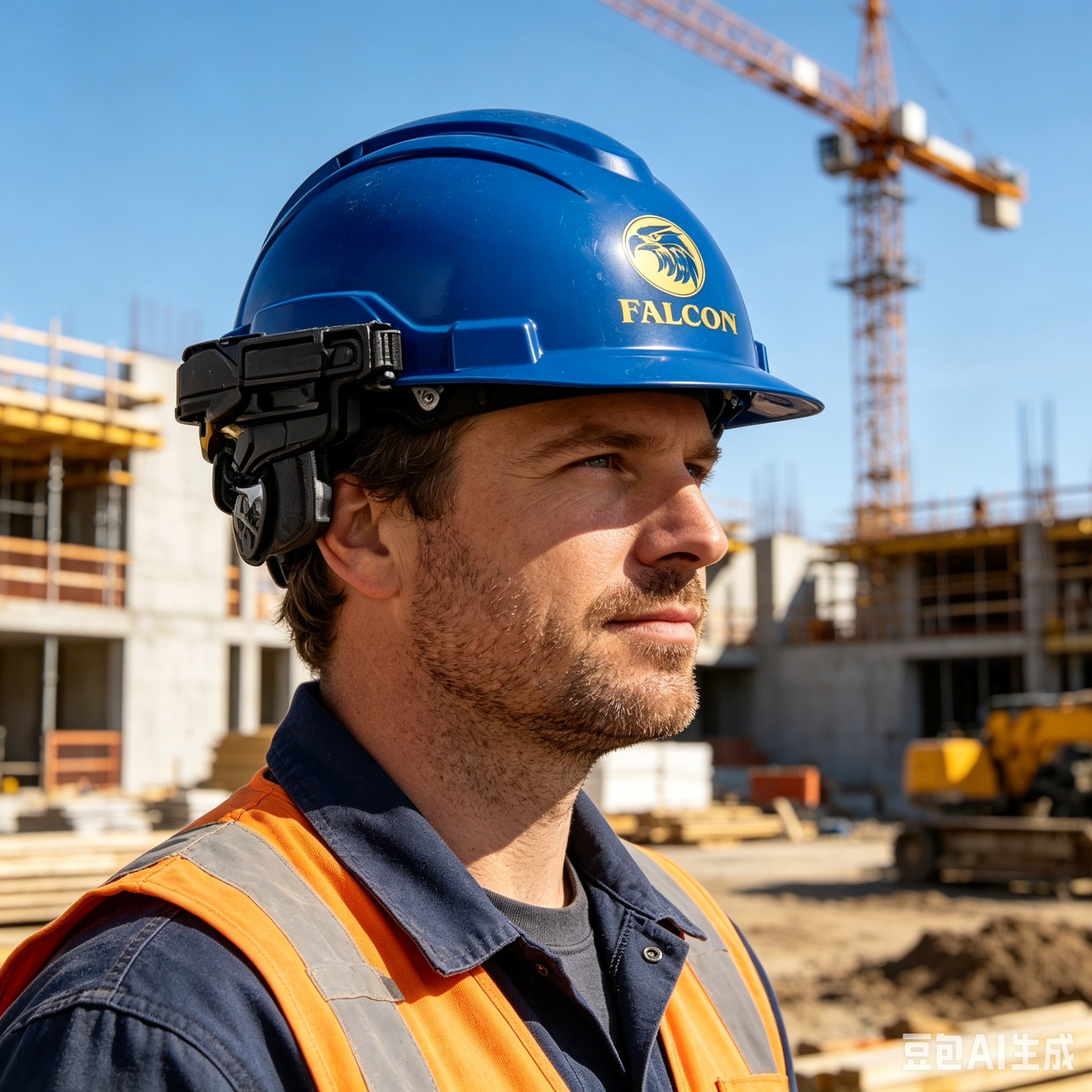
Work helmets are essential personal protective equipment (PPE) designed to safeguard workers' heads from injuries caused by falling objects, impacts, or electrical hazards in industrial environments. For B2B buyers, selecting the right hat helmets involves understanding specific requirements related to safety, comfort, and compliance with industry standards. This article will help guide purchasing managers, safety officers, and other professionals through the essential aspects of choosing, sourcing, and ensuring the quality of work helmets for various industrial applications.


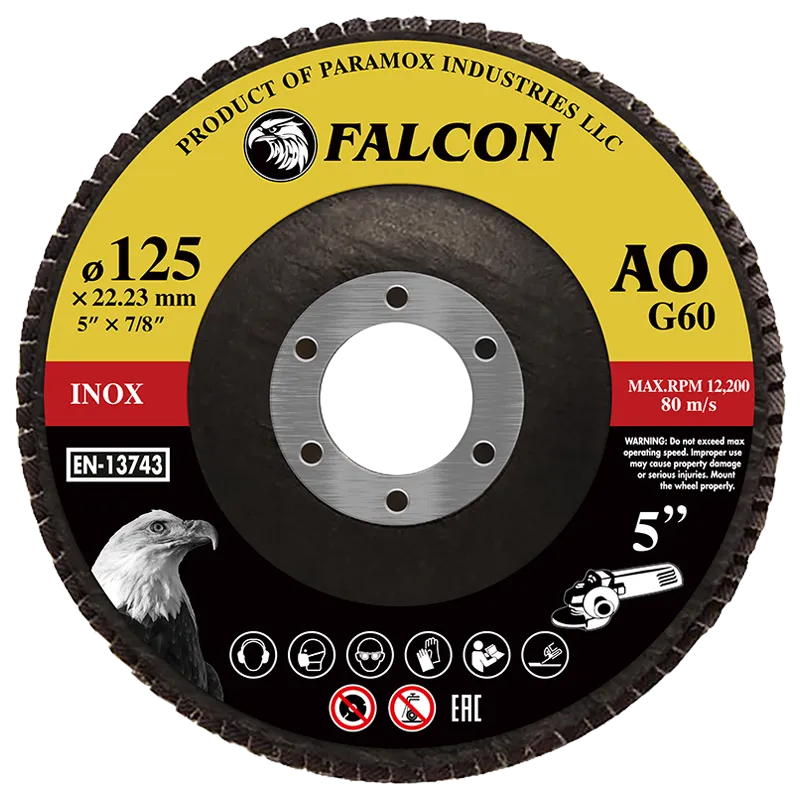
Best Flap Disc for Grinding Welds Cleanly
Weld grinding is an essential step in metal fabrication, repair work, and surface finishing. After welding, uneven weld beads, sharp edges, and excess material often need to be removed to achieve a smooth and professional surface.
Choosing the best f...
View More