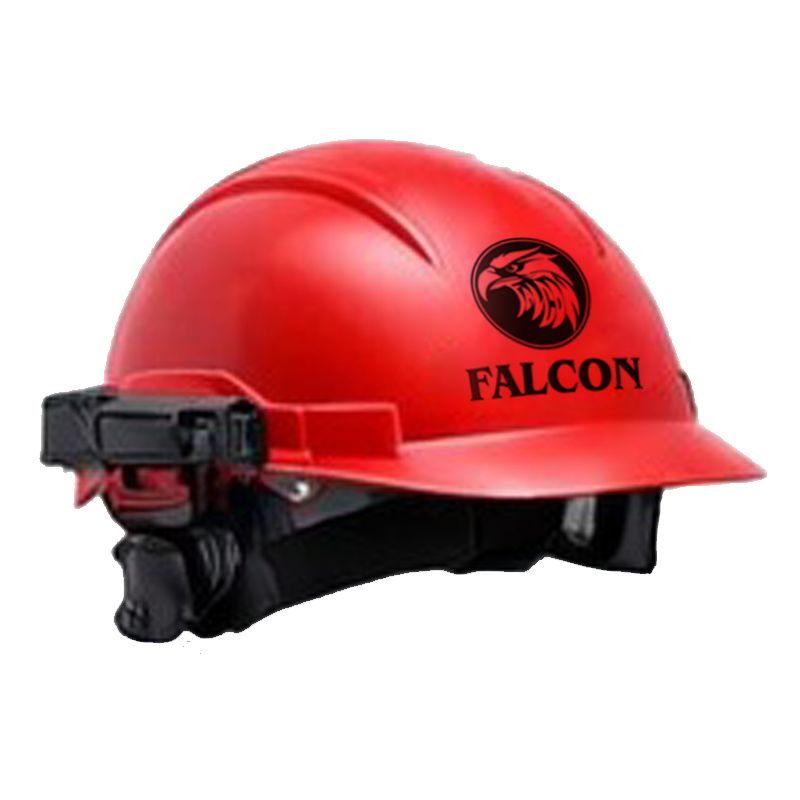
Choosing the Right Safety Construction Helmet

Get a Free Quote

Our representative will contact you soon.
Email
Mobile/WhatsApp
Name
Company Name
Country
Customer Type
Estimated Order Quantity
MOQ and Free Sample Policy
Message
0/1000

Safety construction helmet

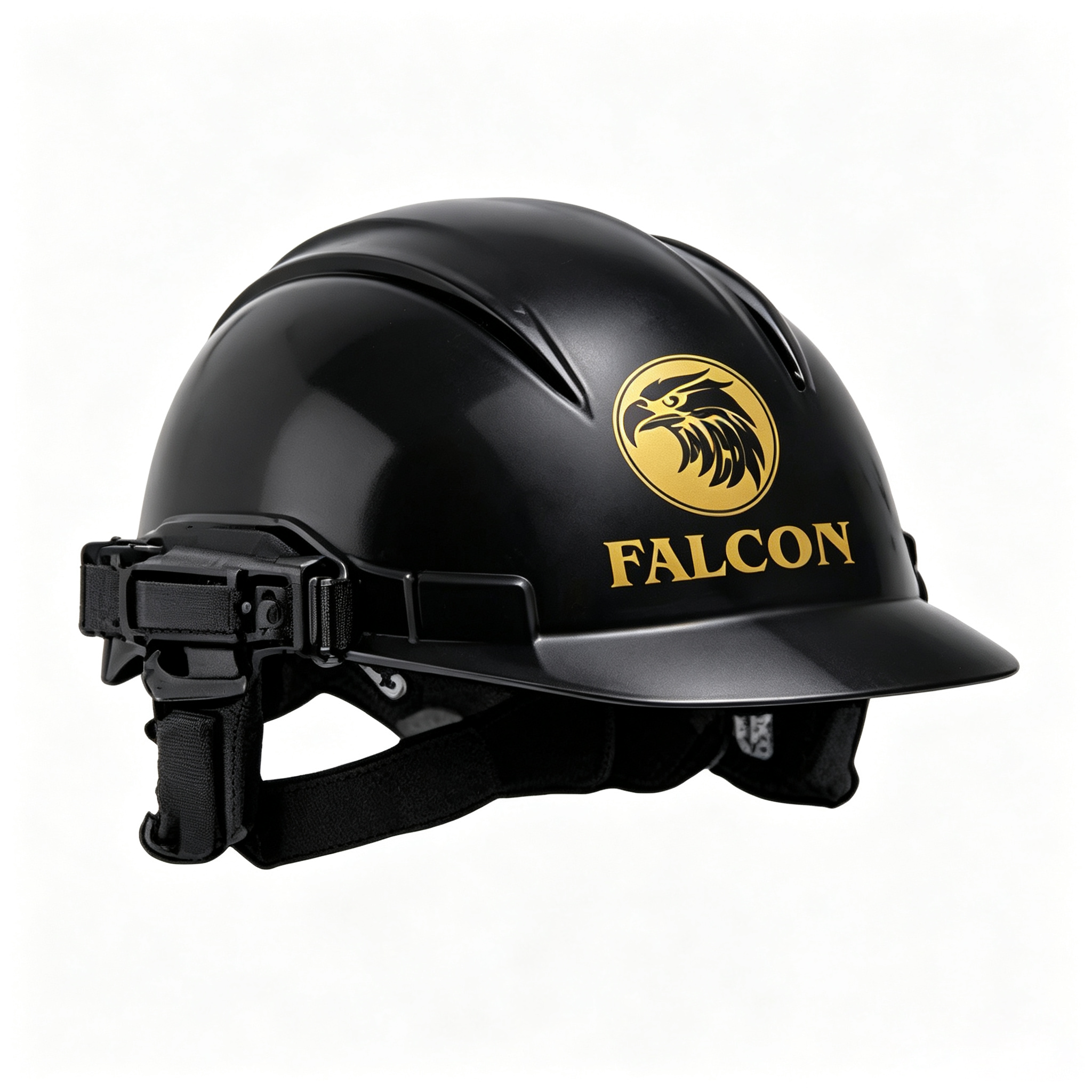
Safety construction helmets are essential protective gear designed to safeguard workers from head injuries in various industrial environments. As a purchasing manager or project supervisor, selecting the right helmet can significantly impact not only worker safety but also compliance with regulations and operational efficiency. We will explore the key considerations in choosing safety construction hat helmets, including their specifications, material advantages, applications across industries, and how to ensure their quality and reliability in demanding work environments.
Choosing the Right Safety Construction Helmet for Your Project Needs

When selecting a safety construction helmet, it's crucial to consider the specific requirements of your project. Different work environments may necessitate helmets with varying levels of protection, comfort, and functionality. For instance, construction sites with overhead hazards may require hard hats that meet certain ANSI Z89.1 standards, while electrical work may necessitate construction hat rated for electrical protection. 

Buyers should assess factors such as the helmet's weight, ventilation, and the fit to ensure comfort during prolonged use. Additionally, customization options, such as adding company logos or reflective strips, can enhance visibility and branding on-site. Providing detailed specifications when requesting quotations can help manufacturers suggest the most suitable options tailored to your project needs. 

Frequently Asked Questions

What protection does this safety construction helmet offer?

Provides impact resistance, penetration protection, and head coverage meeting industrial safety needs for construction and abrasive tool environments.
Manufactured from high-strength polymer with reinforced shell and comfortable inner suspension for durable protection in industrial settings.
Yes. Designed to integrate with protective eyewear, hearing protection, and face shields commonly used in industrial and abrasive tool operations.
Measure head circumference and consult the size chart. Adjustable suspension and chin straps ensure a secure fit for varied head sizes.
Inspect before each use for cracks, deformities, or damage. Clean with mild soap, avoid solvents, and replace if compromised or after significant impact.

Our Blog Posts

Type 1 vs Type 27 Cut Off Wheel: Full Comparison

09

Oct

Type 1 vs Type 27 Cut Off Wheel: Full Comparison

A Abrasive wheels are essential tools in metal fabrication, construction, welding, maintenance and general industrial work. When selecting an abrasive wheel, users often focus on diameter, thickness, abrasive material and RPM. However, the wheel type...
View More
How to Extend the Lifespan of Your Cut Off Wheels

11

Oct

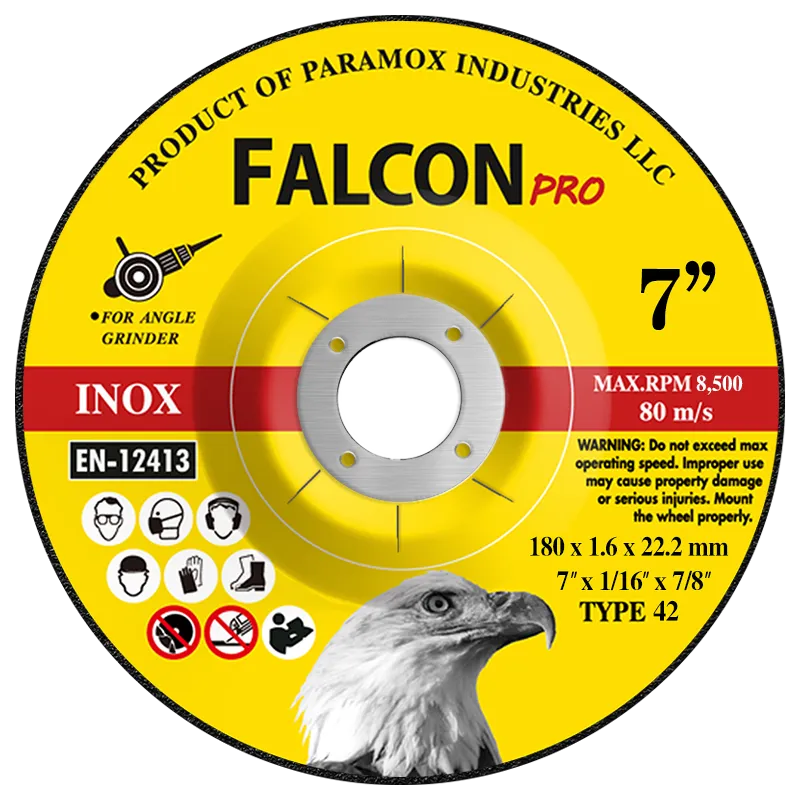
How to Extend the Lifespan of Your Cut Off Wheels

Cut-off wheels are essential abrasive tools for industrial cutting applications. They are widely used for cutting metal, concrete, stone, and other hard materials. However, wheel selection and operating methods have a direct impact on cutting perform...
View More
How to Remove a Stuck Grinding Wheel

12

Jun

How to Remove a Stuck Grinding Wheel

Sometimes when you working with machines, the grinding wheel just refuse to move. It can be really annoying, specially if you in hurry to finish job. If this ever happen to you, no need worry too much! With little patience and correct way, you can re...
View More
What Is a Type 2 Hard Hat & Why It Matters

15

Jul

What Is a Type 2 Hard Hat & Why It Matters

A Type 2 hard hat is a special helmet that keep workers safe in jobs like construction and manufacturing. At Falcon Global, we know safety gear is really important to protect people at work. These Type 2 hard hats is made to handle impacts from falli...
View More

Get a Free Quote

Our representative will contact you soon.
Email
Mobile/WhatsApp
Name
Company Name
Country
Customer Type
Estimated Order Quantity
MOQ and Free Sample Policy
Message
0/1000

Related product categories

Key Specifications to Evaluate in Safety Construction Helmets

Key Specifications to Evaluate in Safety Construction Helmets

When evaluating safety construction helmets, several specifications should be prioritized: 

Impact Resistance: Helmets should meet or exceed safety standards (such as ANSI Z89.1 or CSA Z94.1) to ensure adequate protection against falling objects and impacts. 

Electrical Ratings: If your work environment involves electrical hazards, look for helmets specifically designed to provide electrical insulation, typically rated as Class E or G. 

Material Composition: Helmets are often made from high-density polyethylene (HDPE) or fiberglass. HDPE offers lightweight protection, while fiberglass provides higher impact resistance. 

Retention System: The chin strap and suspension system are critical for ensuring that the helmet remains securely in place during work activities. A good retention system can prevent the helmet from being dislodged during sudden movements. 

Comfort Features: Look for helmets with adjustable headbands, ventilation holes, and moisture-wicking liners to enhance comfort during extended wear. 

Understanding these specifications will help buyers make informed decisions and ensure that the helmets chosen are appropriate for their specific applications. 

Material Advantages of High-Performance Safety Construction Helmets

Material Advantages of High-Performance Safety Construction Helmets

The material used in safety construction helmets plays a significant role in their performance and durability. High-performance helmets typically use advanced materials such as: 

High-Density Polyethylene (HDPE): This lightweight material offers excellent impact resistance and is often used in standard hard hats. Its durability makes it suitable for most construction applications. 

Fiberglass: Known for its superior strength and resistance to extreme temperatures, fiberglass helmets provide enhanced protection in challenging environments, such as those involving high heat or chemical exposure. 

Polycarbonate: Often used for visors and face shields, polycarbonate is lightweight and provides excellent visibility while offering impact resistance. 

Selecting the appropriate material based on the specific hazards of your work environment is essential for ensuring optimal safety and performance.  

Applications of Safety Construction Helmets in Various Industries

Applications of Safety Construction Helmets in Various Industries

Safety construction helmets find applications across a myriad of industries beyond traditional construction sites. Some key sectors include: 

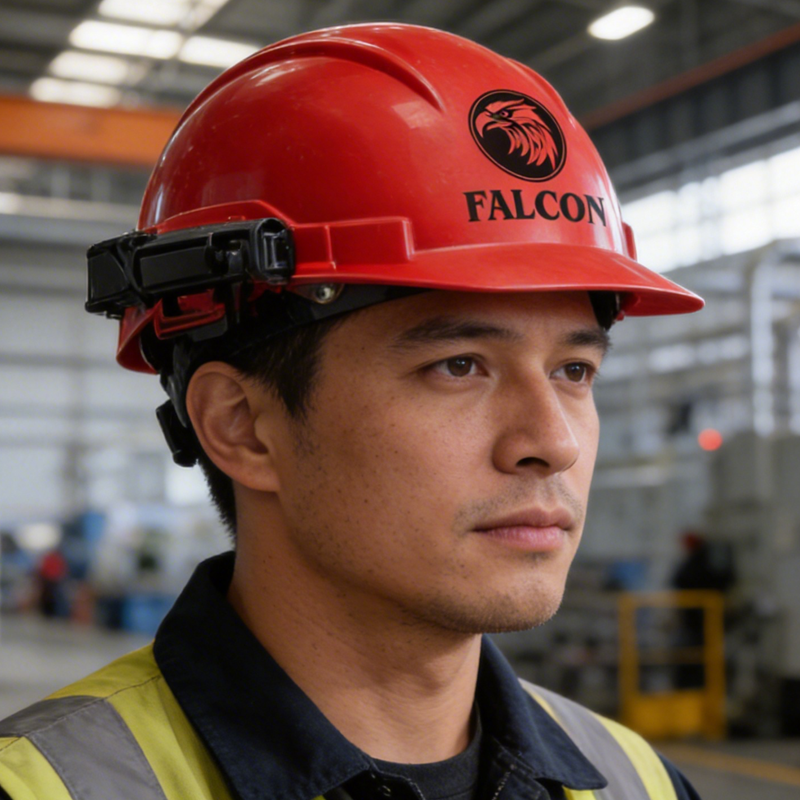
Manufacturing: Helmets protect workers from overhead hazards in factories and assembly lines, especially in environments with heavy machinery. 

Oil and Gas: In this sector, helmets must withstand extreme conditions and provide additional protection against chemical exposure and fire hazards. 

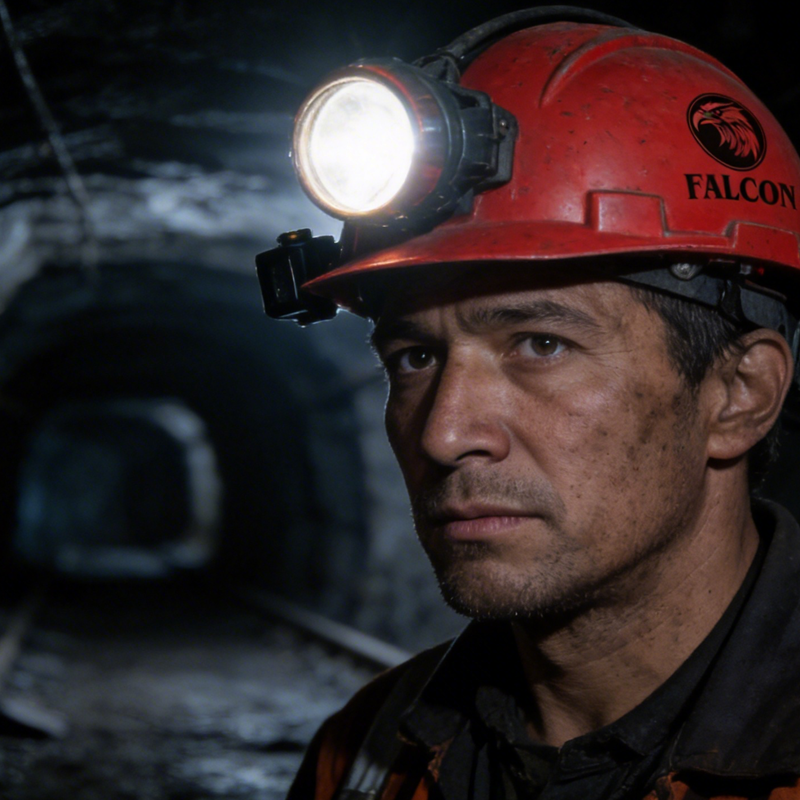
Mining: Safety helmets used in mining operations often come equipped with additional features such as integrated communication systems and face shields for dust protection. 

Electrical Work: Electricians require helmets with specific electrical ratings to protect against electrical shocks and arcs. 

Understanding the specific applications of safety construction helmets will help buyers select helmets that provide adequate protection tailored to their industry's unique demands. 

How to Ensure Quality and Reliability in Safety Construction Helmets

To ensure that safety construction helmets meet quality and reliability standards, buyers should consider the following measures: 

Certifications and Compliance: Verify that the helmets comply with relevant safety standards (e.g., ANSI, CSA) and have been tested for performance against industry benchmarks. 

Supplier Evaluation: Work with reputable manufacturers known for their quality assurance processes. Inquire about their manufacturing capabilities, quality control measures, and any certifications they may hold. 

Sample Testing: Before committing to a bulk order, request samples for testing. Evaluate the comfort, fit, and overall quality of the custom construction hats under actual working conditions to ensure they meet your project requirements. 

Feedback and Reviews: Seek recommendations and feedback from other professionals in your industry regarding their experiences with specific helmet brands and models. 

By taking these steps, buyers can confidently select helmets that not only comply with safety regulations but also provide reliable protection for workers in various industrial applications. 

Get a Free Quote

Our representative will contact you soon.
Email
Mobile/WhatsApp
Name
Company Name
Country
Customer Type
Estimated Order Quantity
MOQ and Free Sample Policy
Message
0/1000