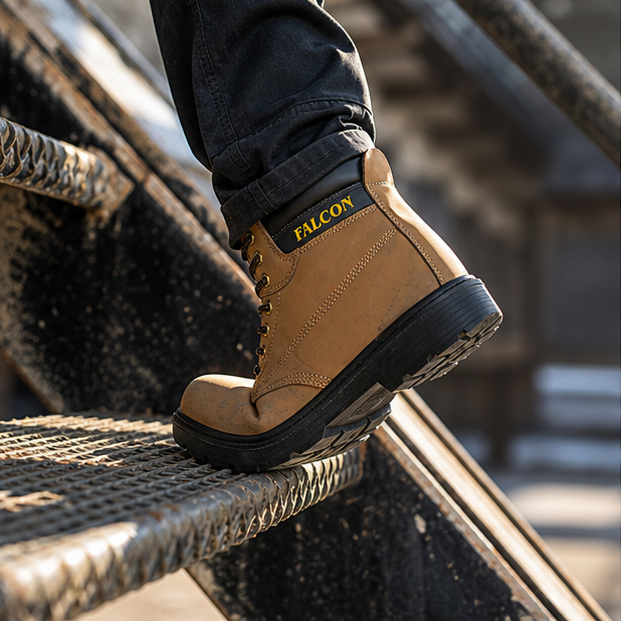
Choosing Ladies Work Boots for Industrial Safety

Get a Free Quote

Our representative will contact you soon.
Email
Mobile/WhatsApp
Name
Company Name
Country
Customer Type
Estimated Order Quantity
MOQ and Free Sample Policy
Message
0/1000

Ladies work boots

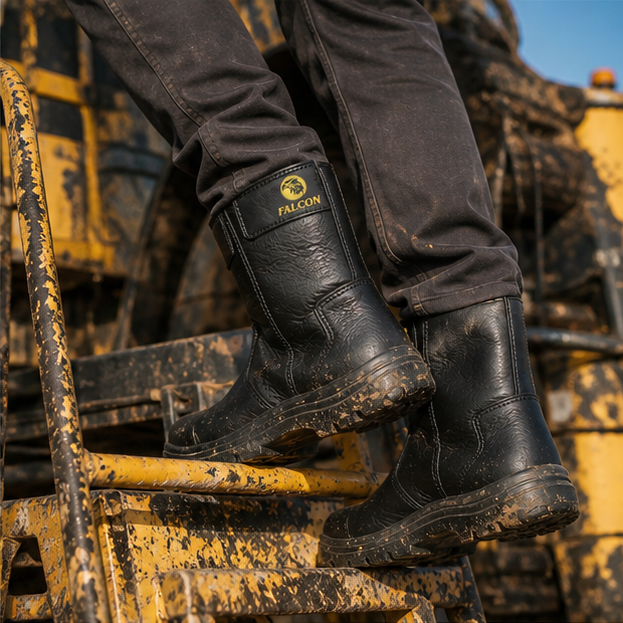
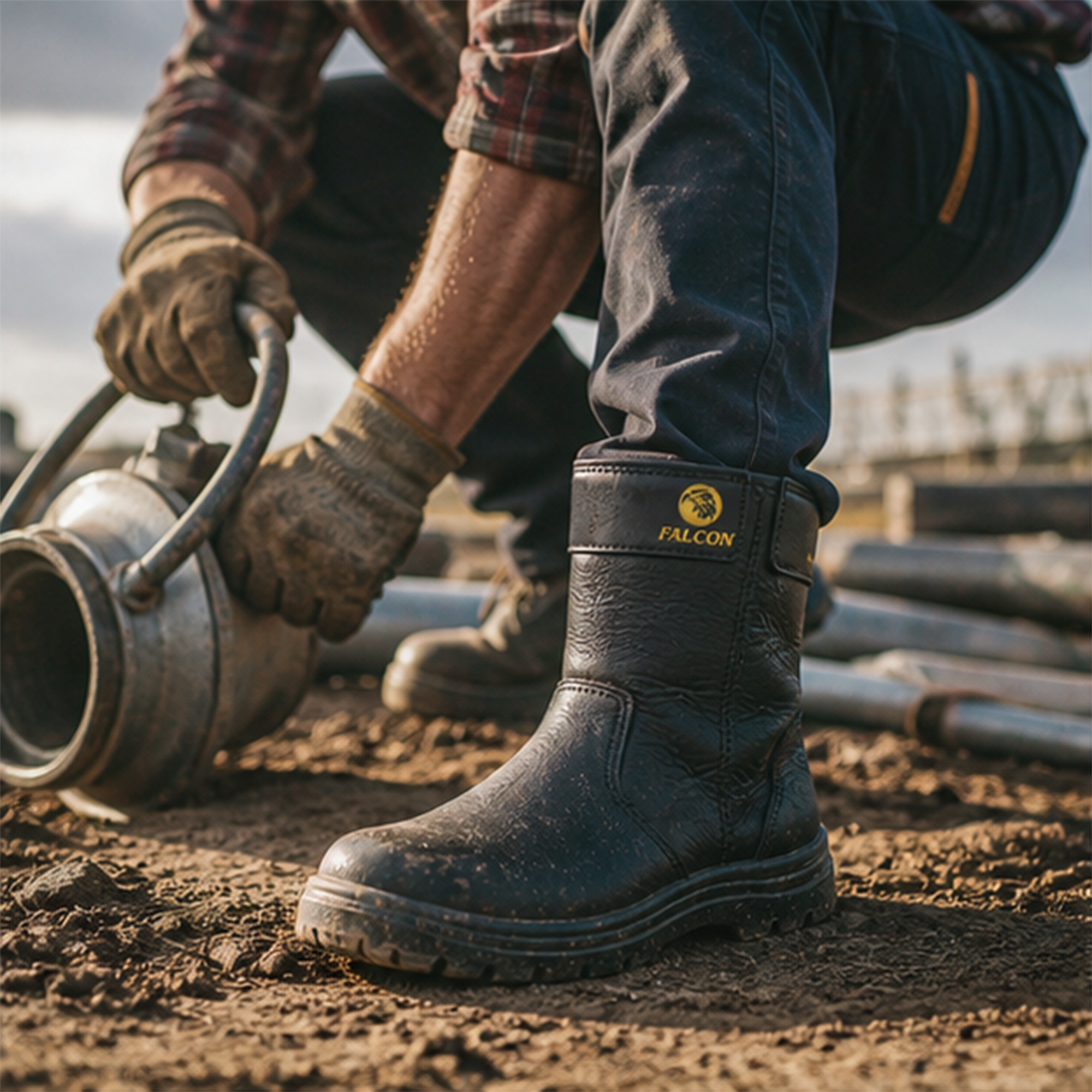
Choosing the right ladies work boots is crucial for ensuring safety, comfort, and performance in industrial environments. As a B2B buyer, you may have specific concerns regarding durability, material selection, and compliance with safety standards. This article will help you navigate the selection process, understand sourcing options, and address common issues related to ladies work shoes. 
What to Consider When Choosing Ladies Work Boots for Your Business

When selecting ladies work boots, several factors must be taken into account to ensure they meet the unique demands of your workforce. First, consider the working environment. For example, boots designed for construction sites may require steel toes and slip-resistant soles, while work in a warehouse may prioritize lightweight materials and comfort for extended wear. 

Material selection is also vital. High-performance boots are often made from leather, synthetic materials, or a combination thereof. Leather offers durability and breathability, while synthetic materials can provide lightweight options that may be easier to clean. Additionally, waterproofing features can protect against moisture exposure, which is critical in environments where spills or wet conditions are common. 

Fit and comfort cannot be overlooked. Poorly fitting boots can lead to fatigue and injuries, affecting overall productivity. It's advisable to consider options that offer adjustable sizing or a variety of widths to accommodate different foot shapes. Lastly, ensure that the safety shoes for men comply with relevant safety standards relevant to your industry, such as ASTM standards for protective footwear. 

Frequently Asked Questions

What protective features do these ladies work boots offer?

Our ladies work boots include steel toe options, slip-resistant soles, puncture-resistant midsoles, and oil/chemical resistant outer materials for industrial safety.
Yes. We offer a full range of women's sizes with tailored lasts for common foot shapes, plus width options for a better fit.
Manufactured with premium leather, abrasion-resistant textiles, reinforced stitching, and advanced composite or steel reinforcements for durability.
Yes. Select models feature heat-resistant soles and waterproof membranes or treated leather designed for wet and elevated-temperature industrial conditions.
Clean regularly, condition leather, dry naturally after exposure to moisture, inspect soles and reinforcements, and replace when protective elements show significant wear.

Our Blog Posts

Flap Disc Grit Chart for Rust and Paint Removal

28

Apr

Flap Disc Grit Chart for Rust and Paint Removal

Rust, paint, and surface imperfections are common challenges in metalworking, repair, and maintenance projects. Removing these contaminants effectively requires more than just a powerful grinder — choosing the right abrasive tool and grit size ...
View More
How to Safely Use a Cut Off Wheel Without Breaking It

17

Sep

How to Safely Use a Cut Off Wheel Without Breaking It

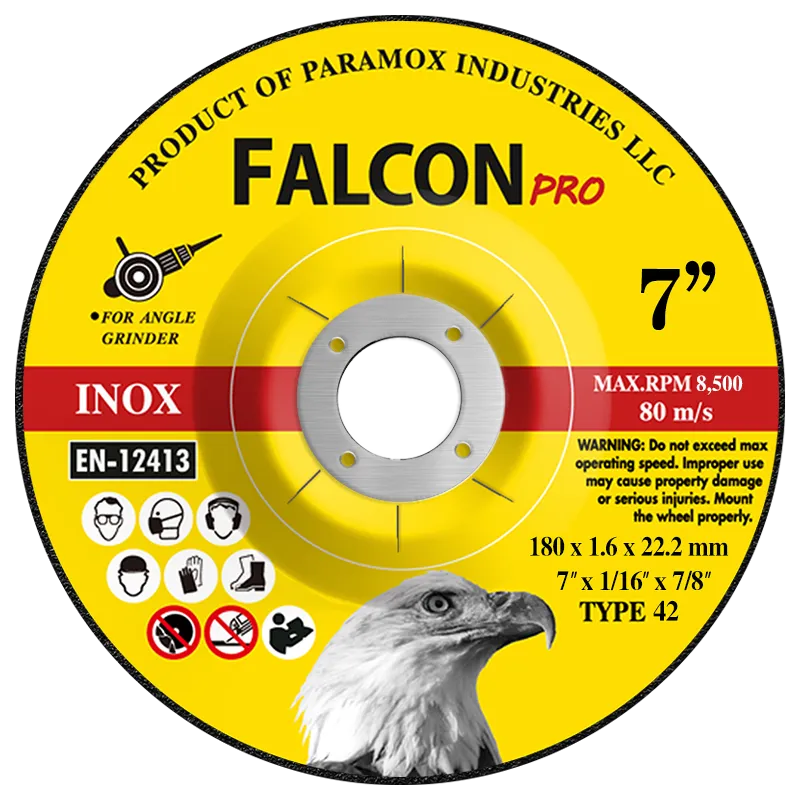
Cut-off wheels provide efficient cutting for metal, tile, and other hard materials. However, improper operation can create serious safety risks. Following standard safety guidelines helps protect the operator while maintaining the integrity of the wh...
View More
Can You Use a Cut Off Wheel on Aluminum?

08

Oct

Can You Use a Cut Off Wheel on Aluminum?

When processing metals, selecting suitable power-tool accessories is essential, and the cut-off wheel is one of the most widely-used options. These abrasive discs work across multiple materials, yet many users question whether they deliver safe, high...
View More
How to Remove a Stuck Grinding Wheel

12

Jun

How to Remove a Stuck Grinding Wheel

Sometimes when you working with machines, the grinding wheel just refuse to move. It can be really annoying, specially if you in hurry to finish job. If this ever happen to you, no need worry too much! With little patience and correct way, you can re...
View More

Get a Free Quote

Our representative will contact you soon.
Email
Mobile/WhatsApp
Name
Company Name
Country
Customer Type
Estimated Order Quantity
MOQ and Free Sample Policy
Message
0/1000

Related product categories

How to Source Reliable Suppliers for Ladies Work Boots

How to Source Reliable Suppliers for Ladies Work Boots

Finding dependable suppliers for ladies work boots involves a thorough evaluation process. Start by identifying manufacturers with a strong reputation in the safety footwear market. Look for companies that specialize in industrial applications and have experience with high-performance products. Checking for certifications such as ISO can indicate a commitment to quality and safety in manufacturing processes. 

Request samples from potential suppliers to assess the quality and comfort of their products firsthand. During the evaluation, consider the supplier's production capabilities, including their minimum order quantities (MOQ) and lead times, to ensure they can meet your demands. Establish clear communication regarding your specific requirements and evaluate their responsiveness, as this can be an indicator of future service levels. 

It’s also wise to seek references or reviews from other businesses that have worked with the supplier. This can provide insights into their reliability and customer service. Comparing multiple suppliers based on these criteria will help you make an informed decision. 

A Comprehensive Overview

A Comprehensive Overview

Ladies work boots are designed to provide protection and comfort in various industrial settings. Key specifications include the type of toe protection (steel, composite, or aluminum), slip resistance ratings, and the materials used for the upper, lining, and sole. Understanding these specifications is essential for ensuring that the boots meet the specific hazards of your workplace. 

For instance, a slip-resistant outsole made from rubber can reduce the risk of falls in wet or oily conditions, while electrical hazard-rated boots can provide additional safety for workers around electrical equipment. Additionally, the weight of the work shoes for men is a consideration; lighter boots can improve comfort and reduce fatigue during long shifts. 

Customization options can also play a significant role in meeting your specific workforce needs. This may include branding on the boots, custom sizing, or additional features like insulated linings for cold environments. Discussing these options with your supplier can lead to a tailored solution that enhances employee satisfaction and safety. 

Common Problems with Ladies Work Boots and Effective Solutions

Common Problems with Ladies Work Boots and Effective Solutions

Despite their protective purpose, ladies work boots can present several common issues. One frequent complaint is discomfort, often due to improper fit or inadequate cushioning. To address this, encourage employees to try on multiple sizes and styles to find the best fit, and consider models with cushioned insoles or arch support. 

Another issue is durability; some boots may wear out quickly under heavy use, especially in abrasive environments. To combat this, choose boots made from high-quality materials designed for long-lasting performance. Regular inspections of footwear can help identify wear and tear before they lead to safety hazards. 

Moisture penetration can also be problematic, especially in wet working conditions. Look for boots with waterproof features, and remind employees to maintain their footwear by cleaning and conditioning leather models to preserve their protective qualities. 

Installation Guidance for Proper Use of Ladies Work Boots

While the term "installation" may not directly apply to work boots, proper usage and maintenance are crucial for maximizing their lifespan and effectiveness. Begin by ensuring that all employees are educated on the importance of wearing their boots in accordance with safety guidelines. This includes wearing the boots in the intended environments and not modifying them in ways that compromise their protective qualities. 

Regular cleaning and maintenance can significantly extend the life of ladies work boots. For leather boots, proper cleaning with appropriate products and conditioning can prevent cracking and deterioration. Synthetic materials may require different care, such as wiping down with a damp cloth to remove dirt and debris. 

Encourage employees to regularly check their boots for signs of wear, such as loose soles or damaged eyelets, and to report any issues immediately. Implementing a routine inspection schedule can help ensure that all footwear remains in optimal condition and continues to provide the necessary protection. 

By considering these factors when selecting ladies work boots, sourcing reliable suppliers, and addressing common issues, you can enhance the safety and comfort of your workforce while ensuring compliance with industry standards. 

Get a Free Quote

Our representative will contact you soon.
Email
Mobile/WhatsApp
Name
Company Name
Country
Customer Type
Estimated Order Quantity
MOQ and Free Sample Policy
Message
0/1000