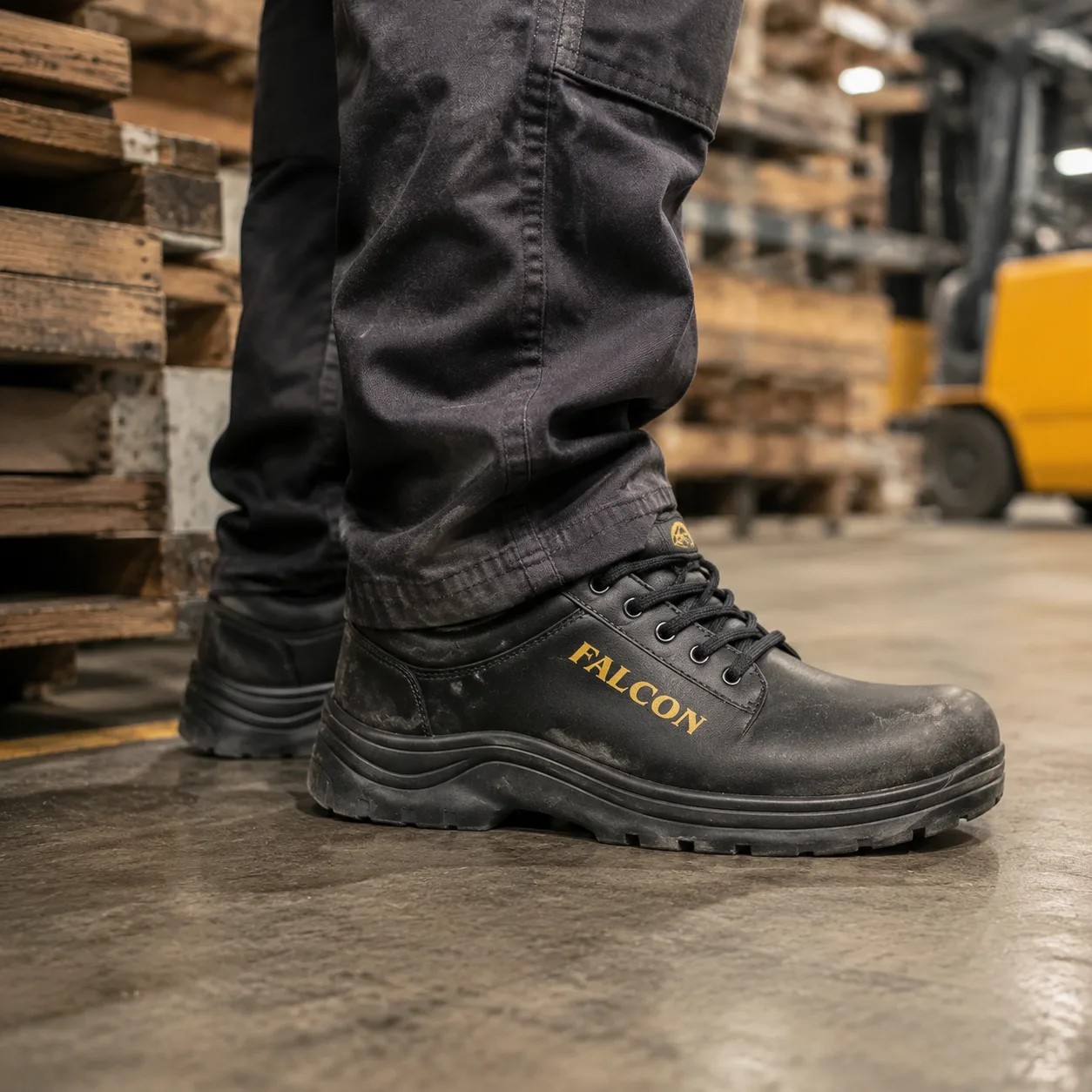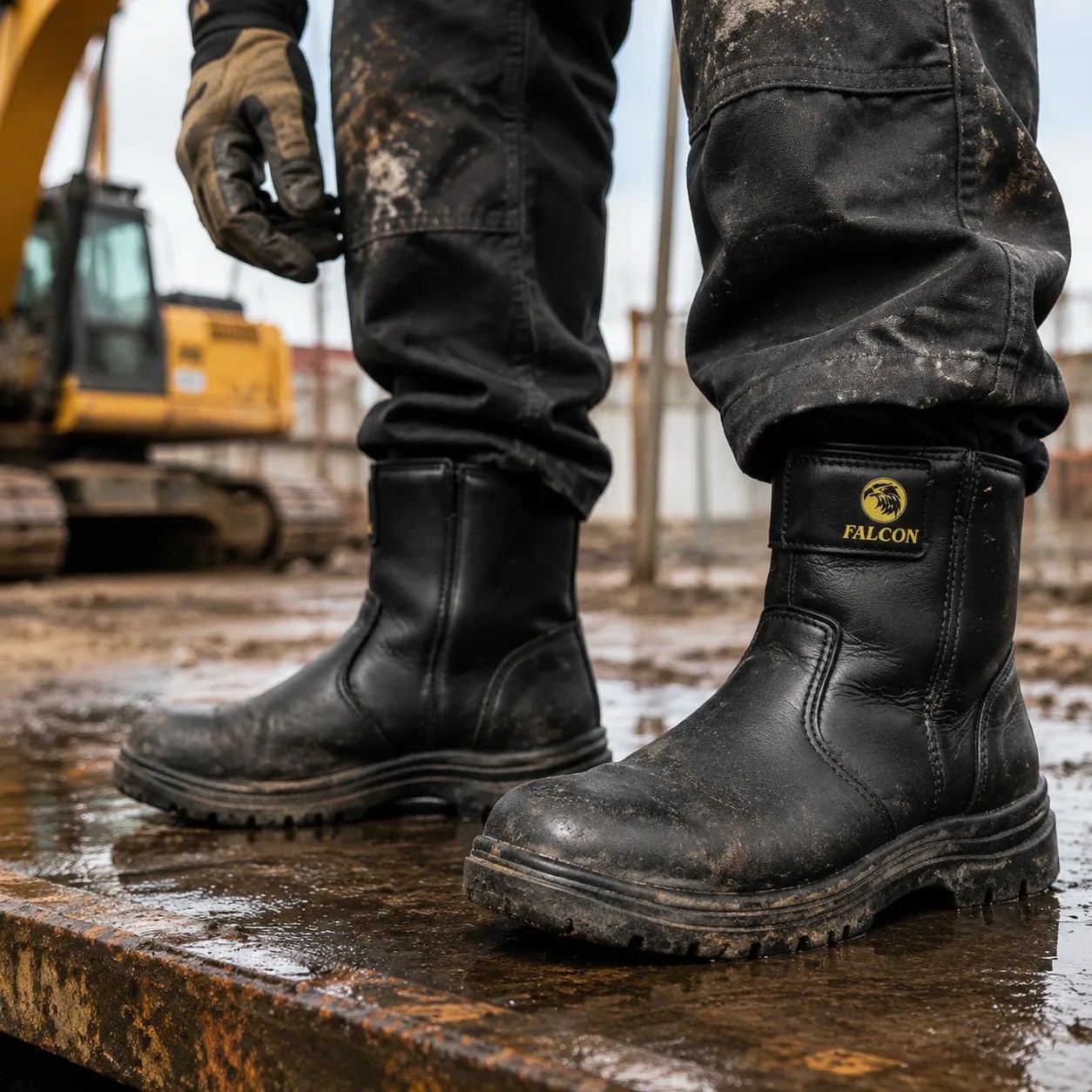
Choosing Women's Work Boots for Industrial Safety

Get a Free Quote

Our representative will contact you soon.
Email
Mobile/WhatsApp
Name
Company Name
Country
Customer Type
Estimated Order Quantity
MOQ and Free Sample Policy
Message
0/1000

Women's work boots

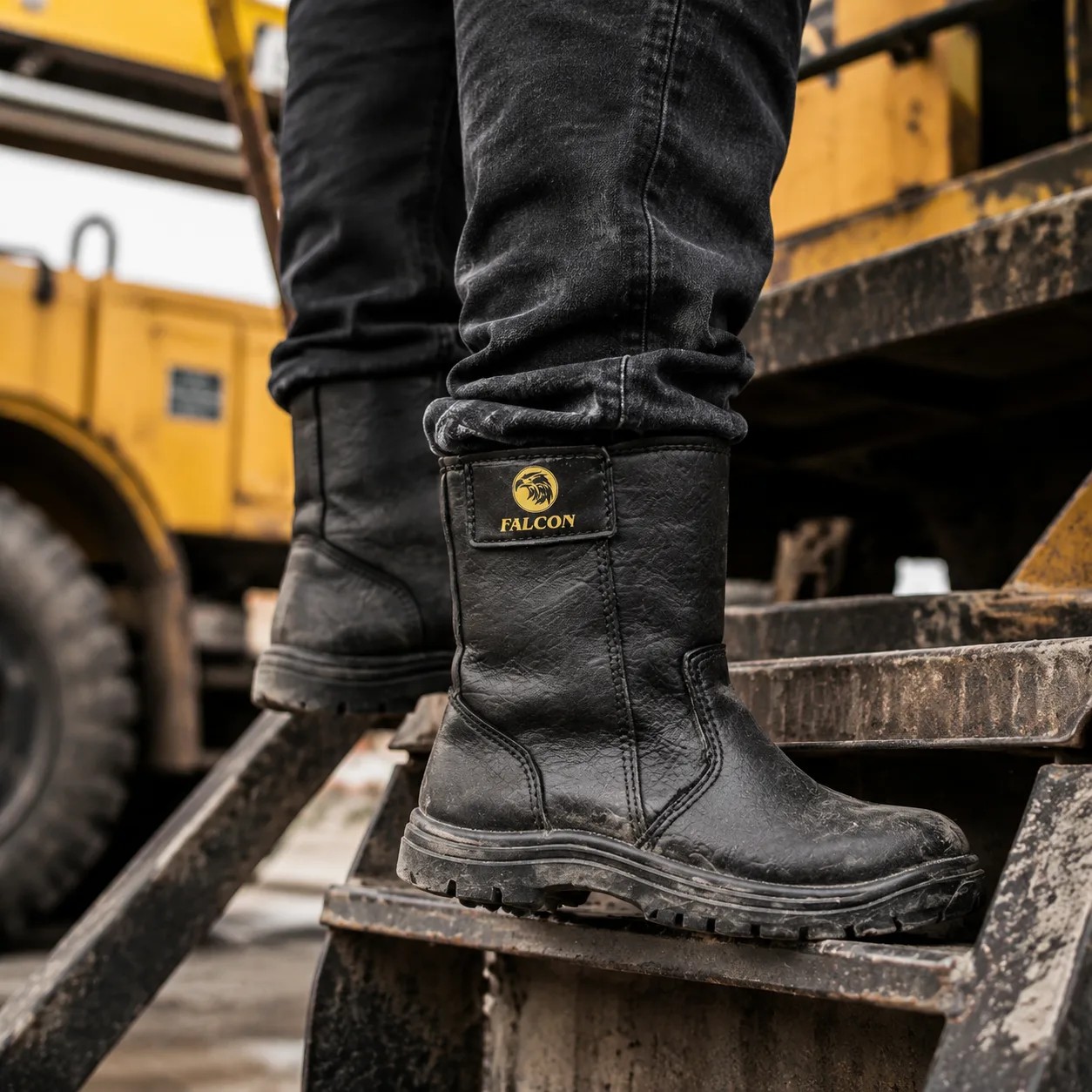
Choosing the right women's work boots for industrial applications is crucial for ensuring safety, comfort, and performance in demanding environments. As a purchasing manager or product manager, you may have concerns about fit, durability, and compliance with safety standards. This article aims to guide you through the essential factors to consider when selecting women's work boots, ensuring you make an informed decision that meets your operational needs.

Our Products

How to Choose Women's Work Boots for Industrial Applications

Selecting the appropriate women's work boots involves understanding the specific requirements of the industrial applications they will be used for. The first step is to identify the working conditions whether the environment involves heavy machinery, exposure to chemicals, or wet surfaces. This will influence your choice of materials and safety features.

Comfort is equally essential, as many industrial jobs require long hours on your feet. Look for waterproof work boots that offer adequate cushioning and arch support, which can reduce fatigue and increase productivity. Additionally, consider the boot's weight; lighter boots can enhance mobility while maintaining necessary protection.

Another significant factor is the compliance with industry safety standards, such as those set by ASTM (American Society for Testing and Materials). Ensure that the boots meet the required ratings for slip resistance, puncture resistance, and electrical hazards, depending on your industry requirements.

Frequently Asked Questions

Are these women's work boots safety-certified?

Yes. Our women's work boots are manufactured to meet common industrial safety standards for slip resistance, impact protection, and puncture resistance. Specific certification details are available per model on request.
Features include steel or composite toes, puncture-resistant midsoles, oil- and slip-resistant outsoles, reinforced heel support, and heat-resistant materials suitable for industrial environments.
We provide a wide range of women's sizes and half sizes, with multiple width options and removable insoles to accommodate custom orthotics for a secure, comfortable fit.
Yes. Built with durable materials and reinforced stitching, these boots are engineered for long-term industrial wear, combining comfort, impact protection, and abrasion resistance.
Clean regularly with a damp cloth, use appropriate leather or fabric conditioners, replace insoles as needed, and inspect soles and stitching; follow model-specific care instructions for longevity.

Our Blog Posts

Best Flap Disc for Grinding Welds Cleanly

01

May

Best Flap Disc for Grinding Welds Cleanly

Weld grinding is an essential step in metal fabrication, repair work, and surface finishing. After welding, uneven weld beads, sharp edges, and excess material often need to be removed to achieve a smooth and professional surface. Choosing the best f...
View More
How to choose high-quality resin-bonded cut-off wheels

10

Sep

How to choose high-quality resin-bonded cut-off wheels

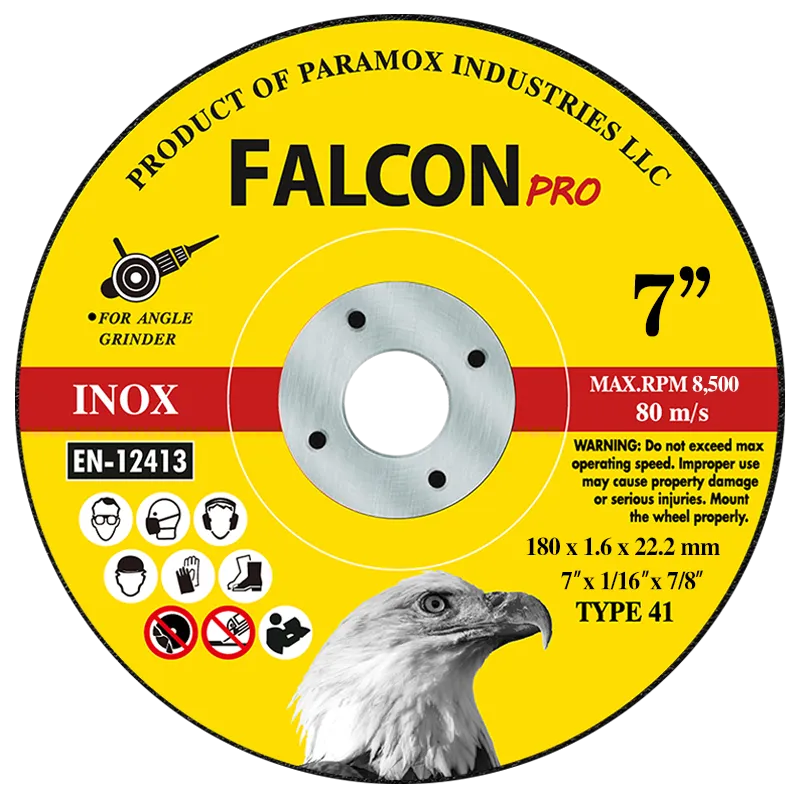
Choosing the right cut-off wheels can greatly impact the efficiency of your projects. Resin-bonded cut-off wheels remain widely popular for a host of practical benefits. They deliver clean cuts across multiple materials including metal, concrete and ...
View More
How to Install a Cut Off Wheel on an Angle Grinder

12

Sep

How to Install a Cut Off Wheel on an Angle Grinder

Installing a cut-off wheel on an angle grinder may seem intimidating for beginners, but the process is simple with standard operating steps. At Falcon Global, we prioritize standardized installation practices to ensure safe operation and optimal cutt...
View More
How to Remove a Stuck Grinding Wheel

12

Jun

How to Remove a Stuck Grinding Wheel

Sometimes when you working with machines, the grinding wheel just refuse to move. It can be really annoying, specially if you in hurry to finish job. If this ever happen to you, no need worry too much! With little patience and correct way, you can re...
View More

Get a Free Quote

Our representative will contact you soon.
Email
Mobile/WhatsApp
Name
Company Name
Country
Customer Type
Estimated Order Quantity
MOQ and Free Sample Policy
Message
0/1000

Related product categories

What You Need to Know

What You Need to Know

When evaluating women's work boots, several key aspects should be considered:

Fit and Sizing: Ensure the boots fit well to prevent blisters and discomfort. Consider brands that offer a variety of widths and sizes, and look for models that allow for adjustments, like laces or straps.

Materials: Common materials include leather, synthetic fabrics, and rubber. Leather offers durability and water resistance, while synthetic materials can provide breathability and lighter weights. Rubber soles are often preferred for their slip-resistant properties.

Design Features: Pay attention to features such as waterproofing, insulation, and reinforced toes (steel or composite). These aspects can significantly impact the boot's performance in specific environments.

Maintenance: Consider the ease of cleaning and maintaining the boots. Some materials may require special care to preserve their integrity over time.

Essential Specifications

Essential Specifications

Understanding the key specifications of women's work boots is vital for making an informed purchase:

Toe Protection: The type of toe protection (steel, composite, or alloy) affects safety and weight. Steel toes offer maximum protection but can be heavier, while composite and alloy options can be lighter and non-conductive.

Sole Construction: The sole's design must match the working environment. Look for oil-resistant, slip-resistant, and puncture-resistant soles to enhance safety.

Water Resistance: If the work environment is wet or involves spills, water-resistant or waterproof work shoes are critical to keeping feet dry and comfortable.

Breathability: Adequate ventilation can help regulate temperature and moisture, contributing to overall comfort during long shifts.

Cost Factors to Consider When Purchasing Women's Work Boots

Cost Factors to Consider When Purchasing Women's Work Boots

The price of women's work boots can vary significantly based on materials, brand reputation, and specialized features. Here are some factors that contribute to the overall cost:

Material Quality: Higher-quality materials often lead to higher prices. While investing in premium boots may seem costly upfront, they can offer better durability and comfort, potentially lowering long-term costs.

Brand Reputation: Established brands may charge a premium for their products due to their reputation for quality and reliability. However, this often translates to enhanced performance and safety.

Customization Options: If your operation requires specific features such as custom colors or branding be prepared for potential additional costs.

Quantity Discounts: When purchasing for a team or organization, inquire about bulk purchase discounts, which can significantly reduce the per-unit cost.

Common Problems with Women's Work Boots and Effective Solutions

Despite the best selection, issues can arise with women's work boots. Here are some common problems and their solutions:

Fit Issues: Ill-fitting boots can lead to discomfort and reduced productivity. To avoid this, ensure proper measurement and consider trying on boots with the socks that will be worn during work.

Durability Concerns: Some boots may wear out quickly under heavy use. Look for slip resistant shoes with reinforced seams and high-quality materials to enhance their lifespan. Regular inspections and maintenance can also extend the life of the boots.

Slipping Hazards: If boots lack adequate slip resistance, they can pose serious safety risks. Choose boots specifically designed with slip-resistant soles and test them in the intended working environment when possible.

Water Leakage: Waterproofing can degrade over time. Regularly check for signs of wear and consider applying a waterproofing treatment to maintain performance.

Selecting the right women's work boots for industrial applications is a process that requires careful consideration of various factors, including fit, materials, and compliance with safety standards. By understanding your specific needs and the specifications of the boots available, you can make an informed decision that enhances safety and comfort in the workplace.

Get a Free Quote

Our representative will contact you soon.
Email
Mobile/WhatsApp
Name
Company Name
Country
Customer Type
Estimated Order Quantity
MOQ and Free Sample Policy
Message
0/1000