Key Insights on Construction Work Boots

Get a Free Quote

Our representative will contact you soon.
Email
Mobile/WhatsApp
Name
Company Name
Country
Customer Type
Estimated Order Quantity
MOQ and Free Sample Policy
Message
0/1000

Construction work boots

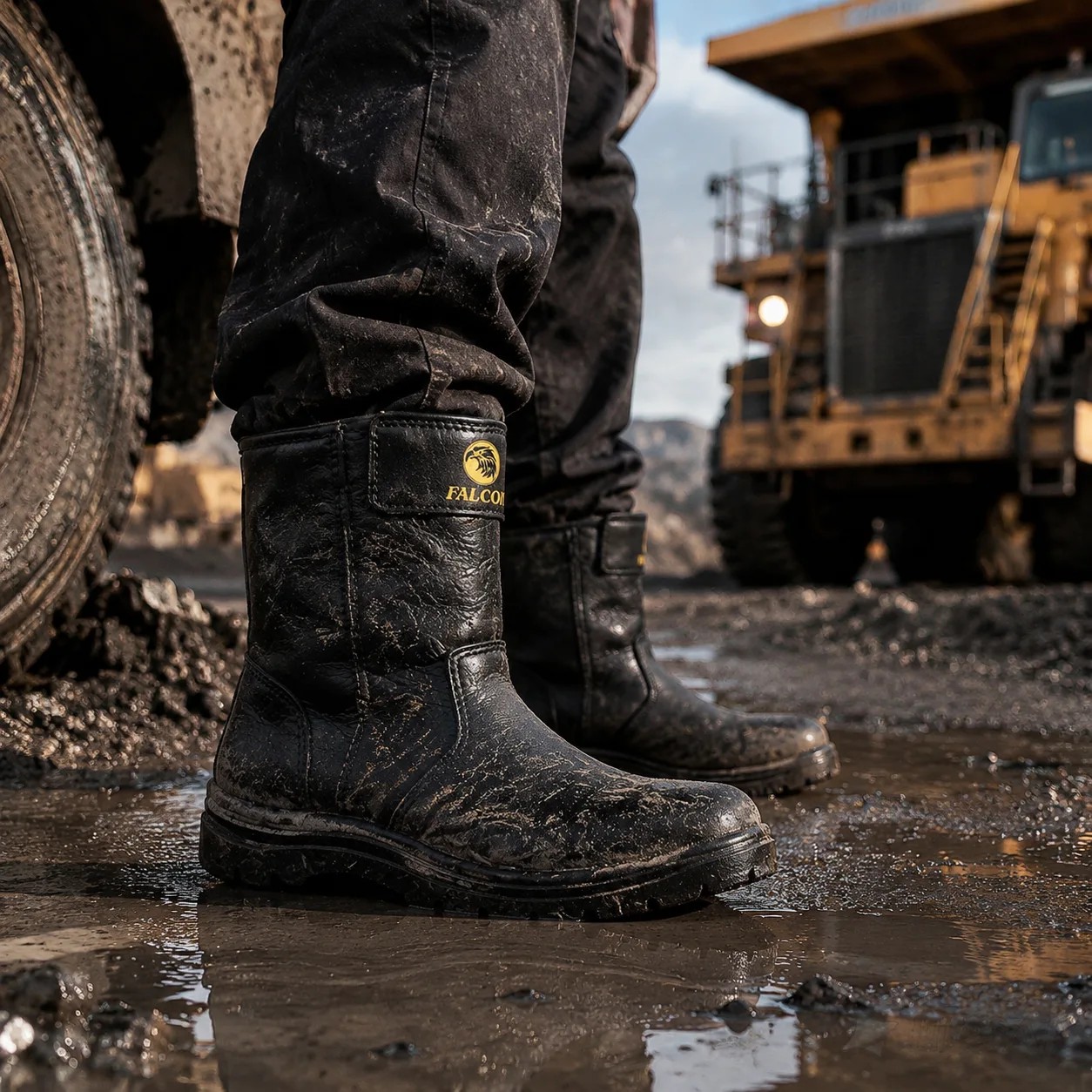
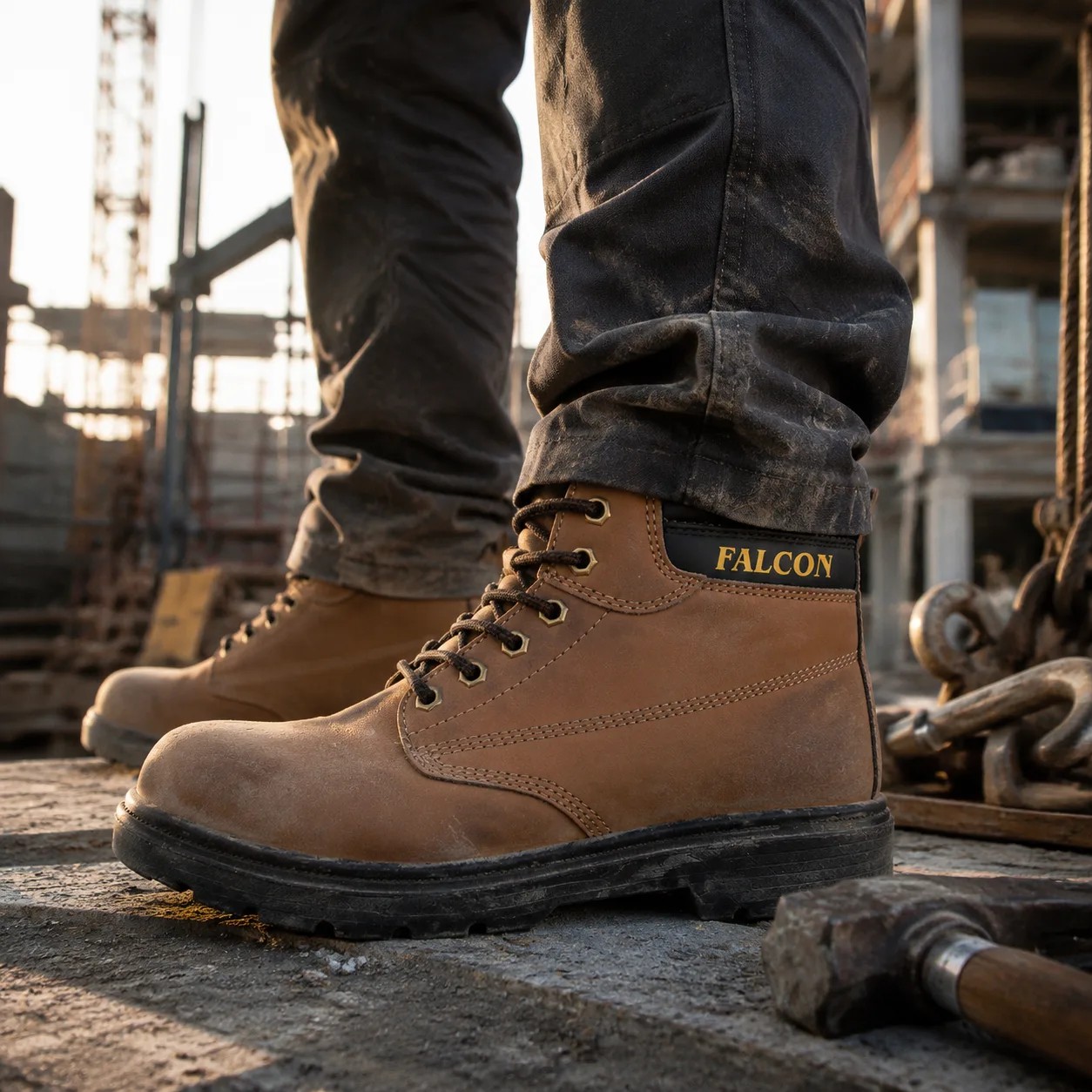
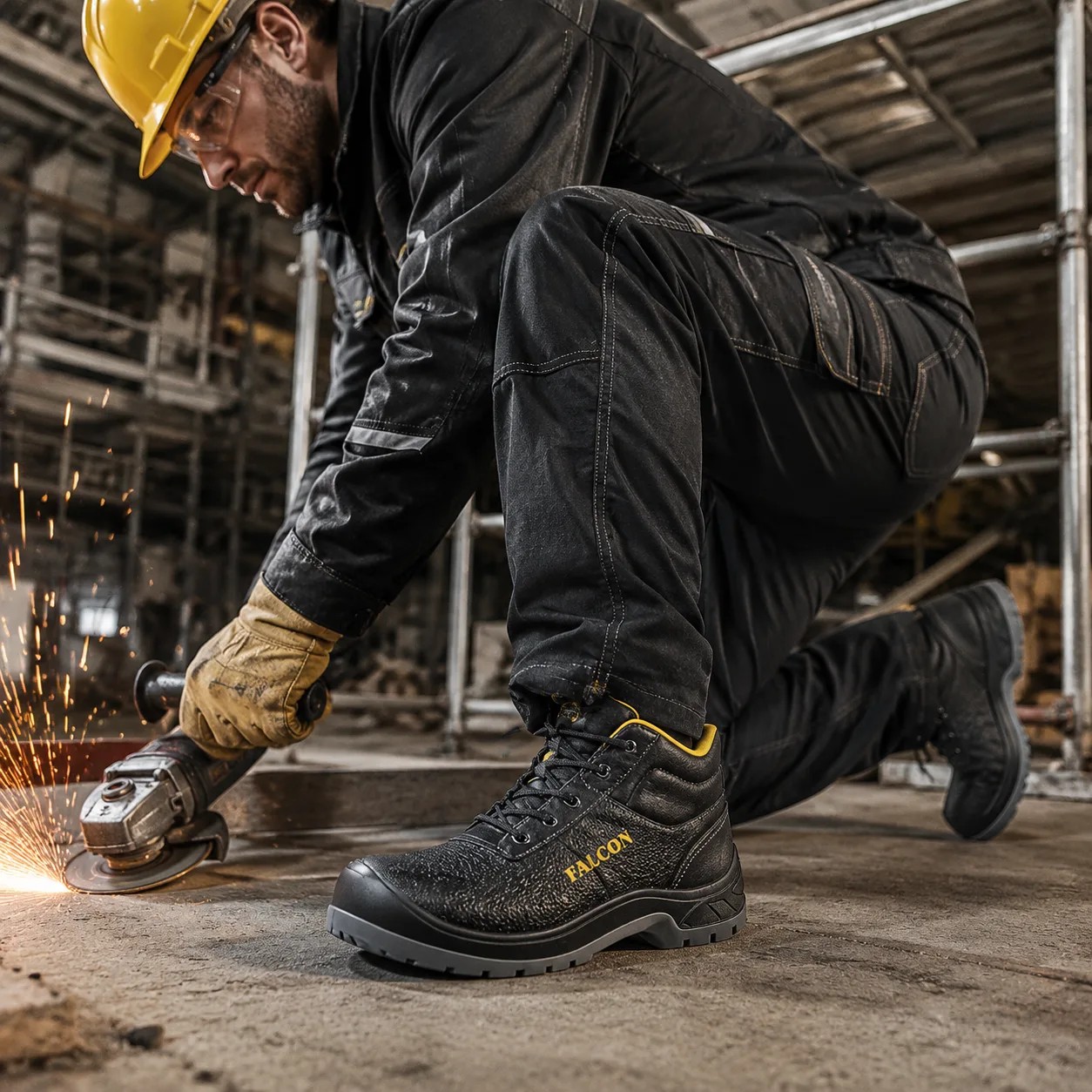
Construction work boots are an essential component of personal protective equipment (PPE) for workers in various industrial sectors. These boots are designed to provide safety, comfort, and durability in challenging environments. For purchasing managers, engineers, and safety officers, the selection of the right ladies work boots is crucial, as it directly impacts employee safety and productivity. This article will guide you through key specifications, cost factors, material insights, installation guidance, and common issues associated with construction work boots, ensuring you make an informed decision for your workforce.
Key Specifications to Evaluate in Construction Work Boots

When evaluating construction work boots, several key specifications should be considered to ensure they meet specific job requirements: 

Safety Standards: Look for boots that comply with safety certifications, such as ASTM (American Society for Testing and Materials) standards. These certifications indicate that the boots have been tested for impact and compression resistance, which is critical for protecting feet from heavy falling objects. 

Material Composition: The outer material affects durability and comfort. Common materials include leather, rubber, and synthetic fabrics. Leather offers excellent durability and protection but may require more maintenance, while synthetic materials can provide lightweight comfort.  

Sole Construction: The sole should be slip-resistant and provide adequate traction on various surfaces. Consider the type of outsole like rubber or polyurethane as well as its tread design, which affects grip and stability. 

Water Resistance: Depending on the work environment, water-resistant or waterproof capabilities may be necessary. This feature helps keep feet dry in wet conditions, reducing the risk of slips and falls. 

Comfort Features: Look for boots with cushioned insoles, arch support, and breathable linings. Comfort is essential for workers who spend long hours on their feet, as it can reduce fatigue and increase productivity. 

By focusing on these specifications, you can ensure that the construction work boots chosen align with job demands and provide the necessary protection and comfort for your workforce. 

Frequently Asked Questions

What materials are used in these construction work boots?

Our boots use high-grade leather, reinforced steel or composite toe caps, oil-resistant rubber soles, and durable textile linings designed for industrial durability and comfort.
Yes. They are manufactured to comply with common industrial safety standards for impact, compression, slip resistance, and puncture protection where specified.
Yes. We offer waterproof treatments and insulated linings for cold environments, ensuring protection from moisture and temperature while maintaining breathability.
Clean regularly with a damp cloth, apply appropriate leather conditioner, dry at room temperature, and inspect soles and protective components for wear to ensure longevity.
We recommend ordering true foot length with work socks in mind; consult our size chart and consider half sizes or wide options for extra comfort and toe protection.

Our Blog Posts

Notes on using a flap disc

25

Jun

Notes on using a flap disc

Flap discs are indeed helpful in metal finishing work. They are constructed using numerous layers of sandpaper fastened together, but in a fan shape. These discs are made to grind, polish and smooth metallic surfaces to make them shiny. These are use...
View More
A Complete Guide to Choosing the Right Flap Disc for Metal Fabrication

04

Apr

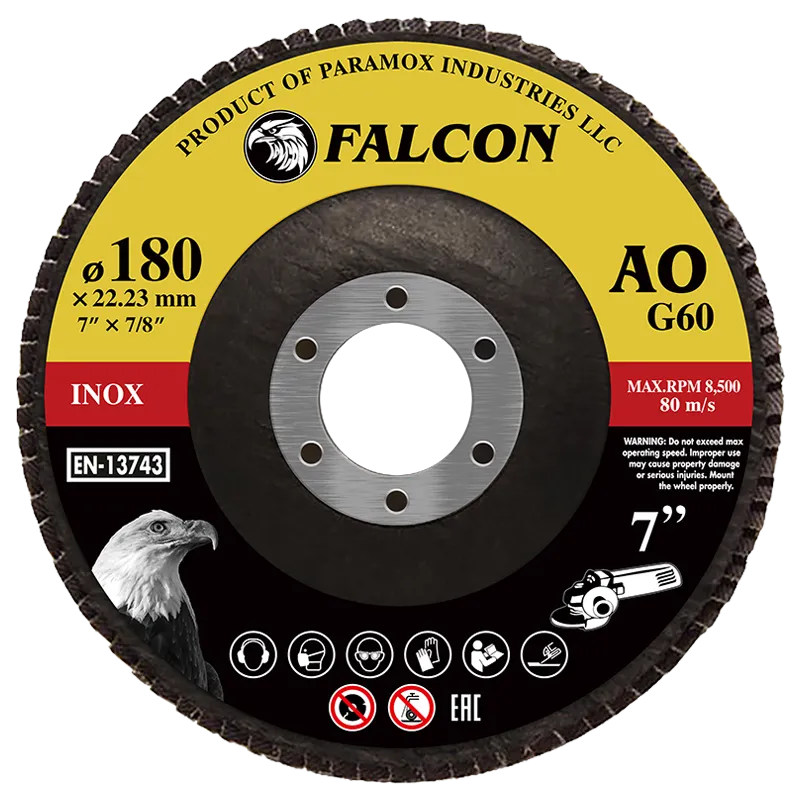
A Complete Guide to Choosing the Right Flap Disc for Metal Fabrication

Quality tools are essential for efficient metalworking, and flap discs are among the most versatile abrasives for grinding, blending, deburring, and surface finishing. Available in different materials, grit sizes, and shapes, the right flap disc can ...
View More
Common Uses of Fiber Discs in Metalworking

01

Aug

Common Uses of Fiber Discs in Metalworking

Fiber discs are really important tools in metalworking. They are round shape discs made from strong stuff and covered with abrasive grains. These discs get used on grinders or sanders machines to smooth, shape, and polish metal surfaces. Peoples who ...
View More
What Is a CBN Grinding Wheel Used For?

25

Aug

What Is a CBN Grinding Wheel Used For?

CBN grinding wheels are special tools make from cubic boron nitride, which is super hard material. These wheels mostly use in factories and workshops to grind and sharp metal parts. They good for things like engine pieces, cutting tools, and other to...
View More

Get a Free Quote

Our representative will contact you soon.
Email
Mobile/WhatsApp
Name
Company Name
Country
Customer Type
Estimated Order Quantity
MOQ and Free Sample Policy
Message
0/1000

Related product categories

Understanding the Cost Factors of Construction Work Boots

Understanding the Cost Factors of Construction Work Boots

The cost of construction work boots can vary significantly based on multiple factors. Understanding these can help you manage budgets effectively: 

Material Quality: Higher-quality materials, such as full-grain leather, generally lead to higher costs. While these may have a higher upfront price, they often provide better durability and longevity, which can reduce overall costs in the long run. 

Safety Features: Additional safety features, such as steel toes, puncture-resistant soles, or electrical hazard protection, can increase the price. Evaluate the specific risks in your work environment to determine which features are essential. 

Brand Reputation: Established brands may charge a premium due to their reputation for quality and reliability. While investing in a reputable brand can be beneficial, it’s essential to balance brand value with actual performance and features. 

Customization Options: Customization, such as specific sizes, colors, or additional features, can also impact costs. Be clear about your requirements to avoid unnecessary expenses. 

Volume Discounts: Purchasing in bulk may provide opportunities for discounts. Suppliers often offer reduced rates for larger orders, making it economical to equip an entire team with quality work boots. 

By understanding these cost factors, you can make informed purchasing decisions that align with your budget while ensuring employee safety and comfort. 

Technical Insights on Materials Used in Construction Work Boots

Technical Insights on Materials Used in Construction Work Boots

The materials used in the construction of work boots significantly influence their performance and suitability for various environments. Here are some commonly used materials and their implications: 

Leather: Often favored for its durability and breathability, leather is common in high-quality work boots. Full-grain leather offers excellent resistance to abrasions and is suitable for rugged environments. However, it may require regular maintenance to retain its protective qualities. 

Synthetic Materials: Fabrics like nylon and polyester are lightweight and often water-resistant. These materials can enhance comfort and flexibility but may not provide the same level of protection as leather in extreme conditions. 

Rubber: Rubber soles are essential for providing slip resistance and cushioning. They are ideal for wet or oily environments, offering good traction and stability. Additionally, rubber is often used in waterproof boots, making them suitable for construction sites exposed to wet conditions. 

Insulation: For boots used in cold environments, insulation materials such as Thinsulate can keep feet warm without adding excessive bulk. This feature is crucial for maintaining comfort and productivity in colder climates. 

Composite Materials: Some boots utilize composite materials for safety features, such as non-metallic toe caps. These materials can provide similar protection to steel toes while being lighter and more comfortable. 

Understanding these materials can help you select boots that are not only protective but also suitable for the specific conditions your workforce may encounter. 

Installation Guidance for Optimal Use of Construction Work Boots

Installation Guidance for Optimal Use of Construction Work Boots

Proper installation and usage of construction work boots are vital for maximizing performance and ensuring safety. Here are some best practices for optimal use: 

Fit and Sizing: Ensure that the boots fit properly. Workers should try on boots with the socks they plan to wear at work, as this can affect fit. A proper fit should allow for some wiggle room in the toes and a snug fit around the heel to prevent slippage. 

Lacing Technique: Teach workers to lace their boots correctly. Tightening the laces from the bottom up can help secure the foot in place, reducing the risk of blisters and improving overall stability. 

Break-in Period: New boots often require a break-in period. Encourage workers to wear them for short periods before full shifts to allow the material to adapt to their feet, which can enhance comfort and prevent injuries. 

Maintenance Checks: Regularly inspect boots for signs of wear and tear. Check for cracks in the sole, fraying laces, or damage to the upper material. Addressing these issues promptly can prolong the life of the boots and maintain safety standards. 

Cleaning and Care: Educate workers on proper cleaning techniques for their specific boot materials. For instance, leather may require conditioning, while synthetic materials can often be wiped down easily. Proper care can enhance durability and performance. 

By following these guidelines, you can ensure that workers are using their construction work boots effectively and safely. 

Common Problems with Construction Work Boots and Their Solutions

Even the best construction work boots can encounter issues over time. Here are some common problems and their solutions: 

Poor Fit: If boots are too tight or too loose, they can cause discomfort or lead to injuries. Regularly assessing fit and adjusting sizes or styles based on changes in foot size can help mitigate this issue. 

Water Leakage: Over time, waterproof materials may wear down, leading to leaks. Regularly check for signs of wear and consider reapplying a waterproofing treatment or replacing the boots if leaks persist. 

Slipping: If soles become worn, traction can diminish, increasing the risk of slips. Regularly inspect the outsoles and replace Work Shoes if tread wear is significant. Choosing boots with high-quality slip-resistant outsoles can help prevent this issue. 

Inadequate Support: If boots lack proper arch and ankle support, it can lead to fatigue and injury. Consider insoles or orthotic inserts for additional support. Ensure workers are aware of the importance of comfort and support in their footwear. 

Damage from Chemicals: In environments where chemical exposure is a concern, ensure that the boots are made from materials resistant to the specific chemicals present. Regularly assess the condition of the boots and replace them if they show signs of damage. 

By recognizing these common problems and implementing solutions, you can help maintain the safety and comfort of your workforce while extending the lifespan of their work boots. 

Get a Free Quote

Our representative will contact you soon.
Email
Mobile/WhatsApp
Name
Company Name
Country
Customer Type
Estimated Order Quantity
MOQ and Free Sample Policy
Message
0/1000