Choosing the Right Metal Cutting Wheel for Your Drill

Get a Free Quote

Our representative will contact you soon.
Email
Mobile/WhatsApp
Name
Company Name
Country
Customer Type
Estimated Order Quantity
MOQ and Free Sample Policy
Message
0/1000

metal cutting wheel for drill

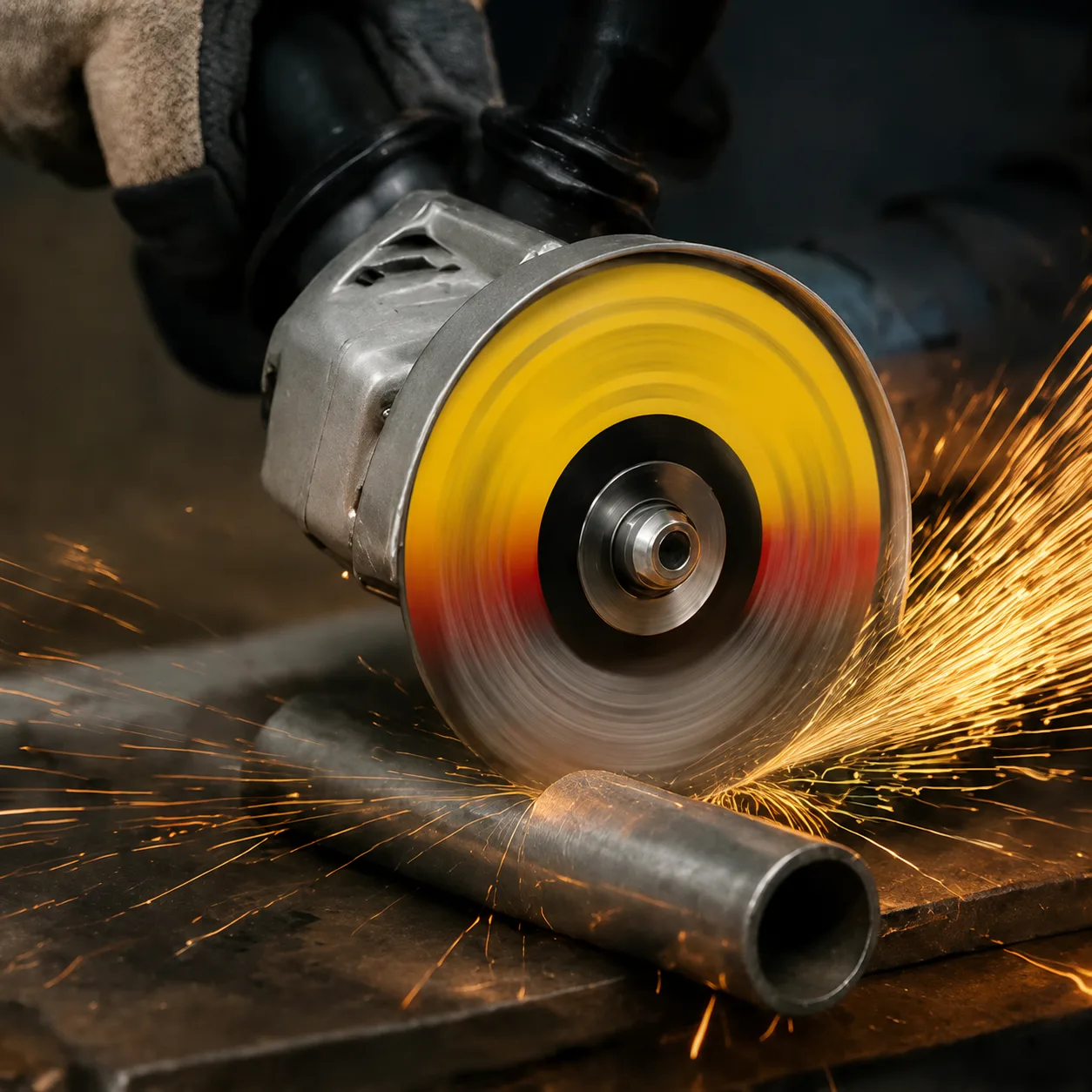
Choosing the right metal cutting wheel for your drill is crucial for achieving precision and efficiency in various industrial applications. This article will guide you through the essential considerations, helping you make informed decisions that meet your operational needs. Key concerns for B2B buyers include material compatibility, wheel dimensions, and performance specifications. By the end of this article, you’ll understand how to select the appropriate metal cutting wheel, where to source them, and common issues to watch for during use.
How to Choose the Right Metal Cutting Wheel for Your Drill

Selecting the right metal cutting wheel begins with understanding your specific application requirements. Consider the following factors:

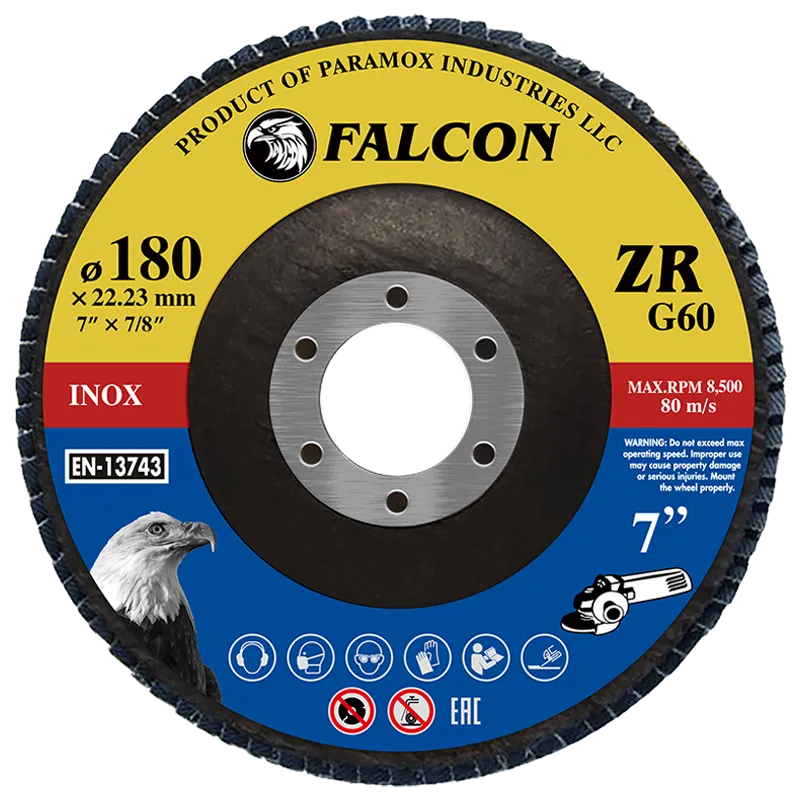
Material: Different materials such as aluminum oxide, silicon carbide, or diamond wheels are designed for specific cutting tasks. For instance, aluminum oxide is versatile and effective for various metals, while diamond wheels excel in cutting harder materials.

Thickness and Diameter: The thickness of the wheel influences the cutting speed and the depth of cut. Thicker wheels are generally more durable but may produce more heat, while thinner wheels allow for faster cutting but may wear out quickly. Ensure that the diameter of the wheel is compatible with your drill’s specifications.

Abrasive Type: The choice of abrasive affects performance. For example, a reinforced wheel is suitable for high-speed applications, whereas a non-reinforced wheel might be better for lighter tasks.

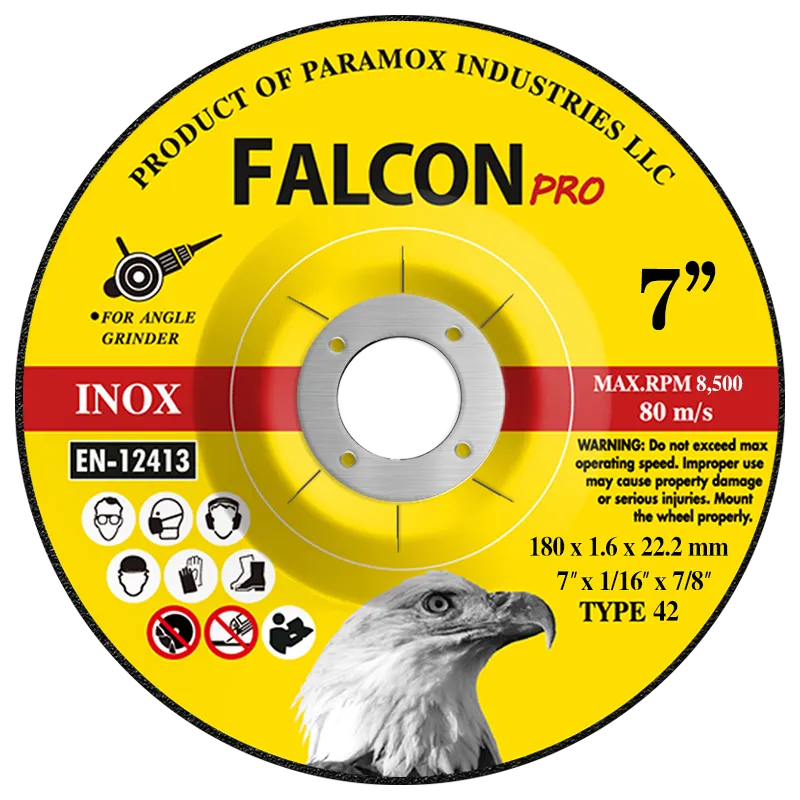
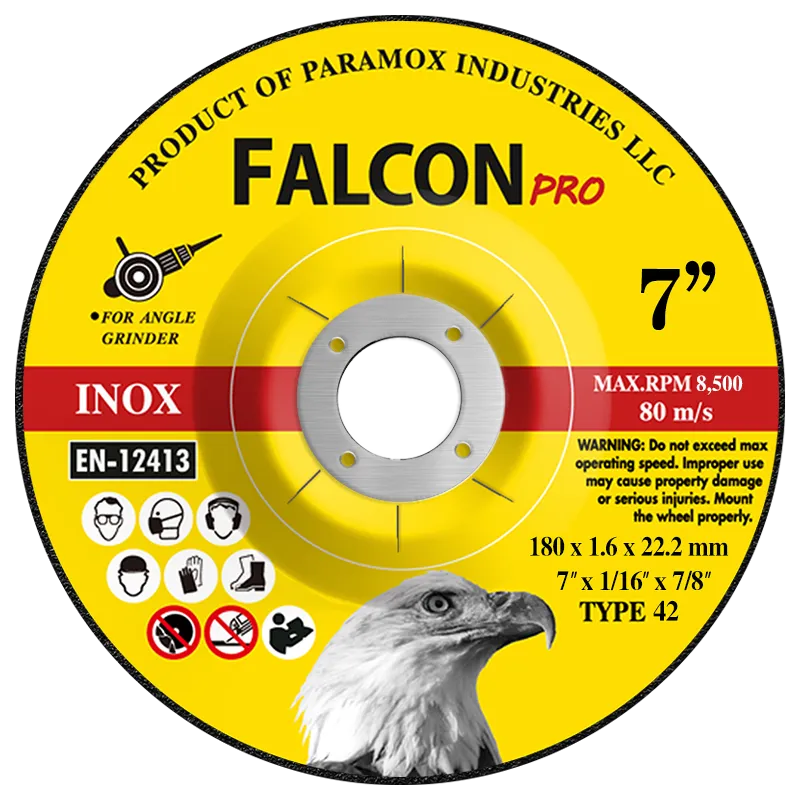
RPM Rating: Always check the maximum RPM rating of the wheel to ensure it matches or exceeds the RPM of your drill. Operating a wheel above its rated speed can lead to breakage and safety hazards.

Application: Identify the type of metal you will be cutting. Different metals, such as stainless steel, mild steel, or aluminum, require different cutting wheels for optimum performance.

Choosing the right combination of these factors will enhance the efficiency and lifespan of your cutting wheel.

Frequently Asked Questions

What materials can this metal cutting wheel cut?

Designed for steel, stainless steel, iron, and most ferrous metals; suitable for thin non-ferrous metals with proper feed and RPM.
Use manufacturer-recommended RPM printed on the wheel; typically 3,000–10,000 RPM depending on diameter. Match speed to wheel rating to prevent overheating or failure.
Commonly available in standard drill arbors (e.g., 3mm, 6mm, or 1/4") and larger bores with adapters. Check product label for exact arbor size.
Ensure power off, fit wheel to arbor, use appropriate flange and nut, tighten securely without over-torquing, and verify runout before use.
Wear safety goggles/face shield, cut-resistant gloves, hearing protection, and protective footwear. Use proper guards and clamp workpiece to prevent movement.

Our Blog Posts

Industrial Flap Discs: Quality Standards for Heavy-Duty Applications

10

Apr

Industrial Flap Discs: Quality Standards for Heavy-Duty Applications

Industrial flap discs play a critical role in heavy-duty metal fabrication, manufacturing, and surface preparation industries. Designed for grinding, blending, deburring, and finishing operations, high-quality flap discs provide consistent performanc...
View More
How to Safely Use a Cut Off Wheel Without Breaking It

17

Sep

How to Safely Use a Cut Off Wheel Without Breaking It

Cut-off wheels provide efficient cutting for metal, tile, and other hard materials. However, improper operation can create serious safety risks. Following standard safety guidelines helps protect the operator while maintaining the integrity of the wh...
View More
Can You Use a Cut Off Wheel on Aluminum?

08

Oct

Can You Use a Cut Off Wheel on Aluminum?

When processing metals, selecting suitable power-tool accessories is essential, and the cut-off wheel is one of the most widely-used options. These abrasive discs work across multiple materials, yet many users question whether they deliver safe, high...
View More
What Is a Fiber Disc & How Does It Work?

29

Jul

What Is a Fiber Disc & How Does It Work?

Fiber discs are really important tools in lots of industries, specially manufacturing and construction. They made from strong stuff and good for sanding, grinding, or polishing surfaces. You put them on machine, they spin fast and smooth rough edges ...
View More

Get a Free Quote

Our representative will contact you soon.
Email
Mobile/WhatsApp
Name
Company Name
Country
Customer Type
Estimated Order Quantity
MOQ and Free Sample Policy
Message
0/1000

Related product categories

Where to Find Reliable Suppliers of Metal Cutting Wheels

Where to Find Reliable Suppliers of Metal Cutting Wheels

Finding reliable suppliers for metal cutting wheels is essential for quality assurance and consistent supply. Consider the following avenues:

Industry Trade Shows: Attending trade shows focused on manufacturing and metalworking can connect you with reputable suppliers. This allows you to assess the quality of products firsthand.

Online Marketplaces: Platforms like Alibaba, ThomasNet, and Made-in-China feature numerous suppliers. Look for those with verified ratings and customer reviews.

Local Distributors: Consider local distributors who specialize in industrial tools and equipment. They often provide personalized service and can offer insights into product selection based on regional requirements.

Manufacturer Websites: Companies like Falcon Global / Tools Safety provide detailed product information on their websites, including specifications, certifications, and customer support options. Always look for manufacturers with a strong quality control process and relevant certifications. Additionally, you can explore Other Products / Custom Requirements for tailored solutions.

Industry Associations: Joining industry associations can provide networking opportunities and recommendations for reliable suppliers.

By exploring these resources, you can identify suppliers that offer quality products and reliable service.

Wholesale Options for Bulk Buyers

Wholesale Options for Bulk Buyers

For bulk buyers, exploring wholesale options can lead to significant cost savings. Here are key considerations:

Minimum Order Quantities (MOQ): Different suppliers may have varying MOQs. Understanding these requirements is crucial for budgeting and inventory management.

Negotiation: Many suppliers are open to negotiations, especially for larger orders. Be prepared to discuss pricing, shipping costs, and payment terms.

Custom Packaging: Some manufacturers may offer custom packaging options for bulk orders, which can enhance your brand visibility and ensure safe transport.

Lead Times: Inquire about lead times for bulk orders. It’s important to plan your purchasing schedule to align with your operational needs.

Quality Assurance: Ensure that the supplier has a robust quality control process in place. Ask about inspections and testing protocols to guarantee that the products meet your specifications.

Payment Terms: Understand the payment options available, including any discounts for upfront payment or bulk purchases.

By taking these factors into account, bulk buyers can optimize their purchasing process and reduce overall costs.

What Buyers Need to Know

What Buyers Need to Know

When purchasing metal cutting wheels, buyers should be aware of several critical factors:

Specifications Verification: Always verify the specifications of the cutting wheel against your requirements before ordering. This includes checking the material, size, and abrasive type.

Sample Approval: Request samples to evaluate before committing to a full order. Testing samples under actual working conditions can help identify potential issues.

Quality Certifications: Look for wheels that comply with industry standards and certifications. Certifications indicate that the products have undergone rigorous testing for quality and safety.

Compatibility: Ensure that the wheels are compatible with your existing equipment. Compatibility issues can lead to poor performance or safety hazards.

Operational Guidelines: Familiarize yourself with the operational guidelines for using the cutting wheels. Proper usage can extend the life of the product and improve safety.

Warranty and Support: Understand the warranty terms and the level of customer support the supplier provides. A good support system can be invaluable if issues arise post-purchase.

By being informed about these aspects, buyers can make more confident and effective purchasing decisions.

Common Problems with Metal Cutting Wheels and Their Solutions

Metal cutting wheels can encounter several common problems that may impact performance. Here are some issues and their solutions:

Wheel Breakage: This can occur due to excessive pressure or using wheels at speeds exceeding their rated RPM. To mitigate this, ensure that the wheel is compatible with the tool and apply appropriate pressure during cutting.

Dulling: Over time, cutting wheels can dull, leading to reduced performance. Regularly monitoring the condition of the wheel and replacing it when necessary can prevent this issue.

Warping: Heat generated during cutting can cause wheels to warp, affecting their cutting ability. To minimize heat buildup, use the correct RPM and avoid applying excessive pressure.

Chipping: If the wheel chips, it may be due to improper handling or using the wrong type of wheel for the application. Ensure proper storage and handling, and select the right wheel for the specific task.

Dust Generation: Excessive dust can indicate that the wheel is not suitable for the material being cut or that it's being used incorrectly. Evaluate your cutting technique and consider using a wheel specifically designed for the material.

Poor Finish Quality: If the cut surface is rough, it may be due to using the wrong abrasive type or insufficient cutting speed. Reassess your choice of wheel and adjust the operational parameters accordingly.

Addressing these common problems proactively can enhance the performance and longevity of your cutting wheels, leading to better results in your projects.

Get a Free Quote

Our representative will contact you soon.
Email
Mobile/WhatsApp
Name
Company Name
Country
Customer Type
Estimated Order Quantity
MOQ and Free Sample Policy
Message
0/1000