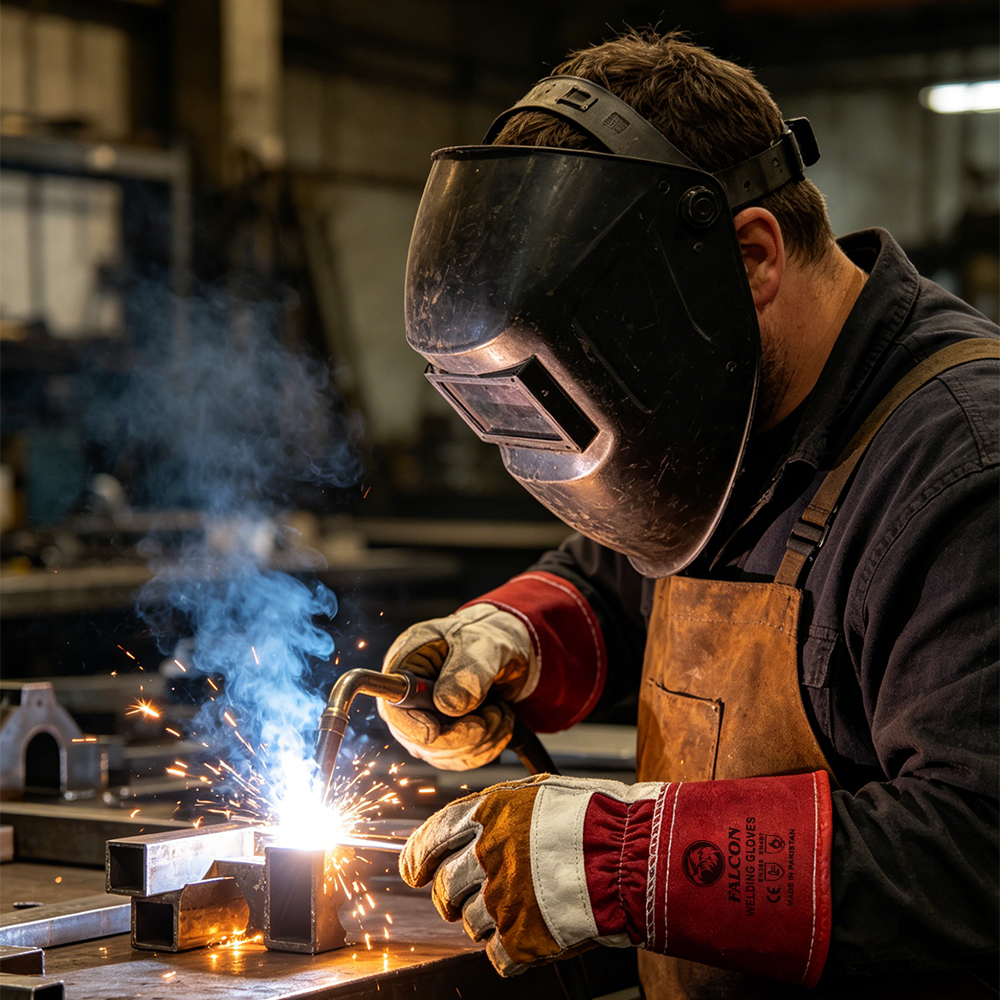
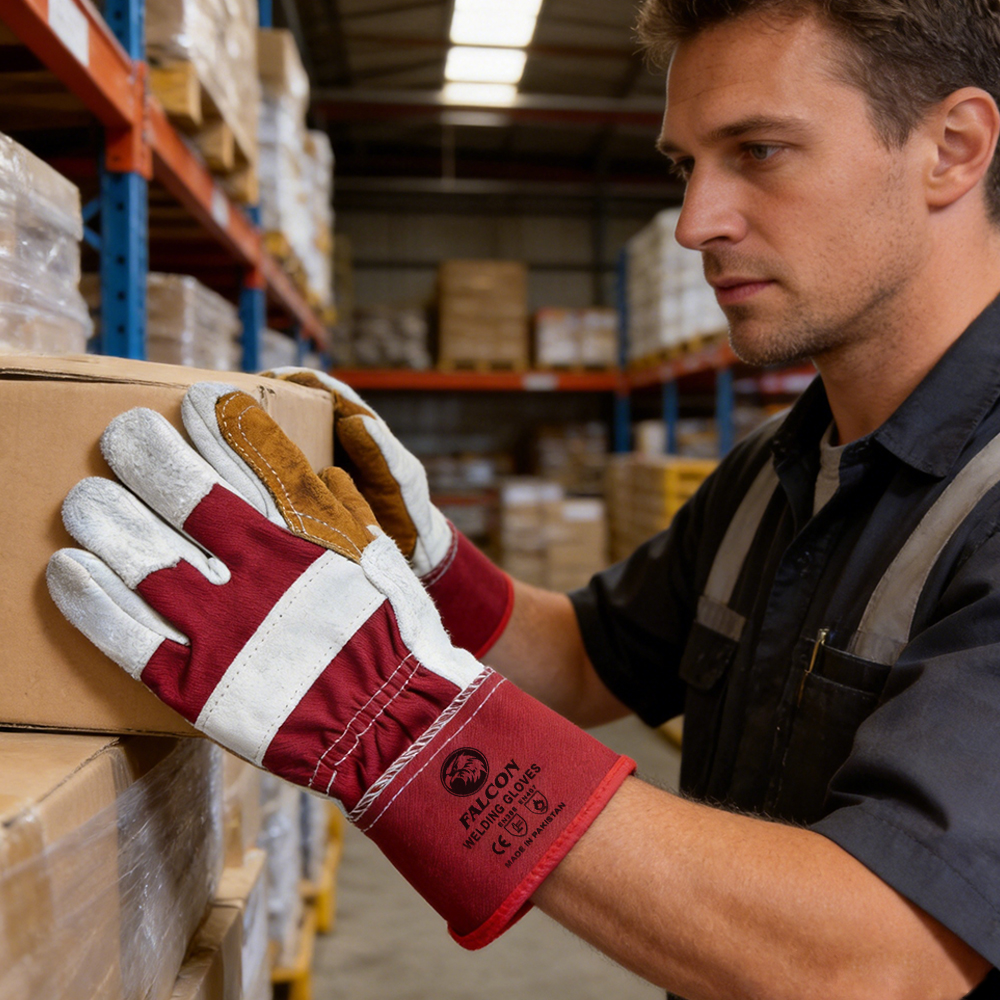
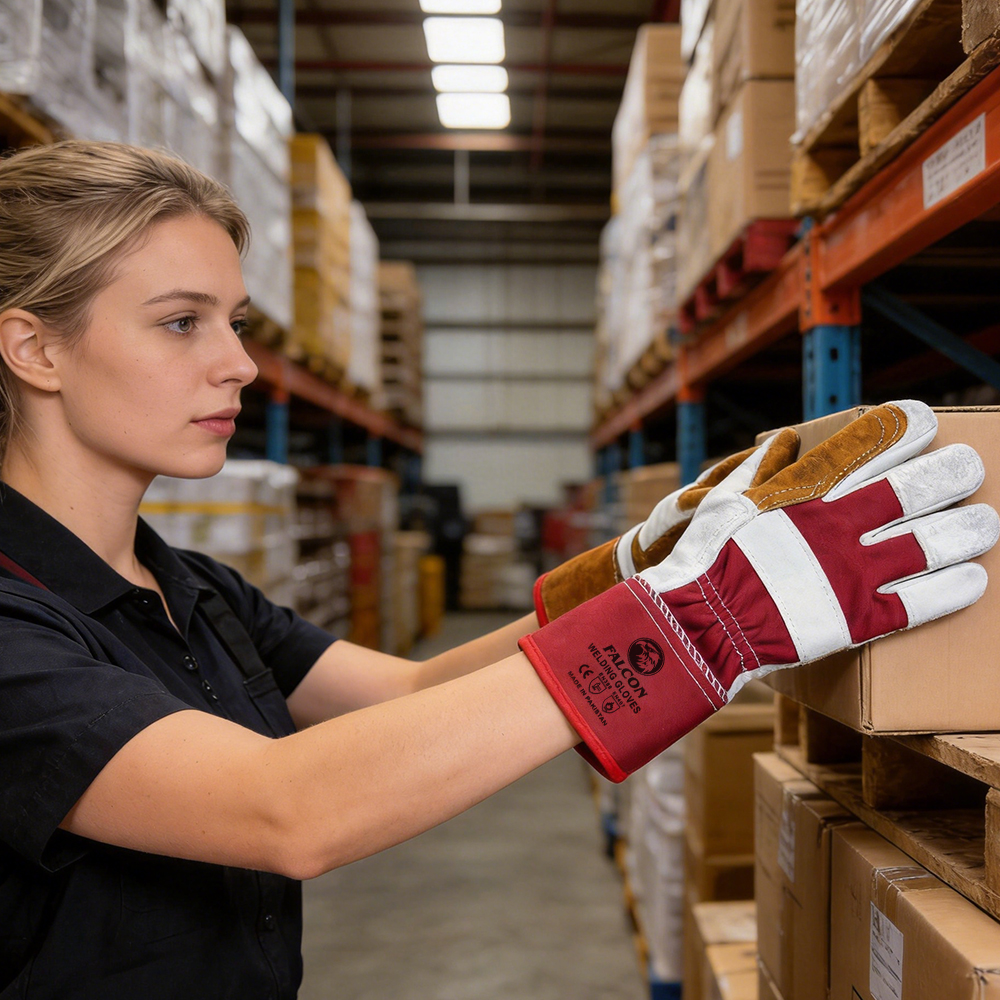
Key Specifications for Industrial Gloves

Get a Free Quote

Our representative will contact you soon.
Email
Mobile/WhatsApp
Name
Company Name
Country
Customer Type
Estimated Order Quantity
MOQ and Free Sample Policy
Message
0/1000

industrial glove

When sourcing industrial gloves, understanding their specifications and performance attributes is crucial for ensuring worker safety and operational efficiency. Industrial gloves serve as essential protective gear in various applications, ranging from manufacturing to construction. This article will delve into key specifications, the defining characteristics of superior gloves, guidance for distributors, common challenges, and proper installation practices. By the end, purchasing managers and distributors will have a clearer perspective on how to evaluate and procure the right industrial gloves for their needs.

Key Specifications to Consider When Sourcing Wholesale Gloves

When sourcing wholesale industrial gloves, there are several key specifications to consider that directly impact their effectiveness and suitability for specific applications:

Material Composition: Gloves are made from various materials, including latex, nitrile, PVC, and leather. Each material has unique properties, such as chemical resistance, cut resistance, and thermal protection. For instance, nitrile gloves are preferred in environments with exposure to oils and chemicals, while leather gloves excel in high abrasion scenarios. If you're interested in exploring more about Other Products / Custom Requirements, feel free to check that out.

Thickness and Dexterity: The thickness of gloves often correlates with their protective capabilities. Thicker gloves offer more protection but may reduce dexterity, which is essential for tasks requiring precision. Buyers should evaluate their specific needs—whether they prioritize protection or tactile sensitivity.

Size and Fit: Proper sizing is critical for comfort and safety. Gloves that are too tight can restrict movement, while loose gloves can reduce grip and increase the risk of accidents. Manufacturers often provide sizing charts that should be closely followed.

Certification and Compliance: Look for gloves that meet industry standards, such as ANSI/ISEA or EN388, which indicate their performance in terms of cut, puncture, and abrasion resistance. Certifications ensure that the gloves have been tested and meet specific safety requirements.

Grip and Texture: The surface texture of gloves can enhance grip, particularly in wet or oily conditions. Textured finishes can be beneficial for workers handling slippery materials. For those in need of Safety Gloves, it’s vital to consider these factors.

Understanding these specifications will help buyers select gloves that are not only compliant with safety regulations but also tailored to the specific demands of their operational environments.

Frequently Asked Questions

What materials are used in your industrial gloves?

Our gloves use high-performance fabrics, reinforced leather, cut-resistant fibers and durable coatings engineered for abrasion, heat and chemical resistance in industrial environments.
Yes. They are designed to withstand sparks, abrasion and heat common in grinding and metal fabrication while maintaining dexterity and protection.
We offer multiple sizes from S to XXL with ergonomic designs, adjustable cuffs and form-fitting options to ensure comfort and secure fit for varied tasks.
Clean per product label: brush off debris, hand wash mild detergent, air dry. Inspect regularly for wear, replace when protective layers are compromised.
Our industrial gloves are manufactured to meet relevant industry safety standards for cut, abrasion and heat resistance. Specific certification details are provided on product datasheets.

Our Blog Posts

Industrial Flap Discs: Quality Standards for Heavy-Duty Applications

10

Apr

Industrial Flap Discs: Quality Standards for Heavy-Duty Applications

Industrial flap discs play a critical role in heavy-duty metal fabrication, manufacturing, and surface preparation industries. Designed for grinding, blending, deburring, and finishing operations, high-quality flap discs provide consistent performanc...
View More
Best Flap Disc for Grinding Welds Cleanly

01

May

Best Flap Disc for Grinding Welds Cleanly

Weld grinding is an essential step in metal fabrication, repair work, and surface finishing. After welding, uneven weld beads, sharp edges, and excess material often need to be removed to achieve a smooth and professional surface. Choosing the best f...
View More
How to choose high-quality resin-bonded cut-off wheels

10

Sep

How to choose high-quality resin-bonded cut-off wheels

Choosing the right cut-off wheels can greatly impact the efficiency of your projects. Resin-bonded cut-off wheels remain widely popular for a host of practical benefits. They deliver clean cuts across multiple materials including metal, concrete and ...
View More
How to Remove a Stuck Grinding Wheel

12

Jun

How to Remove a Stuck Grinding Wheel

Sometimes when you working with machines, the grinding wheel just refuse to move. It can be really annoying, specially if you in hurry to finish job. If this ever happen to you, no need worry too much! With little patience and correct way, you can re...
View More

Get a Free Quote

Our representative will contact you soon.
Email
Mobile/WhatsApp
Name
Company Name
Country
Customer Type
Estimated Order Quantity
MOQ and Free Sample Policy
Message
0/1000

Related product categories

What Makes a Superior Industrial Glove?

What Makes a Superior Industrial Glove?

A superior industrial glove should excel in several key areas that enhance both safety and usability. Here are critical attributes that distinguish high-performance gloves:

Durability: The glove's construction should withstand the rigors of the work environment. This includes resistance to punctures, cuts, and abrasions. Materials like Kevlar or reinforced synthetic fibers are often used in high-impact industries to enhance durability.

Comfort: Comfort is essential for ensuring that workers wear gloves consistently. Features such as moisture-wicking linings, ergonomic designs, and soft seams contribute to overall comfort. A comfortable glove reduces fatigue, which can lead to better productivity.

Flexibility: While protection is paramount, gloves should not compromise on flexibility. A glove that allows for natural hand movement is crucial, especially for tasks that require dexterity. Look for gloves with articulated fingers or stretchable materials that provide both protection and freedom of movement.

Chemical Resistance: In industries where workers are exposed to hazardous chemicals, gloves must offer adequate protection. Buyers should verify chemical resistance ratings to ensure the gloves can withstand potential exposure without degrading.

Customizability: Many manufacturers, including FALCON GLOBAL / TOOLS SAFETY, offer customizable options for gloves, allowing companies to incorporate specific features tailored to their operational needs, such as branding, unique sizes, or added functionalities.

Investing in superior industrial gloves ensures a safer workplace, reduces the risk of injuries, and enhances overall employee satisfaction.

A Guide for Distributors

A Guide for Distributors

Distributors play a pivotal role in connecting manufacturers with end-users. To effectively sell industrial gloves, distributors should focus on the following strategies:

Understanding Customer Needs: Engage with customers to determine their specific requirements. This involves understanding the industry they operate in, the types of hazards they face, and any regulatory compliance standards they must meet.

Educating Clients on Product Features: Provide clients with comprehensive information about the gloves you offer. Highlight key specifications, material benefits, and compliance certifications. Distributors should be able to explain how specific glove features translate into better performance and safety.

Building Relationships with Manufacturers: Strong relationships with manufacturers can lead to better pricing, exclusive products, and faster turnaround times. Distributors should maintain open communication to stay informed about new product developments and industry trends.

Offering Samples and Trials: Encourage potential customers to test samples of gloves before making bulk purchases. This allows them to evaluate fit, comfort, and performance in their specific work environment.

Providing Ongoing Support: Follow up with clients after a sale to gather feedback and offer assistance with any issues. Ongoing support can lead to repeat business and referrals.

By focusing on these areas, distributors can position themselves as trusted partners in the procurement of industrial gloves, enhancing customer satisfaction and boosting sales.

Common Problems with Industrial Gloves and Their Solutions

Common Problems with Industrial Gloves and Their Solutions

While industrial gloves are designed for protection, several common issues can arise during their use. Here are some of those problems along with practical solutions:

Poor Fit: Gloves that do not fit correctly can lead to decreased dexterity and increased risk of slippage. To address this, buyers should ensure they use accurate sizing charts and consider trying different sizes or styles to find the best fit.

Material Degradation: Some materials may degrade when exposed to specific chemicals or harsh conditions. It's essential for buyers to consult chemical compatibility charts and choose gloves specifically rated for the chemicals they will handle.

Allergic Reactions: Latex allergies are common among workers. Offering alternatives such as nitrile or vinyl gloves can help mitigate this issue. Encourage open communication about allergies to ensure all workers are safe.

Reduced Grip in Wet Conditions: In environments where moisture is present, gloves may lose their grip. Selecting gloves with textured surfaces or specifically designed for wet conditions can enhance grip and safety.

Insufficient Protection: In high-risk environments, gloves may not provide adequate protection. Buyers should carefully assess the risks involved in their operations and select gloves that meet the necessary performance standards for their specific applications.

By proactively addressing these common issues, buyers can ensure their workforce remains safe and productive.

Installation Guidance for Proper Use of Industrial Gloves in Projects

Proper installation and use of industrial gloves are crucial for maximizing safety and performance. Here are guidelines to follow:

Clean Hands Before Wearing Gloves: Ensure hands are clean and dry before putting on gloves. This prevents contamination and reduces the risk of skin irritation.

Wearing Technique: When donning gloves, avoid touching the outer surface to minimize contamination risk. The gloves should fit snugly but comfortably, covering the wrist area without restricting movement.

Inspect for Damage: Before each use, inspect gloves for any signs of wear, tears, or degradation. Gloves that show damage should be discarded and replaced immediately.

Proper Removal: Remove gloves carefully to avoid contaminating hands. Grasp the outside of one glove near the wrist and pull it off while turning it inside out, then dispose of it properly. Repeat with the other glove.

Storage: Store gloves in a cool, dry place away from direct sunlight and chemicals. Proper storage extends the lifespan of the gloves and ensures they remain in good condition for future use.

By following these installation and usage guidelines, companies can ensure the protective gear's effectiveness and enhance overall workplace safety.

Get a Free Quote

Our representative will contact you soon.
Email
Mobile/WhatsApp
Name
Company Name
Country
Customer Type
Estimated Order Quantity
MOQ and Free Sample Policy
Message
0/1000