Choosing Custom Earplugs for Industrial Safety

Get a Free Quote

Our representative will contact you soon.
Email
Mobile/WhatsApp
Name
Company Name
Country
Customer Type
Estimated Order Quantity
MOQ and Free Sample Policy
Message
0/1000

custom earplug

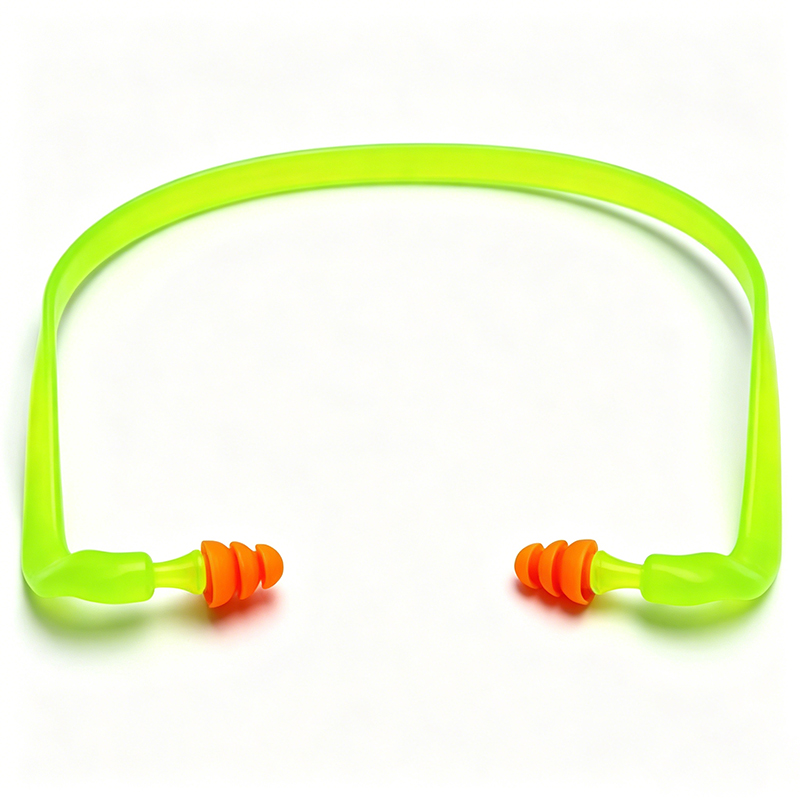
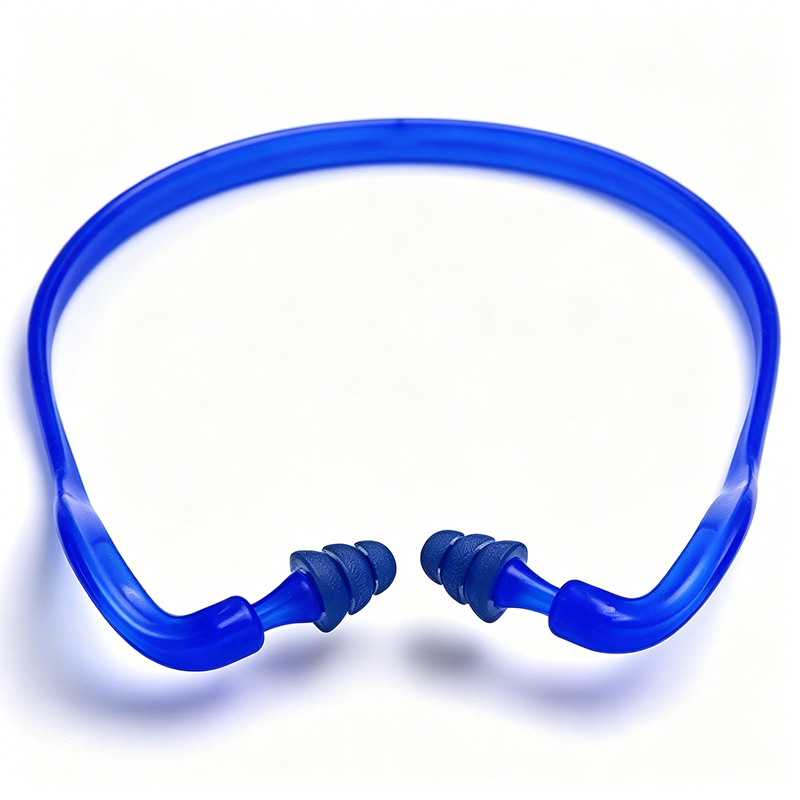
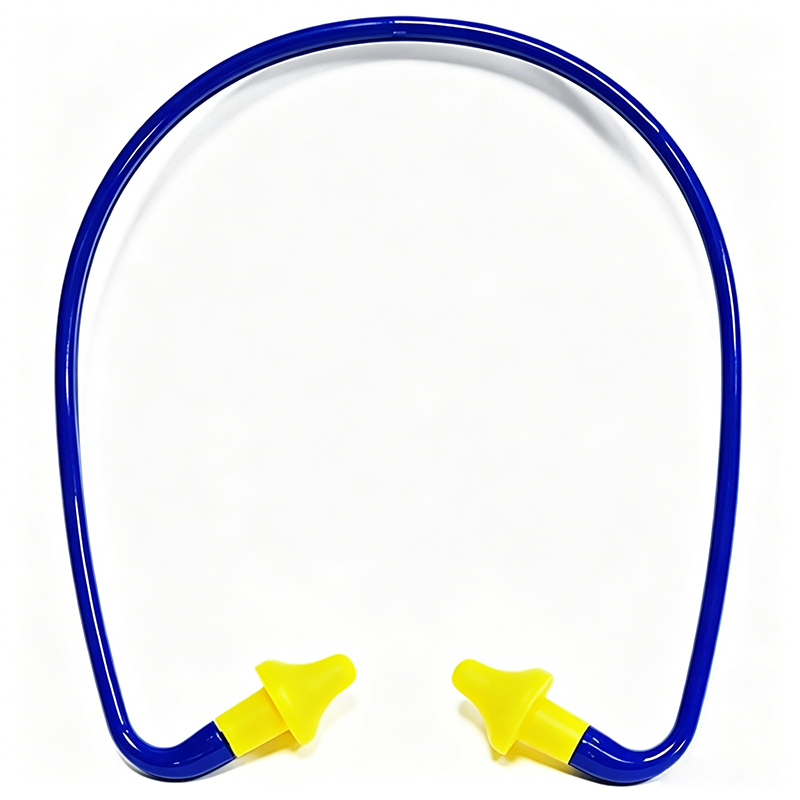
Custom earplugs are essential safety gear designed to protect workers in noisy industrial environments. These tailored hearing protection devices not only ensure compliance with safety regulations but also enhance comfort and effectiveness, addressing common buyer concerns about fit, noise reduction, and durability. This article will guide you through the critical aspects of selecting custom earplugs for industrial applications, including technical specifications, installation guidance, and material advantages to help you make an informed purchasing decision.

Choosing the Right Custom Earplugs for Industrial Applications

When selecting custom earplugs for industrial use, the primary focus should be on the specific environment in which they will be used. Different industries present unique challenges, from high-decibel machinery in manufacturing plants to quieter settings where sound quality is essential, such as in construction sites. Understanding the noise levels and types of hazards present helps in choosing the appropriate noise reduction rating (NRR), which indicates the effectiveness of the earplugs in reducing sound.

Moreover, consider the duration of use. Custom earplugs designed for long-term wear should prioritize comfort, as discomfort can lead to improper use. Features such as soft materials and ergonomic designs can significantly enhance comfort for extended periods. Additionally, assess the potential for exposure to contaminants. For instance, in environments with dust or chemicals, earplugs may need to be resistant to certain substances, further emphasizing the importance of selecting a tailored solution. In such cases, you might consider options like Silicone Earplugs (FY-911) that offer durability and comfort.

Frequently Asked Questions

What is custom earplug and its primary use?

Custom earplug is a tailored hearing protection device molded to fit an individual's ear canal, designed to reduce noise exposure in industrial settings while maintaining comfort for grinding, cutting, and other high-noise tasks.
Contact our sales team with ear impressions or schedule onsite fitting. Provide employee counts, noise levels, and usage needs so we can recommend optimal materials and protection levels.
Custom earplugs typically offer high attenuation; NRR varies by material and design. We assess workplace noise and specify appropriate ratings to ensure compliance with safety standards.
Yes, they are reusable. Clean earplugs daily with mild soap and water, dry thoroughly, and store in their case. Replace if damaged or hygiene cannot be maintained.
Yes. Our custom earplugs are designed for compatibility with helmets, safety glasses, and respirators. Inform us of your PPE combinations to ensure proper fit and comfort.

Our Blog Posts

When is a flap disc worn out?

12

Mar

When is a flap disc worn out?

A flap disc is an essential abrasive tool used for grinding, blending, and finishing a variety of surfaces. Commonly installed on angle grinders, flap discs are made with multiple layers of abrasive cloth that gradually wear away during use while mai...
View More
Flap Disc vs Fiber Disc: Whats the Difference?

22

Apr

Flap Disc vs Fiber Disc: Whats the Difference?

When it comes to metal grinding and surface finishing, choosing the right abrasive tool can significantly impact work efficiency, surface quality, and overall project results. Two of the most commonly used options are flap discs and fiber discs. Alth...
View More
What Is a Zirconia Flap Disc Used For?

08

May

What Is a Zirconia Flap Disc Used For?

Zirconia flap discs are special tools using for grinding and polishing many kind of materials. They very popular in industries like metalworking and also woodworking. These discs got layers from zirconia abrasive that help to make surface smooth and ...
View More
Common Uses of Fiber Discs in Metalworking

01

Aug

Common Uses of Fiber Discs in Metalworking

Fiber discs are really important tools in metalworking. They are round shape discs made from strong stuff and covered with abrasive grains. These discs get used on grinders or sanders machines to smooth, shape, and polish metal surfaces. Peoples who ...
View More

Get a Free Quote

Our representative will contact you soon.
Email
Mobile/WhatsApp
Name
Company Name
Country
Customer Type
Estimated Order Quantity
MOQ and Free Sample Policy
Message
0/1000

Related product categories

Technical Specifications for Custom Earplugs You Need to Know

Technical Specifications for Custom Earplugs You Need to Know

Understanding the technical specifications of custom earplugs is crucial for ensuring they meet your operational needs. Key specifications include:

Noise Reduction Rating (NRR): This rating indicates how much sound the earplugs can block. A higher NRR is preferable in louder environments. For industrial applications, look for NRR ratings that align with the noise levels your workers will encounter.

Material Composition: Common materials include silicone, foam, and thermoplastic elastomers. Each material has unique properties affecting comfort, durability, and sound dampening capabilities.

Fit and Size: Custom earplugs should be molded to the individual user's ear canal shape for optimal fit. This ensures a secure seal, enhancing noise reduction and comfort.

Moisture Resistance: In environments with high humidity or contact with water, moisture-resistant earplugs can maintain performance and longevity.

Make sure to confirm these specifications with your supplier to ensure the custom earplugs are suitable for your specific applications.

What to Look for in Custom Earplugs

What to Look for in Custom Earplugs

Selecting the right custom earplugs involves evaluating several factors that cater to both safety and comfort. Here are the essential elements to consider:

Comfort and Fit: Ensure the earplugs are designed for the unique anatomy of the user's ear. Poorly fitting earplugs can lead to discomfort and decreased effectiveness. Opt for manufacturers offering custom-molding options to guarantee a snug fit.

Performance: Verify that the earplugs provide adequate sound protection for the environment. This includes consulting with your supplier about the expected NRR based on your work conditions.

Durability: Choose materials known for their resilience and longevity. Custom earplugs should withstand wear and tear, especially in industrial settings where they may be exposed to harsh conditions. Options like Grinding Discs for Metal can also be useful in conjunction with earplugs for overall safety gear.

Cleanability: Consider earplugs that can be easily cleaned or are disposable. In environments where hygiene is crucial, easy-to-maintain options will enhance employee safety.

Certifications: Look for products that meet relevant safety standards. This ensures the earplugs have been tested for quality and performance.

By focusing on these aspects, you can ensure the custom earplugs selected will provide effective protection and comfort to your workforce.

Installation Guidance for Effective Use of Custom Earplugs

Installation Guidance for Effective Use of Custom Earplugs

Proper installation and use of custom earplugs are vital for achieving maximum effectiveness in noise reduction. Here are some practical steps to ensure correct use:

Cleaning: Before first use, clean the earplugs according to the manufacturer's guidelines to remove any contaminants from the molding process.

Insertion: To insert custom earplugs correctly, hold the earplug by the stem (if applicable) and gently pull the outer ear up and back. This opens the ear canal, allowing for a snug fit. Insert the earplug into the ear canal until a comfortable seal is achieved.

Check for Proper Fit: After insertion, it’s essential to confirm that the earplugs are seated correctly. A well-fitted earplug should create a noticeable reduction in ambient noise. If there is still excessive noise, reinsert the earplugs or consult with the supplier for adjustments.

Maintenance: Regularly clean and inspect the earplugs for wear and tear. Replace them according to the manufacturer’s recommendations to ensure continued protection.

Proper installation not only enhances comfort but also boosts the effectiveness of the earplugs, ensuring workers are adequately protected in noisy environments.

Understanding Material Advantages in Custom Earplugs

The material used in custom earplugs significantly influences their performance and comfort. Here’s a breakdown of common materials along with their advantages:

Silicone: Known for its flexibility and comfort, silicone is ideal for extended wear. It is also resistant to moisture, making it suitable for various industrial environments. However, it may have a lower NRR compared to other materials.

Foam: Foam earplugs are lightweight and provide a high NRR, making them a good choice for extremely noisy environments. They expand in the ear canal to create a seal, but may not be as comfortable for long periods.

Thermoplastic Elastomers (TPE): These offer a balance between the durability of silicone and the comfort of foam. TPE is often used in custom molds and provides a snug fit with adequate sound protection.

Selecting the right material not only enhances comfort but also ensures that the earplugs will perform effectively under the specific conditions of your industrial application. Always discuss material options with your supplier to determine the best fit for your needs.

Investing in custom earplugs tailored to your industrial application enhances safety and comfort for workers. By understanding the selection process, technical specifications, installation guidelines, and material advantages, you can make informed purchasing decisions that protect your workforce and ensure compliance with safety standards.

Get a Free Quote

Our representative will contact you soon.
Email
Mobile/WhatsApp
Name
Company Name
Country
Customer Type
Estimated Order Quantity
MOQ and Free Sample Policy
Message
0/1000