How to Choose Quality Welding Glasses for Safety

Get a Free Quote

Our representative will contact you soon.
Email
Mobile/WhatsApp
Name
Company Name
Country
Customer Type
Estimated Order Quantity
MOQ and Free Sample Policy
Message
0/1000

Welding glasses

Welding glasses are essential safety gear for anyone involved in welding activities, providing critical eye protection from harmful radiation, sparks, and debris. For B2B buyers such as purchasing managers and safety officers, selecting the right welding glasses is vital to ensure worker safety and compliance with industry standards. This article will guide you through the key specifications, features, and benefits of quality welding glasses, as well as installation guidance and material advantages to help you make informed purchasing decisions.

Our Products

How to Choose Quality Welding Glasses for Your Projects

When selecting welding glasses, the primary concerns should focus on the type of welding being performed, the level of protection needed, and comfort during use. Different welding processes, such as MIG, TIG, or stick welding, emit varying types of radiation, which determine the appropriate shade for welding lenses. For instance, a higher shade number (like 10 to 14) is typically required for arc welding, while lower shades (like 5 to 9) may be sufficient for gas welding. 

It is also crucial to consider the fit and comfort of the glasses. A proper fit ensures that the safety glasses provide adequate coverage and minimize light exposure from the sides. Adjustable features, such as nose pads and temples, can enhance comfort during prolonged use. Additionally, look for glasses that meet relevant safety standards, such as ANSI Z87.1 in the United States, which assures buyers of their protective capabilities. 

Frequently Asked Questions

What protection do these welding glasses provide?

Our welding glasses shield eyes from intense light, sparks, and UV/IR radiation during welding, reducing glare and preventing eye strain for industrial tasks.
Yes. They are manufactured for industrial applications, offering high durability and compliance with safety requirements for grinding and welding environments.
Constructed with impact-resistant lenses and reinforced frames, features include anti-scratch coating, UV/IR filtering, and adjustable nose and temple fittings for comfort.
Wipe lenses with a soft, lint-free cloth and mild detergent; avoid solvents. Store in a protective case to prevent scratches and inspect regularly for damage.
Many of our welding glasses are designed to fit over low-profile prescription frames; check product sizing or contact us for compatibility guidance.

Our Blog Posts

What types of flap discs are there?

14

Mar

What types of flap discs are there?

Flap discs are one of the most versatile abrasive tools used for grinding, blending, and finishing different materials. Commonly installed on angle grinders, flap discs are made with overlapping abrasive flaps attached to a backing plate. This unique...
View More
Common Uses of Fiber Discs in Metalworking

01

Aug

Common Uses of Fiber Discs in Metalworking

Fiber discs are really important tools in metalworking. They are round shape discs made from strong stuff and covered with abrasive grains. These discs get used on grinders or sanders machines to smooth, shape, and polish metal surfaces. Peoples who ...
View More
What Is a Grinding Wheel & What Are Its Types?

07

Aug

What Is a Grinding Wheel & What Are Its Types?

A grinding wheel is a very important tool in lots of industries. It help to shape, grind and polish things like metal, wood or stone. These wheels are round discs make from hard stuff and use with grinder machines. They can be really tough and cut th...
View More
How to Properly Wear and Fit a Hard Hat

11

Jul

How to Properly Wear and Fit a Hard Hat

Wearing hard hat is important for safety in many work places, specially construction or manufacturing. It protect your head from falling things, bumps and other dangers. At Falcon Global, we know that wearing it correct is just as important as having...
View More

Get a Free Quote

Our representative will contact you soon.
Email
Mobile/WhatsApp
Name
Company Name
Country
Customer Type
Estimated Order Quantity
MOQ and Free Sample Policy
Message
0/1000

Related product categories

Key Specifications to Consider for Welding Glasses

Key Specifications to Consider for Welding Glasses

When evaluating welding glasses, buyers should focus on several key specifications: 

Lens Shade: The lens shade is perhaps the most critical specification. It determines how much light is filtered out and protects the eyes from harmful radiation. Choose a shade based on the welding process and material being used. Always refer to the ANSI guidelines for the appropriate shade for specific applications. 

Material: The lens material can significantly affect durability and clarity. Polycarbonate lenses are lightweight and impact-resistant, making them popular for safety applications. Glass lenses offer superior scratch resistance and optical clarity but can be heavier and more prone to breakage. 

UV Protection: Ensure that the welding glasses provide adequate UV protection. Look for lenses that block 99% to 100% of UV rays to prevent long-term eye damage. 

Anti-Fog and Scratch-Resistant Coatings: These coatings enhance usability by preventing fogging during work and extending the life of the lenses. Depending on the work environment, this can be a vital feature. 

Comfort Features: Adjustable temples and nosepieces can help secure a comfortable fit, especially in extended use scenarios. 

Buyers should verify these specifications with suppliers to ensure they meet their specific application requirements. 

Features and Benefits Explained

Features and Benefits Explained

Quality welding glasses come with a variety of features that enhance their functionality and safety. Here are some essential features alongside their benefits: 

Polarized Lenses: Reduces glare from reflective surfaces, improving visibility during welding tasks. This is particularly beneficial when working outdoors or in brightly lit environments. 

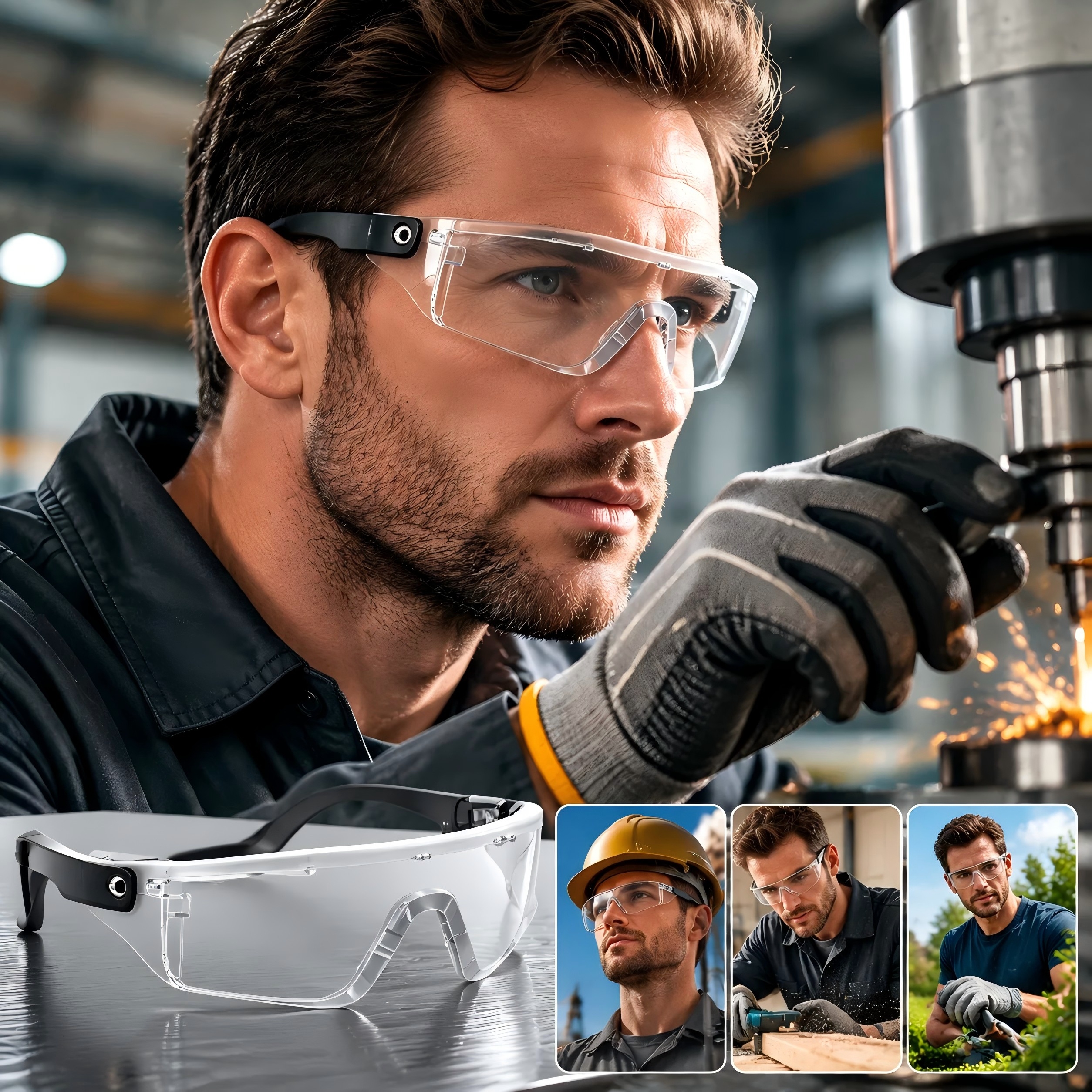
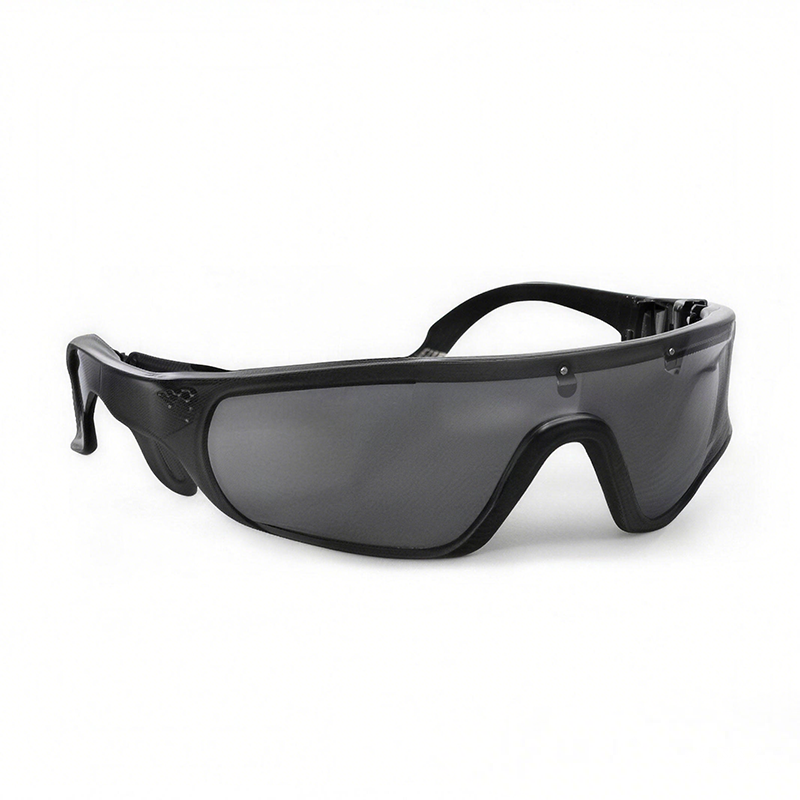
Wraparound Design: Offers additional coverage and protection, preventing sparks or debris from entering from the sides. 

Lightweight Construction: Lightweight materials reduce fatigue during extended use, essential for workers who wear these prescription safety glasses for long periods. 

Interchangeable Lenses: Some models allow users to swap out lenses for different shades, providing versatility across different welding applications. 

Understanding these features can help buyers select welding glasses that enhance safety without compromising comfort or usability. 

Installation Guidance for Optimal Use of Welding Glasses

Installation Guidance for Optimal Use of Welding Glasses

Proper installation and adjustment of welding glasses are crucial to maximize their protective capabilities. Here are some practical steps to ensure optimal use: 

Adjust the Fit: When wearing the glasses, make sure they sit comfortably on your face without gaps that could allow light to enter. Adjust the temples to ensure a snug fit, as this will help keep the lenses in place during movement. 

Cleaning and Maintenance: Regularly clean the lenses with a soft cloth to maintain visibility and prevent scratches. Avoid using abrasive materials that could damage the lens surface. 

Storage: When not in use, store the glasses in a protective case to prevent damage from impacts or scratches. This is particularly important for glass lenses, which can be more fragile. 

Inspection Before Use: Before each use, inspect the lenses for any cracks or scratches that could impair visibility. Replace damaged lenses immediately to ensure safety. 

Implementing these practices can significantly enhance the longevity and effectiveness of welding glasses. 

Material Advantages of High-Performance Welding Glasses

The material used in manufacturing welding glasses plays a significant role in their performance and suitability for various applications. Here’s a breakdown of common materials and their advantages: 

Polycarbonate: This material is favored for its lightweight and shatter-resistant properties. It provides excellent impact protection, making it ideal for environments where flying debris is a concern. 

Glass: Known for its optical clarity and scratch resistance, glass lenses are often preferred for tasks requiring high visibility. However, they are heavier and more susceptible to breakage than polycarbonate options. 

Acrylic: While less commonly used for professional welding applications, acrylic lenses can be a cost-effective option for less demanding tasks. They tend to be lighter but offer reduced impact resistance compared to polycarbonate and glass. 

Choosing the right prescription safety eyewear material based on the specific working conditions and applications is essential for ensuring adequate protection and performance. 

By understanding the key specifications, features, installation guidance, and material advantages of welding glasses, B2B buyers can make informed decisions that enhance safety and productivity in welding operations. 

Get a Free Quote

Our representative will contact you soon.
Email
Mobile/WhatsApp
Name
Company Name
Country
Customer Type
Estimated Order Quantity
MOQ and Free Sample Policy
Message
0/1000