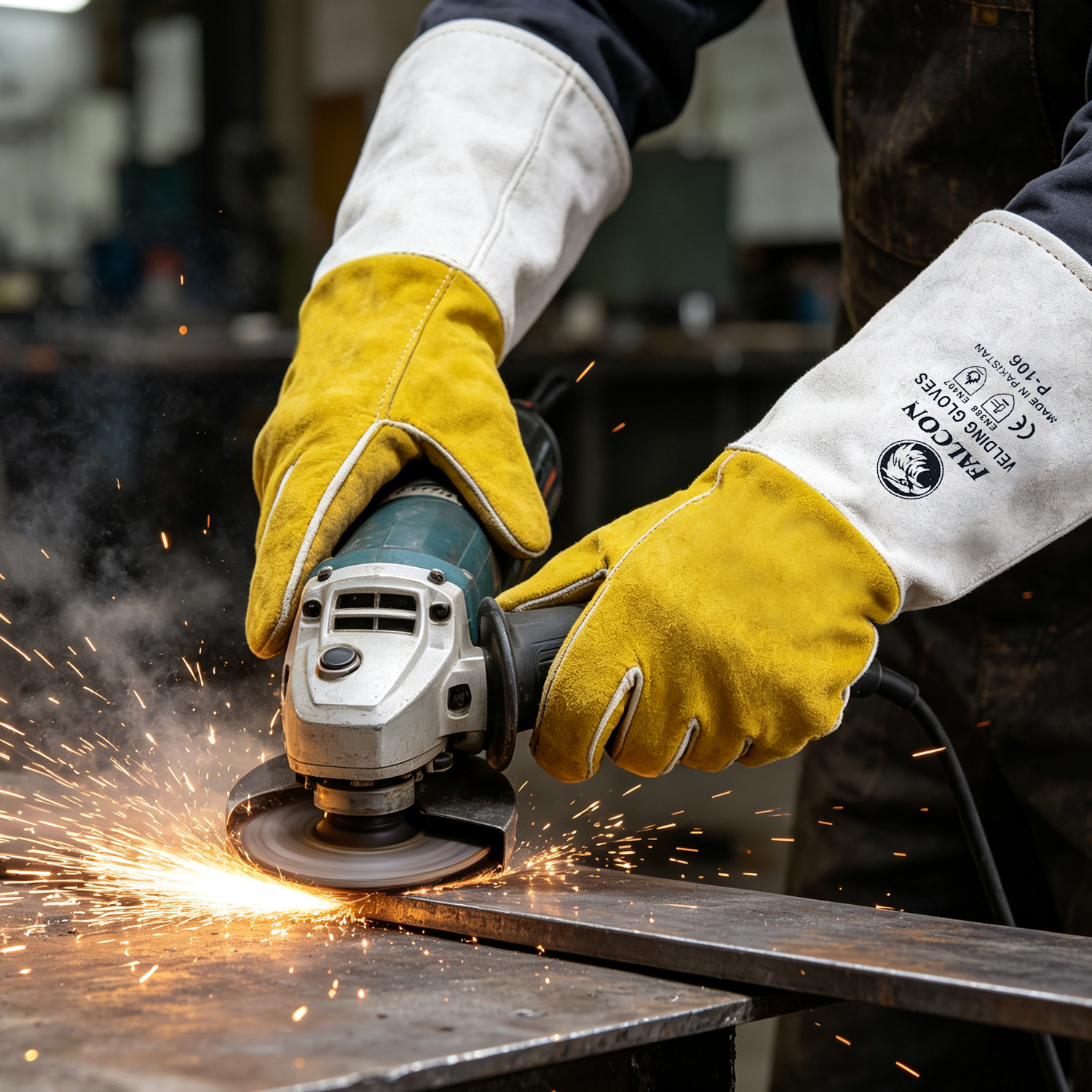
Choosing Warm Work Gloves for Industrial Use

Get a Free Quote

Our representative will contact you soon.
Email
Mobile/WhatsApp
Name
Company Name
Country
Customer Type
Estimated Order Quantity
MOQ and Free Sample Policy
Message
0/1000

warm work gloves

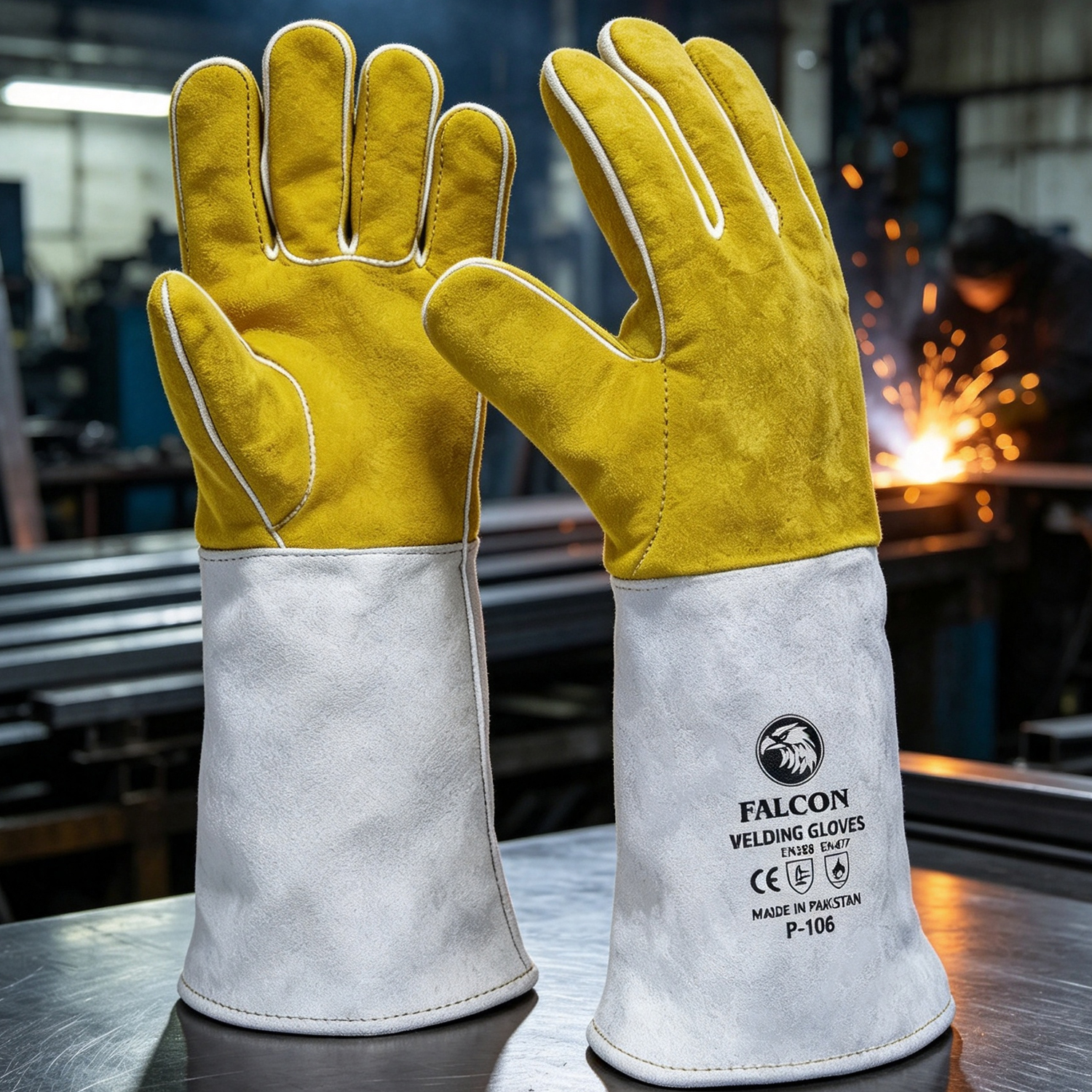
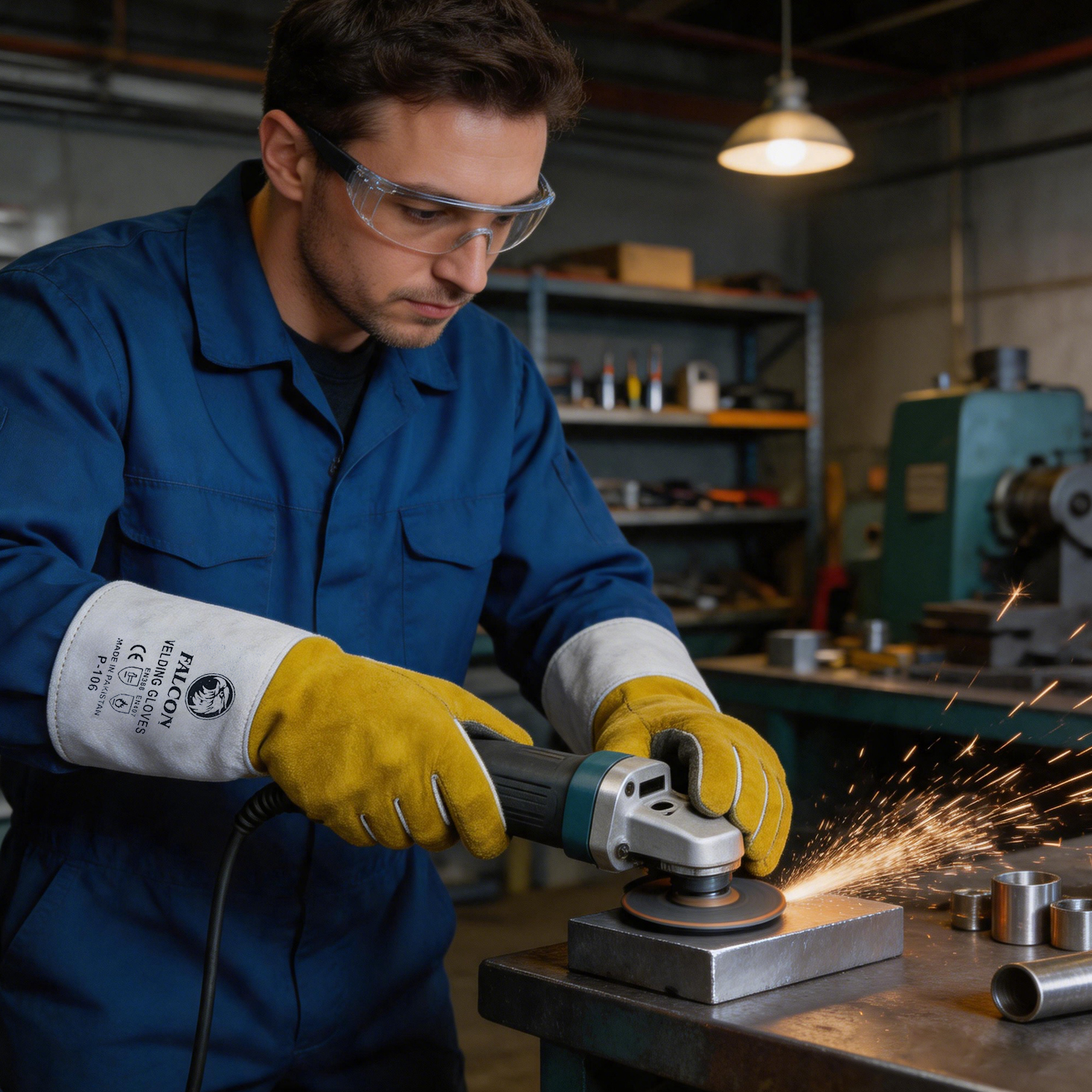
Warm work gloves are essential protective gear designed to keep hands safe and warm in industrial environments. For purchasing managers and safety officers in manufacturing and industrial sectors, selecting the right warm work gloves involves several considerations, including the material, fit, and functionality tailored to specific tasks. This article will delve into how to choose the right warm work gloves, key specifications to consider, common issues, their applications across various industries, and best practices for installation and maintenance.
Choosing the Right Warm Work Gloves for Your Industrial Needs

When selecting warm work gloves, it’s crucial to assess the specific requirements of your industrial environment. Factors such as the type of work, temperature conditions, and potential hazards play a significant role in your choice. For instance, if your team works in cold storage or outdoor applications, gloves that provide thermal insulation alongside grip and dexterity are vital. Additionally, consider exploring our Other Products / Custom Requirements that may complement your safety gear.

Consider the balance between warmth and functionality; for tasks requiring fine motor skills, gloves with thinner insulation may be appropriate, while bulkier options can be beneficial for heavy-duty tasks. It's also essential to ensure that the gloves meet safety standards relevant to your industry, such as cut resistance or chemical protection, ensuring compliance and employee safety.

Frequently Asked Questions

What materials are warm work gloves made of?

Our warm work gloves use insulated liners, durable outer fabrics, and reinforced palms for heat retention, abrasion resistance, and extended wear in industrial settings.
They are designed for moderate heat exposure and thermal protection in common industrial tasks; for extreme temperatures, consult product specs or request higher-rated PPE.
Yes. They combine reinforced palms and abrasion-resistant textiles with insulation to balance thermal comfort and mechanical protection for demanding work.
Most styles are machine or hand washable per care instructions. Proper cleaning and inspection extend service life; replace if insulation or reinforcements degrade.
We offer multiple sizes and cuff styles for secure fit and dexterity; contact us with measurements for recommended sizing or custom options for industrial applications.

Our Blog Posts

Industrial Flap Discs: Quality Standards for Heavy-Duty Applications

10

Apr

Industrial Flap Discs: Quality Standards for Heavy-Duty Applications

Industrial flap discs play a critical role in heavy-duty metal fabrication, manufacturing, and surface preparation industries. Designed for grinding, blending, deburring, and finishing operations, high-quality flap discs provide consistent performanc...
View More
Can a Masonry Cut Off Wheel Cut Metal?

19

Sep

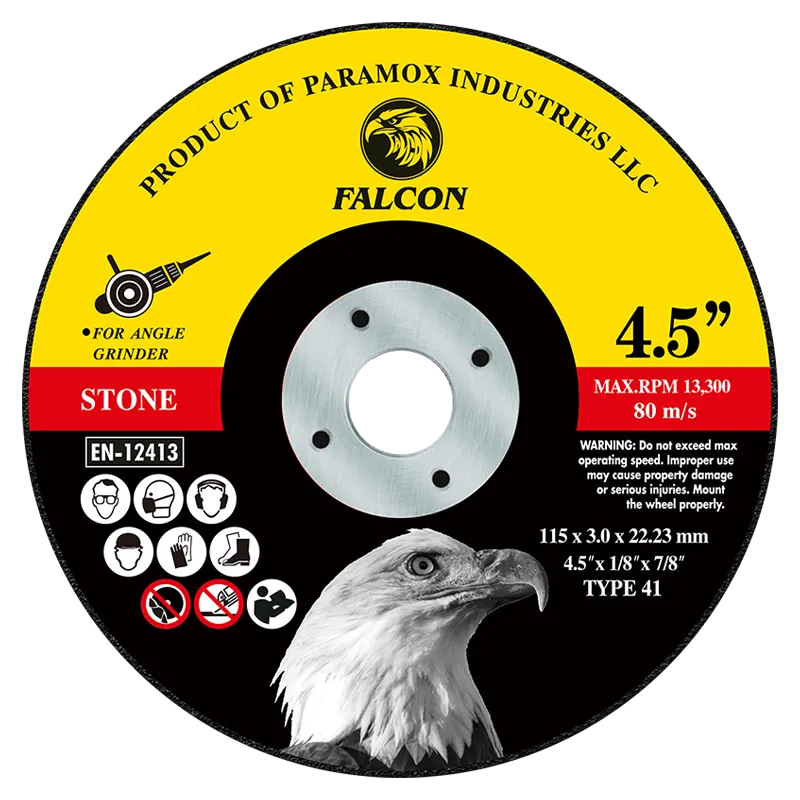
Can a Masonry Cut Off Wheel Cut Metal?

When selecting an abrasive cutting wheel, it is important to choose a product that is suitable for the material and application. Masonry cut-off wheels are mainly designed for cutting masonry materials such as brick, concrete, stone, and other simila...
View More
What Is a Grinding Wheel & What Are Its Types?

07

Aug

What Is a Grinding Wheel & What Are Its Types?

A grinding wheel is a very important tool in lots of industries. It help to shape, grind and polish things like metal, wood or stone. These wheels are round discs make from hard stuff and use with grinder machines. They can be really tough and cut th...
View More
What Are Grinding Wheels Made Of?

13

Aug

What Are Grinding Wheels Made Of?

Grinding wheels are special tools using in many industry. They help grind, cut and polish various material. But what they made of?  Usually grinding wheels comes from mix of things. The main part is abrasive, which can be diamond, aluminum oxide...
View More

Get a Free Quote

Our representative will contact you soon.
Email
Mobile/WhatsApp
Name
Company Name
Country
Customer Type
Estimated Order Quantity
MOQ and Free Sample Policy
Message
0/1000

Related product categories

Key Specifications to Consider When Selecting Warm Work Gloves

Key Specifications to Consider When Selecting Warm Work Gloves

Several key specifications should influence your choice of warm work gloves:

Material Composition: Warm work gloves are often made from materials like leather, synthetic fabrics, or a blend that offers insulation, durability, and flexibility. Materials such as Thinsulate or fleece provide warmth without compromising dexterity.

Insulation Level: The insulation type and thickness can determine the warmth of the gloves. For example, gloves with a higher insulation rating are suitable for extremely cold conditions but may limit dexterity.

Grip and Dexterity: The grip texture, whether it’s textured rubber or roughened surfaces, is essential for handling tools and materials safely.

Size and Fit: Proper sizing is critical to ensure comfort and functionality. Gloves that are too tight can limit blood circulation, while those that are too loose may decrease dexterity.

Safety Certifications: Check for relevant safety certifications, such as EN 388 for mechanical risks or EN 511 for cold protection. These certifications guarantee that the gloves have undergone rigorous testing.

Common Problems with Warm Work Gloves and Effective Solutions

Common Problems with Warm Work Gloves and Effective Solutions

While warm work gloves are designed for protection and comfort, common issues can arise during their use:

Moisture Retention: Gloves that retain moisture can lead to discomfort and reduced warmth. To combat this, select gloves that offer moisture-wicking properties or have breathable materials to allow sweat to evaporate.

Durability Issues: Frequent use can wear down gloves quickly. Choosing gloves with reinforced seams and high-quality materials can enhance longevity. Additionally, regularly inspecting gloves for signs of wear can help prevent sudden failures.

Poor Fit: Gloves that do not fit properly can lead to reduced dexterity or discomfort. It is advisable to have a range of sizes available for workers or to utilize adjustable designs that can accommodate different hand sizes.

Limited Grip: Gloves that do not provide sufficient grip can lead to accidents. Look for models with enhanced grip features or textured palms.

Applications of Warm Work Gloves Across Various Industries

Applications of Warm Work Gloves Across Various Industries

Warm work gloves are versatile and find applications in numerous sectors:

Construction: Workers often face cold weather conditions, making insulated gloves essential for maintaining warmth while handling tools and materials.

Manufacturing: In environments where workers handle heavy machinery or materials, warm gloves with cut and puncture resistance provide protection while keeping hands warm. For enhanced protection, consider our Safety Gloves that are designed for such tasks.

Logistics and Warehousing: Employees in cold storage or outdoor shipping areas require gloves that balance insulation with the ability to grip boxes and packages securely.

Agriculture: Farmers working outdoors need gloves that protect against cold and moisture while allowing for dexterity in handling equipment and tools.

Automotive: Mechanics may require warm gloves that are resistant to oils and chemicals while providing warmth for outdoor work.

How to Install and Maintain Warm Work Gloves for Longevity

To ensure the longevity of warm work gloves, proper installation and maintenance are crucial. Here are some best practices:

Proper Fit: When donning gloves, ensure they fit snugly but comfortably. A proper fit minimizes the risk of injury and maximizes dexterity.

Cleaning and Care: Follow the manufacturer’s recommendations for cleaning. Many gloves can be hand-washed with mild soap and air-dried, while others may require special care like spot cleaning.

Storage: Store gloves in a cool, dry place away from direct sunlight to prevent degradation of materials. Avoid crumpling them, as this can lead to permanent creasing and loss of insulation.

Regular Inspection: Routinely check gloves for signs of wear and tear, such as frayed seams or compromised insulation. Replace gloves showing significant damage to maintain safety standards.

Use for Intended Purpose: Ensure gloves are used in the conditions they were designed for. For instance, do not use thermal gloves in high-temperature environments as this can lead to rapid degradation.

By understanding these factors and implementing best practices, businesses can enhance worker safety and efficiency while ensuring that warm work gloves serve their intended purpose effectively.

Get a Free Quote

Our representative will contact you soon.
Email
Mobile/WhatsApp
Name
Company Name
Country
Customer Type
Estimated Order Quantity
MOQ and Free Sample Policy
Message
0/1000