Choosing the Right Worker Vests for Safety

Get a Free Quote

Our representative will contact you soon.
Email
Mobile/WhatsApp
Name
Company Name
Country
Customer Type
Estimated Order Quantity
MOQ and Free Sample Policy
Message
0/1000

Vest for workers

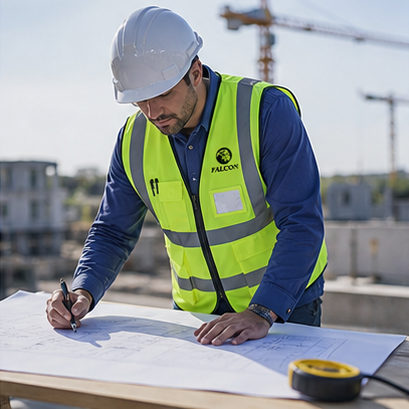
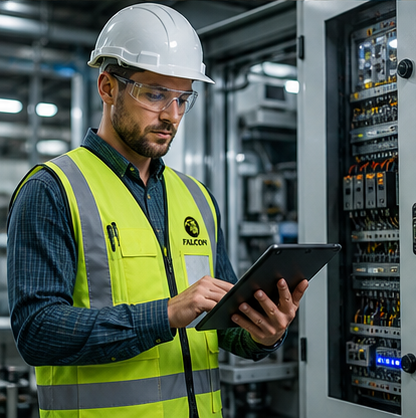
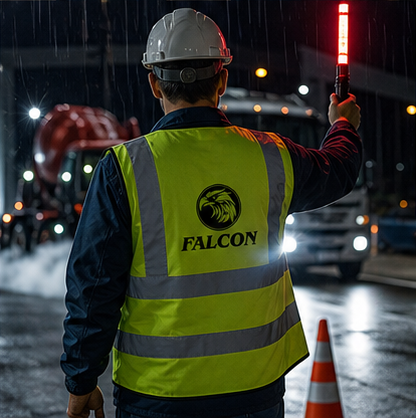
Worker vests are essential safety gear designed to protect employees in various industrial environments. These vests serve multiple purposes, from enhancing visibility to providing additional layers of protection against environmental hazards. For B2B buyers—such as purchasing managers and safety officers—understanding the specifications, quality factors, and common problems associated with these vests is critical for making informed purchasing decisions. This article will delve into the key specifications to consider, quality and cost factors, common issues and solutions, evaluation criteria for bulk orders, and guidance on selecting the best vest for your workforce needs.

Our Products

Key Specifications to Consider for Worker Vests

When selecting worker vests or safety jacket, several specifications impact their performance and suitability for specific applications. Key specifications include:

Material Composition: The fabric used in vests typically ranges from lightweight polyester for comfort to heavier materials that offer durability and weather resistance. Understanding the material's strength, weight, and breathability is crucial, as these factors affect comfort and protection levels.

Visibility Standards: Many industries require compliance with specific visibility standards, such as ANSI/ISEA 107 in the U.S. Vests should have reflective strips and bright colors to ensure workers are easily seen, especially in low-light conditions.

Fit and Size Options: A vest must fit properly to ensure maximum effectiveness and comfort. Look for options that offer various sizes or adjustable features to accommodate different body types.

Pockets and Features: Consider vests with multiple pockets for tools or personal items. Features like zippers, hooks, or D-rings can enhance functionality based on the job's specific requirements.

Certification and Compliance: Verify that the vests meet industry regulations and standards for safety gear. This includes testing for flame resistance, water resistance, or chemical protection if applicable.

Frequently Asked Questions

What materials are used in this worker vest?

Our worker vest uses durable, high-performance fabrics with reinforced stitching and protective panels designed for industrial environments, ensuring abrasion resistance and long service life.
Yes. The vest is offered in a full size range with adjustable straps and closures to ensure a secure fit for different body types on site.
Yes. It includes reinforced areas, high-visibility options, and compatibility with other personal protective equipment for enhanced safety in industrial settings.
Follow the care label: machine wash cold, mild detergent, avoid bleach, and hang to dry. Repair or replace if protective panels or seams are damaged.
Yes. We offer customization for colors, reflective tape placement, and logo application to meet company safety standards and identification requirements.

Our Blog Posts

Best Flap Disc for Grinding Welds Cleanly

01

May

Best Flap Disc for Grinding Welds Cleanly

Weld grinding is an essential step in metal fabrication, repair work, and surface finishing. After welding, uneven weld beads, sharp edges, and excess material often need to be removed to achieve a smooth and professional surface. Choosing the best f...
View More
Can a Masonry Cut Off Wheel Cut Metal?

19

Sep

Can a Masonry Cut Off Wheel Cut Metal?

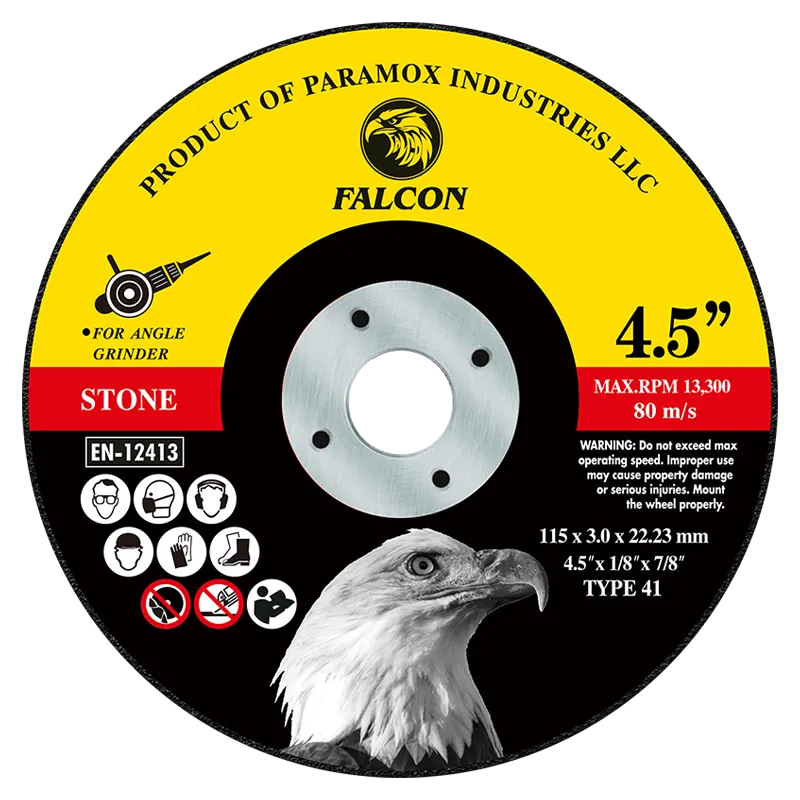
When selecting an abrasive cutting wheel, it is important to choose a product that is suitable for the material and application. Masonry cut-off wheels are mainly designed for cutting masonry materials such as brick, concrete, stone, and other simila...
View More
Common Uses of Fiber Discs in Metalworking

01

Aug

Common Uses of Fiber Discs in Metalworking

Fiber discs are really important tools in metalworking. They are round shape discs made from strong stuff and covered with abrasive grains. These discs get used on grinders or sanders machines to smooth, shape, and polish metal surfaces. Peoples who ...
View More
What Are Grinding Wheels Made Of?

13

Aug

What Are Grinding Wheels Made Of?

Grinding wheels are special tools using in many industry. They help grind, cut and polish various material. But what they made of?  Usually grinding wheels comes from mix of things. The main part is abrasive, which can be diamond, aluminum oxide...
View More

Get a Free Quote

Our representative will contact you soon.
Email
Mobile/WhatsApp
Name
Company Name
Country
Customer Type
Estimated Order Quantity
MOQ and Free Sample Policy
Message
0/1000

Related product categories

Quality and Cost Factors

Quality and Cost Factors

Quality and cost are often intertwined, and finding the right balance is essential for B2B buyers. Here are some factors to consider:

Material Quality: Higher-quality materials typically result in better durability and protection. While they may come at a higher price, investing in quality can reduce long-term costs associated with replacements and injuries.

Manufacturing Process: Understanding the manufacturing capabilities of your supplier can provide insights into the potential quality of worker vests. Suppliers that use advanced manufacturing techniques and stringent quality control measures are more likely to deliver reliable products.

Bulk Order Pricing: Many suppliers offer tiered pricing based on order volumes. Evaluate the total cost of ownership, including potential discounts, shipping costs, and lead times for bulk orders.

Warranty and Return Policies: A good warranty can be a sign of quality assurance. Check the supplier's return policy in case the product does not meet expectations after purchase.

Common Problems with Worker Vests and Their Solutions

Common Problems with Worker Vests and Their Solutions

Despite their importance, worker vest or work shoes for men can present common challenges. Here are a few issues and solutions:

Sizing Issues: Ill-fitting vests can lead to discomfort and reduced protection. Providing a sizing chart and encouraging workers to try on samples can minimize this issue. Customization options may also help accommodate diverse body types.

Wear and Tear: Frequent use can lead to wear, especially in high-stress areas. Selecting vests made from durable materials and reinforcing stress points can enhance longevity.

Visibility Degradation: Over time, reflective materials can lose their effectiveness. Regular inspections and replacements of vests showing signs of wear are crucial for maintaining safety standards.

Environmental Suitability: Vests may not provide adequate protection in extreme weather conditions. Buyers should consider the specific environmental factors their workforce encounters and select vests designed for those conditions, such as waterproof or insulated options.

Evaluating the Quality of Worker Vests for Bulk Orders

Evaluating the Quality of Worker Vests for Bulk Orders

When ordering worker vests in bulk, quality assessment becomes paramount. Here are several evaluation criteria:

Sample Approval: Before mass production, request samples to evaluate fit, material quality, and overall construction. This allows buyers to assess how well the vests meet their specific needs.

Production Consistency: Inquire about the manufacturer's production processes and quality control measures. A reliable supplier should demonstrate consistency in material sourcing and manufacturing practices.

Testing and Compliance Documentation: Ensure that the vests have been tested for compliance with relevant safety standards. Request documentation that confirms these tests were performed by recognized third-party organizations.

Feedback from Previous Orders: Seek testimonials or case studies from other buyers who have ordered the same product. Feedback can provide valuable insights into the performance and reliability of the vests.

How to Choose the Best Vest for Your Workforce Needs

Choosing the right vest involves several considerations tailored to your workforce's unique requirements:

Job Function: Assess the specific roles of your workers. For example, construction workers may require more durable and weather-resistant vests, while warehouse personnel might prioritize lightweight and breathable options.

Safety Regulations: Review any industry-specific safety regulations that may dictate certain vest features, such as reflective strips or flame-resistant materials.

Customization Options: If your team requires specific branding or identification, look for suppliers that offer customization services, including logo placement or unique color schemes.

Budget Constraints: While quality is important, it's essential to align your selection with your budget. Consider the long-term implications of investing in higher-quality vests versus cheaper, less durable options.

Supplier Reputation: Research potential suppliers to gauge their credibility and reliability. Look for certifications, years of experience, and customer reviews to ensure a trustworthy partnership.

By taking these factors into account, B2B buyers can make informed decisions that prioritize safety and functionality while also aligning with budgetary constraints. Investing in the right worker vests or work shoes not only enhances employee safety but also fosters a culture of responsibility and care within the workplace.

Get a Free Quote

Our representative will contact you soon.
Email
Mobile/WhatsApp
Name
Company Name
Country
Customer Type
Estimated Order Quantity
MOQ and Free Sample Policy
Message
0/1000