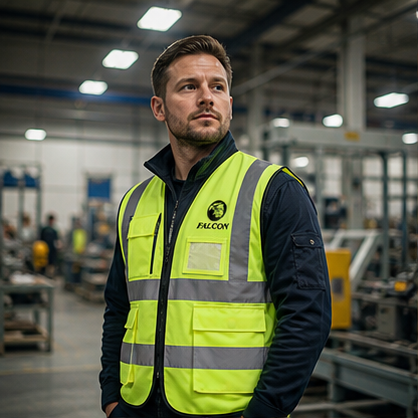
Choosing the Right Safety Vest for Industrial Needs

Get a Free Quote

Our representative will contact you soon.
Email
Mobile/WhatsApp
Name
Company Name
Country
Customer Type
Estimated Order Quantity
MOQ and Free Sample Policy
Message
0/1000

Vest for safety

When it comes to industrial safety, a vest for safety plays a crucial role in ensuring visibility and protection in hazardous environments. For purchasing managers, engineers, and other B2B buyers, selecting the right safety vest can impact workplace compliance and worker safety. This article aims to provide insights into choosing the appropriate Safety Vest, key specifications to consider, how to assess quality, common issues and their solutions, and installation guidance to ensure effective use in the workplace.
Choosing the Right Safety Vest for Your Industrial Needs

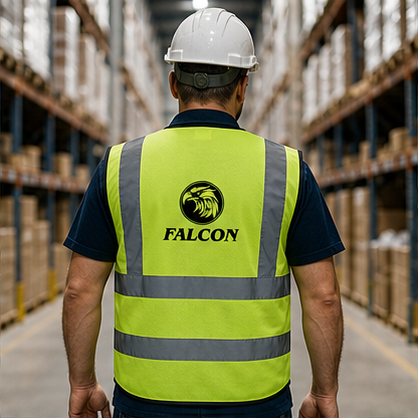
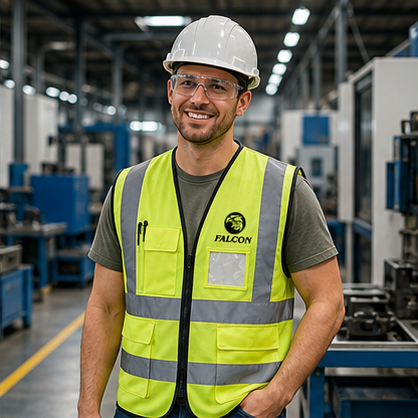
Selecting the right vest for safety begins with understanding the specific requirements of your industry and the tasks at hand. Safety vests come in various types, including high-visibility vests, flame-resistant vests, and vests with additional features such as pockets and reflective strips.

For instance, if your operations involve low-light conditions or high-traffic areas, a high-visibility vest made from fluorescent materials may be essential. Conversely, in environments where heat or flames are present, flame-resistant vests are critical for ensuring worker safety.

When evaluating options, consider the specific roles of the personnel who will wear the vests. Different job functions may require different levels of visibility and protection. Engaging with team members who will use the Workwear vests can provide valuable insights into their preferences and needs, enhancing overall safety compliance.

Frequently Asked Questions

What materials is the vest for safety made from?

Our safety vest is made from durable, high-visibility polyester with reinforced stitching and reflective striping for industrial protection and long service life.
Yes. The vest is manufactured to meet common industrial visibility and safety standards, ensuring reliable performance in grinding, manufacturing, and construction environments.
We offer multiple sizes from S to 3XL with adjustable side straps and zipper closures to accommodate layers and ensure a secure, comfortable fit.
The vest features flame-retardant treatments and spark-resistant materials suitable for abrasive and grinding applications, reducing ignition risk in industrial settings.
Machine wash cold with mild detergent, avoid bleach, tumble dry low or hang dry. Inspect reflective strips and seams regularly and replace if damaged.

Our Blog Posts

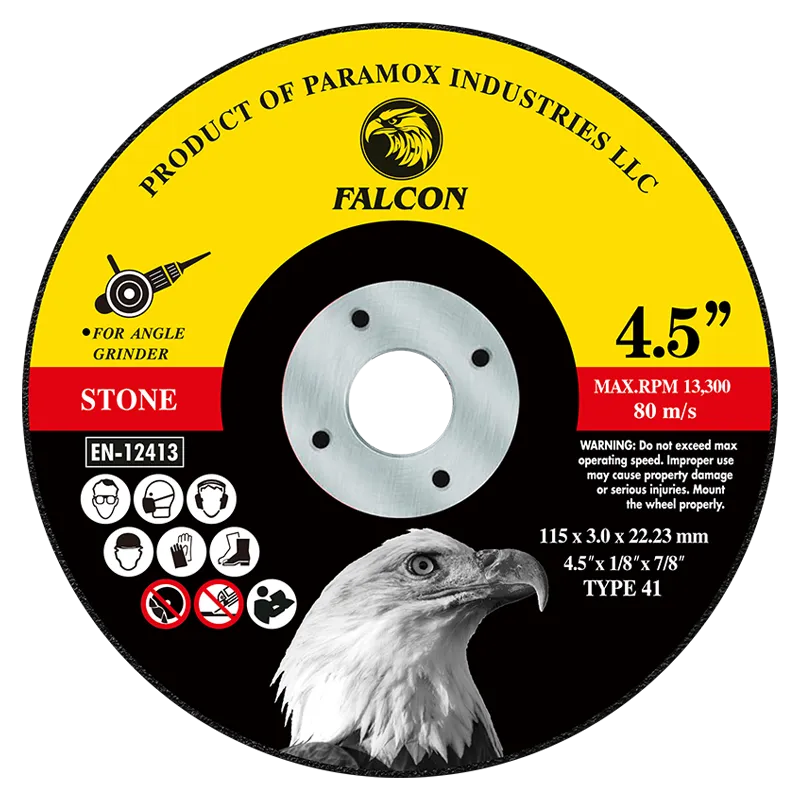
Notes on using cut-off wheels

17

Sep

Notes on using cut-off wheels

Cut-off wheels are indispensable tools across numerous industries. They are engineered to slice hard materials including metal, concrete, and stone. At Falcon Global, we fully understand how critical it is to select high-quality cut-off wheels for yo...
View More
When to replace cut off wheel

28

Sep

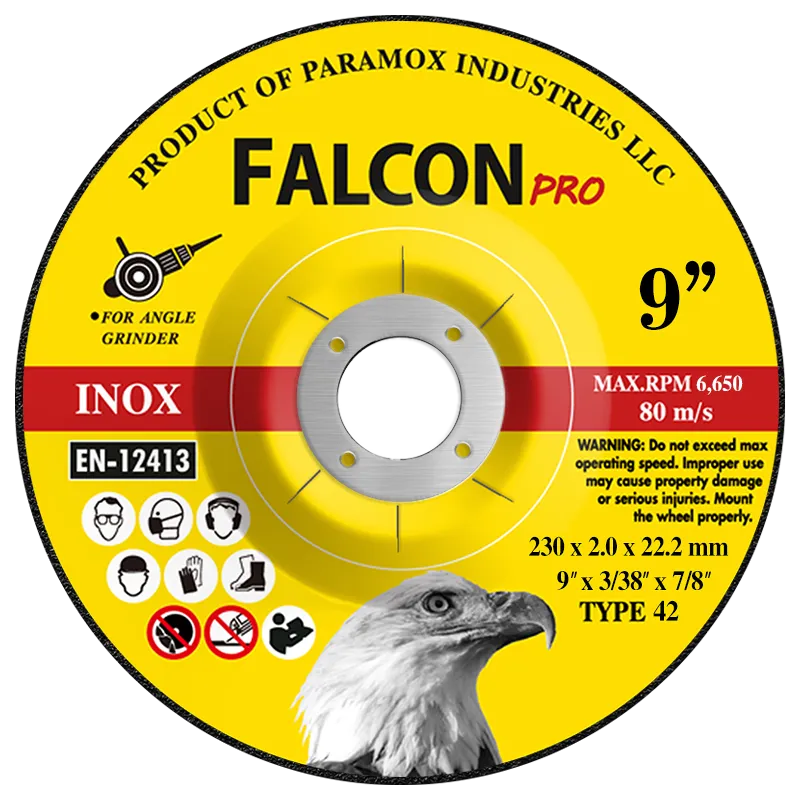
When to replace cut off wheel

Cut-off wheels are essential tools for many applications, particularly in construction and metalworking. They are designed to make clean cuts through hard materials such as metal and concrete. However, cut-off wheels gradually wear with repeated use ...
View More
Can You Use a Cut Off Wheel on Aluminum?

08

Oct

Can You Use a Cut Off Wheel on Aluminum?

When processing metals, selecting suitable power-tool accessories is essential, and the cut-off wheel is one of the most widely-used options. These abrasive discs work across multiple materials, yet many users question whether they deliver safe, high...
View More
What Is a Fiber Disc & How Does It Work?

29

Jul

What Is a Fiber Disc & How Does It Work?

Fiber discs are really important tools in lots of industries, specially manufacturing and construction. They made from strong stuff and good for sanding, grinding, or polishing surfaces. You put them on machine, they spin fast and smooth rough edges ...
View More

Get a Free Quote

Our representative will contact you soon.
Email
Mobile/WhatsApp
Name
Company Name
Country
Customer Type
Estimated Order Quantity
MOQ and Free Sample Policy
Message
0/1000

Related product categories

Key Specifications to Consider in Safety Vests

Key Specifications to Consider in Safety Vests

When assessing safety vests, several key specifications should be prioritized:

Material: The fabric should be durable and suitable for the intended environment. Common materials include polyester for high visibility and cotton blends for flame resistance.

Visibility Level: Look for vests that meet industry standards, such as ANSI/ISEA 107 for high visibility. This includes the vest's color, reflective striping, and overall design.

Size and Fit: Proper fit is essential for comfort and functionality. Vests should accommodate various body types without restricting movement.

Durability: Consider vests with reinforced stitching and high-quality zippers or closures to withstand wear and tear in industrial environments.

Pockets and Features: Depending on the job, additional pockets for tools or gear may be advantageous. Some vests and composite safety shoes come equipped with features like ID badge holders or detachable sleeves for versatility.

Understanding these specifications will help you choose vests that meet safety standards and the operational requirements of your workplace.

How to Evaluate the Quality of Safety Vests

How to Evaluate the Quality of Safety Vests

Evaluating the quality of safety vests involves several practical steps:

Inspection of Materials: Check for high-quality fabric that can endure the working conditions. It should be resistant to tearing and fading, especially if exposed to harsh weather or chemicals.

Testing for Reflectivity: Ensure that reflective strips are securely attached and made from materials that maintain their reflective properties over time.

Fit and Comfort: Ask team members to try on vests before purchasing. They should allow for free movement without being too loose, which can pose safety hazards.

Review Certifications: Verify that the safety vest complies with relevant industry standards. Certifications can indicate that the vest has been tested for performance and safety.

Manufacturer Reputation: Research the manufacturer's track record in producing safety gear. Companies with established reputations, such as FALCON GLOBAL / TOOLS SAFETY, often have rigorous quality control processes in place.

By following these evaluation steps, you can ensure that the safety vests you select will protect your workforce effectively.

Common Problems with Safety Vests and Their Solutions

Common Problems with Safety Vests and Their Solutions

Several common issues can arise with safety vests, and understanding how to address them is crucial for maintaining safety standards:

Poor Fit: If vests are too tight or too loose, they can restrict movement or become a tripping hazard. To resolve this, ensure a range of sizes is available and consider adjustable features.

Wear and Tear: Frequent use can lead to frayed edges or fading. Implement a regular inspection schedule to identify vests that need replacing, and establish a rotation system to prolong the lifespan of each vest.

Reflectivity Loss: Over time, the reflective materials may degrade. Encourage staff to report any vests that appear worn and replace them promptly to maintain visibility.

Inadequate Protection: If workers are in environments with specific hazards (like chemicals or extreme temperatures), standard vests may not suffice. Consult with a safety expert to identify appropriate materials for your specific environment.

By proactively addressing these common issues, you can enhance the effectiveness of your safety vests and ensure ongoing compliance with safety regulations.

Installation Guidance for Safety Vests in the Workplace

While installation of safety vests is straightforward, ensuring they are worn correctly is vital for maximum effectiveness. Here are some key points to consider:

Training: Conduct training sessions on the importance of wearing safety vests. Emphasize proper fit and adjustment to ensure they are worn correctly.

Accessibility: Ensure that safety vests are readily available at workstations. This encourages compliance and ensures that team members can easily access them when needed.

Regular Checks: Implement a routine check of safety gear during safety audits or inspections. This can help reinforce the importance of proper safety gear and ensure that vests are in good condition.

Feedback Loop: Encourage employees to provide feedback about the vests they are using. This can help identify any issues with comfort or functionality, leading to better purchasing decisions in the future.

By following these installation guidelines, you can promote a culture of safety and ensure that safety vests are effectively utilized in your workplace.

selecting the right vest for safety involves careful consideration of material, fit, visibility, and quality. With the right approach, you can make informed decisions that enhance safety and compliance in your industrial operations.

Get a Free Quote

Our representative will contact you soon.
Email
Mobile/WhatsApp
Name
Company Name
Country
Customer Type
Estimated Order Quantity
MOQ and Free Sample Policy
Message
0/1000