EN

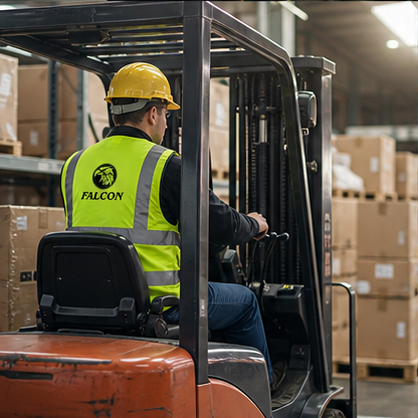
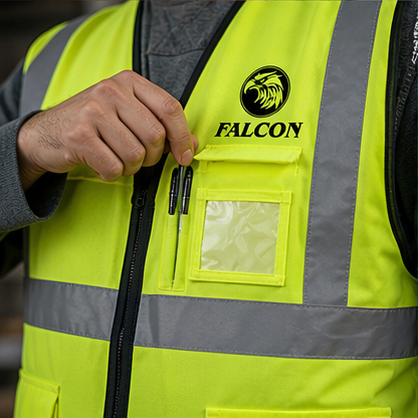
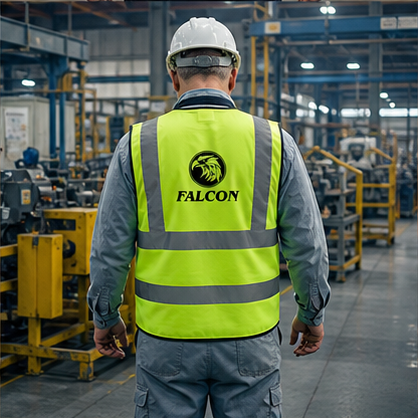
When selecting a safety jacket for industrial applications, it's crucial to understand the various attributes that affect performance, compliance, and overall value. A safety jacket, designed to protect wearers from hazards in the workplace, must meet specific standards and provide durability in demanding environments. This article will help purchasing managers, engineers, and safety officers navigate the complex landscape of safety jackets, addressing key considerations like material selection, cost factors, and supplier reliability.


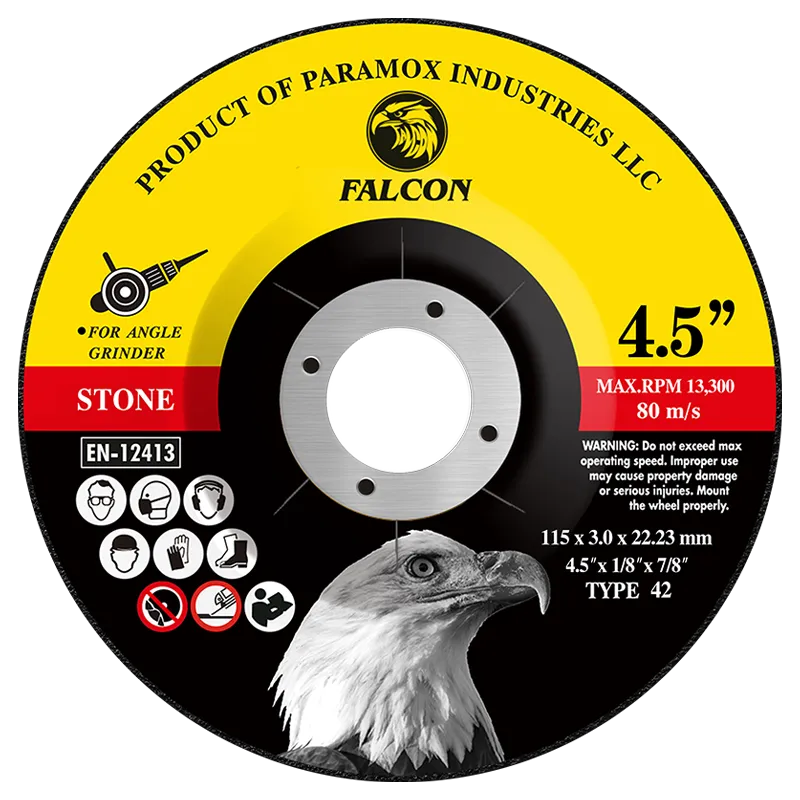
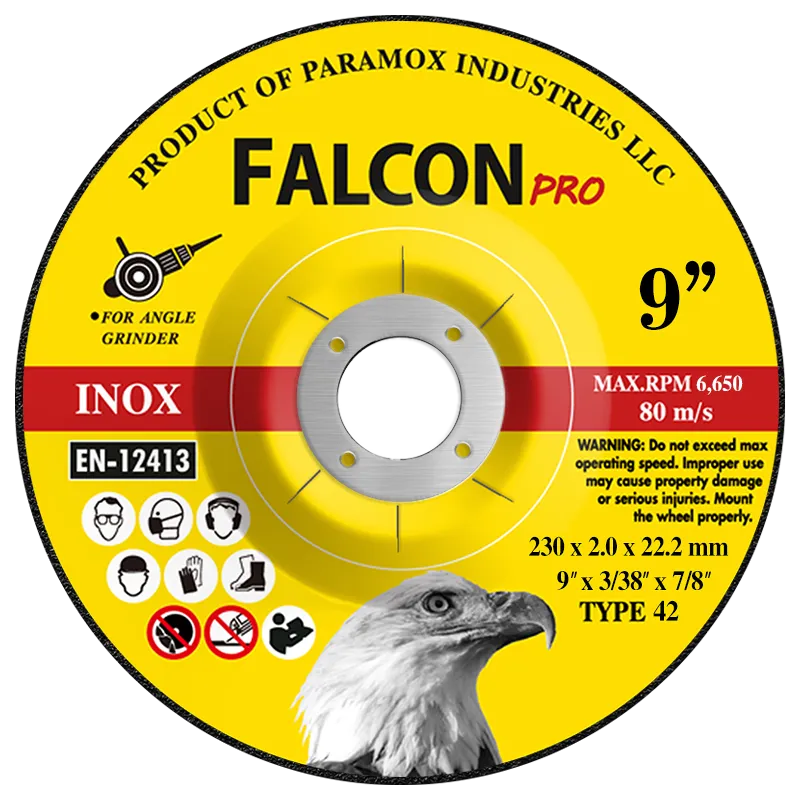
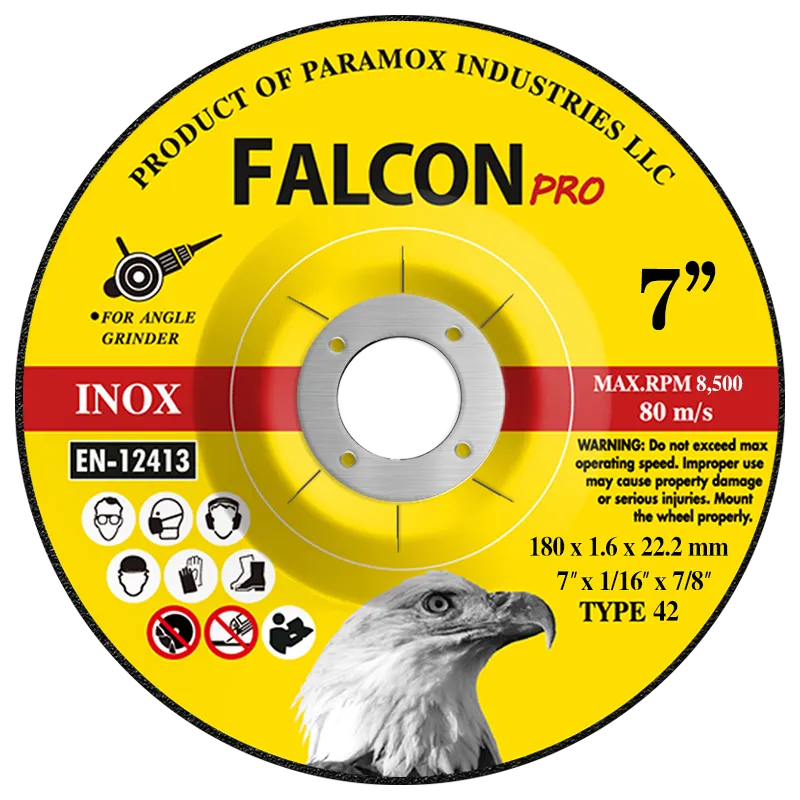
What applications are different types of cut-off wheels suitable for?
Cut-off wheels is important tool for cuting through differents materials. They come in many types which makes them good for lot of tasks. You can see them used in metal work, building sites, and even in home garage. Cut-off wheels made from stuff lik...
View More