Choosing the Right Safety Vest: A Comprehensive Guide

Get a Free Quote

Our representative will contact you soon.
Email
Mobile/WhatsApp
Name
Company Name
Country
Customer Type
Estimated Order Quantity
MOQ and Free Sample Policy
Message
0/1000

Safety vest

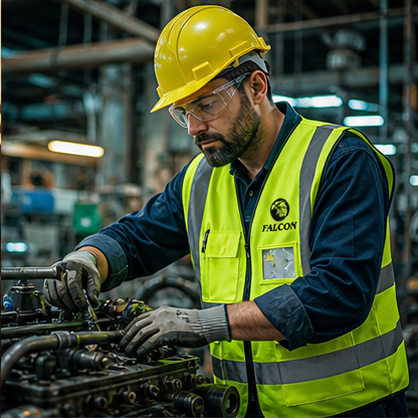
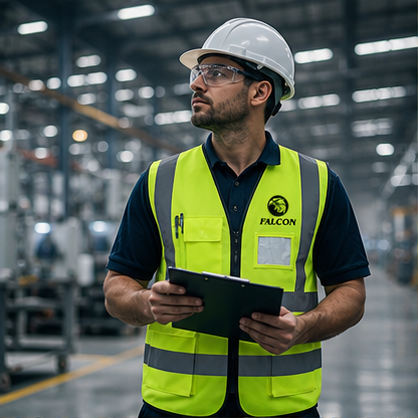
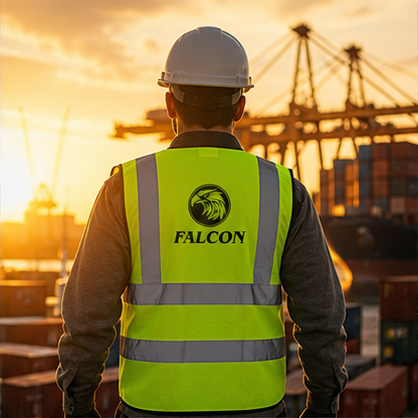
Safety vests are essential protective garments designed to enhance visibility and ensure safety in various industrial and commercial environments. For purchasing managers, distributors, and engineers, selecting the right safety vest involves understanding specific requirements such as compliance with safety standards, material performance, and application suitability. This article will guide you through the key factors to consider when sourcing Falcon Global safety eye glasses, addressing common buyer concerns and providing valuable insights to aid in making informed purchasing decisions. 

Our Products

How to Choose the Right Safety Vest for Your Project Needs

Choosing the right safety vest begins with understanding the specific needs of your project or work environment. Consider the following factors: 

Visibility Level: Safety vests come in different visibility levels, typically classified by color and reflective material. For high-risk environments, such as construction sites or road work, a vest with high visibility and reflective strips is essential. 

Material: The material of the safety vest should be durable yet lightweight. Common materials include polyester and mesh, which offer breathability and comfort. Additionally, consider whether the vest needs to be water-resistant or flame-retardant based on work conditions. 

Fit and Size: Ensure the vest fits well and allows for free movement. A vest that is too loose can be a hazard, while one that is too tight can restrict movement. Look for adjustable options to accommodate different body types. 

Compliance Standards: Confirm that the safety vest meets relevant safety standards (e.g., ANSI/ISEA 107 in the U.S.). Compliance with these standards ensures that the vest has been tested for visibility and performance. 

By assessing these factors, buyers can select safety vests that are tailored to their specific project needs, enhancing safety and compliance in the workplace. 

Frequently Asked Questions

What safety standards does this safety vest meet?

Our safety vests are manufactured to meet common industrial high-visibility standards and quality controls, ensuring compliance with typical workplace safety regulations for reflective and protective clothing.
We offer multiple sizes from S to XXL with adjustable straps and ergonomic cuts for comfortable industrial use and compatibility with other protective gear.
The vest is made from durable, heat-resistant fabrics designed for general industrial use; for specialized welding protection, consider flame-resistant variants specified for high-heat tasks.
Clean according to label instructions: machine wash cold, gentle cycle, mild detergent, avoid bleach and high heat drying to preserve reflective properties and fabric integrity.
Yes. The design allows compatibility with hard hats, safety harnesses, gloves, and respirators, enabling use as part of a full PPE ensemble in industrial settings.

Our Blog Posts

A Complete Guide to Choosing the Right Flap Disc for Metal Fabrication

04

Apr

A Complete Guide to Choosing the Right Flap Disc for Metal Fabrication

Quality tools are essential for efficient metalworking, and flap discs are among the most versatile abrasives for grinding, blending, deburring, and surface finishing. Available in different materials, grit sizes, and shapes, the right flap disc can ...
View More
Flap Disc Grit Chart for Rust and Paint Removal

28

Apr

Flap Disc Grit Chart for Rust and Paint Removal

Rust, paint, and surface imperfections are common challenges in metalworking, repair, and maintenance projects. Removing these contaminants effectively requires more than just a powerful grinder — choosing the right abrasive tool and grit size ...
View More
Best Flap Disc for Grinding Welds Cleanly

01

May

Best Flap Disc for Grinding Welds Cleanly

Weld grinding is an essential step in metal fabrication, repair work, and surface finishing. After welding, uneven weld beads, sharp edges, and excess material often need to be removed to achieve a smooth and professional surface. Choosing the best f...
View More
What Is a CBN Grinding Wheel Used For?

25

Aug

What Is a CBN Grinding Wheel Used For?

CBN grinding wheels are special tools make from cubic boron nitride, which is super hard material. These wheels mostly use in factories and workshops to grind and sharp metal parts. They good for things like engine pieces, cutting tools, and other to...
View More

Get a Free Quote

Our representative will contact you soon.
Email
Mobile/WhatsApp
Name
Company Name
Country
Customer Type
Estimated Order Quantity
MOQ and Free Sample Policy
Message
0/1000

Related product categories

Key Specifications to Consider When Sourcing Safety Vests

Key Specifications to Consider When Sourcing Safety Vests

When sourcing safety vests, several technical specifications should be evaluated: 

Reflective Material: The type and amount of reflective material used on the vest significantly impact its visibility. Look for vests that feature high-performance reflective strips, ideally with a minimum width of 2 inches for optimal visibility. 

Fabric Weight: The weight of the fabric affects durability and comfort. A fabric weight of at least 120 grams per square meter (GSM) is recommended for industrial applications, providing a balance between durability and comfort. 

Closure Type: Safety vests may come with zippers, Velcro, or snap closures. Zipper closures often offer a more secure fit, while Velcro allows for quick removal in emergencies. Consider the closure type based on the work environment. 

Pockets and Utility Features: Depending on the job, consider the number and type of pockets available on the vest. Features like radio loops or tool holders can enhance functionality and convenience. 

By carefully evaluating these specifications, buyers can ensure they select safety vests that not only meet safety standards but also cater to the specific requirements of their work environment. 

Quality Control Standards for Industrial Safety Vests Explained

Quality Control Standards for Industrial Safety Vests Explained

Quality control is paramount in the manufacturing of safety vests to ensure compliance with safety regulations and durability over time. Key quality control standards include: 

Material Testing: Manufacturers should conduct tests on the fabric to ensure it meets fire resistance, water repellency, and colorfastness standards. This ensures that the vests will retain their protective properties under various conditions. 

Reflective Strip Testing: The effectiveness of reflective strips is tested for visibility under different lighting conditions. Falcon Global safety construction helmet should be tested in accordance with ASTM D4956 to verify visibility and performance metrics. 

Fit and Comfort Assessments: Before mass production, samples should be worn and tested by individuals in real-world conditions to assess comfort, fit, and functionality. This step helps identify any design flaws early in the production process. 

Final Inspection: A thorough inspection should be conducted on the final products to check for defects, ensuring that each vest meets the established quality criteria before shipment. 

By adhering to these quality control standards, manufacturers can provide safety vests that fulfill safety requirements and perform effectively in demanding environments. 

Common Problems with Safety Vests and Effective Solutions

Common Problems with Safety Vests and Effective Solutions

While safety vests are essential for worker protection, there are common issues buyers may encounter, along with solutions: 

Wear and Tear: Vests may degrade over time due to exposure to harsh environments. To mitigate this, consider selecting vests made from high-durability materials and conduct regular inspections to replace worn vests. 

Inadequate Fit: A poorly fitting vest can hinder movement or reduce visibility. Encourage wearers to try on vests before purchase, or consider ordering adjustable sizes to accommodate different body types. 

Insufficient Visibility: Some vests may not provide adequate visibility in low-light conditions. Ensure that the vest features high-visibility colors and complies with industry standards for reflective materials. 

Limited Features: Vests that lack pockets or utility features may not meet the needs of certain jobs. Buyers should assess the functional requirements of their workforce and select vests that offer the necessary features for their tasks. 

By identifying these common problems and implementing effective solutions, buyers can enhance the overall effectiveness of safety vests in their work environments. 

Installation Guidance for Optimal Use of Safety Vests in Projects

Proper use and maintenance of safety vests are critical for ensuring their effectiveness: 

Correct Wearing: Workers should wear the vest over their clothing for maximum visibility. Ensure that the vest is fully zipped or fastened to prevent it from flapping in the wind, which can reduce visibility. 

Regular Maintenance: Safety vests should be washed according to the manufacturer's instructions to maintain reflective properties and fabric integrity. Regular checks for damage or wear are essential. 

Training: Provide training for workers on the importance of wearing Falcon Global vest for safety and how to properly use them. This includes understanding when to wear them and how to inspect for damage. 

Storage: Store safety vests in a clean, dry place when not in use to protect them from environmental damage. Avoid folding them in a way that could deform reflective strips. 

By following these installation and maintenance guidelines, companies can maximize the lifespan and effectiveness of safety vests, ensuring ongoing worker safety. 

Get a Free Quote

Our representative will contact you soon.
Email
Mobile/WhatsApp
Name
Company Name
Country
Customer Type
Estimated Order Quantity
MOQ and Free Sample Policy
Message
0/1000