Sanding Discs for Grinders: Selection & Applications

Get a Free Quote

Our representative will contact you soon.
Email
Mobile/WhatsApp
Name
Company Name
Country
Customer Type
Estimated Order Quantity
MOQ and Free Sample Policy
Message
0/1000

sanding discs for grinder

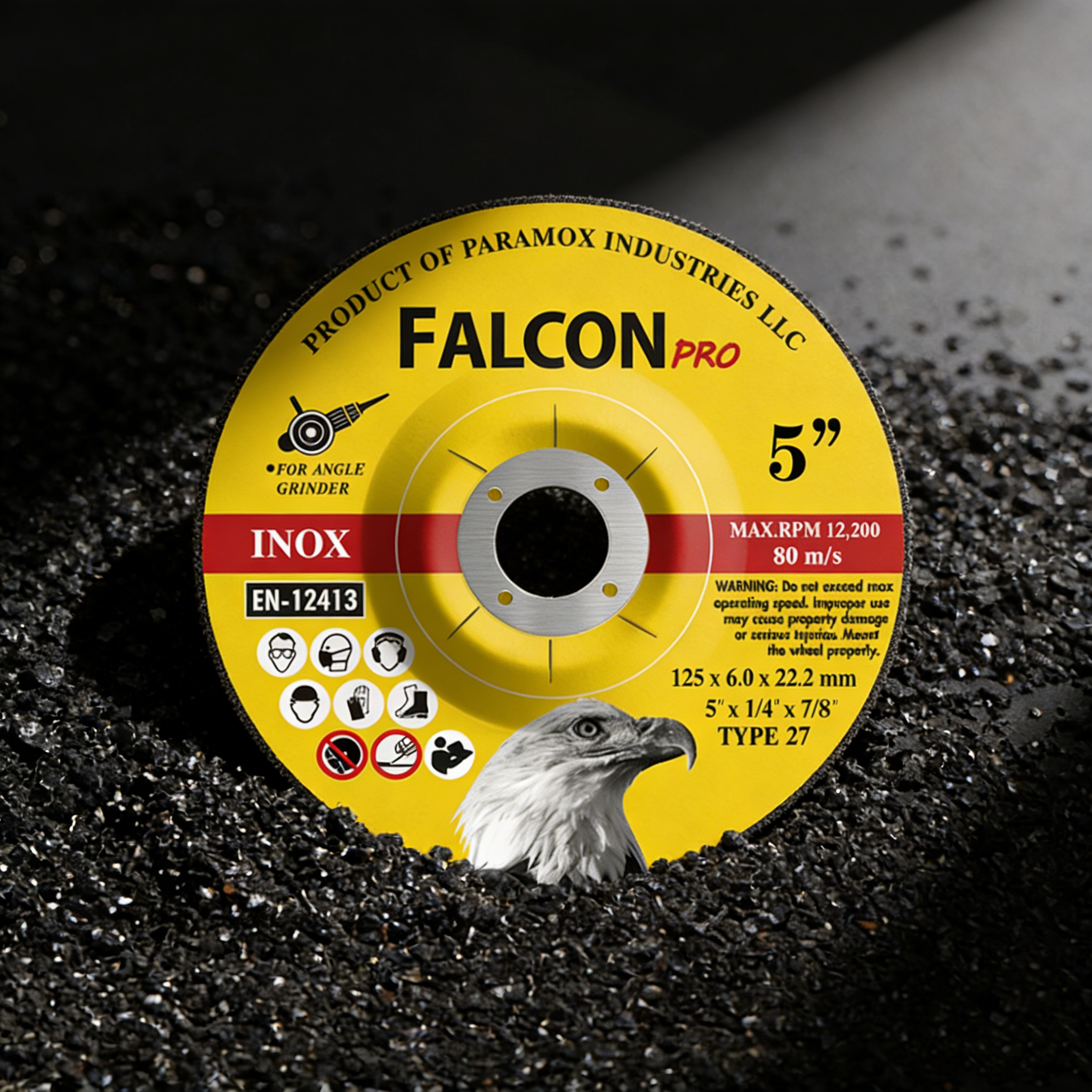
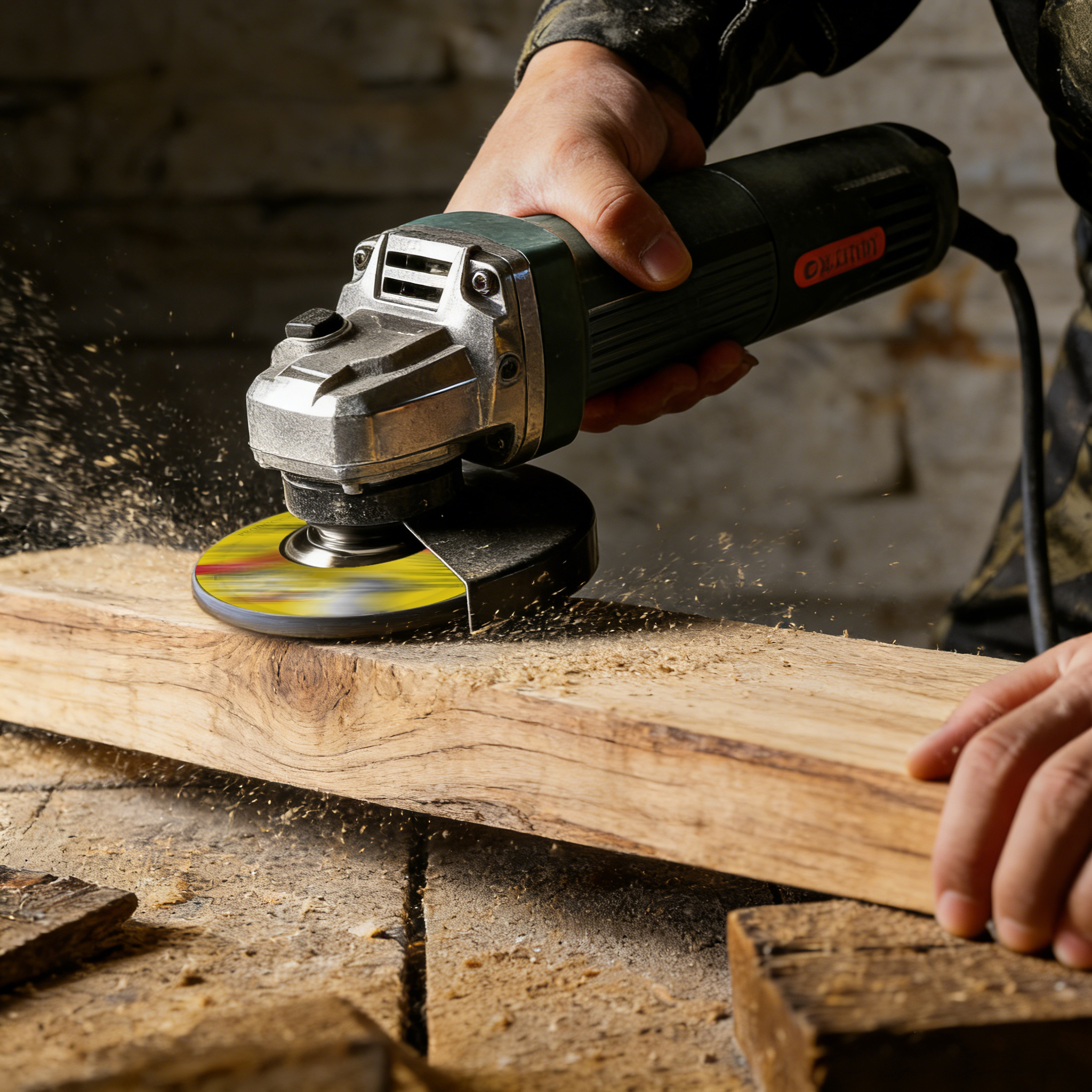
Sanding discs for grinders are essential tools in various industrial applications, designed to provide efficient surface preparation and finishing. For purchasing managers, engineers, and other B2B buyers, understanding the nuances of sanding discs is crucial in making informed decisions that optimize workflow and ensure product quality. This article will delve into selecting the right sanding discs, cost factors, common issues and solutions, material comparisons, and their applications in different industrial settings, equipping you with the knowledge needed to choose the best products for your needs.

Our Products

Choosing the Right Sanding Discs for Your Grinder Needs

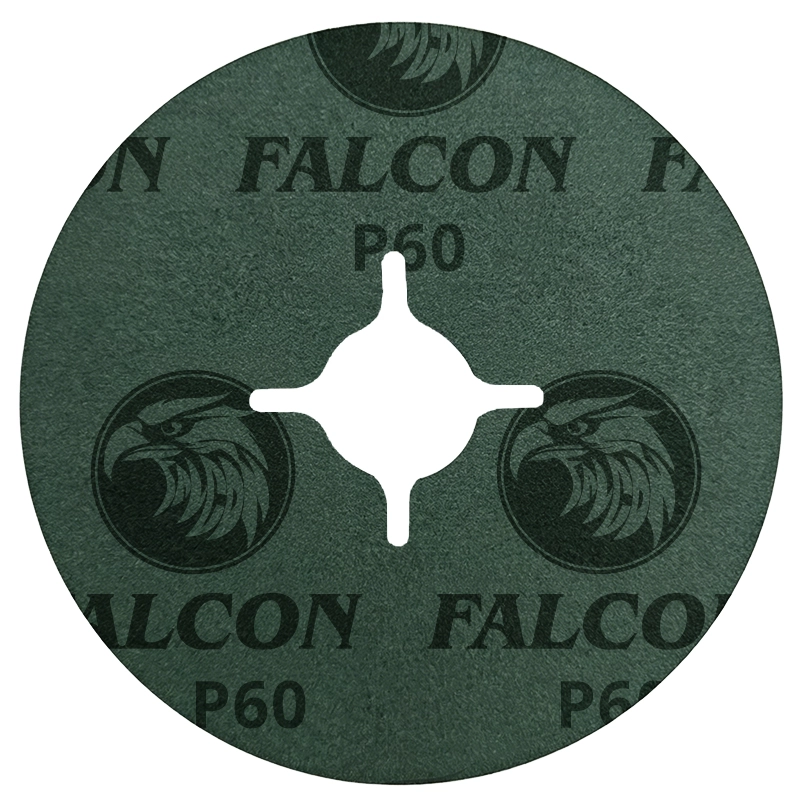
Selecting the appropriate sanding discs for your grinder involves several considerations, including the grinder type, intended application, and specific performance requirements. First, ensure compatibility with your grinder, as different machines may require specific disc sizes and attachment methods, such as hook-and-loop or adhesive backing.

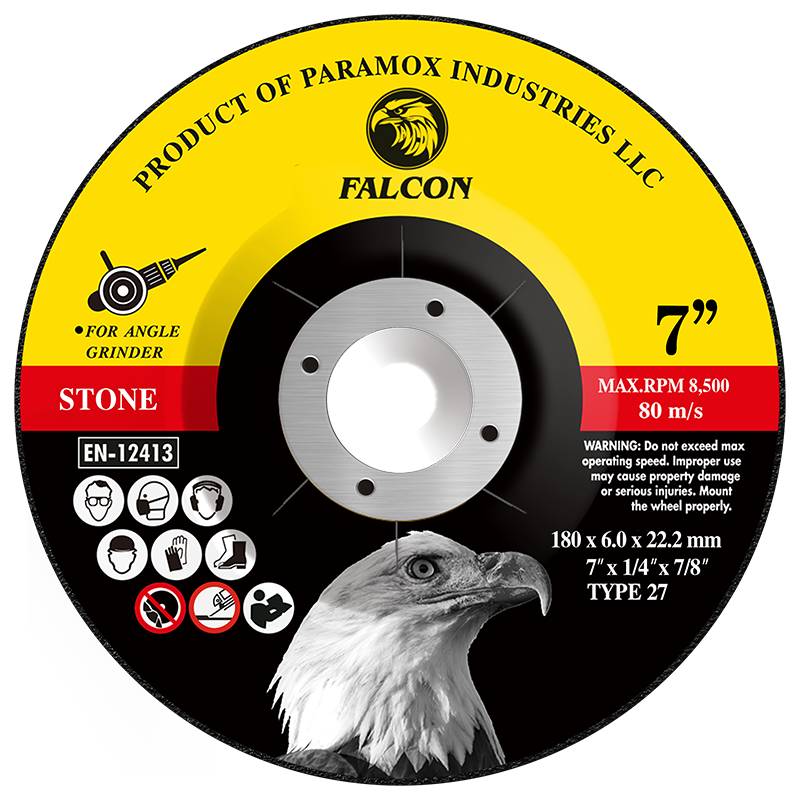
Next, consider the application. For heavy material removal, coarse-grit sanding discs are ideal, while finer grits are better suited for finishing work. It's also essential to evaluate the expected lifespan of the sanding disc based on the material being worked on; for instance, harder materials like metal may require more durable discs, such as Grinding Discs for Metal.

Lastly, customization options can enhance performance. For example, you may want to specify a particular grit size or bond type depending on the application. Discussing these details with your supplier can ensure you receive the best-suited sanding discs for your operations.

Frequently Asked Questions

What materials are your sanding discs suitable for?

Our sanding discs work on steel, stainless steel, aluminum, wood, composites, and most non-ferrous metals, designed for industrial grinding and finishing tasks.
We provide a wide grit range from coarse to fine (e.g., 40–400+), allowing rough material removal to fine finishing for varied industrial needs.
Available sizes include common diameters and hook-and-loop, PSA, and arbor-mounted options to fit most angle grinders and sanding tools.
Made with advanced abrasive bonds and reinforced backing, our discs offer high wear resistance and consistent performance in demanding industrial applications.
Yes. Use appropriate protective gear (gloves, eye and hearing protection, respirator), ensure correct disc speed and secure mounting, and follow safe operating procedures.

Our Blog Posts

How to Install a Cut Off Wheel on an Angle Grinder

12

Sep

How to Install a Cut Off Wheel on an Angle Grinder

Installing a cut-off wheel on an angle grinder may seem intimidating for beginners, but the process is simple with standard operating steps. At Falcon Global, we prioritize standardized installation practices to ensure safe operation and optimal cutt...
View More
What Is a Grinding Wheel & What Are Its Types?

07

Aug

What Is a Grinding Wheel & What Are Its Types?

A grinding wheel is a very important tool in lots of industries. It help to shape, grind and polish things like metal, wood or stone. These wheels are round discs make from hard stuff and use with grinder machines. They can be really tough and cut th...
View More
What Are Grinding Wheels Made Of?

13

Aug

What Are Grinding Wheels Made Of?

Grinding wheels are special tools using in many industry. They help grind, cut and polish various material. But what they made of?  Usually grinding wheels comes from mix of things. The main part is abrasive, which can be diamond, aluminum oxide...
View More
Do hard hats expire?

29

Sep

Do hard hats expire?

Hard hats are really important to keep workers safe on construction sites and other places. They protect head from falling things, bumps, and other dangers that happen during work. But many people ask, do hard hats expire? Its good question because&n...
View More

Get a Free Quote

Our representative will contact you soon.
Email
Mobile/WhatsApp
Name
Company Name
Country
Customer Type
Estimated Order Quantity
MOQ and Free Sample Policy
Message
0/1000

Related product categories

Understanding the Cost Factors of Sanding Discs for Grinders

Understanding the Cost Factors of Sanding Discs for Grinders

The cost of sanding discs for grinders can vary widely based on several factors. Material quality plays a significant role; higher-grade abrasives, like zirconia or ceramic, often come at a premium but provide superior durability and performance. It's essential to weigh these costs against the potential for reduced downtime and increased productivity.

Another key factor is the manufacturing process. Discs produced using advanced techniques may offer better performance characteristics but might also be priced higher. Bulk purchasing can significantly reduce unit costs, so consider your anticipated usage when negotiating with suppliers.

Additionally, packaging and shipping costs should be factored in. If your operations require frequent replenishment, negotiating a consistent supply with favorable terms can help manage overall expenses.

Common Problems with Sanding Discs and Effective Solutions

Common Problems with Sanding Discs and Effective Solutions

One common issue with sanding discs is premature wear, which can result from using the wrong grit for the material or overloading the disc. To mitigate this, ensure that the selected grit matches the application requirements and that operators are trained to use the grinder efficiently.

Another problem is disc separation, which can occur if the adhesive fails or if the disc is improperly attached. To address this, ensure that the surface of the grinder is clean before attaching a new disc and consider using higher-quality adhesives or attachment systems that are proven to provide better adhesion.

Lastly, dust generation can be a significant concern in many industrial settings. Implementing dust extraction systems can not only improve the working environment but also prolong the life of the sanding discs by reducing clogging.

Comparing Sanding Disc Materials for Optimal Grinding Results

Comparing Sanding Disc Materials for Optimal Grinding Results

Sanding discs are made from a variety of materials, each offering distinct advantages for different applications. Here’s a quick comparison of some commonly used materials:

Aluminum Oxide: This is the most common abrasive material, suitable for general-purpose sanding and ideal for wood, metal, and plastic. It is economical but may not have the longevity of more advanced materials.

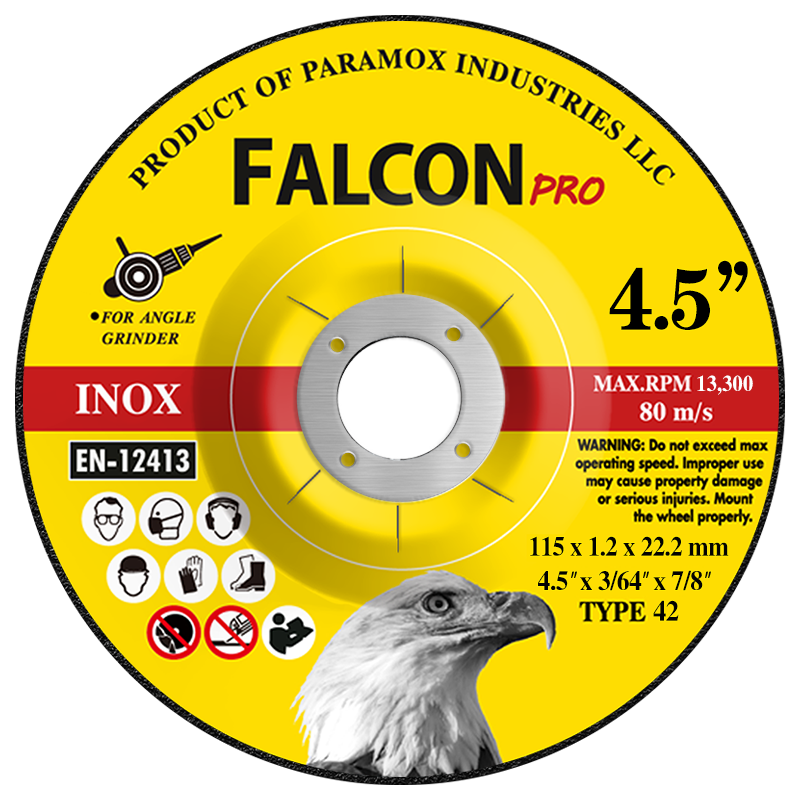
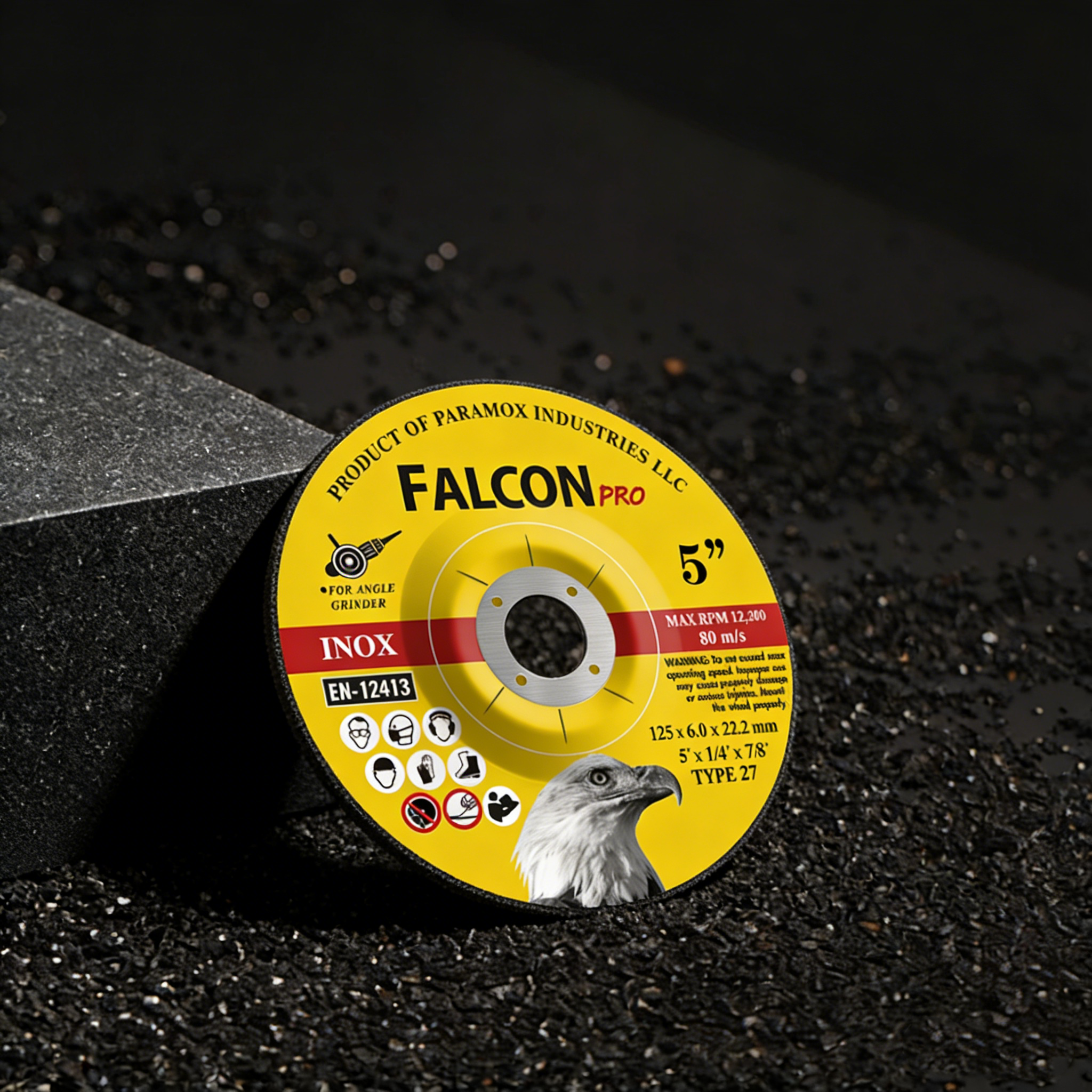
Zirconia: Known for its durability, zirconia sanding discs are ideal for heavy-duty applications and can handle high heat. They are particularly effective on stainless steel and other tough metals. For those working with stainless steel, consider our Grinding Disc for Inox/stainless steel for optimal results.

Ceramic: These discs provide outstanding performance in high-pressure applications and are perfect for grinding hard materials. They typically last longer than aluminum oxide and zirconia but come at a higher price point.

Silicon Carbide: This material is perfect for grinding brittle materials like glass and ceramics due to its sharp, hard edges. However, it's less effective on metals.

When choosing a sanding disc, consider the material's compatibility with the intended application, as this will directly impact performance and cost-effectiveness.

Applications of Sanding Discs in Various Industrial Settings

Sanding discs find applications across a range of industries, each with unique requirements. In the automotive industry, for example, sanding discs are used for bodywork preparation and paint removal. Here, the choice of grit and material is critical to avoid damaging the underlying metal surfaces.

In woodworking, sanding discs are essential for achieving smooth finishes on furniture and cabinetry. The material and grit size can be tailored to suit different wood types and finishes, ensuring optimal results.

Manufacturing settings often utilize sanding discs for deburring and surface finishing of machined parts. The right choice of disc material can enhance efficiency and reduce the risk of damaging precision components.

Lastly, in metal fabrication, sanding discs help in rust removal and surface preparation for welding or coating. Selecting a disc that can withstand high heat and pressure is vital for achieving the desired outcomes. For those in metal fabrication, our Cutting-off Discs for Metal can be an excellent addition to your toolkit.

By understanding these applications, buyers can make informed decisions that align with their operational needs and ensure the right sanding discs are employed for maximum effectiveness.

Get a Free Quote

Our representative will contact you soon.
Email
Mobile/WhatsApp
Name
Company Name
Country
Customer Type
Estimated Order Quantity
MOQ and Free Sample Policy
Message
0/1000