Choosing the Right Laser Protection Glasses

Get a Free Quote

Our representative will contact you soon.
Email
Mobile/WhatsApp
Name
Company Name
Country
Customer Type
Estimated Order Quantity
MOQ and Free Sample Policy
Message
0/1000

Laser protection glasses

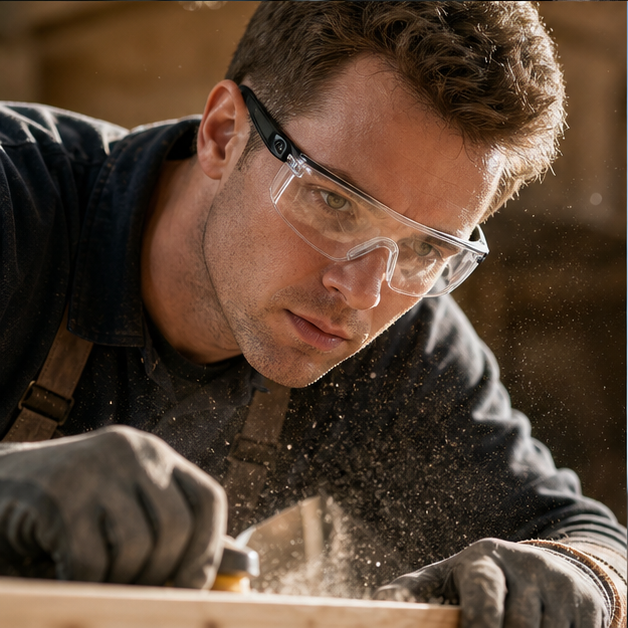
In industrial settings, laser protection glasses are essential safety gear designed to shield workers from harmful laser radiation. These glasses not only protect the eyes from potential damage but also comply with stringent safety regulations. For B2B buyers, understanding the specifications, application requirements, and proper usage of laser protection glasses is crucial for ensuring safety and compliance. This article will guide you through selecting the right safety glasses, key specifications to consider, installation guidance, common issues, and cost factors associated with purchasing laser protection glasses. 
Choosing the Right Laser Protection Glasses for Industrial Applications

Selecting the appropriate laser protection glasses involves assessing the specific laser applications and environments where they will be used. Different types of lasers, such as CO2, Nd:YAG, and diode lasers, emit various wavelengths and energy levels, which require distinct protective measures. For instance, protective glasses designed for CO2 lasers, which typically operate at a wavelength of 10.6 micrometers, will differ from those intended for visible or infrared lasers. 

Buyers should ensure that the glasses meet the appropriate optical density (OD) ratings for the specific laser wavelengths used in their operations. The OD indicates how well the glasses can attenuate laser light; higher OD values signify greater protection. Additionally, comfort and fit are paramount. Glasses that can accommodate prescription lenses or feature adjustable frames may be necessary for long-term use in demanding environments. 

Frequently Asked Questions

What protection level do these laser glasses provide?

Our laser protection glasses are rated for specific wavelength ranges and optical density (OD). Specify your laser type and power to confirm the correct OD and wavelength coverage for your application.
Yes. Designed for industrial environments, they meet durability and safety standards for workshop and manufacturing applications, with reinforced frames and impact-resistant lenses.
Clean lenses with a soft microfiber cloth and mild, non-abrasive cleaner. Avoid solvents or abrasive pads. Inspect regularly for scratches that may reduce protection and replace if damaged.
We offer over-glasses designs and adjustable frames that can accommodate most prescription glasses. Confirm fit with measurements or request models specifically labeled as fit-over.
Provide laser wavelength, power, and exposure scenario. Our team will recommend the correct OD, wavelength range, and frame style to ensure optimal protection and comfort.

Our Blog Posts

Flap Disc Grit Chart for Rust and Paint Removal

28

Apr

Flap Disc Grit Chart for Rust and Paint Removal

Rust, paint, and surface imperfections are common challenges in metalworking, repair, and maintenance projects. Removing these contaminants effectively requires more than just a powerful grinder — choosing the right abrasive tool and grit size ...
View More
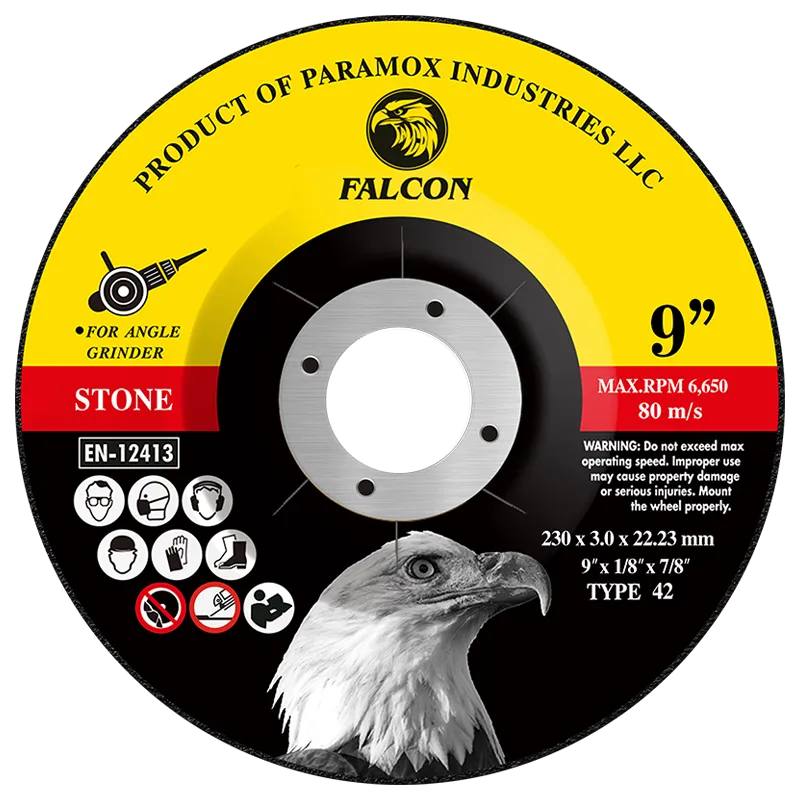
What types of cut-off wheels are there?

15

May

What types of cut-off wheels are there?

Cut-off wheels are really important tools in lots work, specially metalworking stuff. Falcon Global have different kinds of cut-off wheels which helps people cut many materials easy. These wheels get attached to machines like angle grinders and they ...
View More
How to Dress a Grinding Wheel for Best Performance

19

Aug

How to Dress a Grinding Wheel for Best Performance

Dressing a grinding wheel is important task that make it work better and last longer time. When you dress the wheel, you make surface smooth and clean from stuff. This help the wheel cut metal or other material more good. It like sharpen knife you wa...
View More
Diamond vs CBN Grinding Wheels: Which to Choose?

17

Jun

Diamond vs CBN Grinding Wheels: Which to Choose?

When it comes to grinding wheels, there is two main kinds: diamond and CBN wheels. Each one got its own good points and bad points, and picking the right one depend on what material you working with. Falcon Global sell both diamond and CBN grinding w...
View More

Get a Free Quote

Our representative will contact you soon.
Email
Mobile/WhatsApp
Name
Company Name
Country
Customer Type
Estimated Order Quantity
MOQ and Free Sample Policy
Message
0/1000

Related product categories

Key Specifications to Consider in Laser Protection Glasses

Key Specifications to Consider in Laser Protection Glasses

When evaluating laser protection glasses, several key specifications should be prioritized: 

Optical Density (OD): As mentioned, this rating must correspond to the laser's wavelength. Ensure the glasses provide adequate protection based on the laser specifications. 

Visible Light Transmission (VLT): This specification indicates how much visible light the glasses allow through. A balance must be struck between protection and visibility; too low a VLT can hinder productivity. 

Certification: Verify that the glasses comply with relevant safety standards, such as ANSI Z87.1 in the USA or EN 207 in Europe. Compliance indicates that the safety eye glasses have undergone rigorous testing for safety and performance. 

Materials: The lens material (polycarbonate, glass, or other composites) affects durability, weight, and optical clarity. Polycarbonate is lightweight and impact-resistant, making it a popular choice for industrial applications. 

Frame Design: The frame should provide a snug fit while also being comfortable for extended wear. Look for anti-fog coatings or ventilation features to maintain clear vision during use. 

Installation Guidance for Optimal Use of Laser Protection Glasses

Installation Guidance for Optimal Use of Laser Protection Glasses

Proper installation and use of laser protection glasses are crucial for ensuring maximum safety. Here are some guidelines: 

Fit Check: Ensure that the glasses fit snugly without gaps. Any openings can allow harmful laser light to enter, compromising protection. 

Cleaning: Regularly clean the lenses with appropriate cleaning solutions to prevent scratches and maintain optical clarity. Avoid using abrasive materials that could damage the lens surface. 

Storage: Store glasses in a protective case when not in use to prevent scratches and damage. Ensure that they are kept in a clean, dry environment to avoid deterioration. 

Regular Inspections: Conduct routine inspections for any signs of wear or damage, such as scratches or cracks. Replace any damaged glasses immediately to maintain safety standards. 

Common Problems with Laser Protection Glasses and Their Solutions

Common Problems with Laser Protection Glasses and Their Solutions

Several common issues can arise with laser protection glasses, and being aware of these can help in making informed purchasing decisions: 

Inadequate Protection: If the selected glasses do not provide sufficient OD for the specific laser type, it can lead to serious eye injuries. Always verify the OD ratings against the laser specifications before use. 

Fogging: Lenses can fog up in humid environments or during prolonged use, obstructing vision. Choosing glasses with anti-fog coatings or those with ventilation features can mitigate this issue. 

Discomfort: Some users may experience discomfort due to poor fit or heavy frames. Opt for lightweight materials and adjustable frames to ensure comfort during long wear. 

Lens Scratches: Scratched lenses can dramatically reduce visibility and protection. Implementing a proper cleaning and storage routine is vital to prolonging the life of the glasses. 

Cost Factors to Consider When Purchasing Laser Protection Glasses

The cost of laser protection glasses can vary widely based on several factors: 

Material and Construction: Higher-quality materials and advanced construction techniques will generally increase the price. However, investing in durable and effective glasses can reduce long-term costs associated with eye injuries. 

Customization: If custom prescription lenses or specific design features are required, this can add to the overall cost. Discuss customization options with suppliers to understand the potential impact on pricing. 

Volume Discounts: Many suppliers offer discounts for bulk purchases. Assess your organization's needs to take advantage of these cost-saving opportunities. 

Certification and Compliance: Glasses that meet higher safety standards may come at a premium, but they ensure compliance with regulations and better protection for employees. 

Supplier Reputation: Established manufacturers with a proven track record may charge higher prices due to their reliability and quality assurance processes. It is often worth paying a bit more for products that ensure safety and compliance. 

By understanding these factors, B2B buyers can make informed purchasing decisions that balance safety, comfort, and cost-effectiveness. Selecting the right laser protection glasses is not just about compliance; it is a vital aspect of workplace safety that can prevent serious injuries and enhance productivity in industrial settings. 

Get a Free Quote

Our representative will contact you soon.
Email
Mobile/WhatsApp
Name
Company Name
Country
Customer Type
Estimated Order Quantity
MOQ and Free Sample Policy
Message
0/1000