Choosing the Right Grinding Wheel Disc for Performance

Get a Free Quote

Our representative will contact you soon.
Email
Mobile/WhatsApp
Name
Company Name
Country
Customer Type
Estimated Order Quantity
MOQ and Free Sample Policy
Message
0/1000

grinding wheel disc

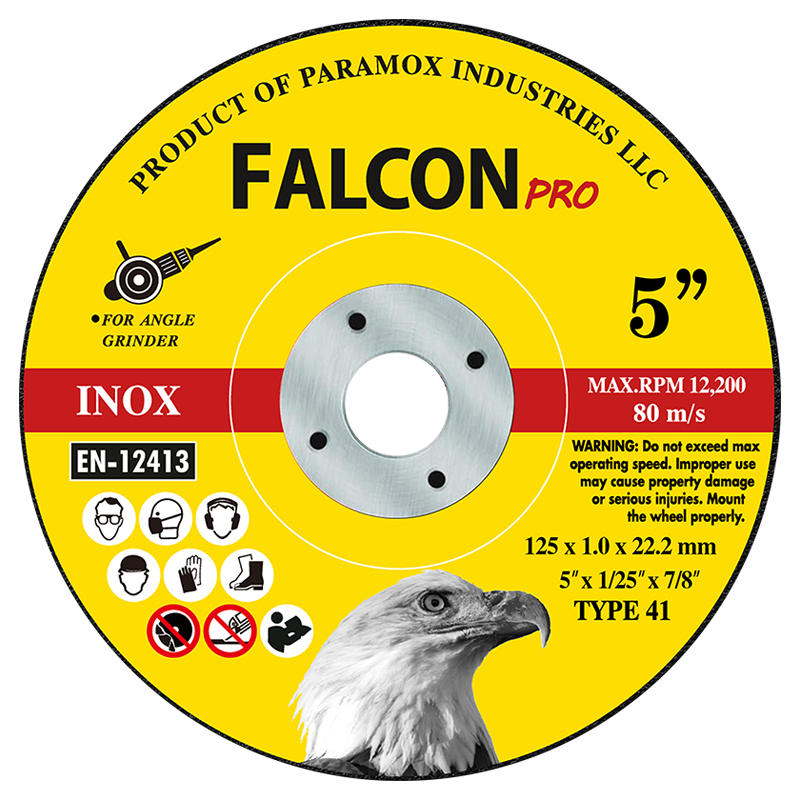
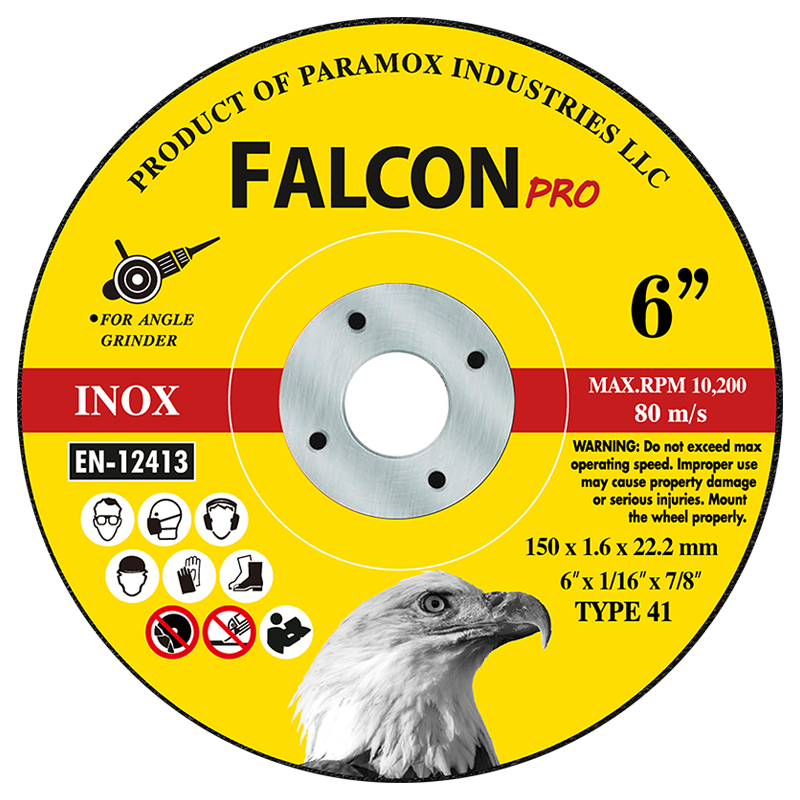
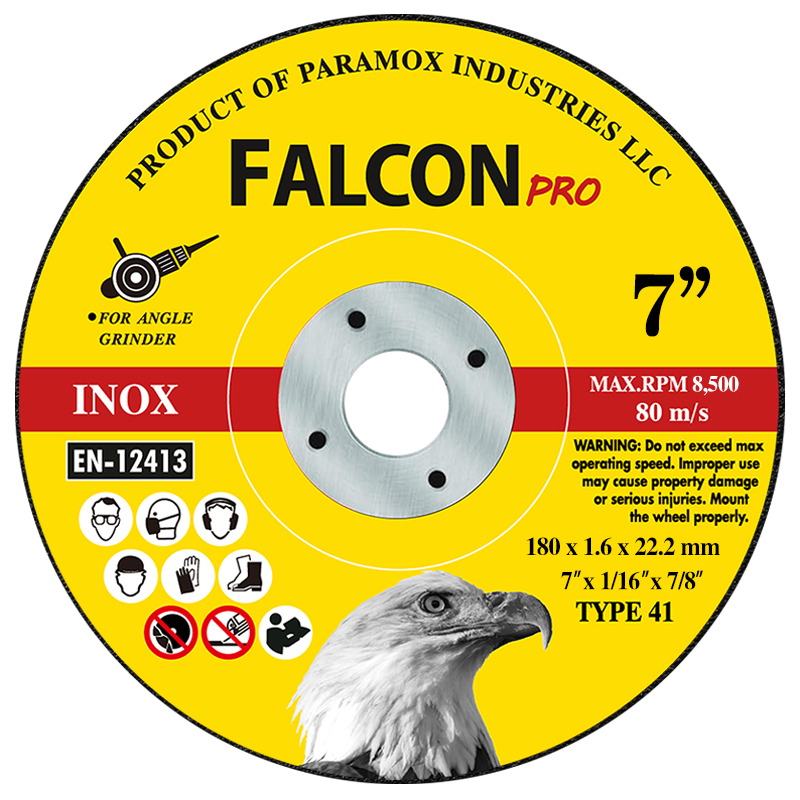
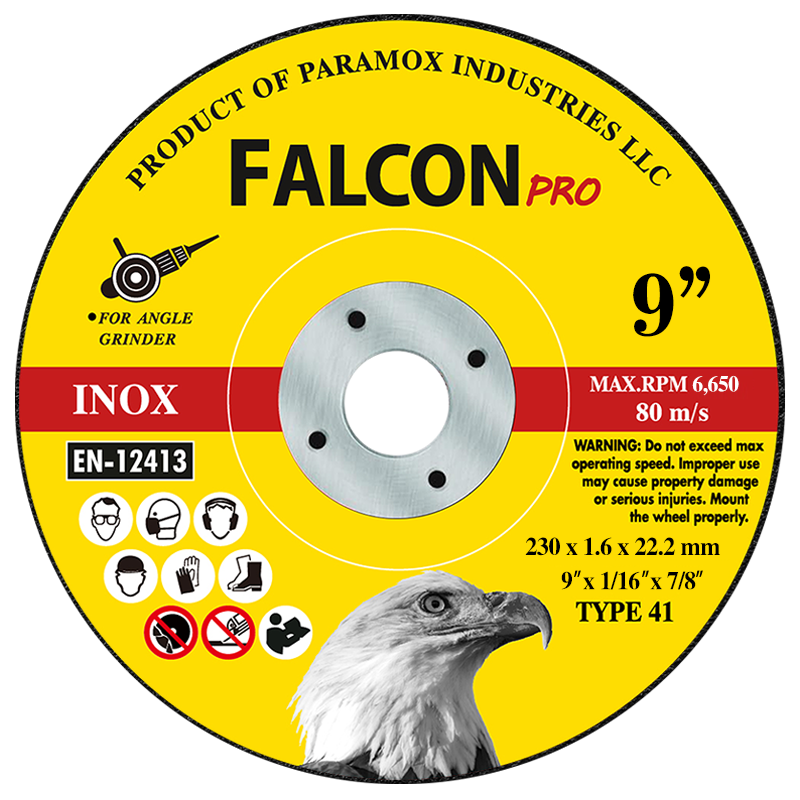
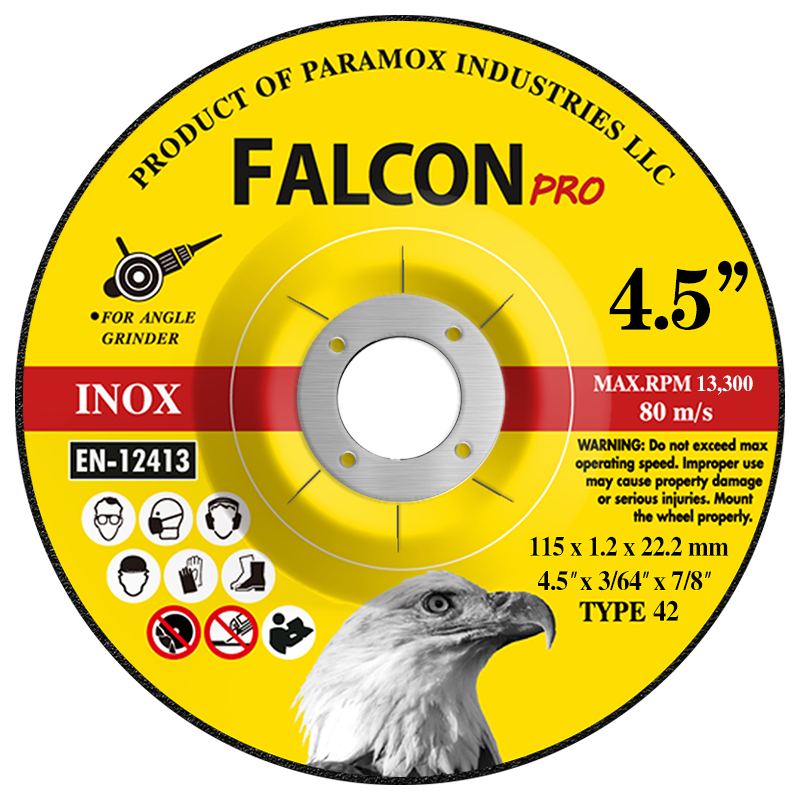
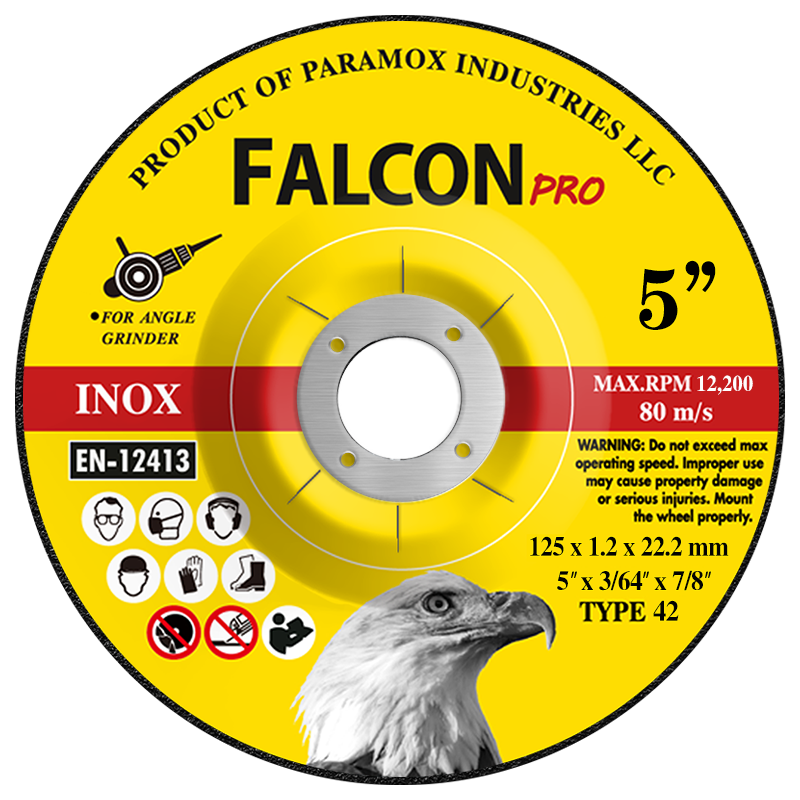
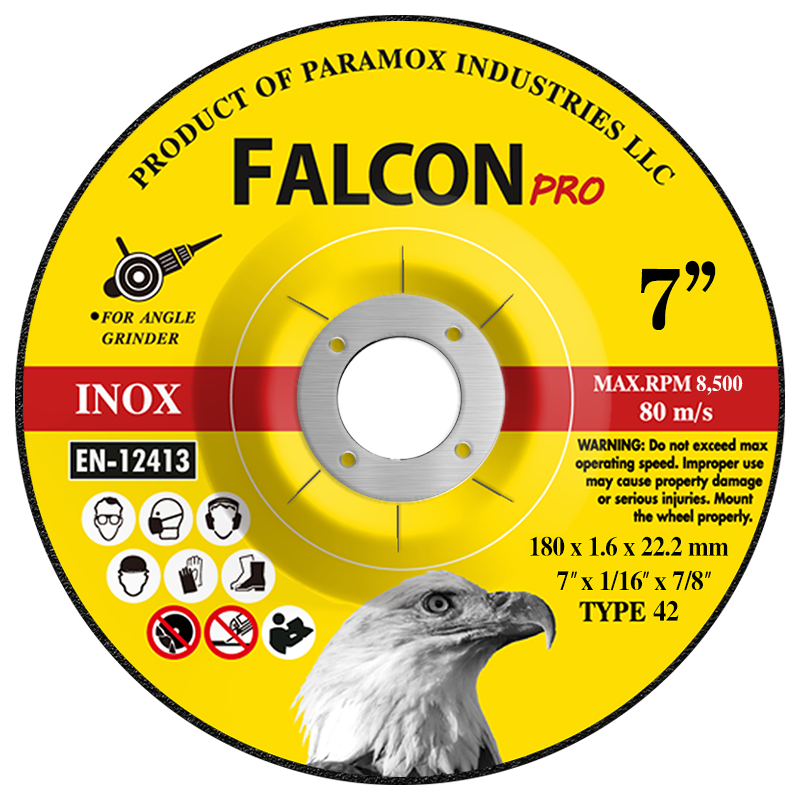
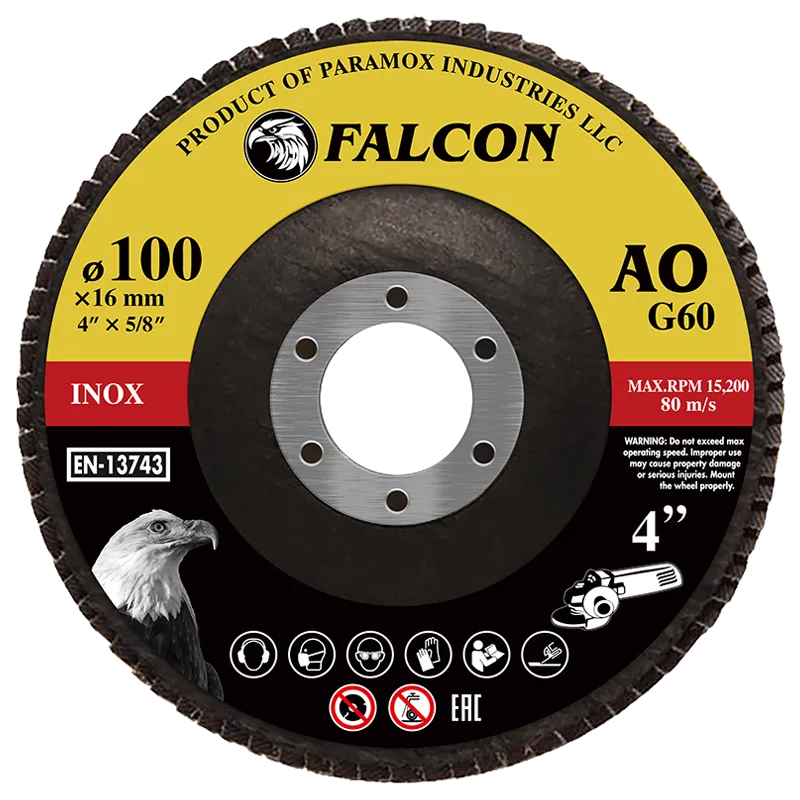
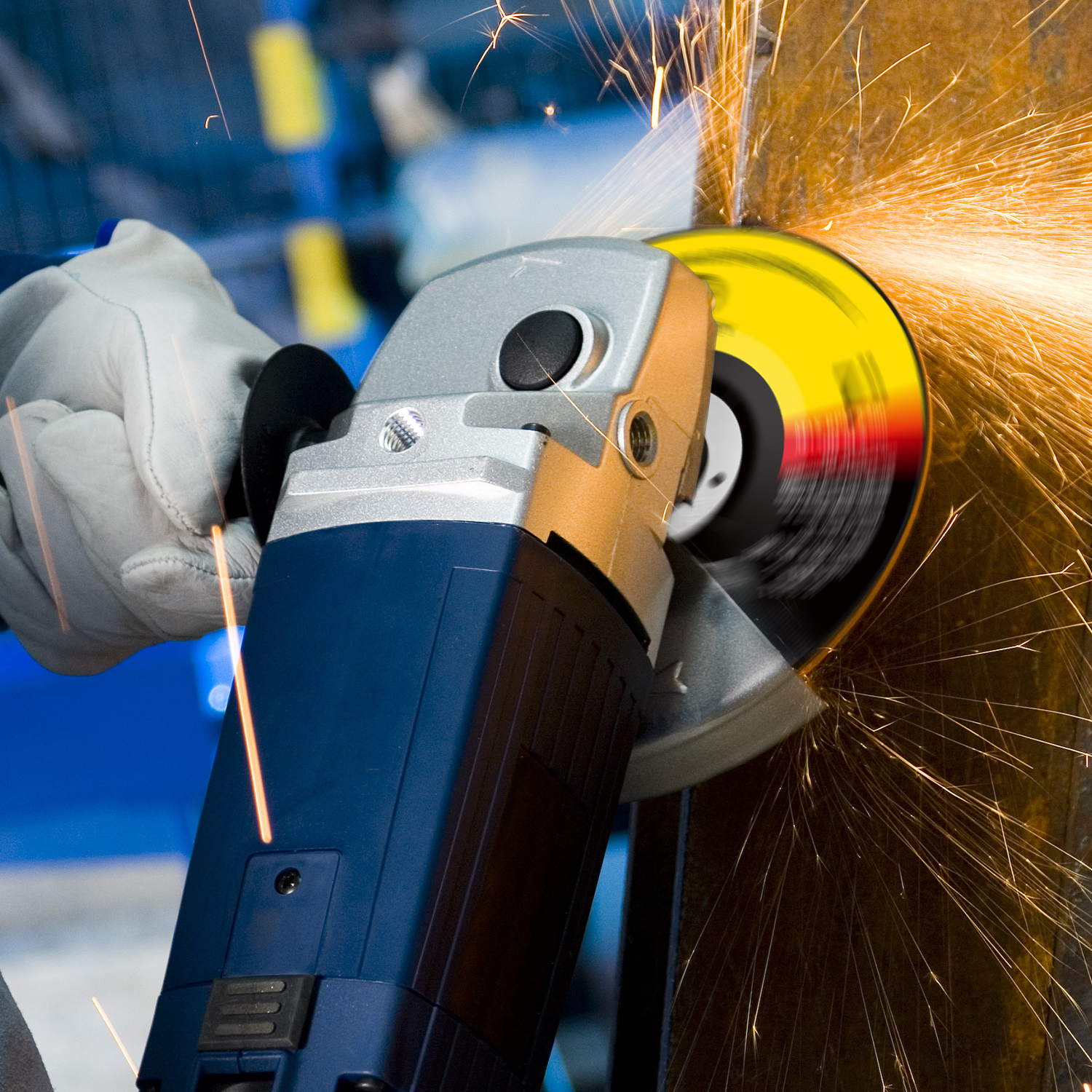
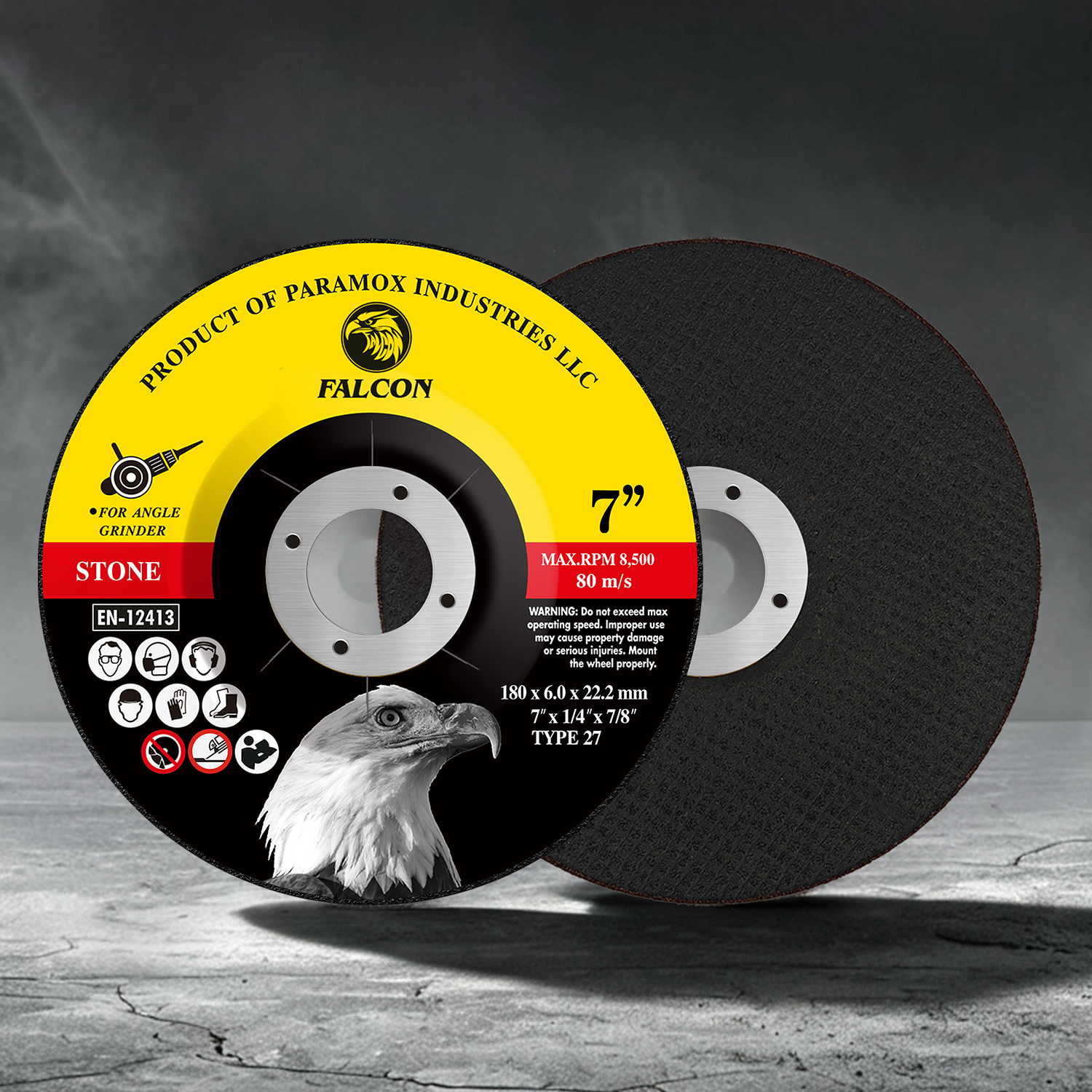
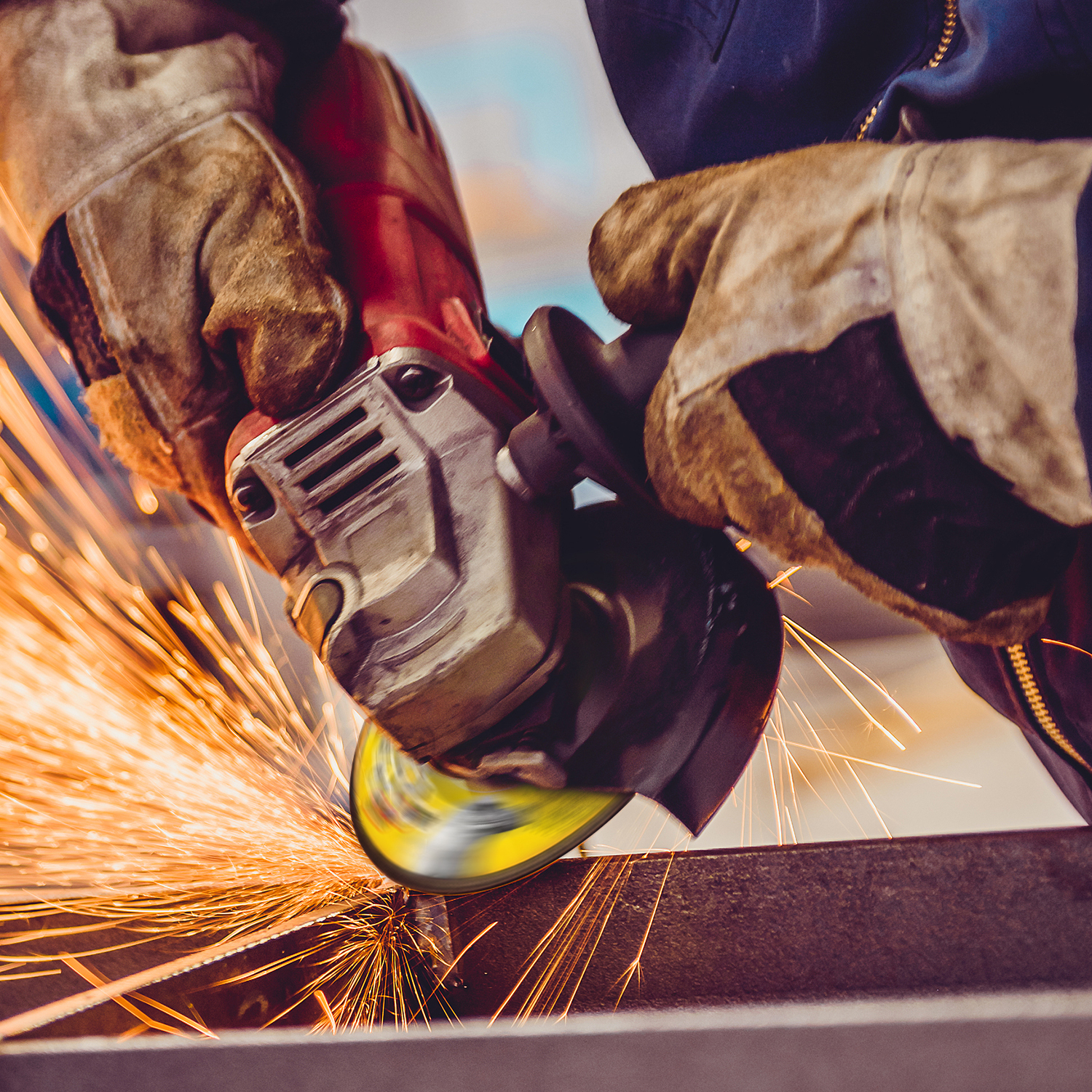
Choosing the right grinding wheel disc is essential for achieving optimal performance in industrial applications. Grinding wheels and discs are crucial tools in the manufacturing process, used for cutting, grinding, and polishing various materials. B2B buyers often have concerns regarding the suitability, specifications, and sourcing of these products. This article will guide you through the essential aspects of grinding wheel discs, helping you make informed purchasing decisions.
Our Products

Choosing the Right Grinding Wheel Disc for Your Industrial Needs

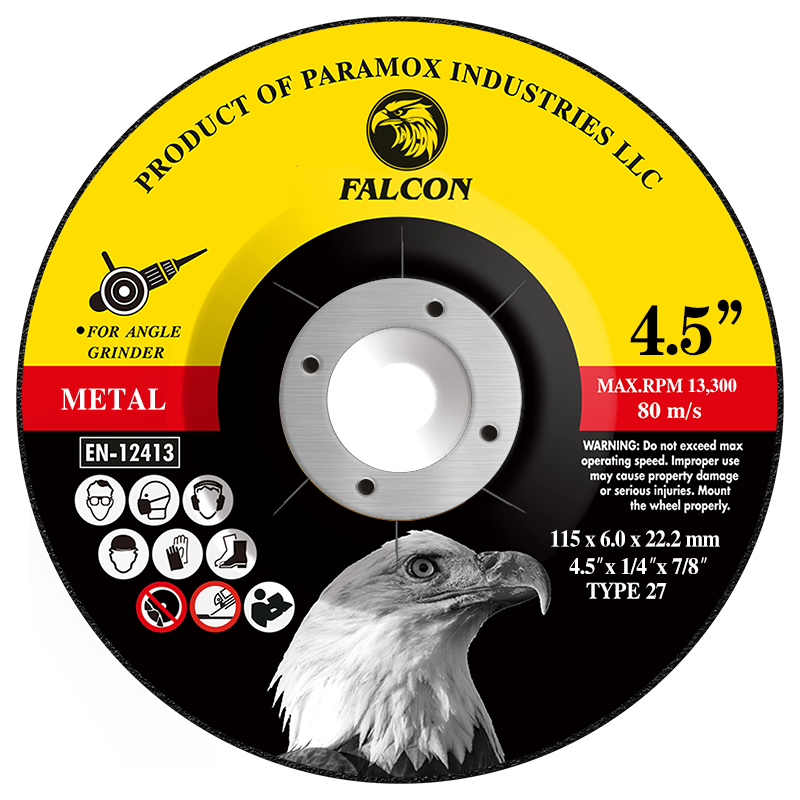
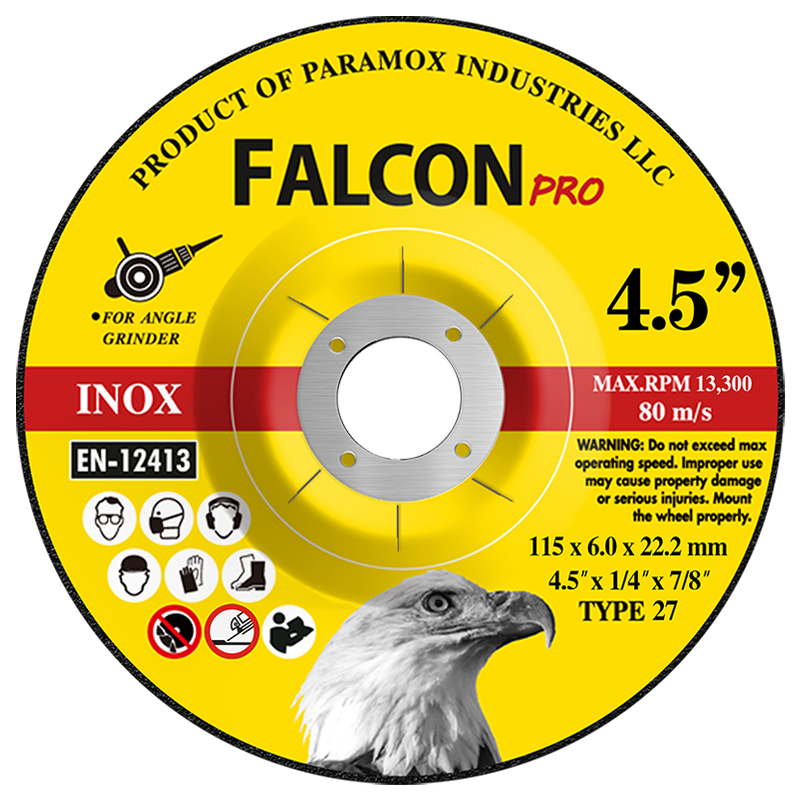
When selecting a grinding wheel disc, you must first assess the specific requirements of your application. Consider the material you will be grinding—metal, stone, or composite materials—as different materials necessitate distinct grinding wheel compositions. For instance, harder materials like stainless steel require wheels with a tougher bond and coarser grit, while softer materials may benefit from a finer grit for smoother finishes. Additionally, if you're looking for Safety Gloves to protect your hands during grinding operations, it's essential to choose the appropriate type.

Moreover, the intended use of the grinding wheel disc significantly impacts your choice. If you require high precision, a wheel designed for fine grinding is preferable. Conversely, if you are involved in heavy stock removal, opt for a more robust disc with a larger grit size. Always consult with your manufacturer to understand which grinding wheel disc aligns best with your machinery and operational demands.

Frequently Asked Questions

What materials can this grinding wheel disc cut?

Our grinding wheel disc is engineered for steel, stainless steel, cast iron, and other common metals used in industrial fabrication and maintenance.
We offer multiple diameters, thicknesses, and grit grades to suit coarse stock removal to fine finishing; contact us for detailed size and grit charts.
Use appropriate eye protection, gloves, hearing protection, and protective clothing and footwear. Ensure guards are fitted and follow machine safety procedures.
Inspect for cracks or damage before mounting. Use correct flange, torque specifications, and ensure the disc is compatible with the tool RPM before operation.
Lifespan depends on application and feed rate. Keep discs clean, avoid overheating, store dry, and replace when worn, cracked, or unbalanced for optimal performance.

Our Blog Posts

When is a flap disc worn out?

12

Mar

When is a flap disc worn out?

A flap disc is an essential abrasive tool used for grinding, blending, and finishing a variety of surfaces. Commonly installed on angle grinders, flap discs are made with multiple layers of abrasive cloth that gradually wear away during use while mai...
View More
Industrial Flap Discs: Quality Standards for Heavy-Duty Applications

10

Apr

Industrial Flap Discs: Quality Standards for Heavy-Duty Applications

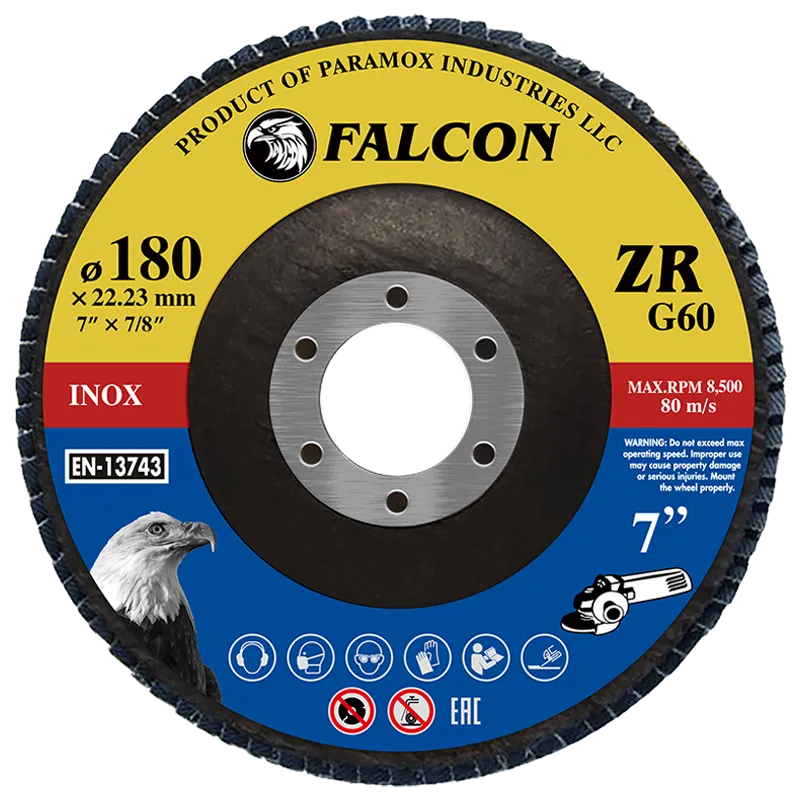
Industrial flap discs play a critical role in heavy-duty metal fabrication, manufacturing, and surface preparation industries. Designed for grinding, blending, deburring, and finishing operations, high-quality flap discs provide consistent performanc...
View More
How to Extend the Lifespan of Your Flap Discs

16

Apr

How to Extend the Lifespan of Your Flap Discs

Flap discs are essential abrasive tools widely used for grinding, blending, polishing, and surface preparation in metalworking applications. Whether used for weld finishing, rust removal, or general surface treatment, a high-quality flap disc can sig...
View More
What Is a Fiber Disc & How Does It Work?

29

Jul

What Is a Fiber Disc & How Does It Work?

Fiber discs are really important tools in lots of industries, specially manufacturing and construction. They made from strong stuff and good for sanding, grinding, or polishing surfaces. You put them on machine, they spin fast and smooth rough edges ...
View More

Get a Free Quote

Our representative will contact you soon.
Email
Mobile/WhatsApp
Name
Company Name
Country
Customer Type
Estimated Order Quantity
MOQ and Free Sample Policy
Message
0/1000

Related product categories

Key Specifications for High-Performance Grinding Wheel Discs

Key Specifications for High-Performance Grinding Wheel Discs

Several specifications are crucial in determining the performance of a grinding wheel disc:

Diameter and Thickness: These dimensions affect the disc's suitability for specific machines and applications. A larger diameter can cover more surface area in less time, while thickness influences the disc's durability and speed rating.

Bond Type: The bond holds the abrasive particles together. Common types include vitrified, resin, and metal bonds, each offering different levels of strength and flexibility. Vitrified bonds are great for precision work, while resin bonds are suitable for general-purpose grinding.

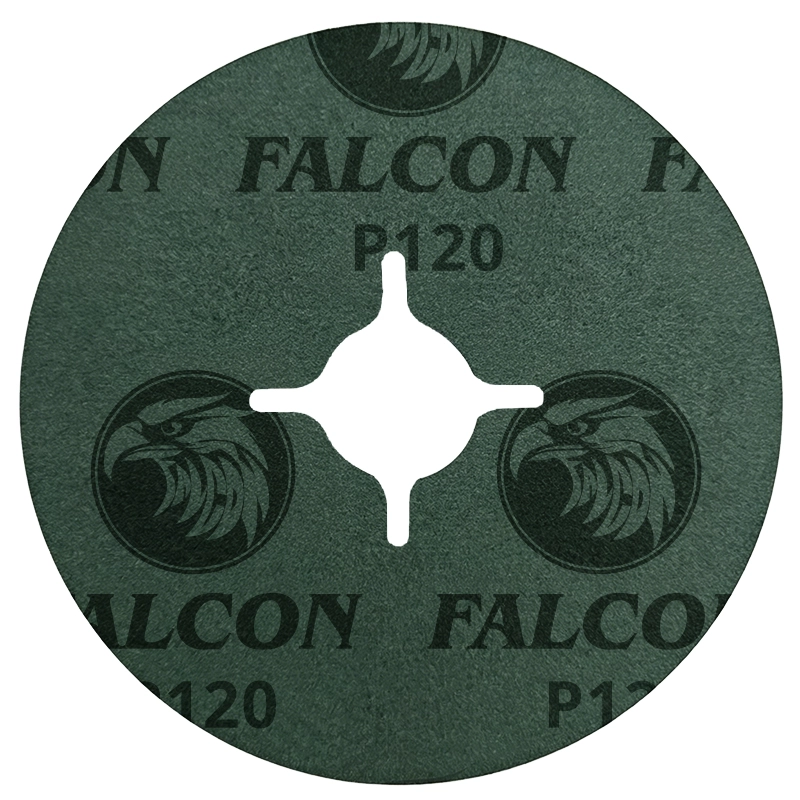
Grit Size: The grit size indicates the coarseness of the disc. A lower grit number (e.g., 36) is coarse and ideal for stock removal, whereas higher numbers (e.g., 120) are finer, suitable for polishing.

Speed Rating: This determines the maximum RPM at which the wheel can safely operate. Always ensure that the speed rating of the disc matches or exceeds that of the grinding machine to prevent accidents and achieve optimal performance.

Buyers should verify these specifications before placing an order to ensure compatibility with their equipment and intended use.

Sourcing from Reliable Suppliers

Sourcing from Reliable Suppliers

Finding a reliable supplier for grinding wheel discs is essential in ensuring product quality and performance. Look for manufacturers with proven experience and expertise in producing abrasive tools. Consider suppliers who adhere to recognized quality certifications and industry standards. This ensures that the products not only meet regulatory requirements but also perform consistently in demanding industrial environments. If you have Other Products / Custom Requirements in mind, discussing these with your supplier can lead to tailored solutions.

Additionally, suppliers should provide documentation, such as technical data sheets, that detail product specifications, safety information, and performance standards. Engaging in discussions about your specific needs can also reveal customization options and help establish a long-term partnership with the supplier.

Before finalizing a supplier, requesting samples for testing can be beneficial. This will allow you to evaluate the disc's performance under actual operating conditions, ensuring that it meets your application requirements.

Comparing Different Grinding Wheel Disc Materials and Their Advantages

Comparing Different Grinding Wheel Disc Materials and Their Advantages

Grinding wheel discs are available in various materials, each offering unique advantages.

Alumina: Commonly used for general-purpose grinding, alumina discs provide good performance at a lower cost. They are suitable for grinding metals and are widely used in manufacturing.

Silicon Carbide: Ideal for harder materials such as ceramics and non-ferrous metals, silicon carbide discs offer superior performance in specific applications, particularly where a finer finish is required.

Cubic Boron Nitride (CBN): Known for its durability and heat resistance, CBN discs are excellent for grinding hard metals like tool steel. They maintain their sharpness longer than traditional abrasives, resulting in reduced downtime and lower replacement costs.

Diamond: The hardest material available, diamond discs are used for grinding extremely hard materials like concrete and gemstones. They provide superior cutting speed and longevity, making them a preferred choice for high-performance applications.

When selecting the material for your grinding wheel disc, consider the specific application, the nature of the materials being worked on, and the required precision to make the most effective choice.

Cost Factors to Consider When Buying Grinding Wheel Discs in Bulk

When purchasing grinding wheel discs in bulk, several cost factors come into play. First, consider the price per unit, which often decreases with larger orders, providing an opportunity for significant savings. However, the cheapest option may not always be the best; quality should never be compromised for cost.

Additionally, account for the total cost of ownership, which includes factors like durability, performance, and the frequency of replacements. A higher upfront cost may be justified if a disc lasts longer and reduces downtime in your operations.

Shipping costs and lead times are also critical. Ensure that your supplier can meet your delivery requirements without incurring excessive shipping fees. It’s advisable to discuss bulk order discounts and payment terms upfront to facilitate smoother transactions.

Lastly, consider the potential for customization. Custom grinding wheel discs tailored to your specific needs may incur additional costs but can lead to more efficient operations and better overall performance.

By carefully evaluating these factors, you can make more informed decisions when sourcing grinding wheel discs for your industrial applications.

Get a Free Quote

Our representative will contact you soon.
Email
Mobile/WhatsApp
Name
Company Name
Country
Customer Type
Estimated Order Quantity
MOQ and Free Sample Policy
Message
0/1000