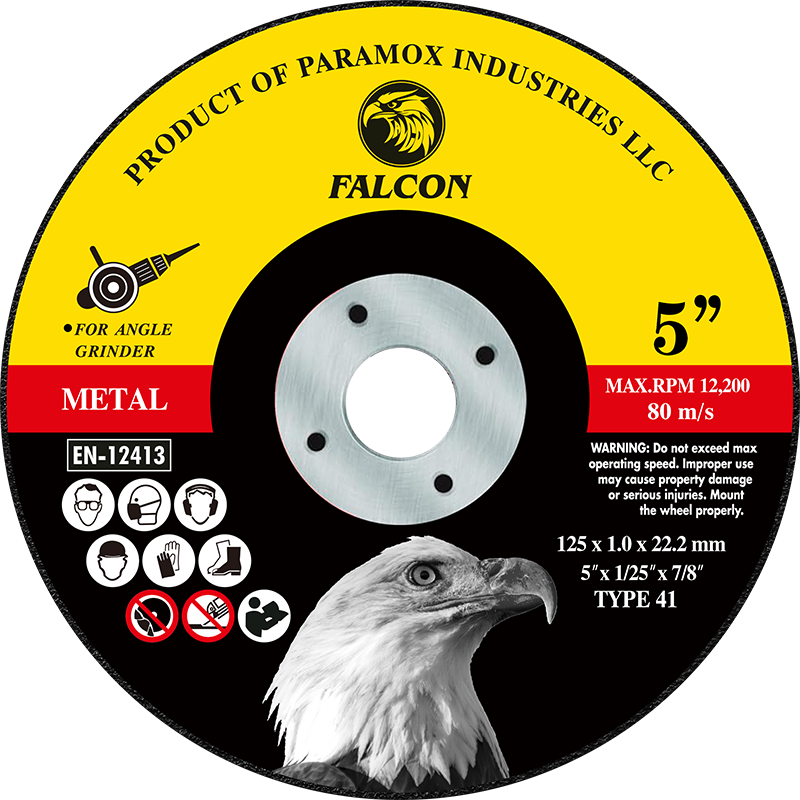
Cutting Wheel for Aluminum: Key Specifications and Guidelines

Get a Free Quote

Our representative will contact you soon.
Email
Mobile/WhatsApp
Name
Company Name
Country
Customer Type
Estimated Order Quantity
MOQ and Free Sample Policy
Message
0/1000

cutting wheel for aluminum

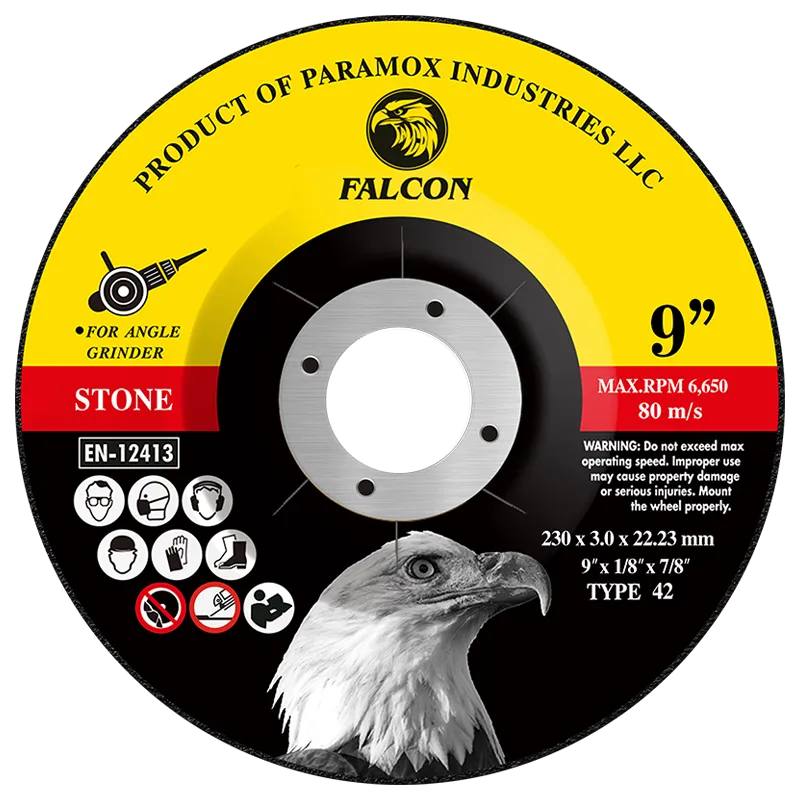
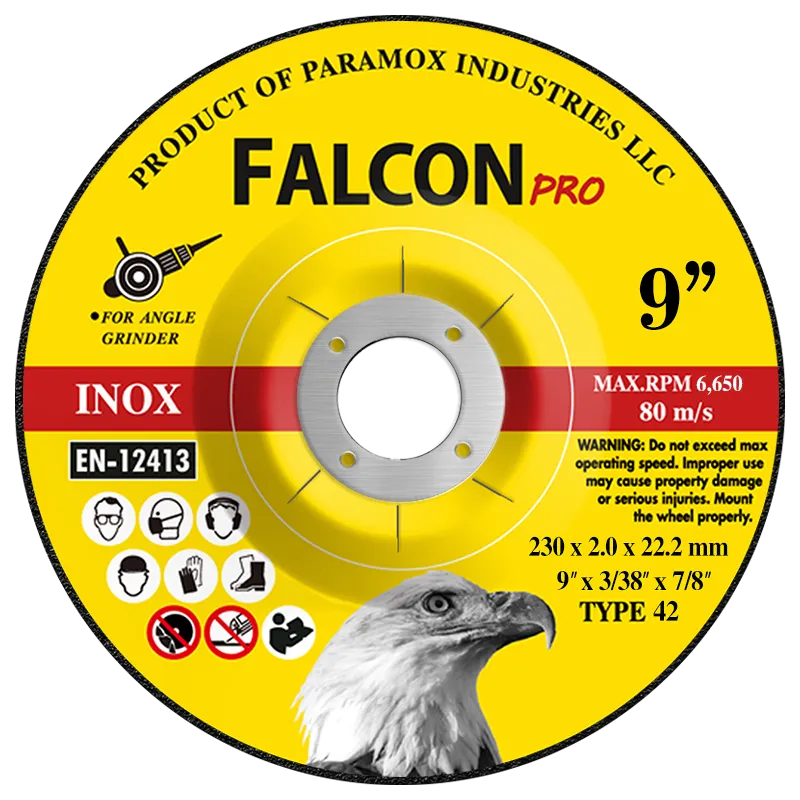
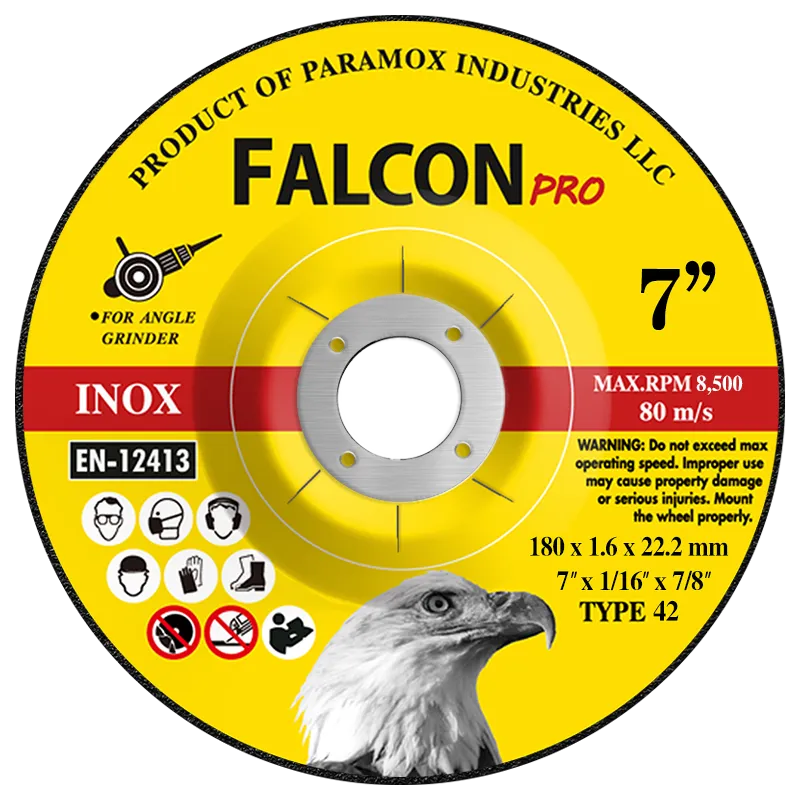
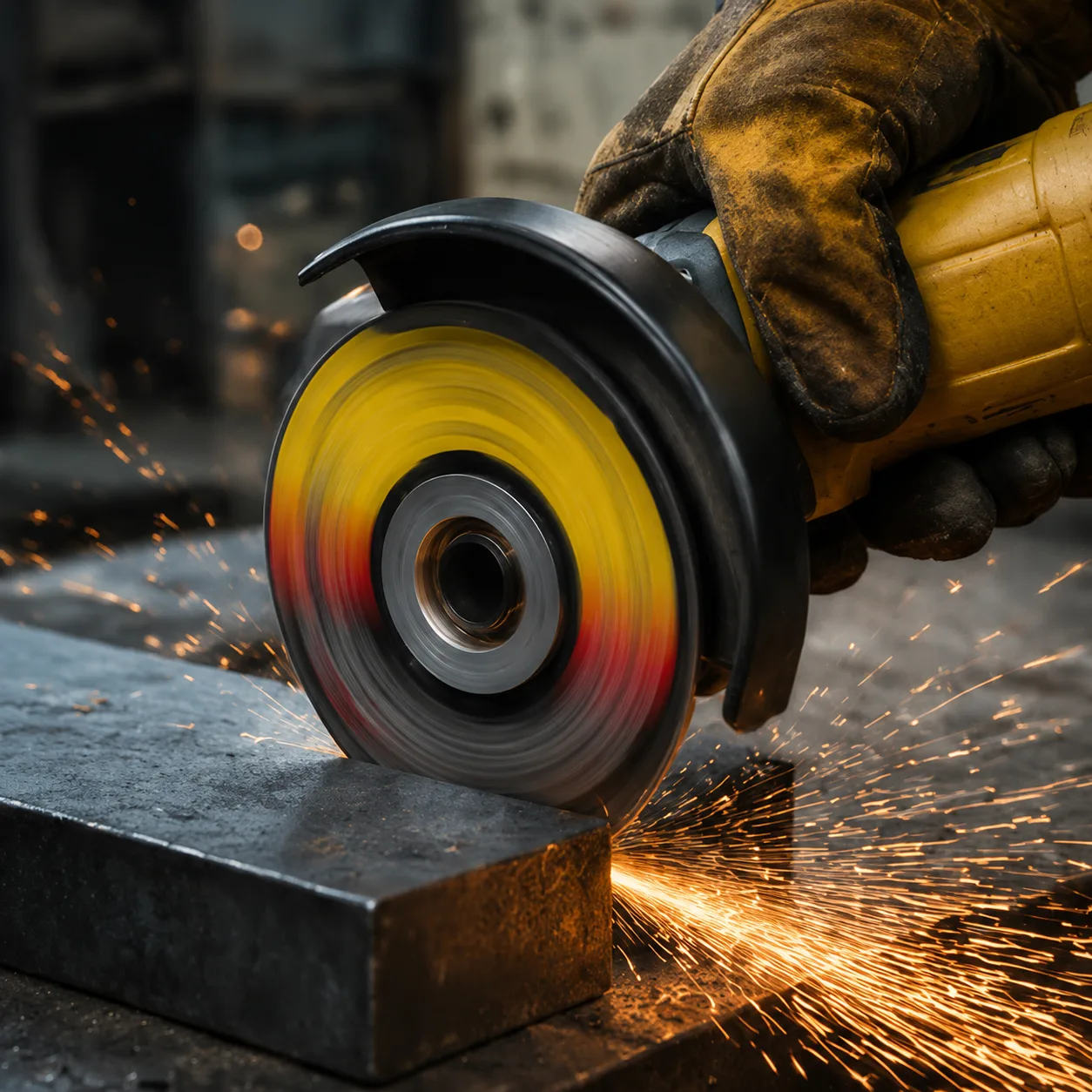
Cutting wheels for aluminum are specialized abrasive tools designed to efficiently cut through aluminum and its alloys. When sourcing these cutting wheels, B2B buyers, including purchasing managers and engineers, often prioritize factors such as performance, durability, efficiency, and safety. This article will provide insights into selecting the right cutting wheel for aluminum, considering specifications, installation guidelines, material advantages, and performance considerations to ensure optimal results in industrial applications.

Our Products

Reliable Suppliers of Aluminum Cutting Wheels

When searching for reliable suppliers of aluminum cutting wheels, it’s essential to consider manufacturers with a proven track record in producing high-performance abrasive tools. Companies like FALCON GLOBAL / TOOLS SAFETY, known for their advanced manufacturing processes, utilize cutting-edge technology to create grinding wheels and discs tailored for specific applications. Buyers should evaluate suppliers based on their production capabilities, industry experience, and customer service. Additionally, suppliers may offer Other Products / Custom Requirements that can complement cutting wheels.

Trustworthy suppliers will typically offer a range of cutting wheels designed for various applications, ensuring that quality control processes are in place to maintain consistency. Additionally, assessing a supplier's certifications and compliance with industry standards can provide further assurance of product reliability and safety.

Frequently Asked Questions

What is this cutting wheel for aluminum used for?

Designed for fast, precise cutting of aluminum profiles, sheets and extrusions in industrial and fabrication settings while minimizing burrs and heat.
Optimized for non-ferrous metals, especially aluminum and its alloys. Not intended for hardened steel or stainless applications.
Available in multiple diameters and thicknesses to suit handheld and machine-mounted grinders; contact us for specific size availability.
Store flat in a dry, temperature-stable area, avoid dropping, inspect for cracks before use, and follow mounting torque and guard instructions.
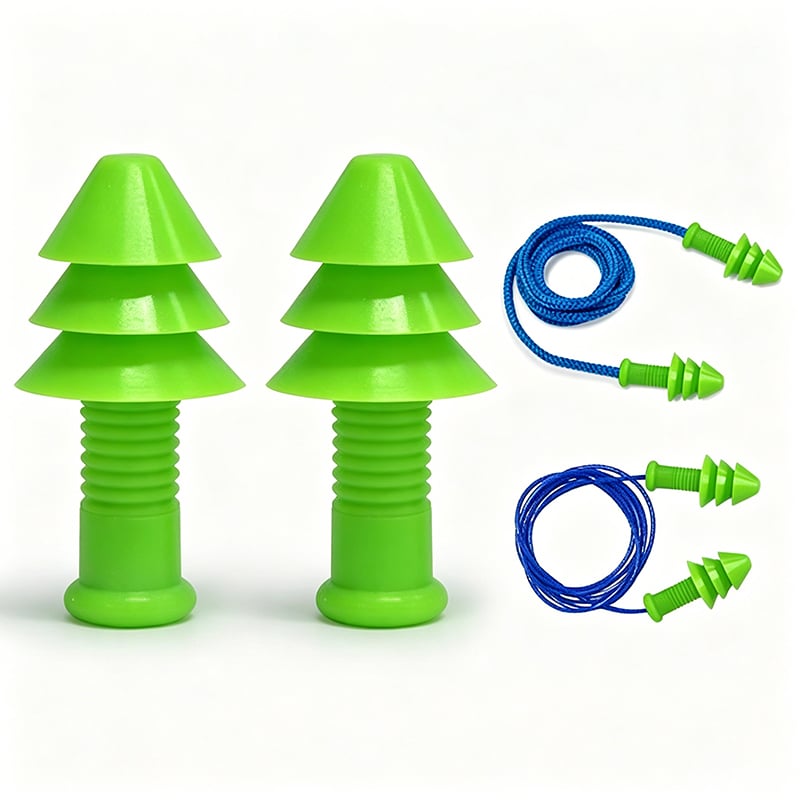
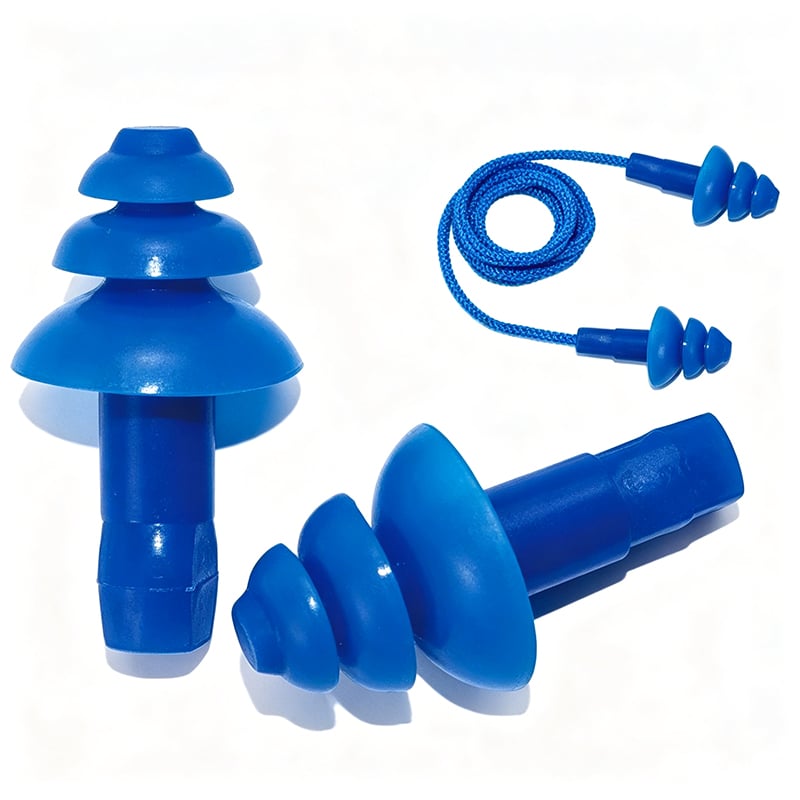
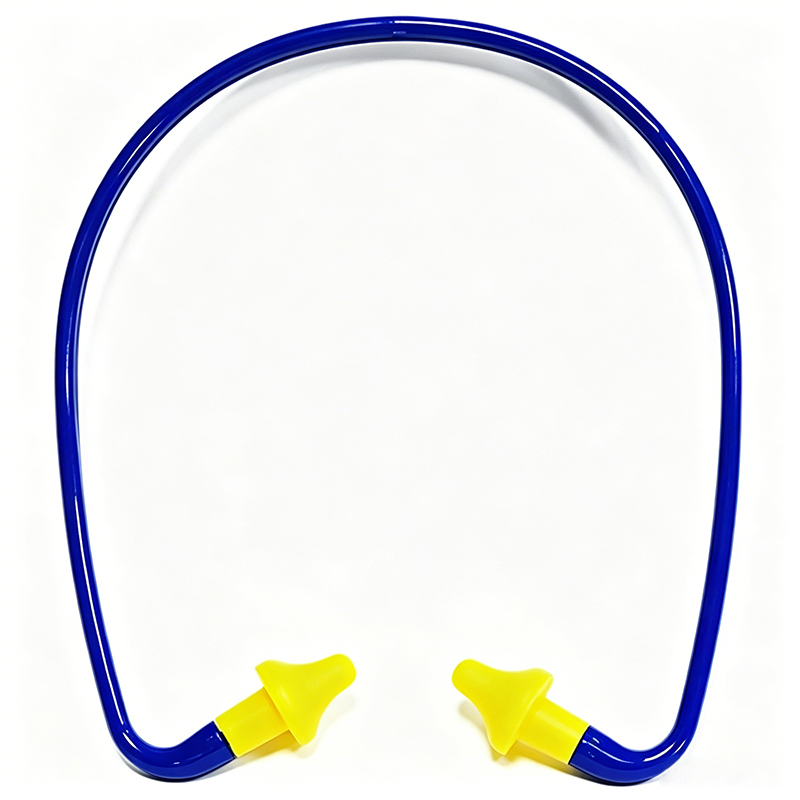
Use eye protection, face shield, cut-resistant gloves, hearing protection, and appropriate protective clothing and footwear as provided by our safety product range.

Our Blog Posts

What types of cut-off wheels are there?

15

May

What types of cut-off wheels are there?

Cut-off wheels are really important tools in lots work, specially metalworking stuff. Falcon Global have different kinds of cut-off wheels which helps people cut many materials easy. These wheels get attached to machines like angle grinders and they ...
View More
Notes on using cut-off wheels

17

Sep

Notes on using cut-off wheels

Cut-off wheels are indispensable tools across numerous industries. They are engineered to slice hard materials including metal, concrete, and stone. At Falcon Global, we fully understand how critical it is to select high-quality cut-off wheels for yo...
View More
How to Select High-Performance Cut Off Wheels for Industrial Use

05

Sep

How to Select High-Performance Cut Off Wheels for Industrial Use

Selecting the right high-performance cut-off wheels for industrial applications is a critical decision. Cut-off wheels are essential industrial consumables widely used for cutting metal, stainless steel and other hard materials. Choosing a suitable c...
View More
How to Extend the Lifespan of Your Cut Off Wheels

11

Oct

How to Extend the Lifespan of Your Cut Off Wheels

Cut-off wheels are essential abrasive tools for industrial cutting applications. They are widely used for cutting metal, concrete, stone, and other hard materials. However, wheel selection and operating methods have a direct impact on cutting perform...
View More

Get a Free Quote

Our representative will contact you soon.
Email
Mobile/WhatsApp
Name
Company Name
Country
Customer Type
Estimated Order Quantity
MOQ and Free Sample Policy
Message
0/1000

Related product categories

Key Specifications to Consider for Aluminum Cutting Wheels

Key Specifications to Consider for Aluminum Cutting Wheels

When selecting cutting wheels for aluminum, several key specifications need to be evaluated to ensure the chosen product meets the intended application requirements:

Diameter and Thickness: The size of the cutting wheel affects its cutting efficiency and compatibility with machinery. Thicker wheels may provide greater durability, while thinner ones are often used for faster cuts.

Abrasive Material: Common materials include aluminum oxide and zirconia. Aluminum oxide is suitable for softer aluminum grades, while zirconia is better for harder grades due to its durability and resistance to wear.

Bond Type: The bond holds the abrasive material together. Resin bonds are often preferred for cutting aluminum as they provide a good balance of strength and flexibility, allowing for smoother cuts and reduced risk of wheel breakage.

Grain Structure: A finer grain structure can lead to cleaner cuts with less burr, which is critical in applications where finish quality is paramount.

Before placing an order, buyers should confirm these specifications with the supplier to ensure compatibility with their machinery and application needs.

Installation Guidelines for Aluminum Cutting Wheel Usage

Installation Guidelines for Aluminum Cutting Wheel Usage

Proper installation of aluminum cutting wheels is crucial for achieving optimal performance and safety. Here are essential installation guidelines:

Check Compatibility: Ensure that the cutting wheel is compatible with the machine being used. Different machines have specific requirements regarding wheel size, RPM, and mounting mechanisms.

Inspect the Wheel: Before installation, visually inspect the wheel for any damage or defects. Any cracks, chips, or irregularities can lead to failure during operation.

Secure Mounting: Follow the manufacturer’s guidelines for securely mounting the cutting wheel. Use appropriate tools to ensure it is fitted tightly and does not wobble during operation.

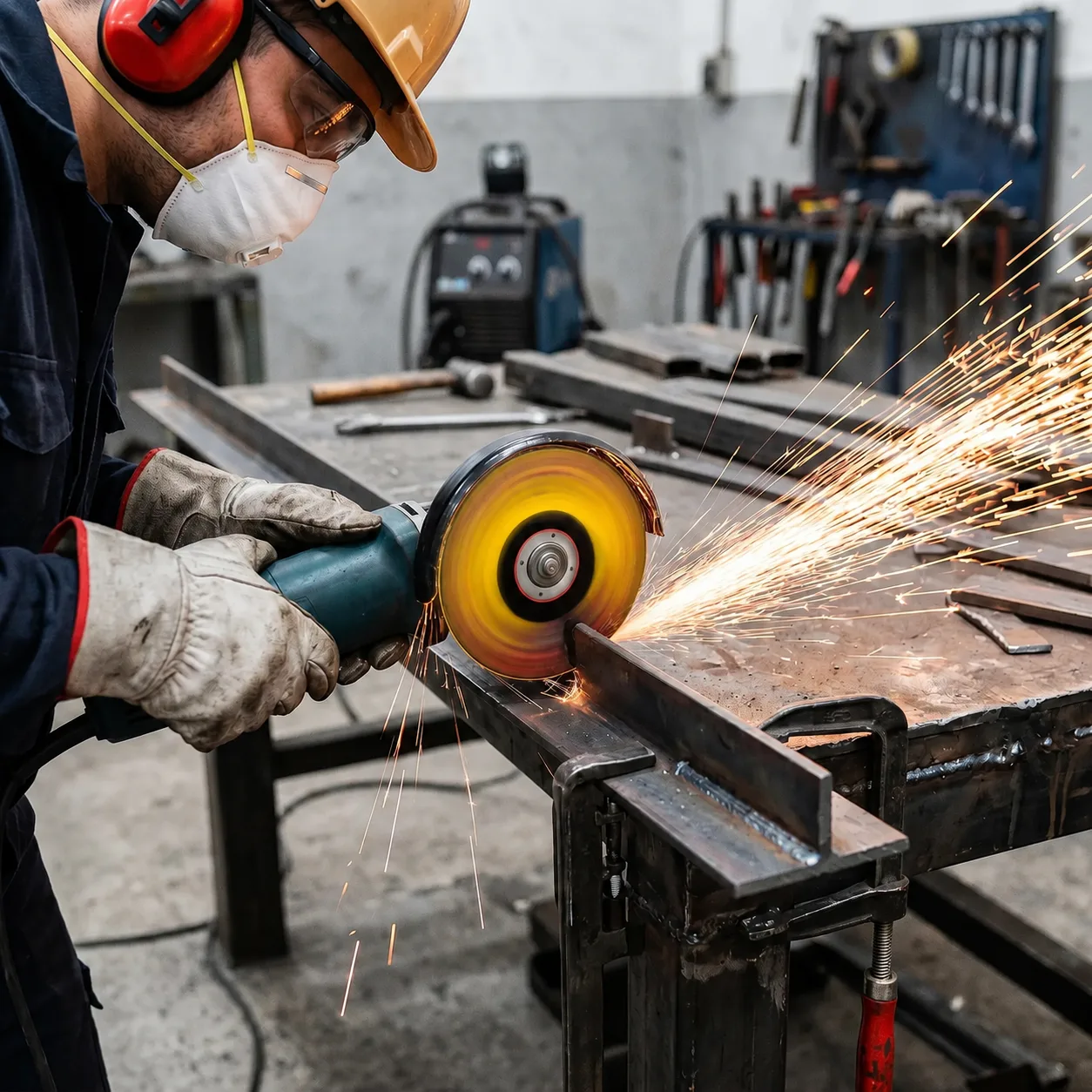
Safety Gear: Operators should always wear appropriate personal protective equipment (PPE) such as safety goggles, gloves, and hearing protection when using cutting wheels. Using Safety Gloves is essential for protecting hands during operation.

Test Run: Conduct a test run at a low speed to ensure the wheel is mounted correctly and functions properly before engaging in full-speed operation.

Adhering to these installation guidelines not only enhances performance but also mitigates safety risks associated with improper usage.

Material Advantages of Specialized Cutting Wheels for Aluminum

Material Advantages of Specialized Cutting Wheels for Aluminum

Specialized cutting wheels for aluminum offer several material advantages that enhance their effectiveness in industrial applications:

Reduced Heat Generation: Cutting aluminum generates heat that can affect the integrity of both the material and the cutting wheel. Specialized wheels are designed to dissipate heat more effectively, minimizing the risk of thermal deformation.

Less Burr Formation: The right cutting wheel can significantly reduce burr formation, which is crucial for maintaining the quality of the cut surface. This is particularly important in applications where finish quality impacts downstream processes.

Enhanced Longevity: High-quality abrasive materials and binding agents used in specialized cutting wheels increase their lifespan, leading to fewer replacements and reduced downtime.

Improved Efficiency: These cutting wheels are engineered to provide faster cutting speeds and greater material removal rates, which can enhance productivity in manufacturing environments.

By selecting wheels made from these advanced materials, buyers can achieve better cutting performance while minimizing operational costs.

Ensuring Performance in Aluminum Cutting Tools

To ensure optimal performance from aluminum cutting wheels, buyers should consider several factors:

Regular Maintenance: Regularly inspect cutting wheels for wear and tear. Replace them as needed to maintain cutting efficiency and safety. A worn wheel can lead to poor cutting performance and increased risks of accidents.

Proper Usage Techniques: Training operators on the correct techniques for using cutting wheels can enhance performance. Techniques such as maintaining consistent pressure and using the correct feed rate can help achieve cleaner cuts.

Performance Testing: Conducting performance tests on a sample piece before full-scale production can help identify potential issues and confirm that the chosen cutting wheel meets the application requirements.

Feedback Loop: Establishing a feedback loop with operators and maintenance teams can provide valuable insights into the performance of cutting wheels, allowing for timely adjustments or replacements.

By implementing these practices, buyers can ensure that their cutting tools perform efficiently and effectively, ultimately leading to better outcomes in their manufacturing processes. selecting the right cutting wheel for aluminum involves careful consideration of specifications, installation guidelines, material advantages, and performance factors. By understanding these elements, B2B buyers can make informed decisions that enhance productivity and product quality in their operations.

Get a Free Quote

Our representative will contact you soon.
Email
Mobile/WhatsApp
Name
Company Name
Country
Customer Type
Estimated Order Quantity
MOQ and Free Sample Policy
Message
0/1000