EN

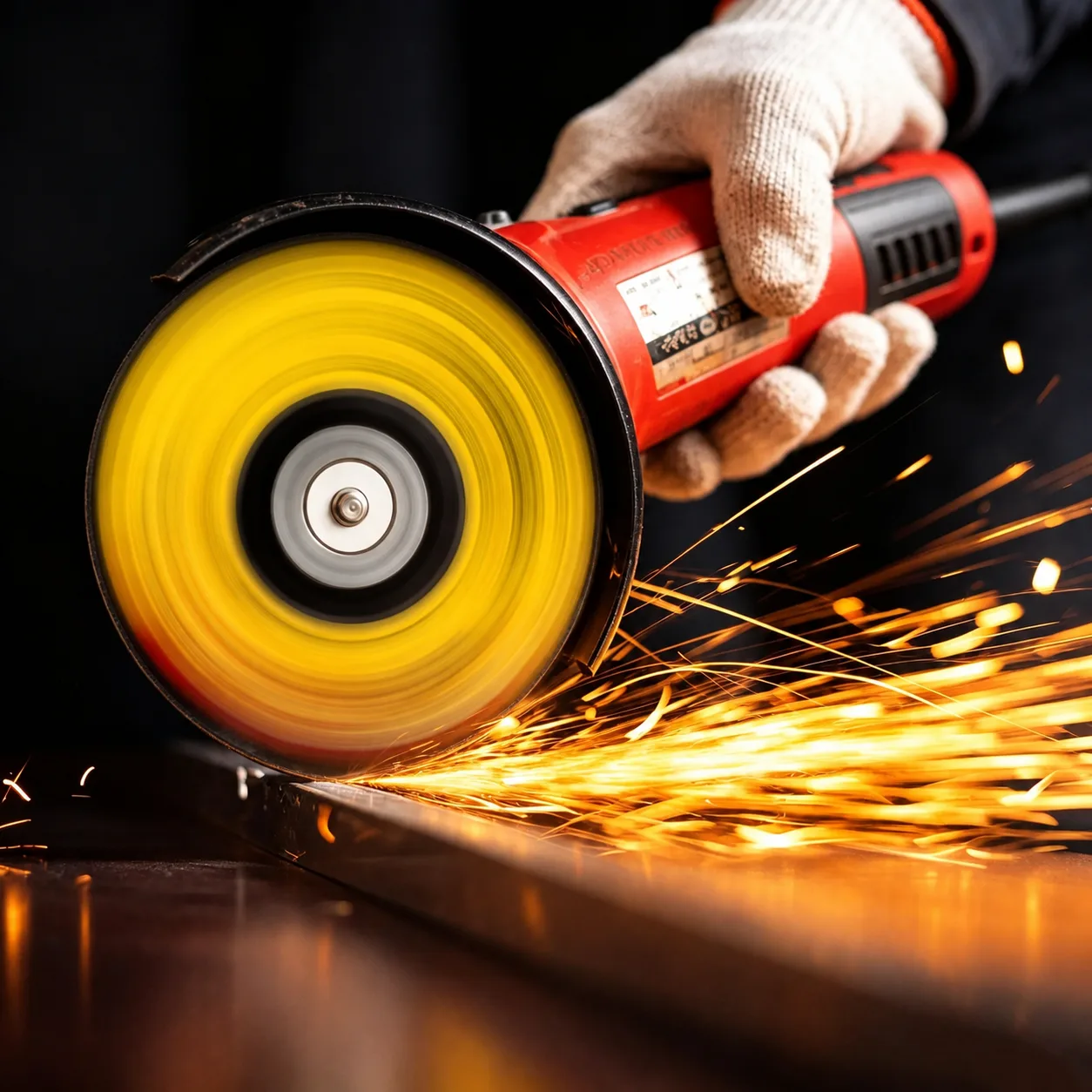
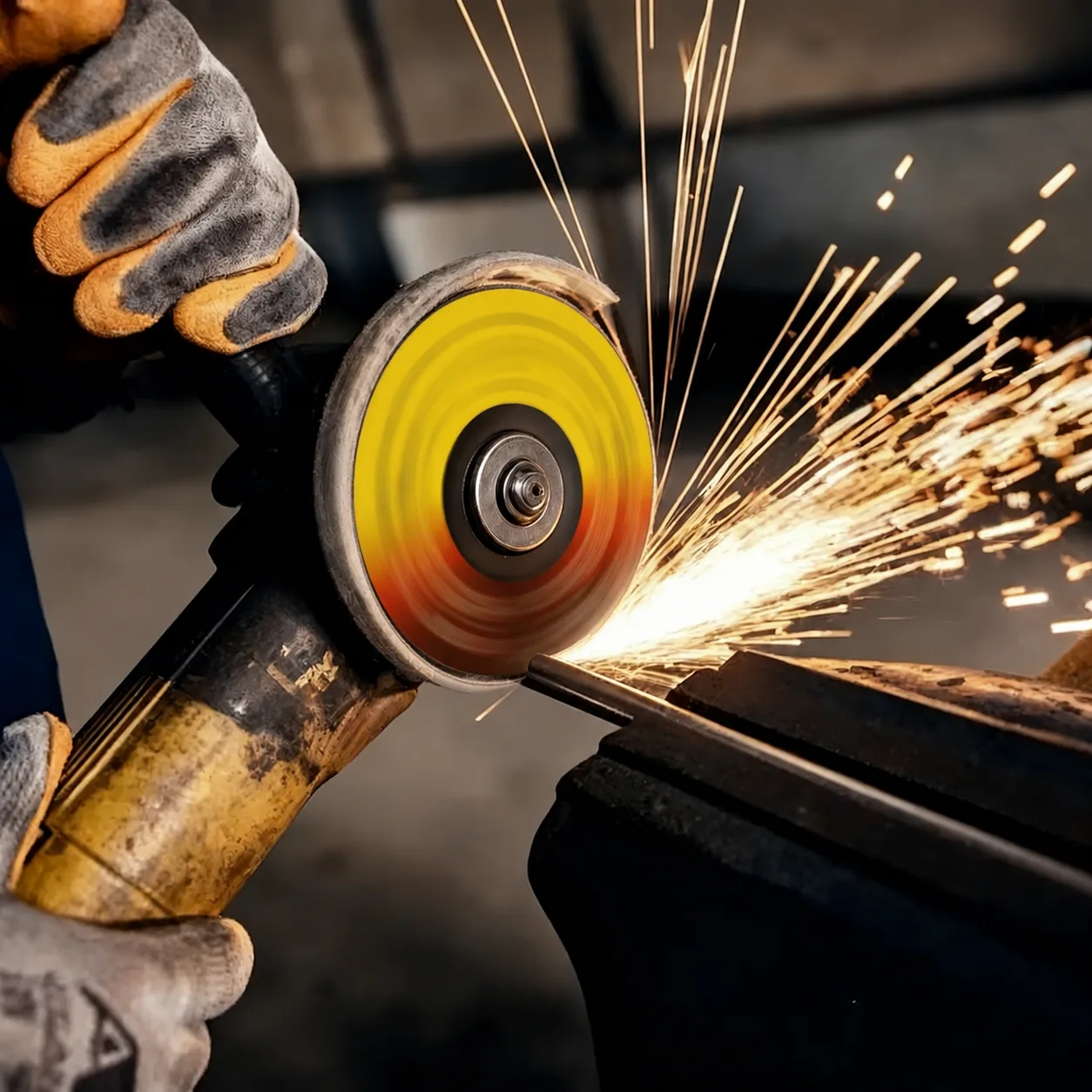
When sourcing cut out wheels for industrial applications, it’s essential to understand their specific characteristics and how they align with your operational needs. A cut out wheel is a type of abrasive tool designed for cutting through metal, plastic, and other materials, providing efficiency and precision in various manufacturing tasks. Buyers often face challenges such as material compatibility, pricing, and supplier reliability. This article will guide you through the key considerations for selecting the right cut out wheels, ensuring you make informed purchasing decisions.
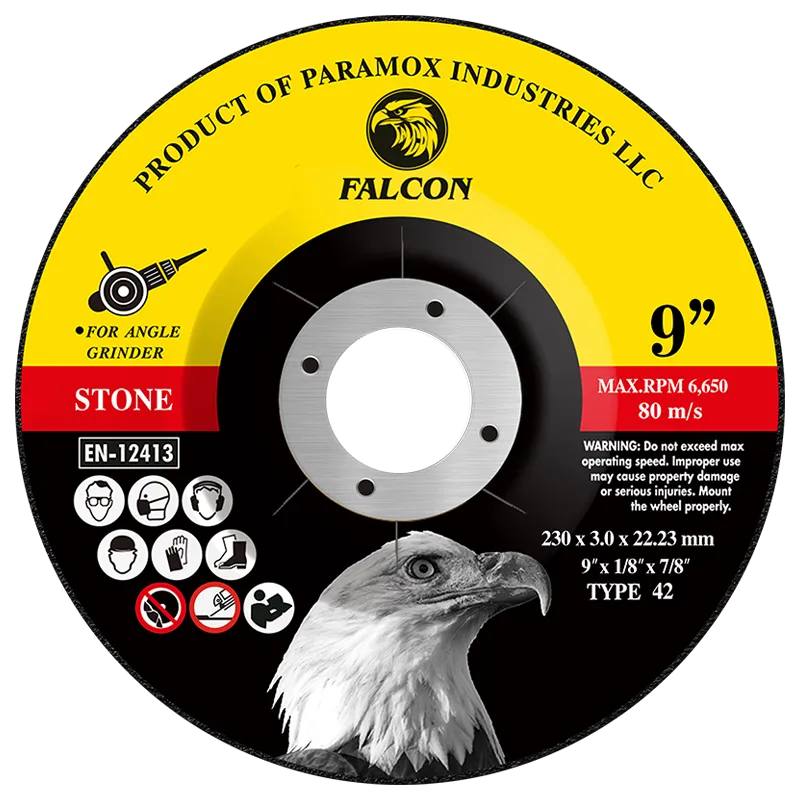
What types of cut-off wheels are there?
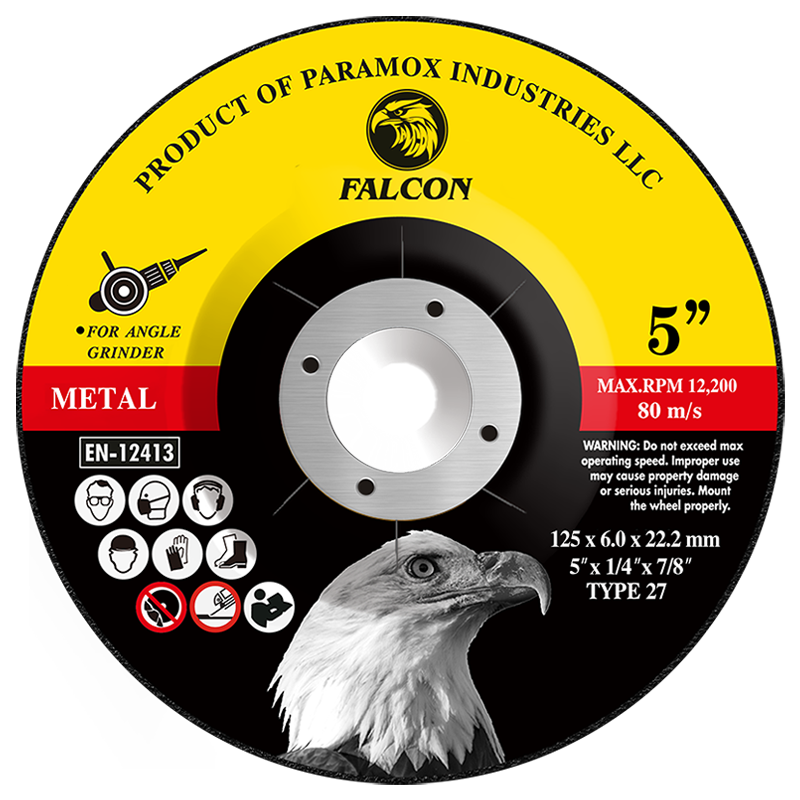
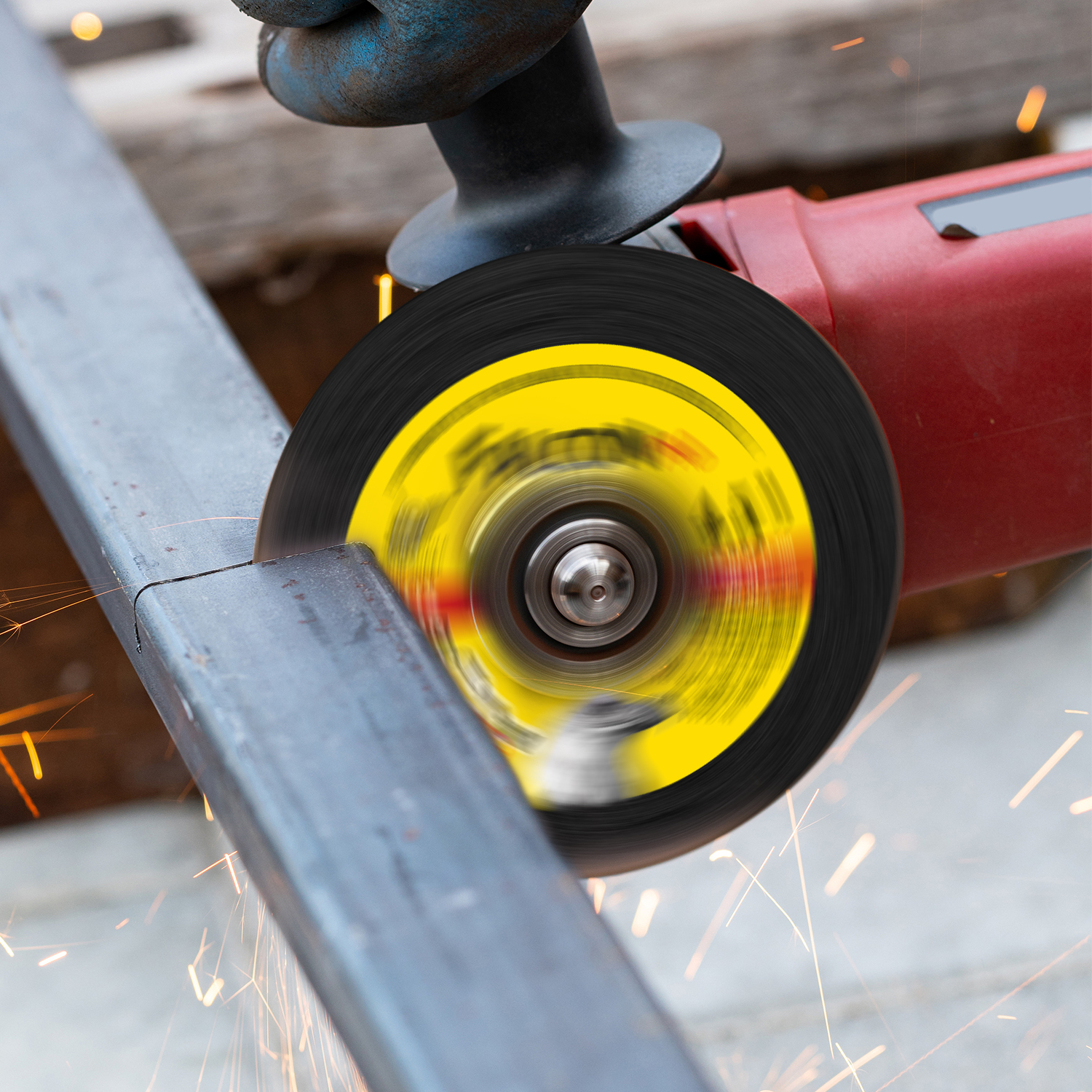
Cut-off wheels are really important tools in lots work, specially metalworking stuff. Falcon Global have different kinds of cut-off wheels which helps people cut many materials easy. These wheels get attached to machines like angle grinders and they ...
View More