Choosing the Right Angle Grinder for Metal Cutting

Get a Free Quote

Our representative will contact you soon.
Email
Mobile/WhatsApp
Name
Company Name
Country
Customer Type
Estimated Order Quantity
MOQ and Free Sample Policy
Message
0/1000

angle grinder cut metal

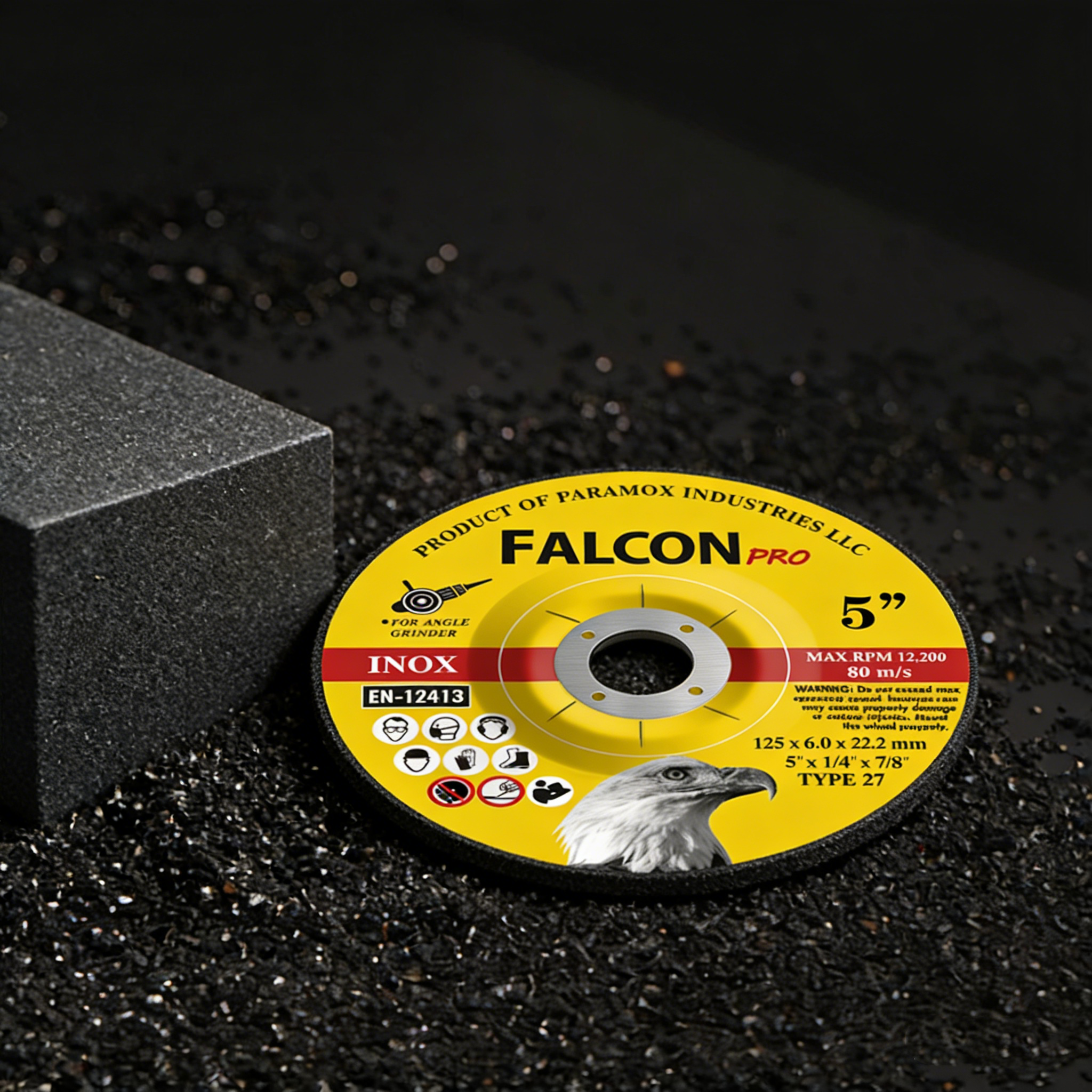
Choosing the right angle grinder for metal cutting is crucial for achieving precision and efficiency in your metalworking tasks. An angle grinder is a versatile tool that can cut, grind, and polish various types of metal, making it an essential piece of equipment for manufacturers, engineers, and purchasing managers. , we will explore key considerations when selecting an angle grinder, compare specifications for optimal metal cutting, address common problems and solutions, discuss applications across metalworking industries, and guide you in choosing the right grinder for your specific metal materials.
Our Products

What to Consider When Choosing an Angle Grinder for Metal Cutting

When selecting an angle grinder for metal cutting, several factors need careful consideration. First and foremost is the grinder's power rating, typically measured in watts or amps. A higher power rating usually translates to a more effective cutting performance, especially when working with tougher metals.

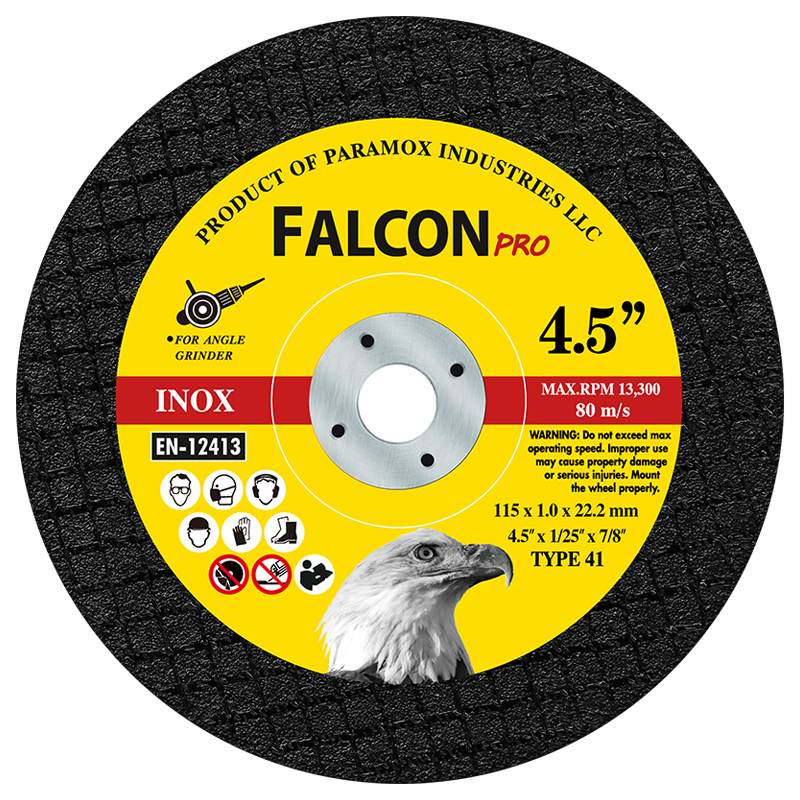
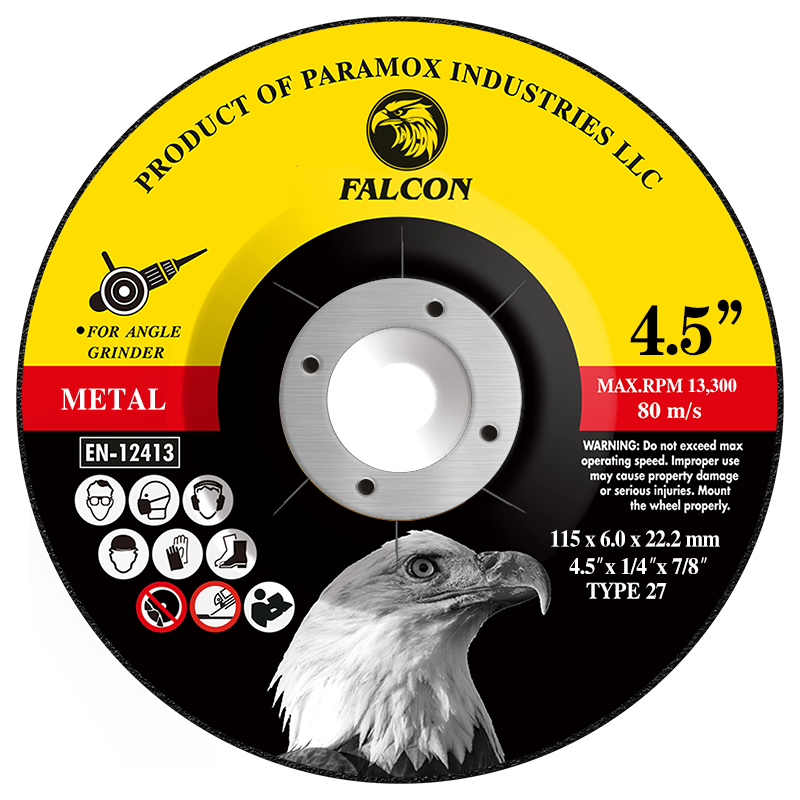
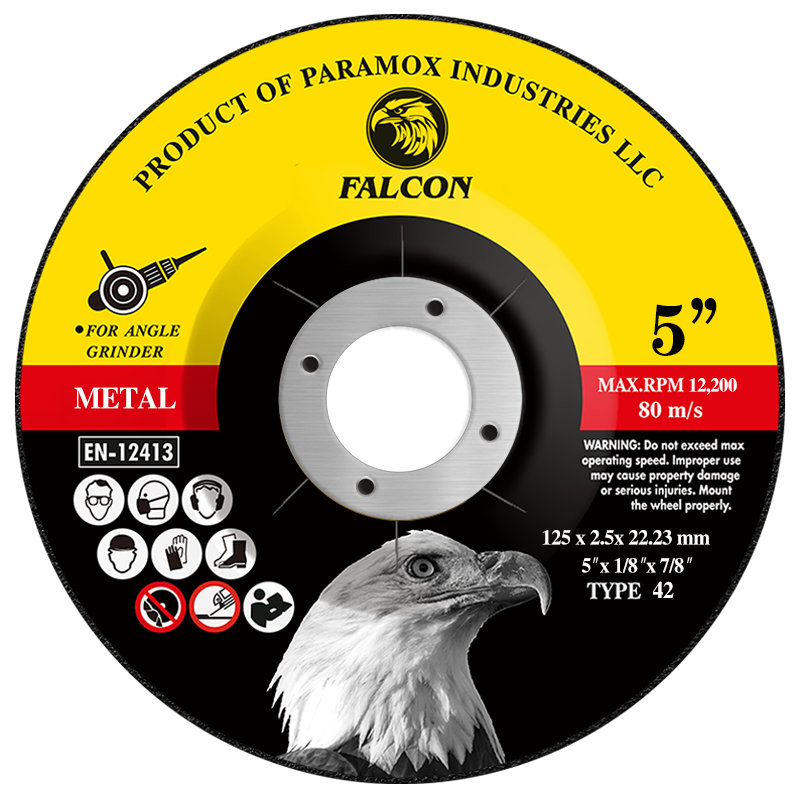
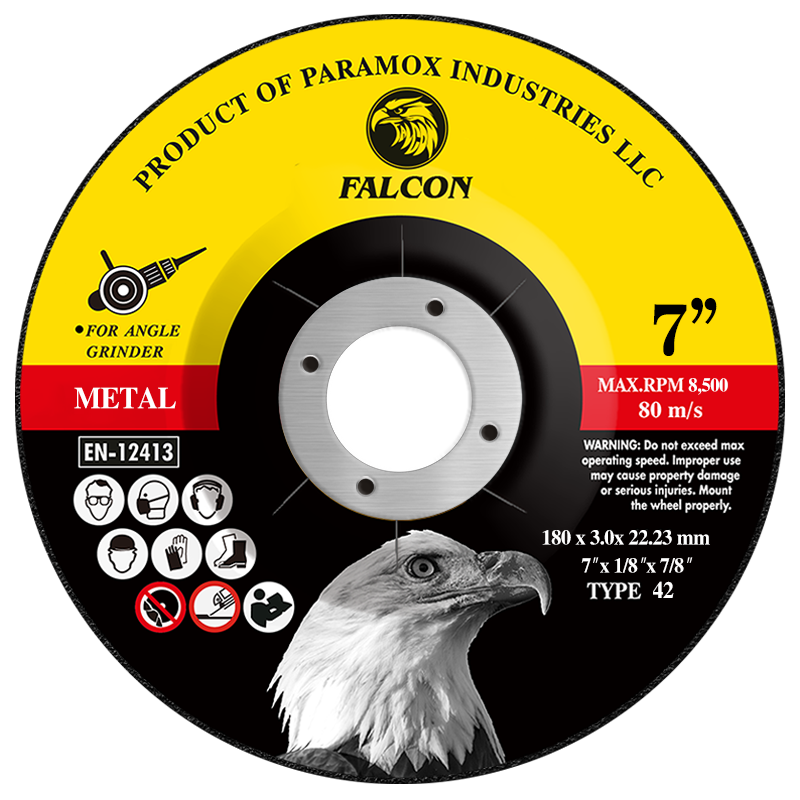
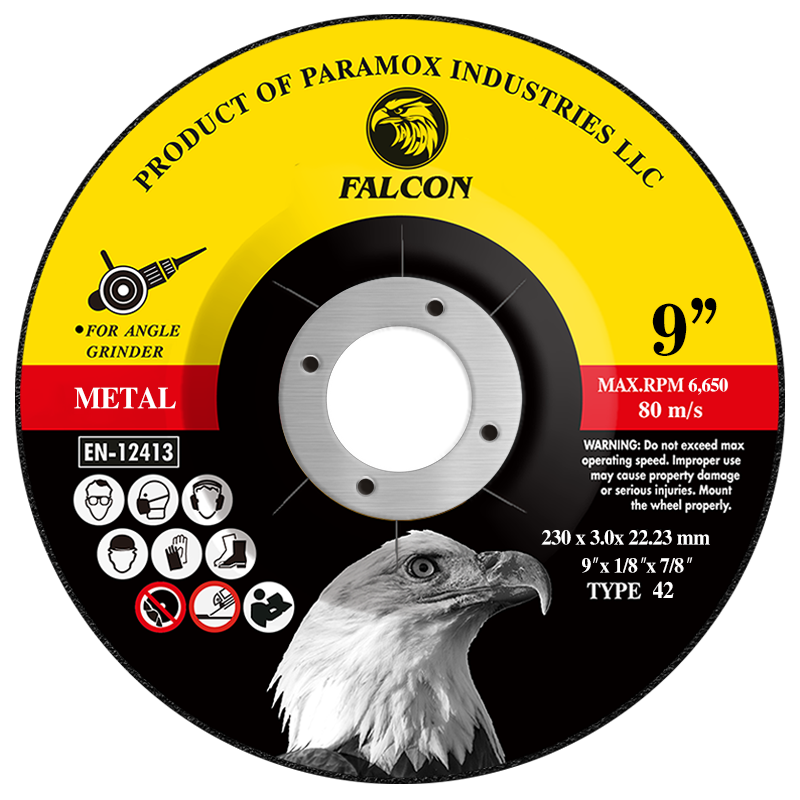
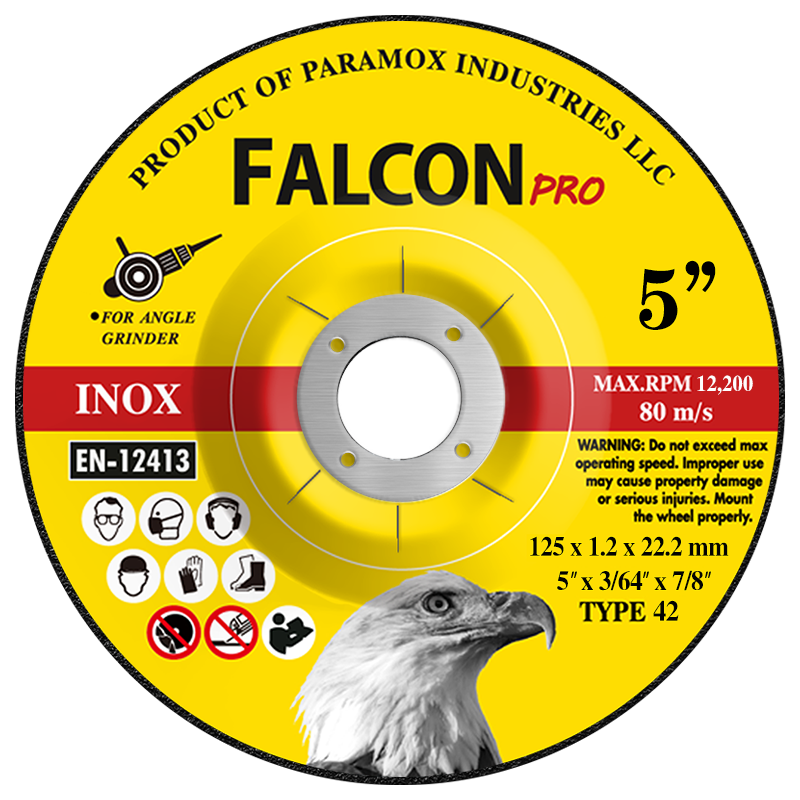
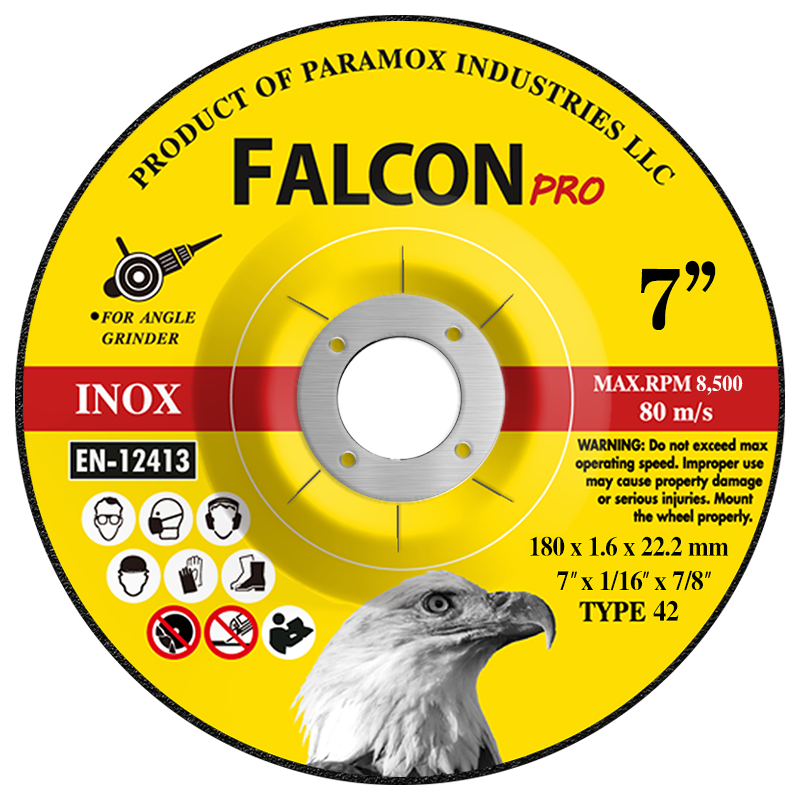
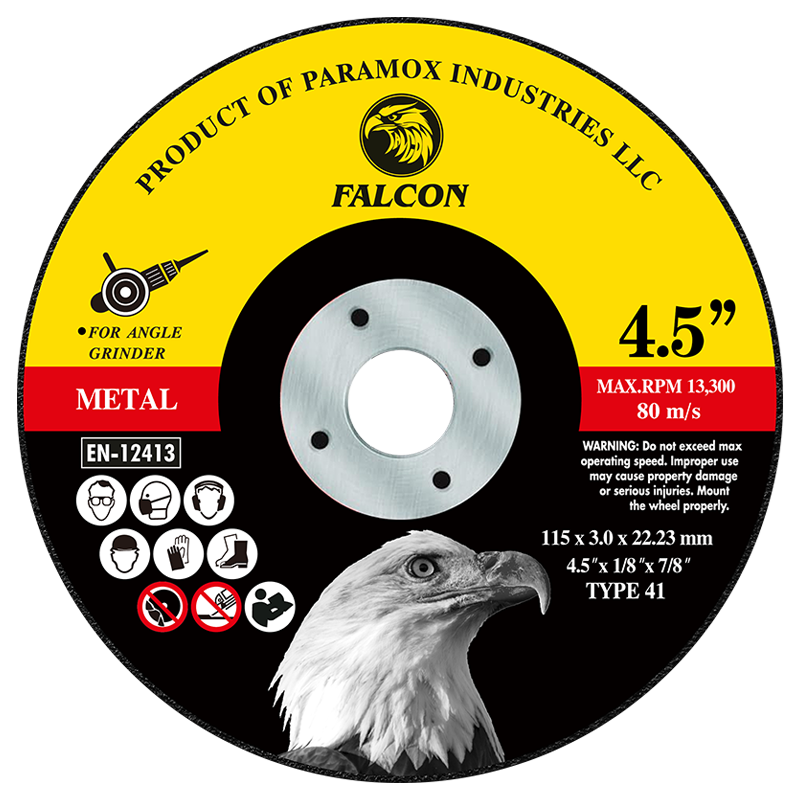
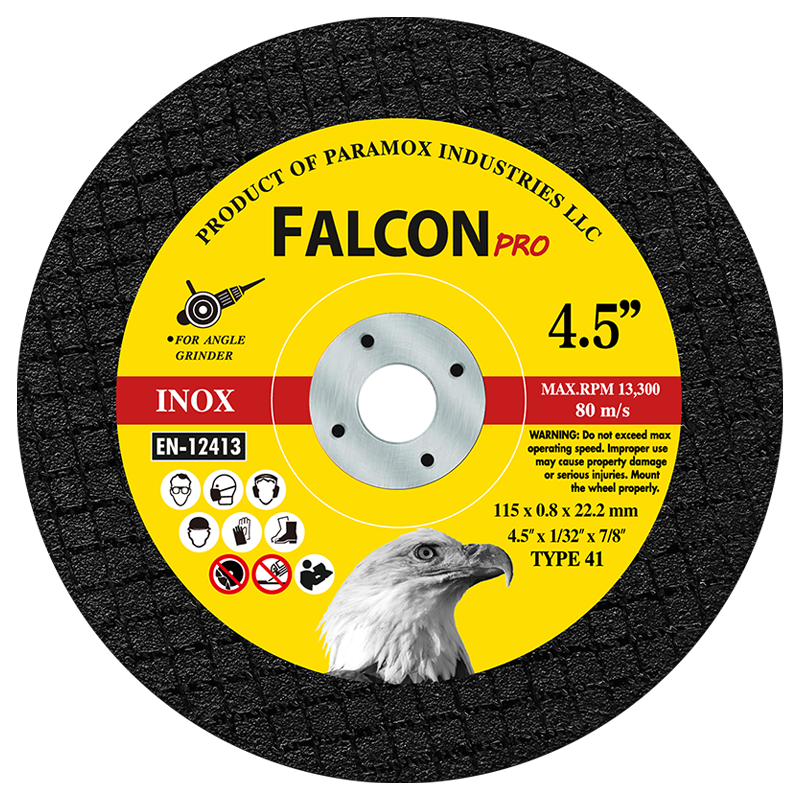
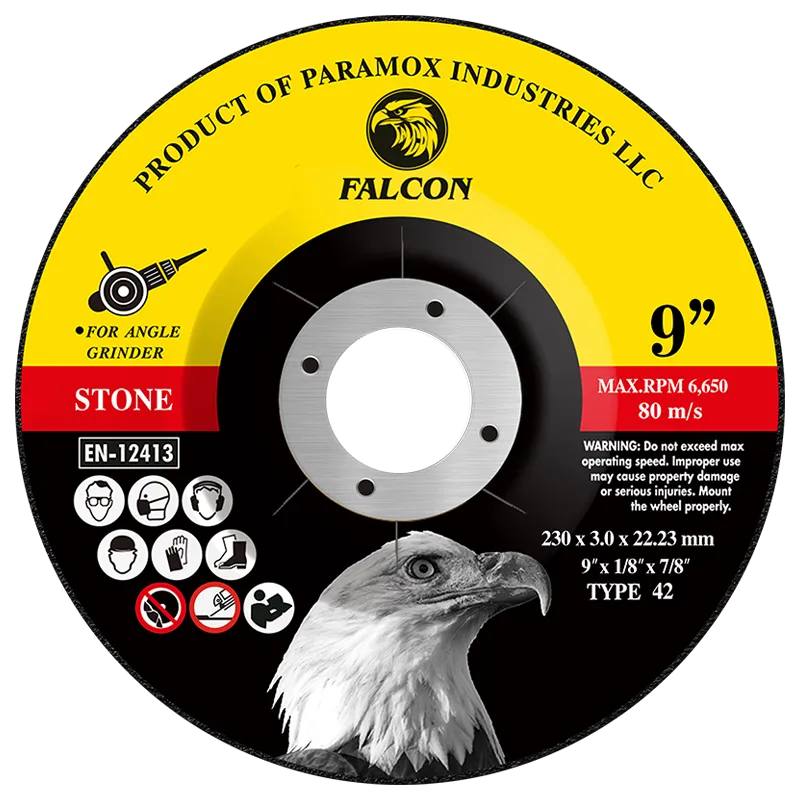
Next, consider the disc size. Common sizes range from 4.5 inches to 9 inches, with larger discs offering faster cutting rates but potentially less maneuverability. The choice of disc also varies; for instance, metal cutting discs differ from grinding or polishing discs in terms of material composition and thickness. It's essential to choose a disc designed specifically for metal to ensure optimal performance and safety. Additionally, selecting the right Safety Gloves can further enhance your safety while working with angle grinders.

Weight and ergonomics matter as well. A heavier grinder might offer stability during cutting but can also lead to fatigue over extended use. Look for models with comfortable grips and features like anti-vibration technology to enhance usability.

Lastly, check for safety features such as a guard, which protects the user from sparks and debris, and a trigger lock that prevents accidental starts.

Frequently Asked Questions

What materials can this angle grinder cut safely?

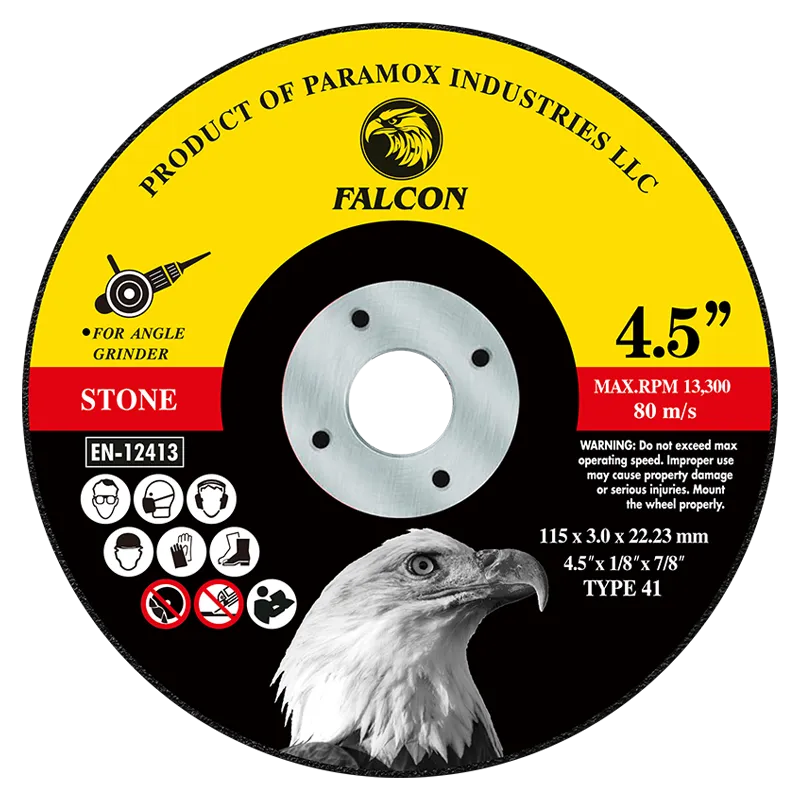
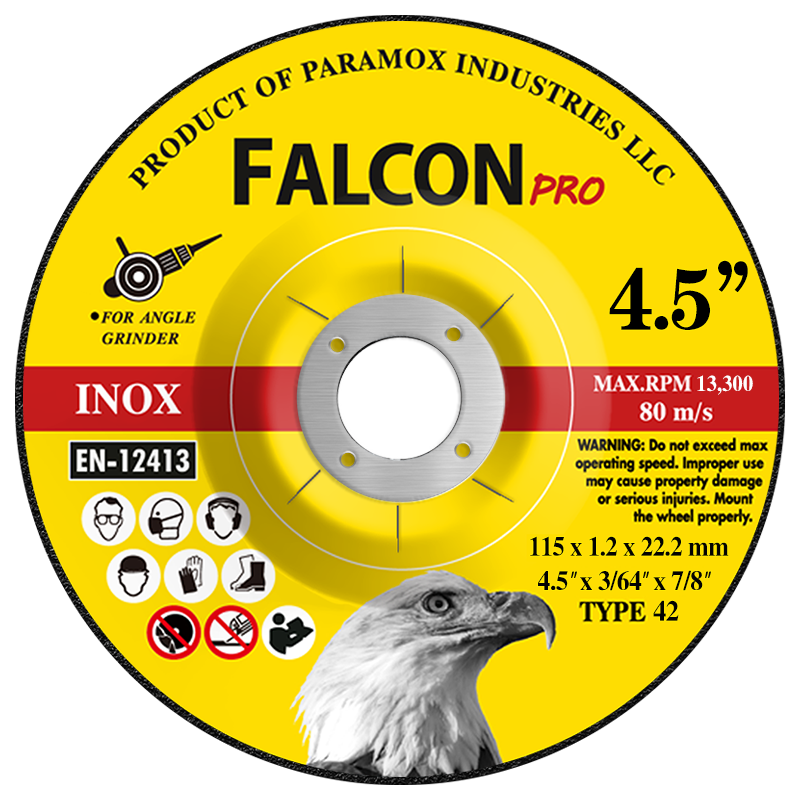
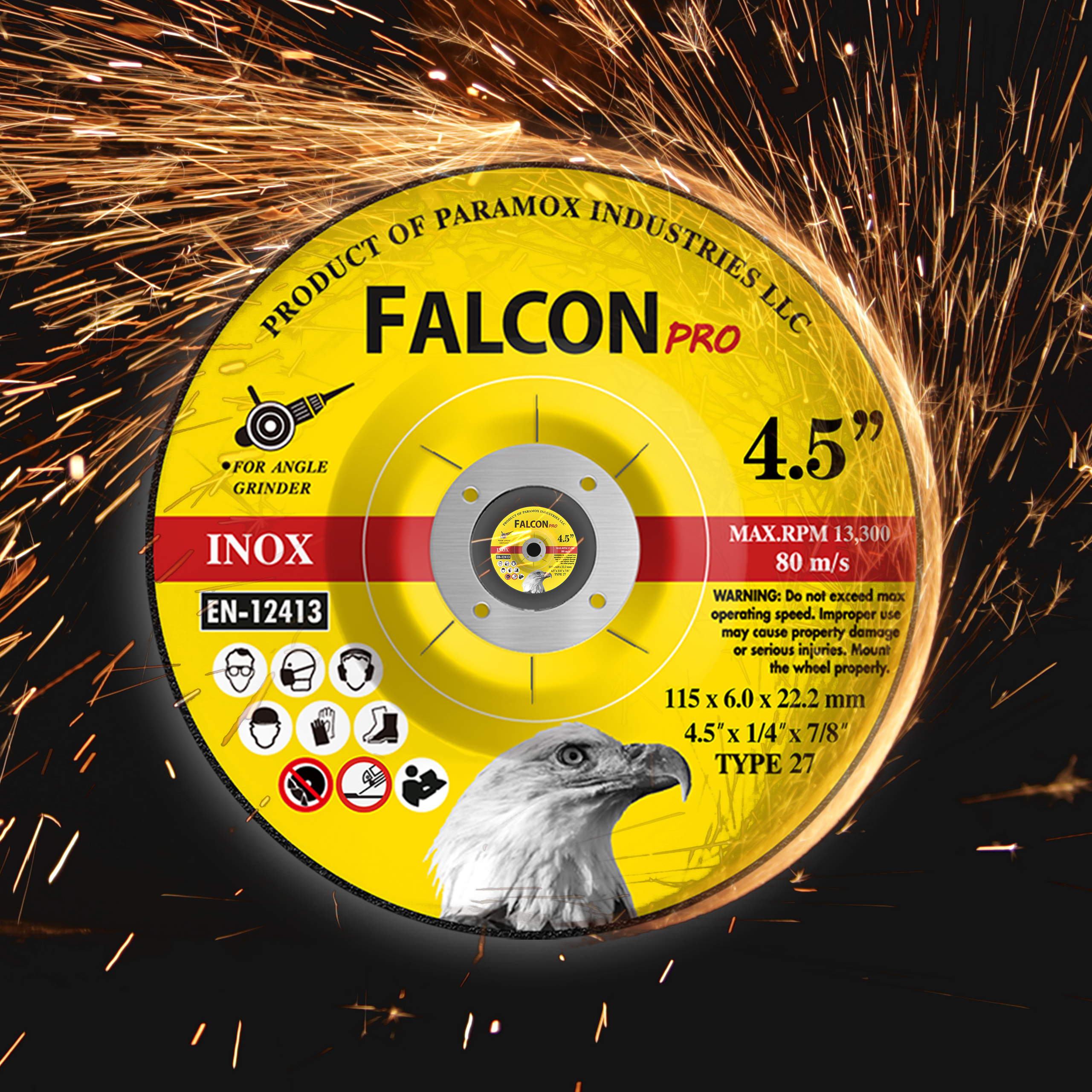
Our angle grinder cutting discs are designed for metals including mild steel, stainless steel, and alloy plates. Choose the correct disc type and specifications for the metal thickness and hardness.
Select disc diameter and max rpm that match your grinder’s specifications. Use discs rated equal to or above your grinder’s rpm to ensure safe, efficient cutting.
Wear SAFETY-rated goggles or face shield, cut-resistant gloves, ear protection, and protective footwear and clothing to prevent sparks, debris, and heat exposure.
Inspect discs before use for cracks or wear. Store flat, dry, and away from temperature extremes. Replace discs showing damage or reduced cutting speed.
Secure workpiece, avoid binding, maintain correct guard position, use two-handed control, and follow cooling and spark-management procedures to prevent accidents.

Our Blog Posts

A Complete Guide to Choosing the Right Flap Disc for Metal Fabrication

04

Apr

A Complete Guide to Choosing the Right Flap Disc for Metal Fabrication

Quality tools are essential for efficient metalworking, and flap discs are among the most versatile abrasives for grinding, blending, deburring, and surface finishing. Available in different materials, grit sizes, and shapes, the right flap disc can ...
View More
What types of cut-off wheels are there?

15

May

What types of cut-off wheels are there?

Cut-off wheels are really important tools in lots work, specially metalworking stuff. Falcon Global have different kinds of cut-off wheels which helps people cut many materials easy. These wheels get attached to machines like angle grinders and they ...
View More
Notes on using cut-off wheels

17

Sep

Notes on using cut-off wheels

Cut-off wheels are indispensable tools across numerous industries. They are engineered to slice hard materials including metal, concrete, and stone. At Falcon Global, we fully understand how critical it is to select high-quality cut-off wheels for yo...
View More
How to Install a Cut Off Wheel on an Angle Grinder

12

Sep

How to Install a Cut Off Wheel on an Angle Grinder

Installing a cut-off wheel on an angle grinder may seem intimidating for beginners, but the process is simple with standard operating steps. At Falcon Global, we prioritize standardized installation practices to ensure safe operation and optimal cutt...
View More

Get a Free Quote

Our representative will contact you soon.
Email
Mobile/WhatsApp
Name
Company Name
Country
Customer Type
Estimated Order Quantity
MOQ and Free Sample Policy
Message
0/1000

Related product categories

Comparing Angle Grinder Specifications for Optimal Metal Cutting

Comparing Angle Grinder Specifications for Optimal Metal Cutting

When comparing angle grinders, key specifications can significantly impact your metal cutting efficacy.

Power: Grinders typically range from 500W to 2400W. Higher wattage means more power, allowing for quicker and easier cuts through thicker materials.

RPM (Revolutions Per Minute): This indicates how fast the grinder can spin the disc. For metal cutting, a higher RPM usually leads to smoother cuts. Look for grinders with RPM ratings between 5,000 and 12,000 for metal applications.

Disc Size: As mentioned earlier, the size affects cutting depth and speed. Larger discs can cut deeper but may be more cumbersome for intricate work.

Spindle Size: A standard spindle size (like 5/8 inch) ensures compatibility with a broad range of discs, enabling flexibility in your operations.

Weight: Lightweight models are easier to handle but may compromise power; heavier models provide stability but can lead to fatigue.

Understanding these specifications helps buyers select a grinder that not only meets their current needs but also anticipates future requirements. It's also worthwhile to consider additional safety equipment, such as Safety Glasses, to protect your eyes during operation.

Common Problems with Angle Grinders and Effective Solutions

Common Problems with Angle Grinders and Effective Solutions

Angle grinders, while highly effective, can present common challenges. Here are a few issues and their solutions:

Overheating: This is often caused by prolonged use or applying too much pressure. Ensure you allow the grinder to cool down periodically and avoid forcing it through materials.

Disc Wear and Tear: Discs can wear out quickly if not suited for the material being cut. Always match the disc type to the metal being worked on, and regularly check for signs of wear.

Vibration: Excessive vibration can lead to discomfort and reduced control. Opt for models with vibration-reduction features, or consider using anti-vibration gloves.

Accidental Start-Up: This poses significant safety risks. Choose grinders with a safety switch or trigger lock to prevent accidental activation.

By being aware of these issues, you can take proactive measures to ensure a smoother operation and enhance the lifespan of your equipment.

Applications of Angle Grinders in Various Metalworking Industries

Applications of Angle Grinders in Various Metalworking Industries

Angle grinders find applications across a broad spectrum of industries, including:

Construction: Used for cutting rebar, metal studs, and scaffolding materials.Manufacturing: Essential for fabricating metal parts, finishing surfaces, and deburring sharp edges.Automotive: Mechanics utilize grinders for cutting exhaust pipes, body panels, and other metal components.Metal Fabrication: In workshops, angle grinders are crucial for cutting and shaping metal sheets and rods.

Understanding the specific applications in your industry can help you select the most suitable angle grinder, ensuring it meets your operational demands effectively.

Choosing the Right Angle Grinder for Your Specific Metal Materials

When selecting an angle grinder, it’s vital to consider the specific metal materials you will be working with. Different metals—such as aluminum, steel, or stainless steel—require different approaches:

Aluminum: Use a grinder with a softer disc to prevent clogging and ensure a clean cut. Aluminum can heat up quickly, so a grinder with adjustable speed settings is beneficial.

Steel: Standard metal cutting discs work well, but for thicker steel, consider a heavy-duty grinder with higher power and RPM specifications.

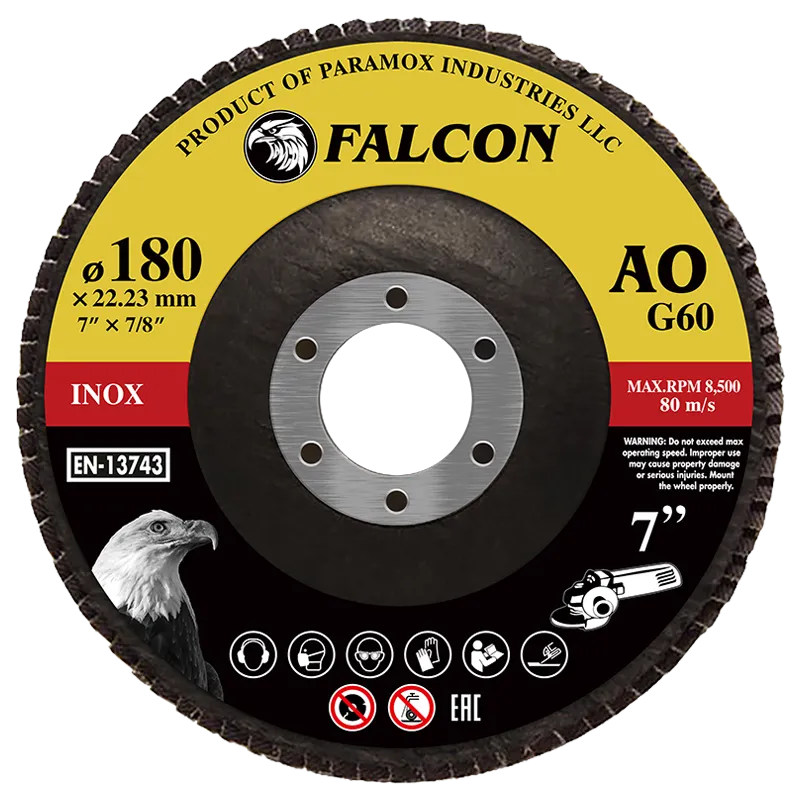
Stainless Steel: A specialized disc designed for stainless steel will provide the best results. These discs are typically coated to minimize burnishing and ensure a clean cut.

In addition, confirm your grinder's compatibility with various disc types and sizes to maximize versatility for different projects. By aligning your grinder choice with your specific metal materials, you can achieve optimal cutting performance and maintain safety standards. Investing in Protective Workwear can also enhance safety during your metalworking tasks.

By addressing these critical factors, you can make an informed decision when purchasing an angle grinder, ensuring you select a tool that enhances productivity, safety, and precision in your metalworking operations.

Get a Free Quote

Our representative will contact you soon.
Email
Mobile/WhatsApp
Name
Company Name
Country
Customer Type
Estimated Order Quantity
MOQ and Free Sample Policy
Message
0/1000