Grinding Discs for Aluminum: Essential Guide

Get a Free Quote

Our representative will contact you soon.
Email
Mobile/WhatsApp
Name
Company Name
Country
Customer Type
Estimated Order Quantity
MOQ and Free Sample Policy
Message
0/1000

grinding disc for aluminum

Grinding discs for aluminum are essential tools in various industrial applications, enabling efficient cutting, grinding, and finishing of aluminum materials. Buyers, such as purchasing managers and engineers, often seek high-performance options that meet specific requirements for durability, precision, and safety. This article will guide you through selecting the right grinding disc for aluminum, covering supplier reliability, key specifications, cost considerations, common challenges, and installation tips.

Our Products

Where to Find Reliable Suppliers for Grinding Discs

Finding a reliable supplier for grinding discs for aluminum is critical to ensuring quality and performance. Start by researching manufacturers with a proven track record in producing abrasive tools. Look for companies that specialize in industrial applications and offer a variety of products tailored for specific materials like aluminum. For instance, you might want to consider Grinding Discs for Metal as they can also cater to various needs.

Attend industry trade shows and expos where manufacturers showcase their latest products. Networking with industry professionals can also yield recommendations for reputable suppliers. Additionally, consider online platforms that connect buyers with suppliers, but ensure to verify the supplier’s credentials, customer reviews, and quality certifications before making a purchase.

Frequently Asked Questions

What is this grinding disc designed for?

Designed specifically for grinding and finishing aluminum and non-ferrous metals with high cut rate and reduced loading.
Manufactured with premium non-woven or ceramic-enhanced abrasive grains optimized for clean aluminum removal and long life.
Available in various diameters and thicknesses for angle grinders and bench grinders; contact sales for exact options and compatibility.
Yes. Engineered to minimize glazing and clogging when used with proper speed, coolant, and PPE to ensure safe, efficient grinding.
Wear eye protection, gloves, respiratory protection, and protective footwear and clothing. Follow grinder manufacturer guidelines and company safety protocols.

Our Blog Posts

A Complete Guide to Choosing the Right Flap Disc for Metal Fabrication

04

Apr

A Complete Guide to Choosing the Right Flap Disc for Metal Fabrication

Quality tools are essential for efficient metalworking, and flap discs are among the most versatile abrasives for grinding, blending, deburring, and surface finishing. Available in different materials, grit sizes, and shapes, the right flap disc can ...
View More
Notes on using cut-off wheels

17

Sep

Notes on using cut-off wheels

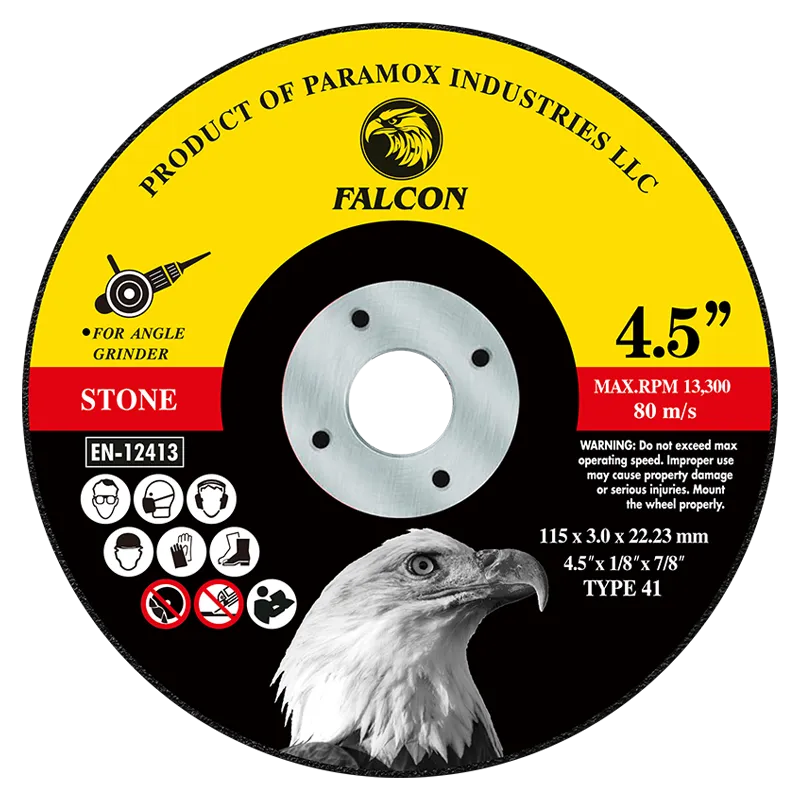
Cut-off wheels are indispensable tools across numerous industries. They are engineered to slice hard materials including metal, concrete, and stone. At Falcon Global, we fully understand how critical it is to select high-quality cut-off wheels for yo...
View More
Can You Use a Cut Off Wheel on Aluminum?

08

Oct

Can You Use a Cut Off Wheel on Aluminum?

When processing metals, selecting suitable power-tool accessories is essential, and the cut-off wheel is one of the most widely-used options. These abrasive discs work across multiple materials, yet many users question whether they deliver safe, high...
View More
What Is a Type 2 Hard Hat & Why It Matters

15

Jul

What Is a Type 2 Hard Hat & Why It Matters

A Type 2 hard hat is a special helmet that keep workers safe in jobs like construction and manufacturing. At Falcon Global, we know safety gear is really important to protect people at work. These Type 2 hard hats is made to handle impacts from falli...
View More

Get a Free Quote

Our representative will contact you soon.
Email
Mobile/WhatsApp
Name
Company Name
Country
Customer Type
Estimated Order Quantity
MOQ and Free Sample Policy
Message
0/1000

Related product categories

Specifications to Consider for Aluminum Grinding Discs

Specifications to Consider for Aluminum Grinding Discs

When selecting grinding discs for aluminum, several specifications are crucial to ensure optimal performance:

Material: Choose discs made from aluminum oxide or zirconia, as these materials are well-suited for grinding aluminum. They provide the necessary hardness and durability.

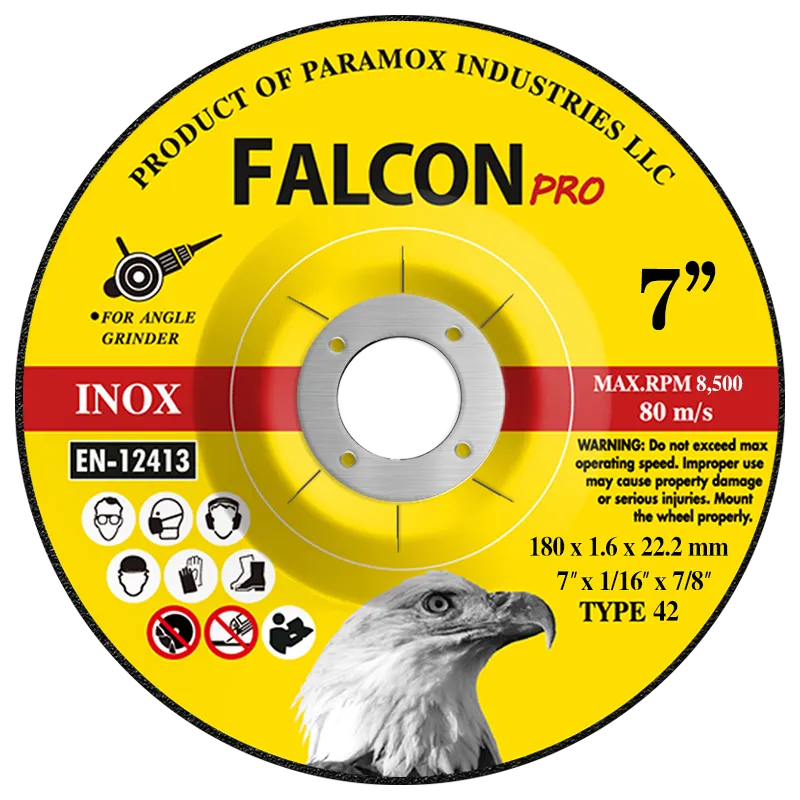
Thickness: Thinner discs (usually around 1/8 inch) are better for precision work and less material removal. However, thicker discs may be necessary for heavy-duty applications.

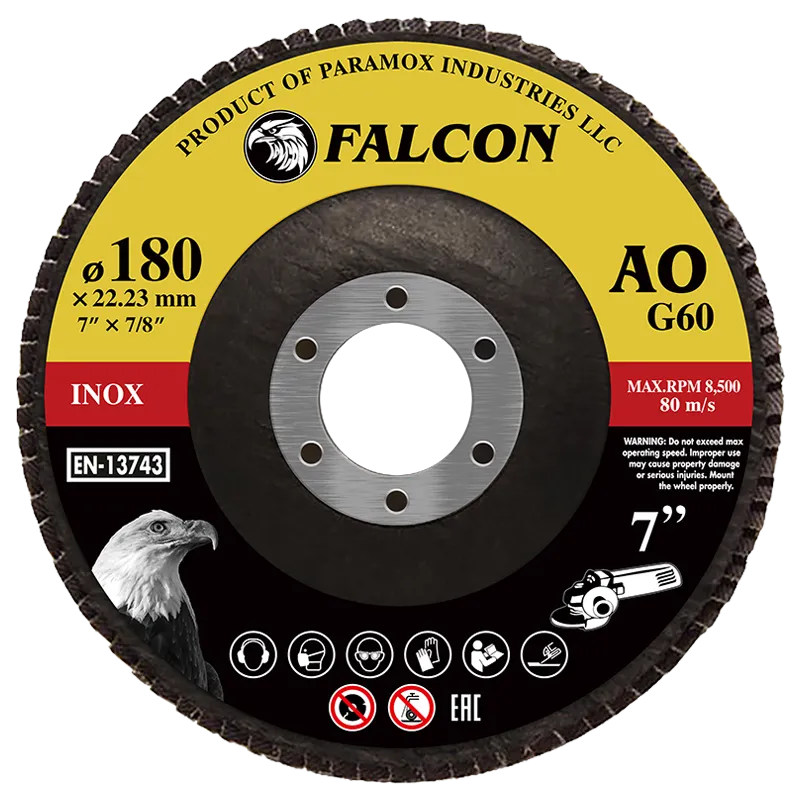
Diameter: The diameter of the disc should match the specifications of the grinding tool being used. Common sizes include 4.5 inches, 7 inches, and 9 inches.

Bond Type: The bond type (resin or metal) affects the disc's performance. Resin bonds are typically preferred for aluminum as they offer better flexibility and reduce the risk of clogging.

Grit Size: Depending on the finishing requirements, you may choose finer grits for smoother finishes and coarser grits for faster material removal. Grit sizes typically range from 36 to 120, with finer grits for finishing applications. Understanding these specifications will help you select the right grinding disc for your needs, ensuring efficiency and quality in your operations.

Understanding the Cost Factors of Grinding Discs for Aluminum

Understanding the Cost Factors of Grinding Discs for Aluminum

Several factors influence the pricing of grinding discs for aluminum. First, the material quality significantly affects cost; higher-grade materials may come at a premium but offer better performance and longevity. Additionally, you can explore options like Grinding Disc for Inox/stainless steel, which may provide more versatility.

Production methods also play a role in pricing. Discs manufactured using advanced technology, such as precision cutting and quality control processes, may be more expensive but provide consistent quality.

Additionally, consider the volume of your order. Many suppliers offer lower prices for bulk purchases, which can be beneficial for companies with ongoing needs. Don’t forget to factor in shipping costs and potential import duties if sourcing from overseas suppliers.

Finally, always request samples before making large orders to ensure the product meets your performance expectations. This step can prevent costly mistakes and ensure that you are investing in the right product.

Common Problems When Grinding Aluminum and Their Solutions

Common Problems When Grinding Aluminum and Their Solutions

Grinding aluminum can present specific challenges. Here are some common problems and their solutions:

Loading: Aluminum can clog grinding discs, leading to reduced efficiency. To combat this, use discs designed with a specific bond type that minimizes loading, and ensure that the correct grit size is selected for the application.

Heat Build-Up: Excessive heat can warp aluminum and decrease the life of the grinding disc. Use a cooler grinding technique, applying lighter pressure, and consider using a disc with a high cooling capacity.

Surface Finish Issues: Inconsistent finishes can occur due to improper technique or incorrect disc selection. Ensure that the disc matches the intended application and that operators are trained in proper grinding techniques.

Safety Hazards: Ensure that all personnel wear appropriate protective gear, including safety glasses and gloves. Additionally, confirm that the grinding tool is compatible with the selected disc to avoid accidents.

Addressing these common problems proactively can enhance productivity and ensure a safer working environment.

Installation Tips for Aluminum Grinding Discs on Various Tools

Installing grinding discs properly is vital for performance and safety. Here are some tips for installation on various tools:

Angle Grinders: Ensure the grinder is unplugged before installation. Remove the existing disc, clean the mounting area, and ensure that the new disc is compatible with the grinder's specifications. Tighten the disc securely, ensuring it is properly aligned.

Bench Grinders: For bench grinders, ensure that the tool is off and unplugged. Remove the existing wheel and check the spindle for any damage. Install the new grinding disc, aligning it correctly, and securely fasten it according to the manufacturer’s instructions.

Safety Checks: After installation, perform a test run at a low speed to ensure there are no vibrations or unusual sounds. If any issues arise, shut down the tool immediately and re-check the installation.

Maintenance: Regularly inspect the grinding discs for wear and replace them as necessary. Keeping a log of usage can help track when to replace discs and ensure optimal performance. Following these installation tips ensures the safe and efficient use of grinding discs for aluminum, leading to better results and increased operator safety.

Get a Free Quote

Our representative will contact you soon.
Email
Mobile/WhatsApp
Name
Company Name
Country
Customer Type
Estimated Order Quantity
MOQ and Free Sample Policy
Message
0/1000