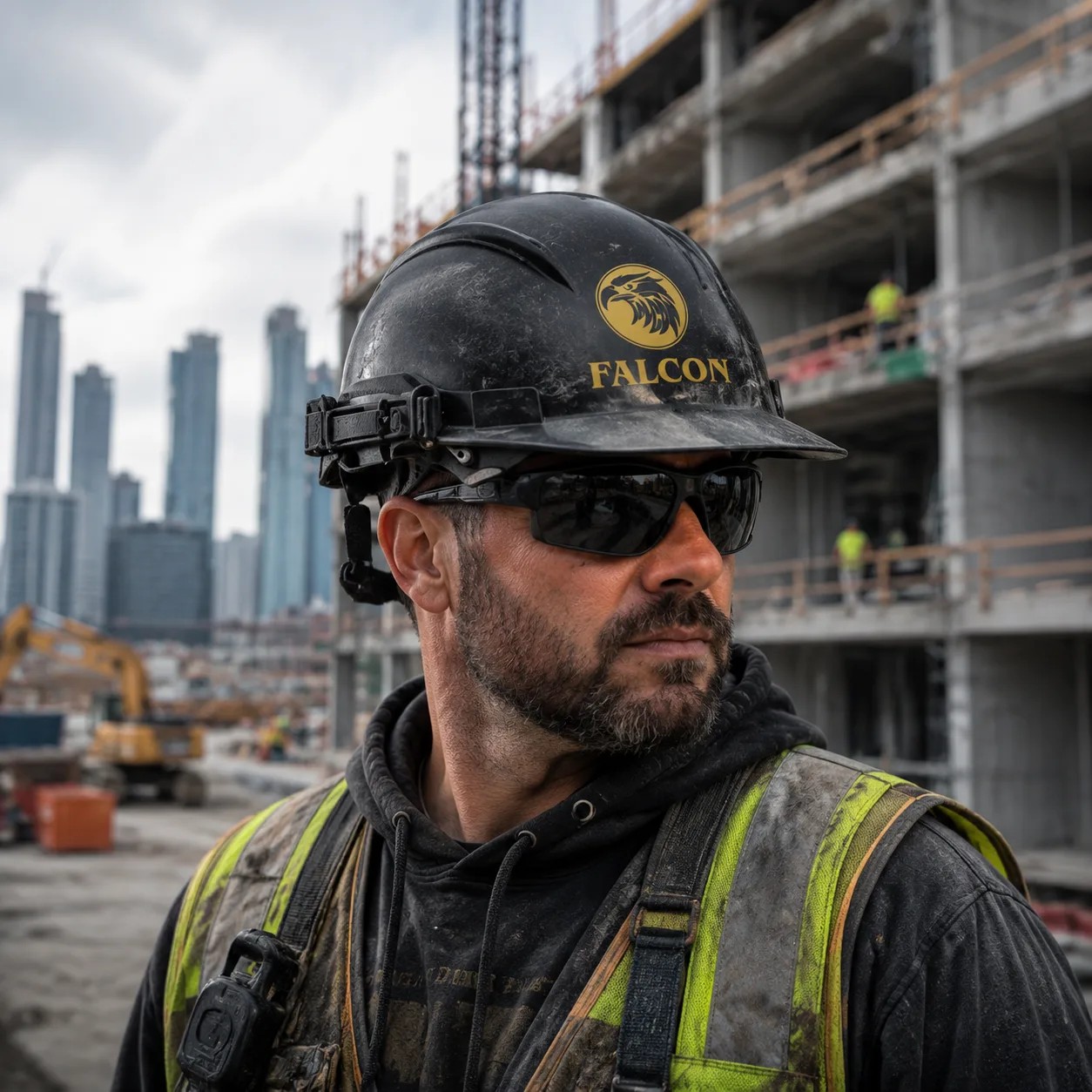
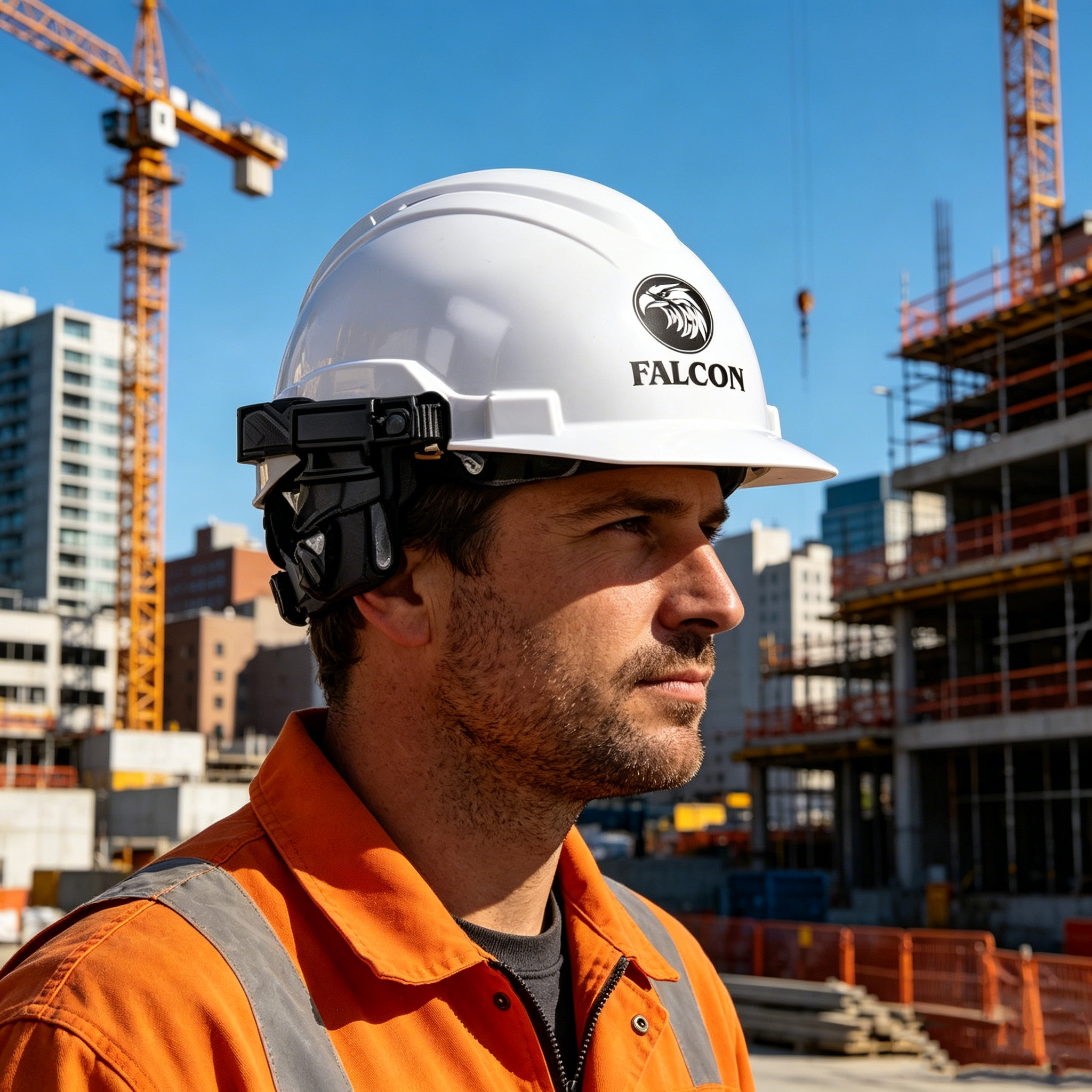
Choosing Good Hard Hats for Workplace Safety

Get a Free Quote

Our representative will contact you soon.
Email
Mobile/WhatsApp
Name
Company Name
Country
Customer Type
Estimated Order Quantity
MOQ and Free Sample Policy
Message
0/1000

Good hard hats

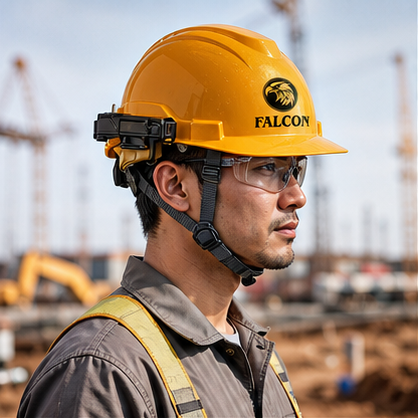
Choosing the right hard hats is crucial for ensuring worker safety in various industrial environments. Good hard hats protect against head injuries caused by falling objects, impacts, or electric shock. As a B2B buyer, understanding the specifications, applications, and sourcing options for hard personalised hard hats is essential to make informed purchasing decisions. This article will guide you through the key considerations when selecting hard hats, sourcing suppliers, and addressing common issues that may arise. 

Our Products

Choosing the Right Hard Hats for Optimal Workplace Safety

Selecting the appropriate hard hat involves understanding the specific safety standards and material requirements relevant to your industry. Hard hats are typically classified into two types: Type I and Type II. Type I hard hats are designed to provide protection from vertical impacts, while Type II offers protection from both vertical and lateral impacts. 

When evaluating hard hats, consider the following specifications: 

Material: Most hard hats are made from high-density polyethylene (HDPE), polycarbonate, or fiberglass. The choice of material affects durability, weight, and resistance to environmental factors. For instance, polycarbonate is lighter and offers better impact resistance, making it suitable for high-risk environments. 

Size and Fit: A proper fit is vital for effective protection. Hard custom construction hats should have adjustable suspension systems to ensure they fit securely on the head. A loose hard hat can shift during work, exposing the wearer to hazards. 

Additional Features: Look for hard hats with features such as moisture-wicking sweatbands, ventilation, and compatibility with ear protection or face shields. These features enhance comfort and usability during extended wear. 

Certification: Ensure that the hard hats meet relevant safety standards, such as ANSI/ISEA Z89.1 in the United States. This certification indicates that the hard hats have undergone rigorous testing for performance and safety. 

Understanding these specifications will help you select hard hats that not only comply with legal requirements but also meet the specific needs of your projects. 

Frequently Asked Questions

What materials are the good hard hats made from?

Our hard hats use advanced high-density polyethylene (HDPE) or fiberglass composites, engineered for impact resistance and long service life in industrial environments.
Yes. Good hard hats are manufactured to comply with common industrial safety standards for impact and penetration resistance; specific certification labels are applied per regional requirements.
They feature adjustable suspension systems and accessory slots to fit various head sizes and integrate with visor, earmuff, and communication PPE components.
Clean with mild soap and water; avoid solvents or high heat. Inspect regularly for cracks, dents or UV degradation and replace immediately if damaged.
Yes. We support bulk procurement and can provide color, logo printing, and accessory configuration to meet industrial fleet and safety program needs.

Our Blog Posts

Flap Disc Grit Chart for Rust and Paint Removal

28

Apr

Flap Disc Grit Chart for Rust and Paint Removal

Rust, paint, and surface imperfections are common challenges in metalworking, repair, and maintenance projects. Removing these contaminants effectively requires more than just a powerful grinder — choosing the right abrasive tool and grit size ...
View More
Type 1 vs Type 27 Cut Off Wheel: Full Comparison

09

Oct

Type 1 vs Type 27 Cut Off Wheel: Full Comparison

A Abrasive wheels are essential tools in metal fabrication, construction, welding, maintenance and general industrial work. When selecting an abrasive wheel, users often focus on diameter, thickness, abrasive material and RPM. However, the wheel type...
View More
What Are Grinding Wheels Made Of?

13

Aug

What Are Grinding Wheels Made Of?

Grinding wheels are special tools using in many industry. They help grind, cut and polish various material. But what they made of?  Usually grinding wheels comes from mix of things. The main part is abrasive, which can be diamond, aluminum oxide...
View More
How to Remove a Stuck Grinding Wheel

12

Jun

How to Remove a Stuck Grinding Wheel

Sometimes when you working with machines, the grinding wheel just refuse to move. It can be really annoying, specially if you in hurry to finish job. If this ever happen to you, no need worry too much! With little patience and correct way, you can re...
View More

Get a Free Quote

Our representative will contact you soon.
Email
Mobile/WhatsApp
Name
Company Name
Country
Customer Type
Estimated Order Quantity
MOQ and Free Sample Policy
Message
0/1000

Related product categories

Sourcing Reliable Suppliers for Your Needs

Sourcing Reliable Suppliers for Your Needs

Finding reliable suppliers for good hard hats is essential for maintaining safety standards and ensuring timely delivery. Here are some factors to consider when sourcing suppliers: 

Reputation and Experience: Research suppliers with a solid track record in the industry. Look for companies that specialize in safety equipment and have experience in your specific application area. 

Manufacturing Capabilities: Evaluate suppliers based on their manufacturing processes and capabilities. Those with advanced production equipment can better ensure quality and consistency. Understanding their production capacity can also help you anticipate lead times. 

Customization Options: Depending on your project needs, you may require customized hard new hard hats. Discuss the possibility of customization with potential suppliers,  including color, logo placement, and additional features. 

Quality Control: Inquire about the supplier's quality control processes. A reliable supplier should have a rigorous inspection system to ensure that products meet the required specifications before shipping. 

Certifications: Confirm that the supplier’s hard hats are certified according to industry standards. This certification is crucial for ensuring that the products are safe and reliable for use. 

By focusing on these aspects, you can establish a network of trustworthy suppliers who can provide good hard hats tailored to your specific needs. 

Which Offers the Best Protection?

Which Offers the Best Protection?

Before placing an order for hard hats, buyers should be aware of several key factors that can influence their purchasing decisions: 

Minimum Order Quantity (MOQ): Different manufacturers have varying MOQs. Understanding these requirements upfront can help you plan your procurement accordingly. 

Pricing Factors: Prices can vary based on material, design, and additional features. Be sure to obtain detailed quotations that break down costs to understand the price structure thoroughly. 

Lead Time: When placing an order, consider the lead time for production and shipping. Ensure that the supplier can meet your deadlines, especially for large projects. 

Sample Approval: Before committing to mass production, request samples to evaluate material quality, comfort, and fit. Testing samples under actual work conditions can reveal potential issues that may not be evident in a standard review. 

Shipping and Packaging: Discuss packaging options with your supplier, especially if you have specific requirements for transportation. Proper packaging can prevent damage during transit. 

Being informed about these aspects will empower you to make better purchasing decisions and ensure that the hard hats you procure are suitable for your projects. 

Ensuring Proper Fit and Function

Ensuring Proper Fit and Function

Even with careful selection, buyers may encounter common issues with hard hats. Here are some typical problems and practical solutions: 

Fit Issues: A hard hat that does not fit properly can compromise safety. To address this, ensure that the supplier provides detailed sizing guides and adjustable suspension systems. Conduct fit tests with employees to confirm comfort and security. 

Material Degradation: Hard hats can degrade over time, especially when exposed to harsh conditions. Regularly inspect your hard hats for signs of wear and tear.  Establish a replacement schedule based on usage and environmental factors. 

Compatibility with Accessories: Some hard hats may not be compatible with additional safety accessories such as face shields or ear muffs. Confirm compatibility before purchasing to avoid safety gaps. 

Discomfort During Use: Prolonged use of hard hats can lead to discomfort. Opt for hard hats with ventilation features and moisture-wicking materials to enhance comfort during extended wear. 

Color Fading: Exposure to sunlight can cause color fading, impacting visibility. Choose hard hats with UV-resistant coatings to maintain visibility and aesthetics. 

By proactively addressing these common issues, you can enhance the effectiveness of the hard hats you provide to your workforce. 

How to Assess Hard Hats for Durability

Hard hats are essential in numerous industries, each with unique requirements and applications. Here are some common sectors where good hard hats play a critical role: 

Construction: This industry is one of the largest users of hard hats due to the high risk of head injuries from falling objects. Hard hats used in construction must meet stringent safety standards and often feature additional protection against electrical hazards. 

Manufacturing: In manufacturing environments, hard hats protect workers from overhead hazards such as machinery and materials. Specific features like ventilation and comfort are important, especially in high-heat environments. 

Mining: Hard hats used in mining applications often require additional features such as built-in communication systems and enhanced impact resistance. These hard hats must withstand extreme conditions while providing necessary protection. 

Oil and Gas: In the oil and gas sector, hard hats must be resistant to chemicals and provide protection against electrical hazards. They are often equipped with additional features to meet the unique challenges of this environment. 

Utilities: Workers in utility sectors often face electrical hazards. Hard hats in this industry must comply with specific electrical safety standards and may incorporate dielectric materials. 

Understanding the applications of hard hats across various industries will help you select products that meet the specific safety needs of your workforce. By focusing on the relevant standards and features, you can ensure that the hard hats you choose provide the necessary protection in your operational context. 

Get a Free Quote

Our representative will contact you soon.
Email
Mobile/WhatsApp
Name
Company Name
Country
Customer Type
Estimated Order Quantity
MOQ and Free Sample Policy
Message
0/1000