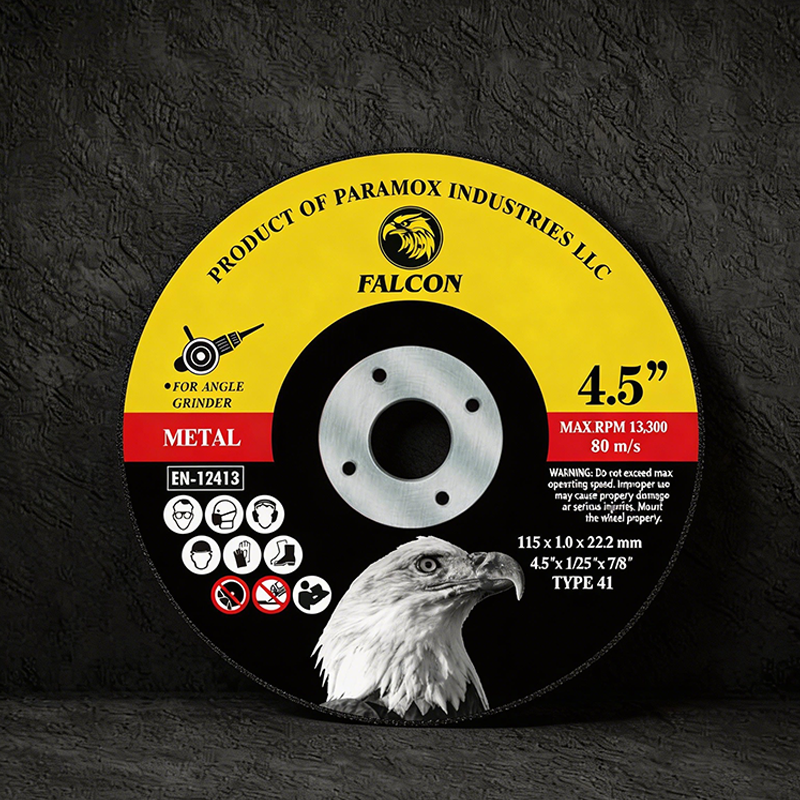
Choosing the Right Die Grinder Cutting Wheel

Get a Free Quote

Our representative will contact you soon.
Email
Mobile/WhatsApp
Name
Company Name
Country
Customer Type
Estimated Order Quantity
MOQ and Free Sample Policy
Message
0/1000

die grinder cutting wheel

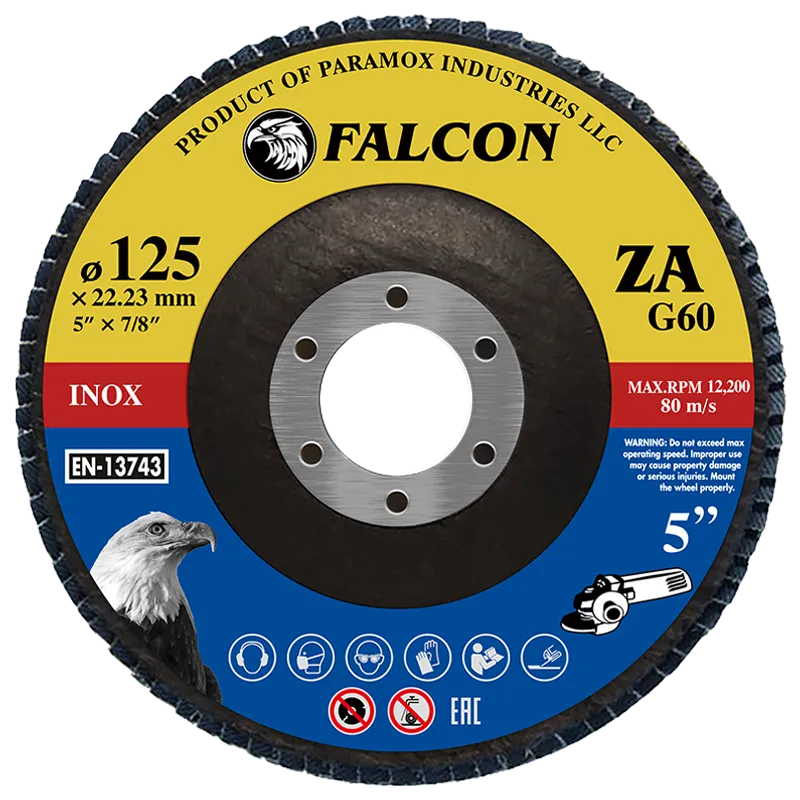
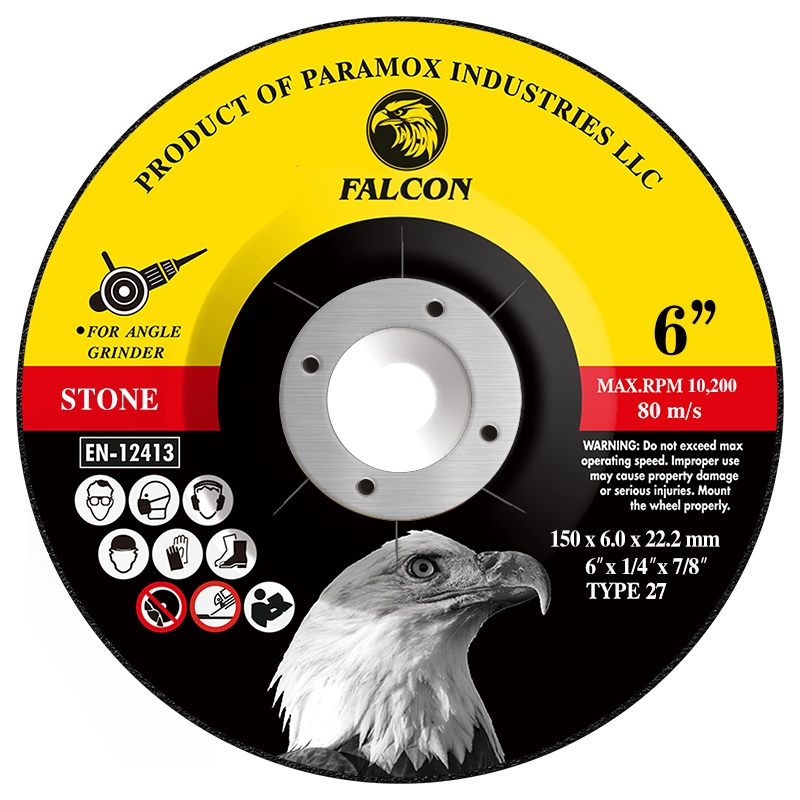
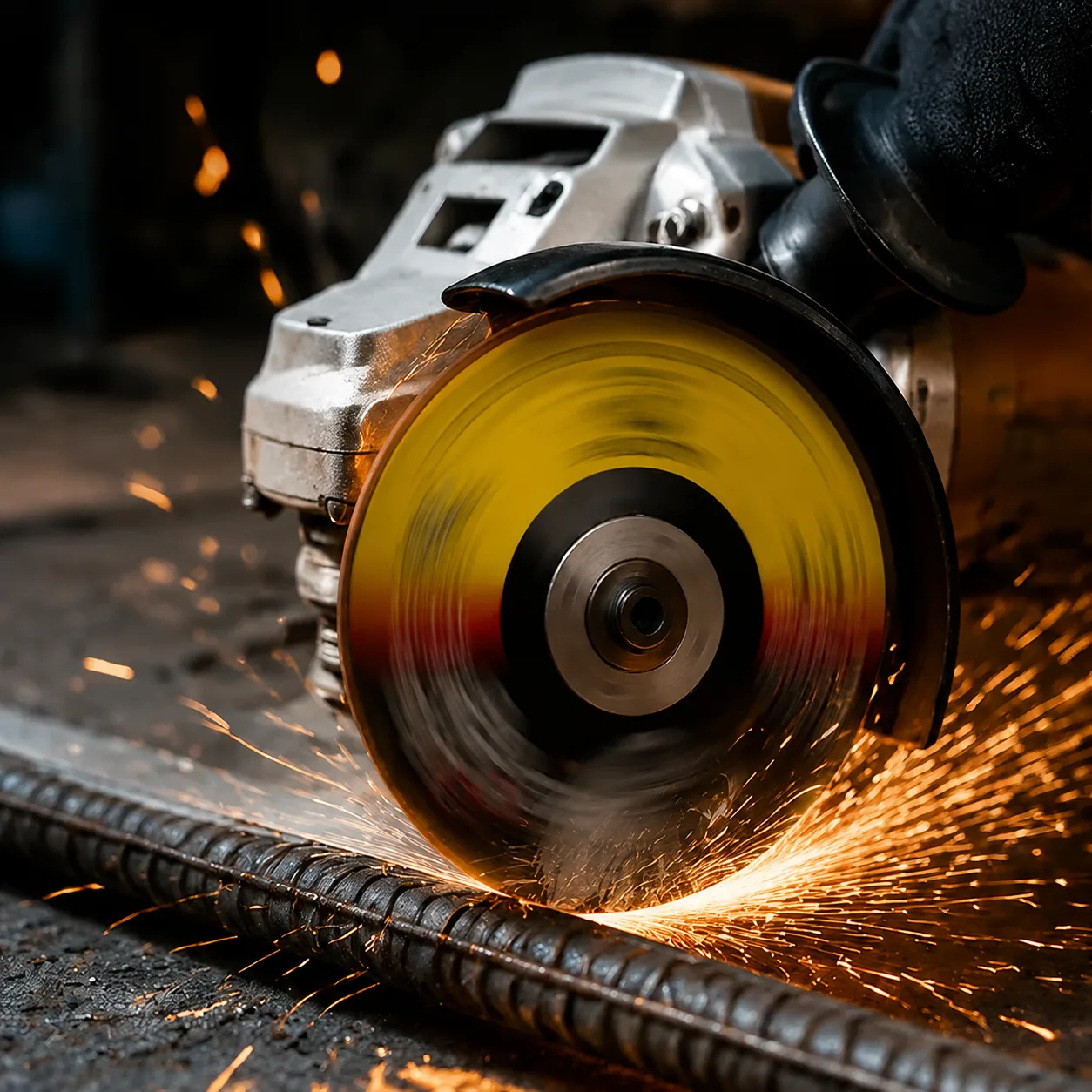
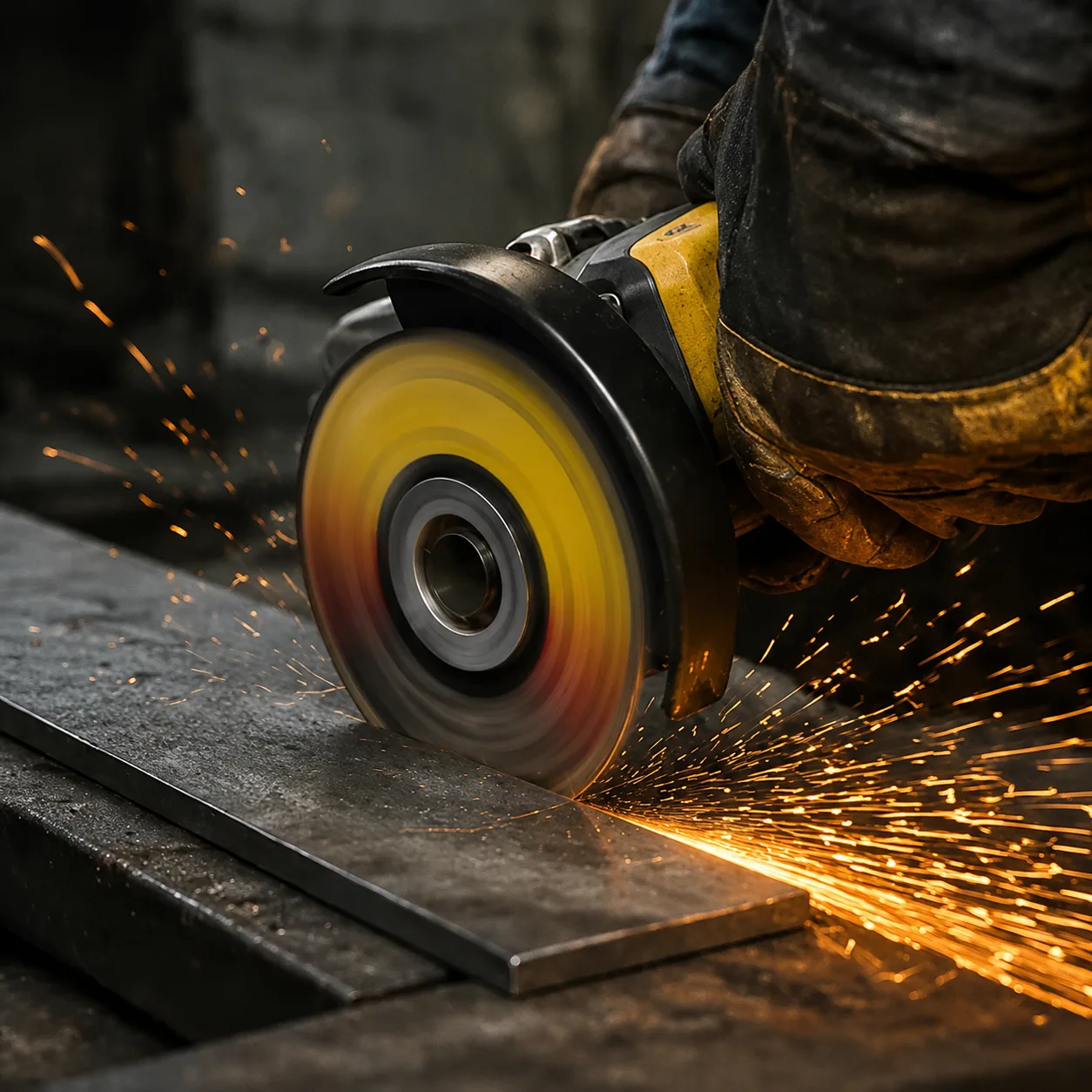
Die grinder cutting wheels are essential tools for various industrial applications, providing precision and efficiency in cutting, shaping, and finishing materials. B2B buyers, including purchasing managers and engineers, often face challenges in selecting the right cutting wheels due to the wide variety of options available. This article aims to clarify how to choose the most suitable die grinder cutting wheel for different needs, provide insights into specifications for wholesale buyers, highlight key features to compare, discuss cost factors when purchasing in bulk, and address common problems and their solutions.

How to Choose the Right Die Grinder Cutting Wheel for Your Needs

Selecting the appropriate die grinder cutting wheel begins with understanding the specific application requirements. Consider the material you will be cutting—common materials include metal, plastic, and composite materials. Each material may require a different wheel composition for optimal performance.

Next, evaluate the wheel diameter and thickness. Thicker wheels tend to offer greater stability and durability but may limit precision, while thinner wheels allow for finer cuts but may wear out more quickly. Additionally, the cutting speed is crucial; ensure that the wheel's RPM rating is compatible with your die grinder to prevent accidents and ensure efficient operation.

Finally, consider the bonding agent and abrasive material. Different grinding wheels utilize various materials such as aluminum oxide, silicon carbide, or diamond, each offering unique advantages in terms of longevity and cutting efficiency. Identifying the right combination for your application can significantly enhance performance.

Frequently Asked Questions

What materials can the die grinder cutting wheel cut?

Our die grinder cutting wheel handles steel, stainless steel, aluminum, brass, and most non-ferrous metals when matched to the correct wheel specification and RPM.
Use the wheel at or below the marked maximum RPM. Consult the product label and your grinder's rated speed to ensure safe operation.
Ensure the grinder is off, use the correct collet or adapter, center the wheel, tighten securely, and inspect for damage before use.
Wear safety goggles, face shield, cut-resistant gloves, ear protection, and protective footwear and clothing suitable for grinding tasks.
Store flat in a dry, temperature-stable area, avoid impacts, inspect before use, and discard wheels with cracks, chips, or other damage.

Our Blog Posts

What types of flap discs are there?

14

Mar

What types of flap discs are there?

Flap discs are one of the most versatile abrasive tools used for grinding, blending, and finishing different materials. Commonly installed on angle grinders, flap discs are made with overlapping abrasive flaps attached to a backing plate. This unique...
View More
Notes on using a flap disc

25

Jun

Notes on using a flap disc

Flap discs are indeed helpful in metal finishing work. They are constructed using numerous layers of sandpaper fastened together, but in a fan shape. These discs are made to grind, polish and smooth metallic surfaces to make them shiny. These are use...
View More
What Is a Zirconia Flap Disc Used For?

08

May

What Is a Zirconia Flap Disc Used For?

Zirconia flap discs are special tools using for grinding and polishing many kind of materials. They very popular in industries like metalworking and also woodworking. These discs got layers from zirconia abrasive that help to make surface smooth and ...
View More
How to Dress a Grinding Wheel for Best Performance

19

Aug

How to Dress a Grinding Wheel for Best Performance

Dressing a grinding wheel is important task that make it work better and last longer time. When you dress the wheel, you make surface smooth and clean from stuff. This help the wheel cut metal or other material more good. It like sharpen knife you wa...
View More

Get a Free Quote

Our representative will contact you soon.
Email
Mobile/WhatsApp
Name
Company Name
Country
Customer Type
Estimated Order Quantity
MOQ and Free Sample Policy
Message
0/1000

Related product categories

Evaluating Die Grinder Cutting Wheel Specifications for Wholesale Buyers

Evaluating Die Grinder Cutting Wheel Specifications for Wholesale Buyers

When purchasing die grinder cutting wheels in bulk, understanding specifications is critical. Key specifications to evaluate include:

Abrasive Material: The choice of abrasive material affects cutting efficiency and wheel lifespan. For example, diamond wheels are excellent for hard materials but may be overkill for softer substrates.

Wheel Diameter and Thickness: Ensure the diameter fits your die grinder's capabilities, and consider thickness based on the precision required for your tasks.

Grit Size: The grit size determines the wheel's cutting aggressiveness. A lower grit number is more aggressive, while a higher number provides a finer finish.

Bond Type: The bond material holds the abrasive particles together. Different applications may benefit from different bond types, such as resin, vitrified, or rubber bonds.

RPM Rating: Always check the maximum RPM rating of the wheel to ensure compatibility with your equipment to prevent potential safety hazards.

Certifications: Look for wheels that meet safety standards, such as those from the ANSI or ISO, to ensure quality and safety during use.

By confirming these specifications against your operational needs, you can ensure that you choose the right product for your application.

Key Features to Compare When Sourcing Die Grinder Cutting Wheels

Key Features to Compare When Sourcing Die Grinder Cutting Wheels

When evaluating die grinder cutting wheels, focus on the following features:

Durability: Assess the expected lifespan of the wheel based on its construction and material. Higher durability often translates to lower overall costs.

Cutting Speed: Different wheels exhibit varying cutting speeds based on design and material. A faster cutting speed can improve productivity but may compromise precision.

Vibration Levels: Some wheels are designed to minimize vibrations, which can enhance user comfort and improve cutting accuracy.

Heat Resistance: Look for wheels that can withstand high temperatures generated during cutting, as excessive heat can lead to premature wear or failure.

Versatility: Consider wheels designed for multi-purpose applications, which can reduce the need for multiple wheel types and streamline your inventory. For a wider range of options, check our Other Products section.

By comparing these features, you can choose wheels that not only meet your immediate needs but also support long-term operational efficiency.

Cost Factors to Consider When Purchasing Die Grinder Cutting Wheels in Bulk

Cost Factors to Consider When Purchasing Die Grinder Cutting Wheels in Bulk

Several cost factors come into play when buying die grinder cutting wheels in bulk:

Material Costs: The type of abrasive material used directly affects the wheel's cost. Higher-quality materials may have a higher upfront cost but can offer better performance and longevity.

Order Quantity: Bulk purchases often come with discounts. Understanding minimum order quantities (MOQ) can help you negotiate better pricing.

Shipping and Handling: Consider the costs associated with shipping, especially for heavy or bulky orders. Planning logistics can help minimize these expenses.

Lead Time: Evaluate supplier lead times, as longer lead times may necessitate higher inventory levels, impacting overall costs.

Quality Assurance: Investing in higher-quality wheels may reduce the need for replacements and downtime, offering a better value in the long run.

By factoring in these elements, wholesale buyers can make informed decisions that balance upfront costs with long-term value.

Common Problems with Die Grinder Cutting Wheels and Their Solutions

While die grinder cutting wheels are robust tools, several common problems can arise:

Excessive Wear: This often results from using the wrong abrasive material for the job. Always ensure that the selected wheel is suitable for the material being cut.

Chipping or Cracking: This can occur if the wheel is subjected to excessive pressure or if it is not properly mounted. Regularly inspect wheels for damage and adhere to the manufacturer's recommended pressure limits.

Poor Cutting Performance: If a wheel is not cutting efficiently, check for compatibility issues with the die grinder's RPM. Additionally, ensure the wheel is not worn beyond its effective lifespan.

Vibration During Use: Vibration can result from misalignment or an unbalanced wheel. Ensure proper installation and consider using vibration-dampening mounts when necessary.

Overheating: This can lead to wheel degradation and material damage. Using the right wheel for the application and maintaining appropriate feed rates can help mitigate this issue.

Addressing these problems proactively can enhance both the performance of your die grinder cutting wheels and the overall efficiency of your operations.

By understanding the nuances of die grinder cutting wheels, B2B buyers can make more informed purchasing decisions, ensuring they select the right products for their specific industrial applications.

Get a Free Quote

Our representative will contact you soon.
Email
Mobile/WhatsApp
Name
Company Name
Country
Customer Type
Estimated Order Quantity
MOQ and Free Sample Policy
Message
0/1000