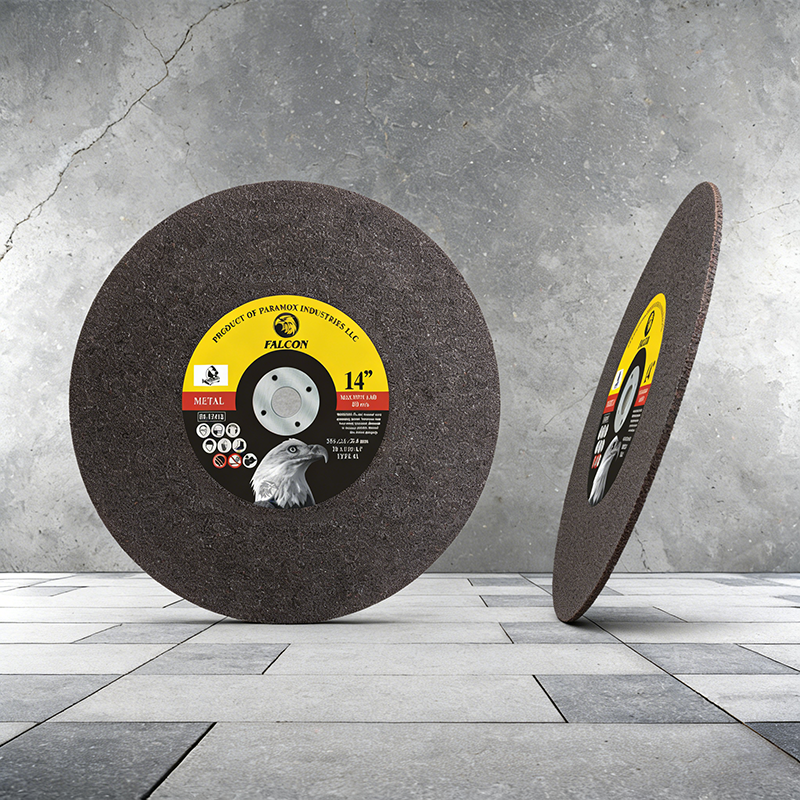
Choosing the Right Abrasive Cut Off Wheel

Get a Free Quote

Our representative will contact you soon.
Email
Mobile/WhatsApp
Name
Company Name
Country
Customer Type
Estimated Order Quantity
MOQ and Free Sample Policy
Message
0/1000

abrasive cut off wheel

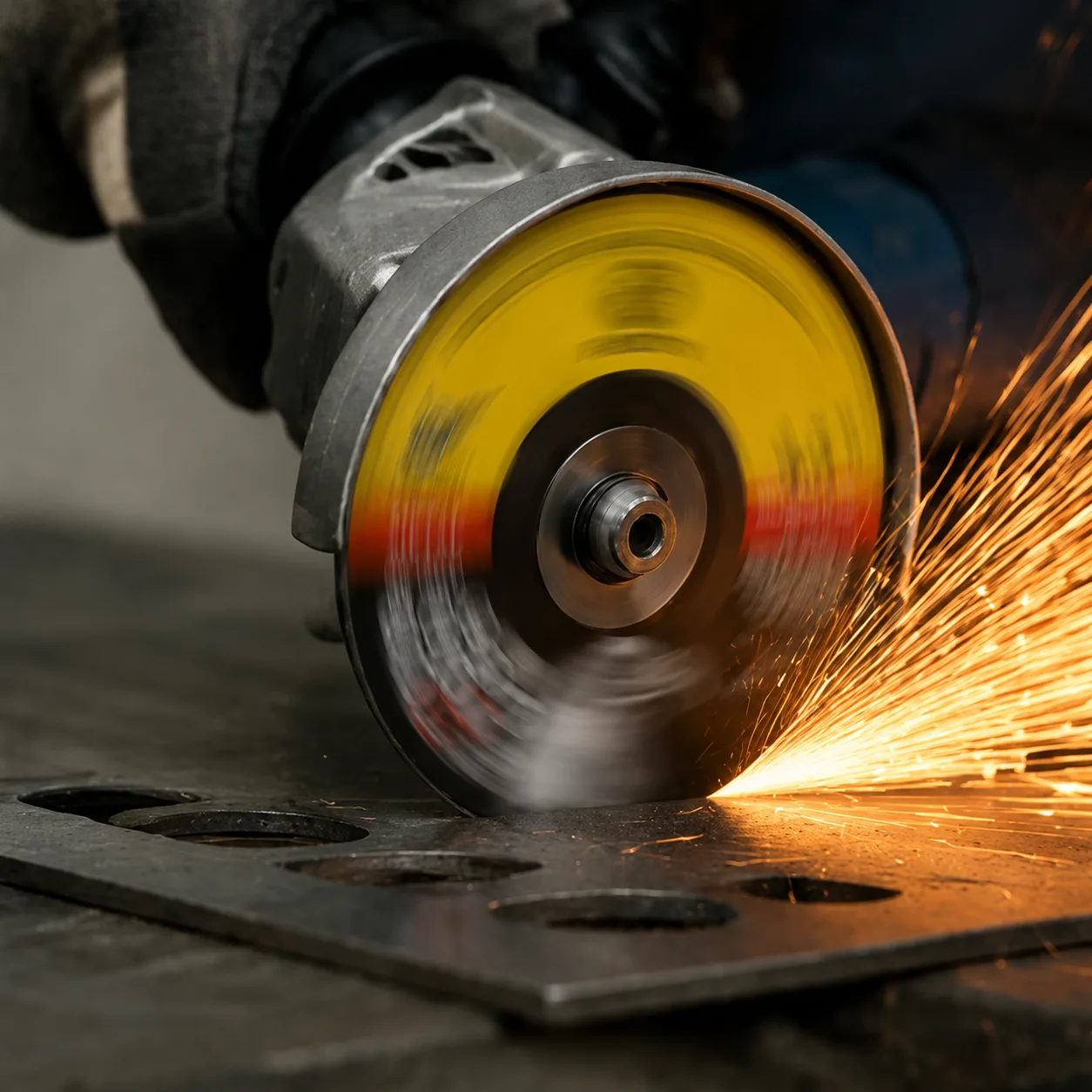
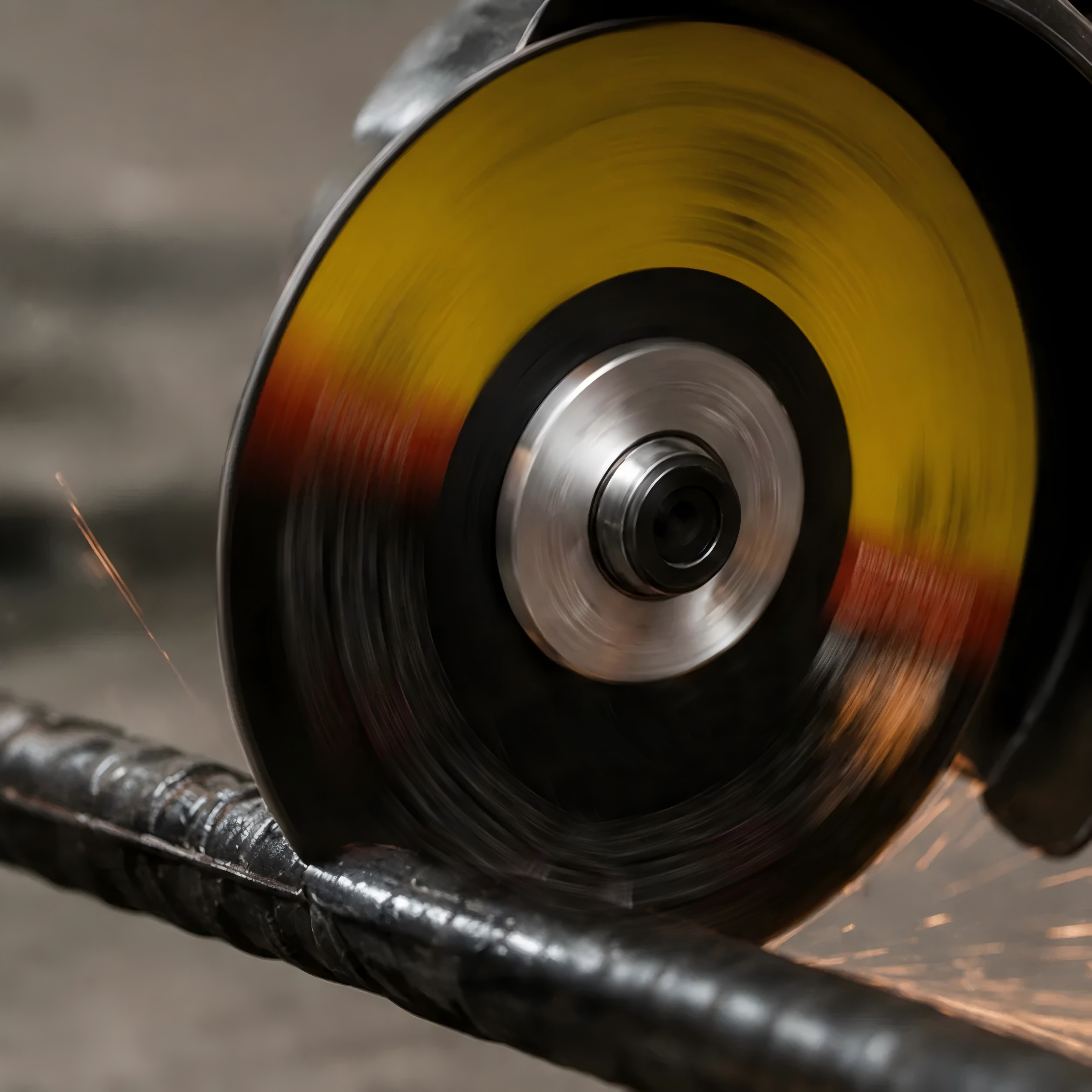
Abrasive cut off wheels are essential tools used in various industrial applications for cutting metal, masonry, and other hard materials. Understanding how to select the right abrasive cut off wheel can significantly affect your project's efficiency and outcome. B2B buyers often express concerns regarding compatibility, performance, quality, and cost. This article aims to provide you with practical insights on choosing, sourcing, and evaluating abrasive cut off wheels, ensuring that you make informed purchasing decisions.
How to Choose the Right Abrasive Cut Off Wheel for Your Project

Selecting the correct abrasive cut off wheel involves several key considerations. First, identify the material you will be cutting. Different materials, such as steel, aluminum, or concrete, require specific wheel compositions to achieve optimal results. For instance, bonded wheels with aluminum oxide are suitable for cutting steel, while diamond blades are recommended for concrete and masonry.

Next, consider the wheel's diameter and thickness. These dimensions impact the cutting speed and depth of cut. Thicker wheels tend to last longer but may generate more heat, which can affect the material being cut. Conversely, thinner wheels provide faster cuts but may wear out more quickly.

Also, evaluate the wheel's RPM rating, ensuring it matches the specifications of your cutting tool. Using a wheel rated for a higher RPM than your tool can result in dangerous situations, including wheel breakage. Always consult your equipment manual for compatibility.

Lastly, consider the intended application. If your project requires precision cutting, look for wheels designed for fine work, which typically have a finer grit. If you need to remove a large volume of material quickly, opt for a coarser wheel. Additionally, selecting appropriate Safety Gloves can enhance your overall safety during the cutting process.

Frequently Asked Questions

What is an abrasive cut off wheel used for?

Abrasive cut off wheels are for precision cutting of metals, pipes, bolts and similar materials in fabrication, construction and repair tasks, providing fast clean cuts with minimal burring.
We offer multiple diameters and thicknesses to suit angle grinders and chop saws; options range from thin discs for fine cuts to thicker wheels for heavy-duty applications.
They are designed for cutting steel, stainless steel, cast iron, aluminum and other common metals. Select the correct wheel type and grit for optimal performance and safety.
Inspect for cracks, use correct flanges, tighten per tool specs, wear protective gear, and avoid side pressure. Ensure rpm rating matches tool and follow all safety protocols.
Our wheels use advanced bonding and premium abrasives with strict quality control for consistent performance, durability and compliance with industrial safety standards.

Our Blog Posts

What types of flap discs are there?

14

Mar

What types of flap discs are there?

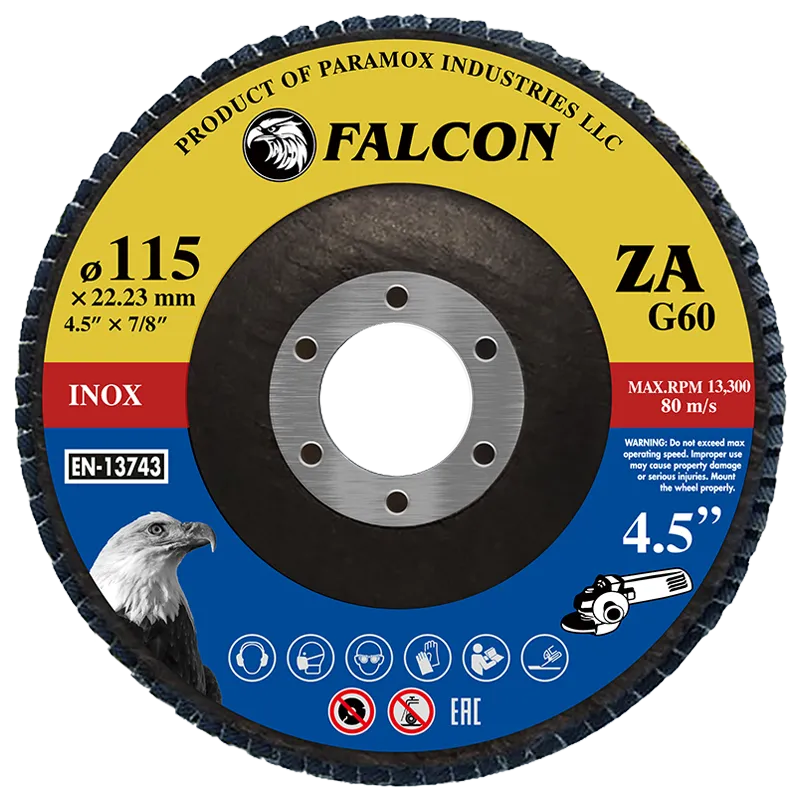
Flap discs are one of the most versatile abrasive tools used for grinding, blending, and finishing different materials. Commonly installed on angle grinders, flap discs are made with overlapping abrasive flaps attached to a backing plate. This unique...
View More
How to Extend the Lifespan of Your Flap Discs

16

Apr

How to Extend the Lifespan of Your Flap Discs

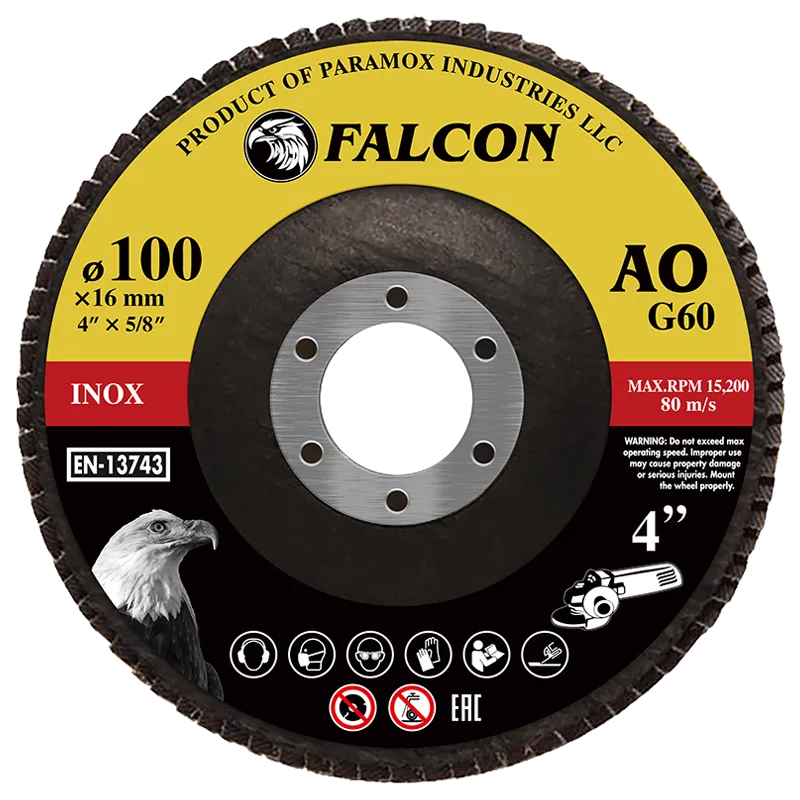
Flap discs are essential abrasive tools widely used for grinding, blending, polishing, and surface preparation in metalworking applications. Whether used for weld finishing, rust removal, or general surface treatment, a high-quality flap disc can sig...
View More
Common Uses of Fiber Discs in Metalworking

01

Aug

Common Uses of Fiber Discs in Metalworking

Fiber discs are really important tools in metalworking. They are round shape discs made from strong stuff and covered with abrasive grains. These discs get used on grinders or sanders machines to smooth, shape, and polish metal surfaces. Peoples who ...
View More
What types of hard hats are there?

23

May

What types of hard hats are there?

Hard hats are very important safety thing in many work places, like construction areas, factories and warehouses. They protect workers head from injuries by falling objects, bumps or even electric shocks. There is different types of hard hats made fo...
View More

Get a Free Quote

Our representative will contact you soon.
Email
Mobile/WhatsApp
Name
Company Name
Country
Customer Type
Estimated Order Quantity
MOQ and Free Sample Policy
Message
0/1000

Related product categories

Where to Find Reliable Suppliers for Abrasive Cut Off Wheels

Where to Find Reliable Suppliers for Abrasive Cut Off Wheels

Finding a reliable supplier for abrasive cut off wheels is crucial for ensuring consistent quality and timely delivery. Start by researching manufacturers with a strong reputation in the industry, like FALCON GLOBAL / TOOLS SAFETY, known for high-performance abrasive tools.

Check supplier certifications and compliance with industry standards, as this reflects their commitment to quality assurance. Look for suppliers that provide detailed product specifications and have a transparent manufacturing process. This information can help you assess their capability to meet your specific needs.

Additionally, consider suppliers that offer customization options. If your project requires specific dimensions or materials, a manufacturer with a flexible production capability can accommodate these requirements. Lastly, reviews and testimonials from other industrial buyers can provide insights into the supplier's reliability and customer service.

Evaluating Abrasive Cut Off Wheels for Performance

Evaluating Abrasive Cut Off Wheels for Performance

When evaluating abrasive cut off wheels, performance metrics are critical. Start by examining the wheel's material composition. High-quality materials enhance cutting efficiency and lifespan. For instance, wheels made from premium-grade aluminum oxide or diamond particles tend to outperform standard options.

Next, look at the wheel's bonding agent, which affects durability and cutting speed. Resin-bonded wheels typically provide a balance between performance and cost, while metal-bonded wheels are more robust for heavy-duty applications.

Another essential factor is the grit size. Coarse grits (14-24) are suitable for aggressive cuts, while finer grits (60-120) are ideal for smoother finishes. The choice of grit size should align with the desired finish and the material being cut.

Finally, ensure you conduct performance tests under actual working conditions. This step is vital to confirm that the wheel meets your expectations regarding speed, longevity, and cut quality.

Cost Factors in Bulk Ordering Abrasive Cut Off Wheels for Your Business

Cost Factors in Bulk Ordering Abrasive Cut Off Wheels for Your Business

When ordering abrasive cut off wheels in bulk, several cost factors must be considered to optimize your purchasing strategy. First, assess the pricing structure, as bulk orders often come with discounts. However, ensure that the quality does not compromise due to lower costs.

Shipping and handling costs can significantly affect the overall expenditure. Compare suppliers to find a balance between product cost and shipping fees. Additionally, discuss packaging options with the supplier, as bulk packaging can reduce costs and improve storage efficiency.

Another vital consideration is the minimum order quantity (MOQ). Some suppliers may have MOQs that affect your cash flow and storage capacity. Ensure that the quantity aligns with your usage rates to avoid excess inventory.

Finally, consider the long-term value of the wheels. Investing in higher-quality wheels may lead to lower replacement rates and improved efficiency, ultimately saving costs over time. Evaluate the total cost of ownership rather than just the initial purchase price.

Common Problems with Abrasive Cut Off Wheels and Their Solutions

Abrasive cut off wheels can encounter various issues that may affect their performance. One common problem is wheel breakage, often caused by excessive pressure or using the wrong RPM. To mitigate this, always adhere to the manufacturer's specifications and ensure proper handling during operation.

Another issue is premature wear, which can occur due to incorrect material selection or use in unsuitable applications. Regularly reassess the wheel's suitability for the intended material and cutting conditions. If excessive wear is noted, consider switching to a different composition or grit size.

Heat generation is another frequent concern, especially during prolonged cutting tasks. Excessive heat can lead to material distortion or wheel degradation. To address this, use a coolant or cutting fluid to dissipate heat and prolong the wheel's life.

Lastly, alignment and installation issues can cause uneven wear and poor cutting performance. Ensure that the wheel is correctly mounted and aligned on the cutting tool. Regular maintenance and checks can help identify and resolve these issues before they lead to significant downtime or material waste. Furthermore, wearing appropriate Protective Workwear can help safeguard against potential hazards during these tasks.

By understanding these factors, B2B buyers can enhance their purchasing strategies, ensure compatibility, and optimize the use of abrasive cut off wheels in their operations.

Get a Free Quote

Our representative will contact you soon.
Email
Mobile/WhatsApp
Name
Company Name
Country
Customer Type
Estimated Order Quantity
MOQ and Free Sample Policy
Message
0/1000