EN

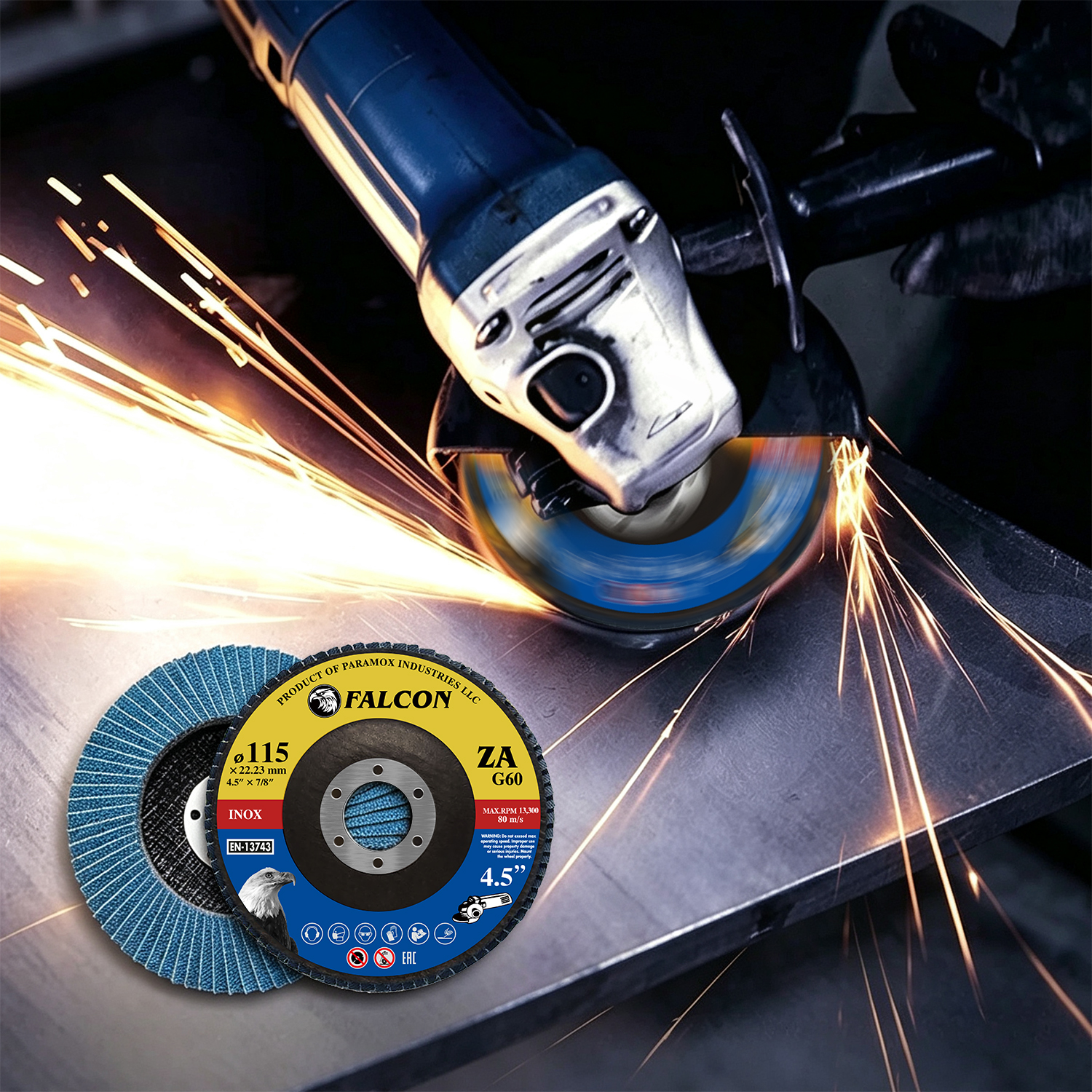
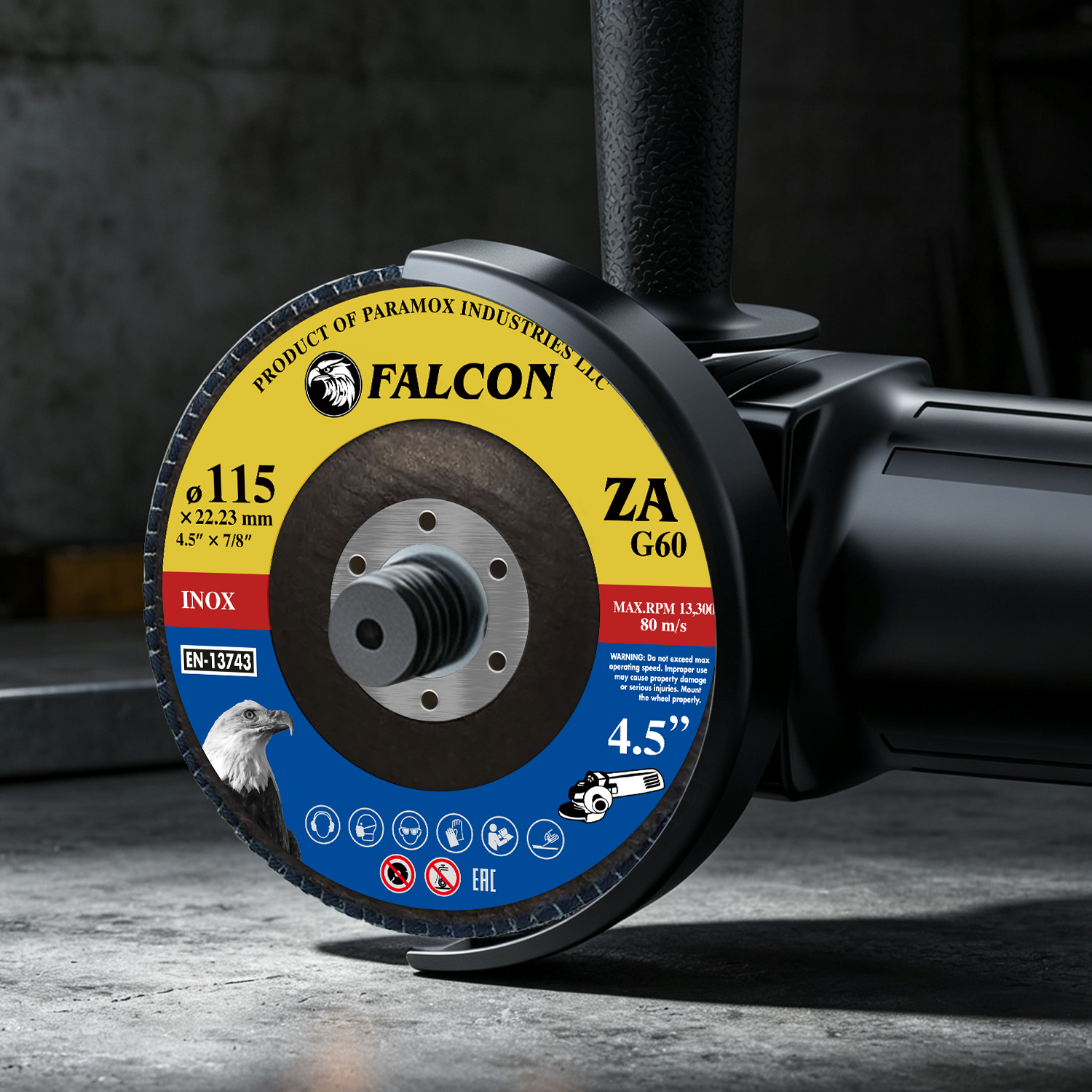
Choosing the right abrasive tools is crucial for achieving optimal performance in industrial applications, particularly when it comes to a 60 grit flap disk. This product is widely used for grinding, smoothing, and polishing various materials. As a B2B buyer, your main concerns are likely around quality, performance, and sourcing reliable suppliers. This article will guide you through essential considerations when selecting a 60 grit flap disk, sourcing suppliers, evaluating quality, understanding cost factors, and addressing common challenges encountered during use.

When is a flap disc worn out?
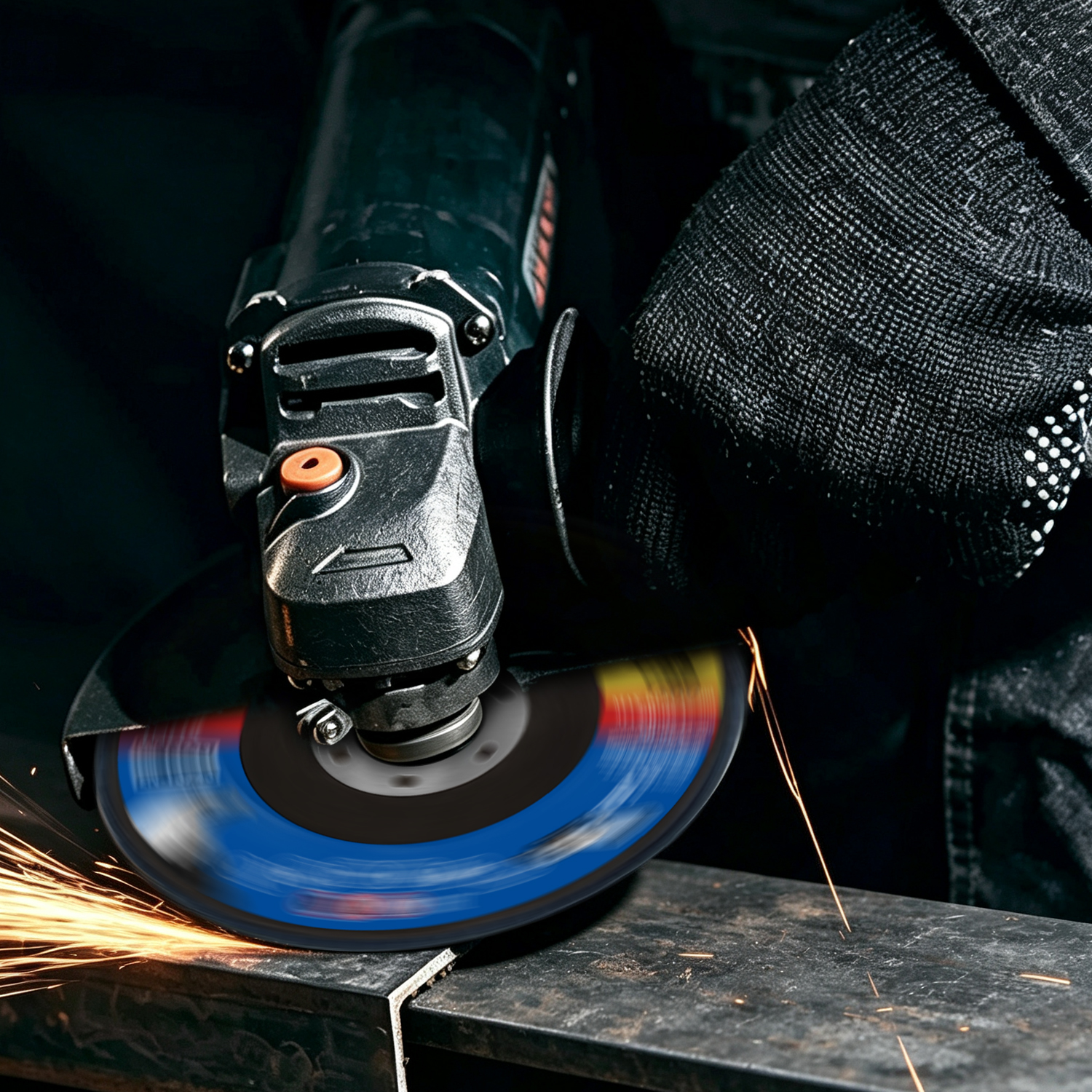
A flap disc is an essential abrasive tool used for grinding, blending, and finishing a variety of surfaces. Commonly installed on angle grinders, flap discs are made with multiple layers of abrasive cloth that gradually wear away during use while mai...
View More