Choosing the Right 40 Grit Flap Disc for Your Needs

Get a Free Quote

Our representative will contact you soon.
Email
Mobile/WhatsApp
Name
Company Name
Country
Customer Type
Estimated Order Quantity
MOQ and Free Sample Policy
Message
0/1000

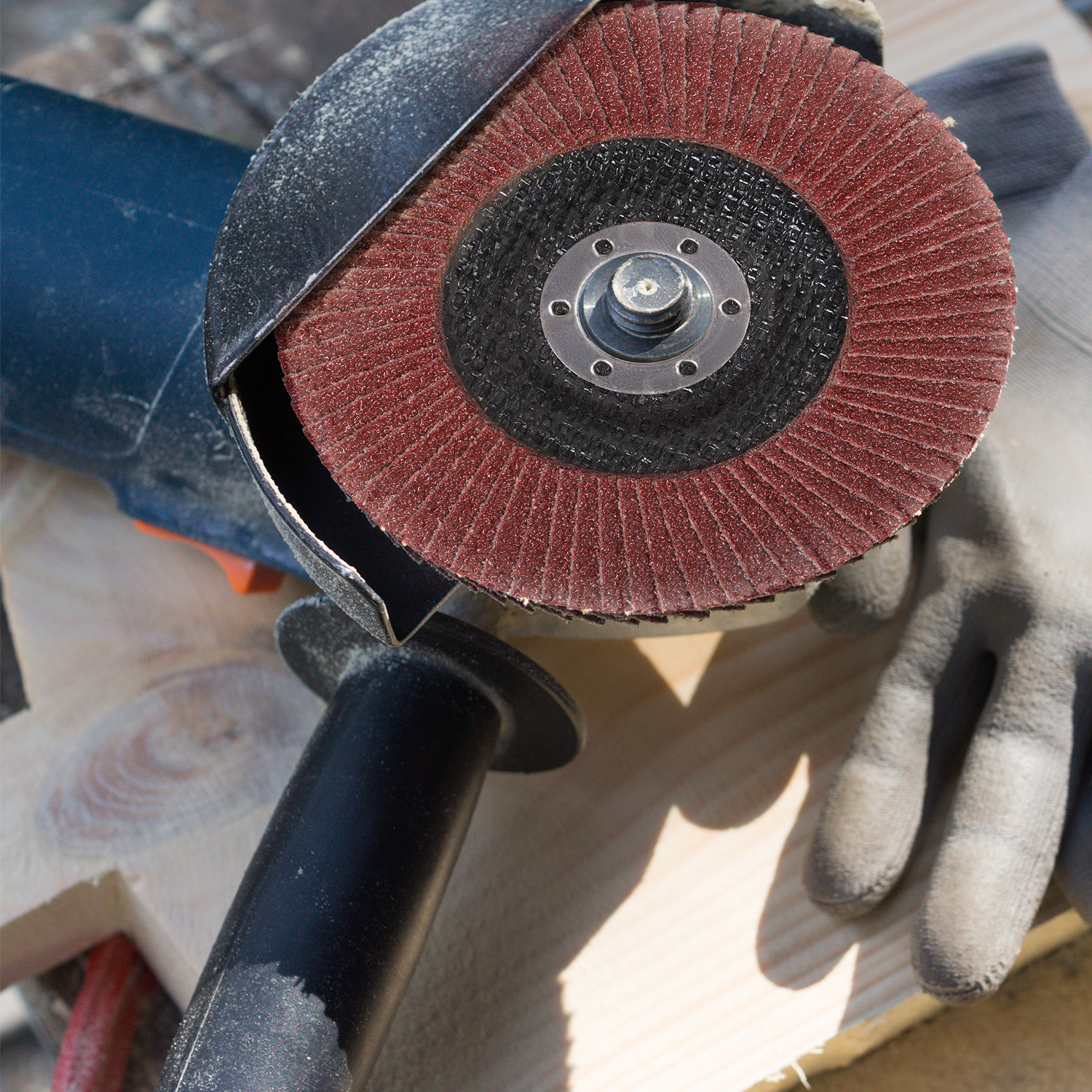
40 grit flap disc

When it comes to industrial grinding and finishing tasks, the choice of abrasive tools can significantly impact performance and efficiency. Among these tools, the 40 grit flap disc stands out for its versatility and effectiveness. This article will explore the essential aspects of selecting the right 40 grit flap disc, helping purchasing managers, engineers, and product managers make informed decisions that align with their specific industrial needs.

Choosing the Right 40 Grit Flap Disc for Your Industrial Needs

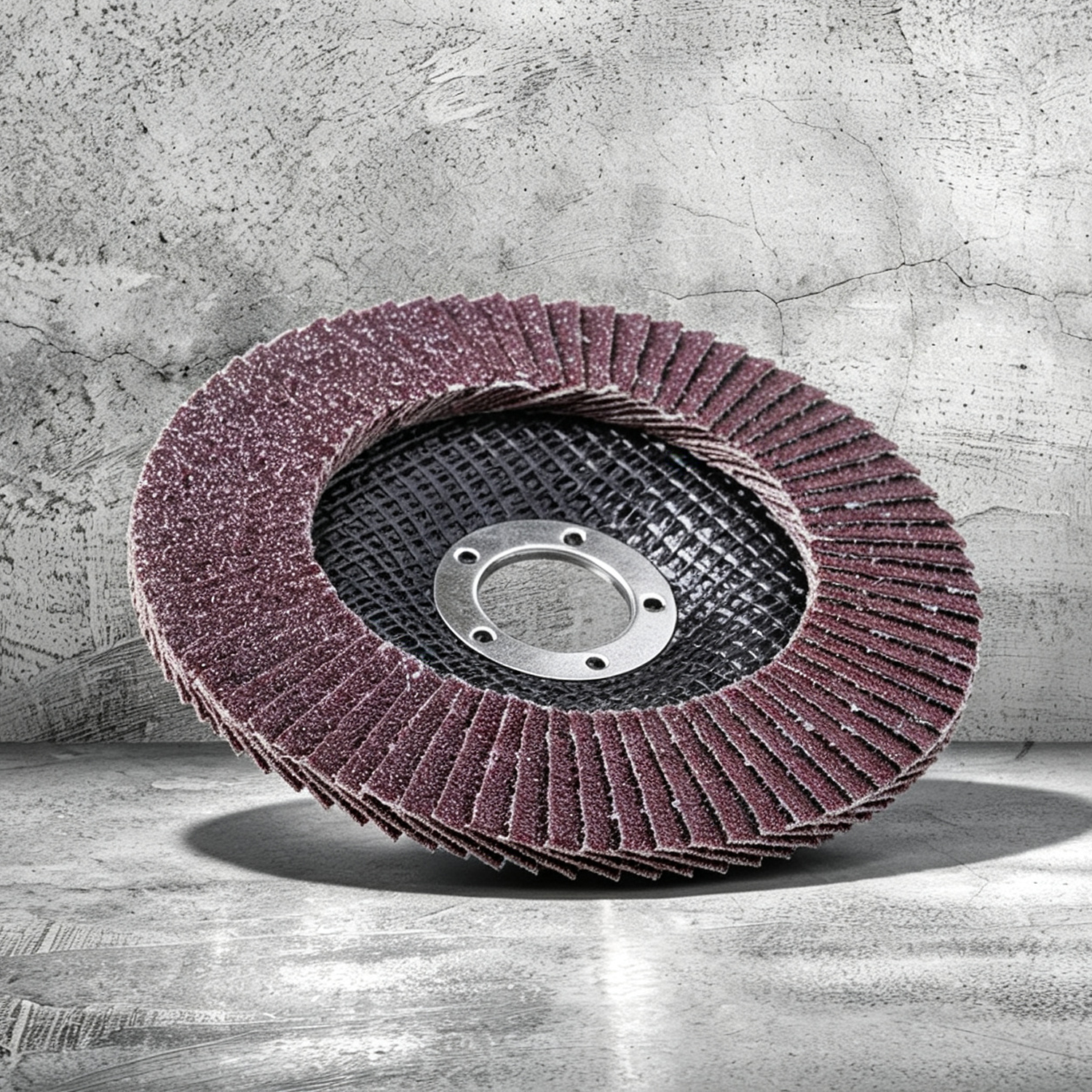
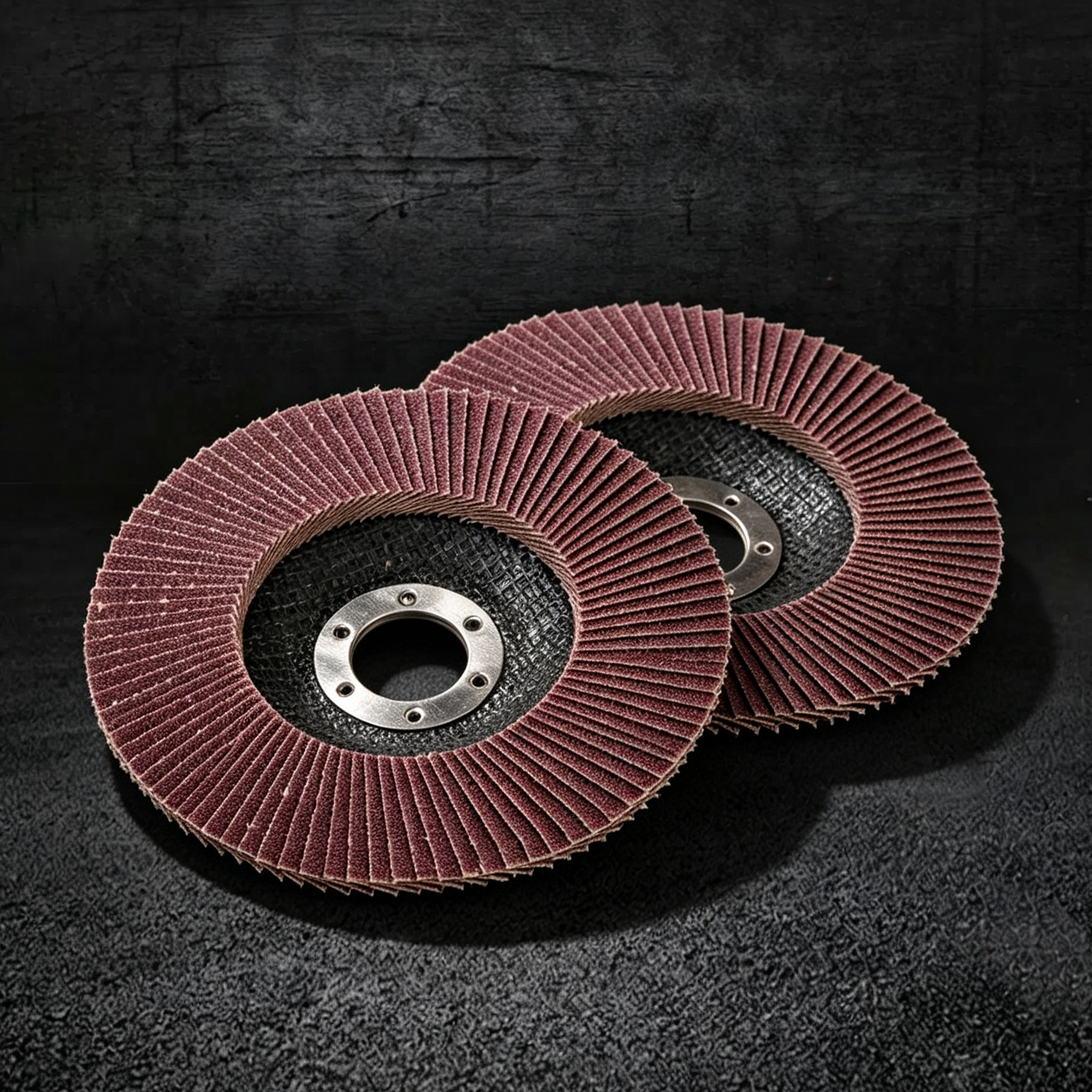
Selecting the appropriate 40 grit flap disc begins with understanding the specific application requirements. These discs are ideal for tasks that necessitate moderate material removal while still providing a smooth finish, making them suitable for metal fabrication, welding prep, and surface finishing. Factors to consider include the type of material being worked on (such as steel, aluminum, or stainless steel), the desired finish quality, and the specific grinding machine being used. For instance, if you are dealing with stainless steel, using a Grinding Disc for Inox/stainless steel can enhance your results.

Additionally, consider the backing material of the flap disc. Options commonly include fiberglass or plastic, each offering varying degrees of durability and flexibility. A rigid backing may be more suitable for heavy-duty applications, while a flexible backing can provide better conformity for intricate tasks. Moreover, compatibility with your existing equipment, whether it’s an angle grinder or a specialized grinding machine, is crucial for optimal performance.

Frequently Asked Questions

What is a 40 grit flap disc used for?

A 40 grit flap disc is for heavy material removal, shaping, and blending on metal and welds. It delivers aggressive stock removal while preparing surfaces for further grinding or finishing.
Designed primarily for steel and ferrous metals, it also works on stainless steel and some non-ferrous metals for rapid stock removal and surface preparation.
We offer common sizes and standard arbor fits to match most angle grinders. Contact us for exact size and arbor compatibility for your tool model.
Use eye protection, face shield, gloves, hearing protection, and protective clothing and footwear. Follow grinder manufacturer safety guidelines and our PPE recommendations.
Lifespan depends on application, pressure, speed, and material. Under heavy use it wears faster; proper technique and using the right disc for the task extend service life.

Our Blog Posts

Notes on using a flap disc

25

Jun

Notes on using a flap disc

Flap discs are indeed helpful in metal finishing work. They are constructed using numerous layers of sandpaper fastened together, but in a fan shape. These discs are made to grind, polish and smooth metallic surfaces to make them shiny. These are use...
View More
How to choose high-quality resin-bonded cut-off wheels

10

Sep

How to choose high-quality resin-bonded cut-off wheels

Choosing the right cut-off wheels can greatly impact the efficiency of your projects. Resin-bonded cut-off wheels remain widely popular for a host of practical benefits. They deliver clean cuts across multiple materials including metal, concrete and ...
View More
Type 1 vs Type 27 Cut Off Wheel: Full Comparison

09

Oct

Type 1 vs Type 27 Cut Off Wheel: Full Comparison

A Abrasive wheels are essential tools in metal fabrication, construction, welding, maintenance and general industrial work. When selecting an abrasive wheel, users often focus on diameter, thickness, abrasive material and RPM. However, the wheel type...
View More
What Is a Grinding Wheel & What Are Its Types?

07

Aug

What Is a Grinding Wheel & What Are Its Types?

A grinding wheel is a very important tool in lots of industries. It help to shape, grind and polish things like metal, wood or stone. These wheels are round discs make from hard stuff and use with grinder machines. They can be really tough and cut th...
View More

Get a Free Quote

Our representative will contact you soon.
Email
Mobile/WhatsApp
Name
Company Name
Country
Customer Type
Estimated Order Quantity
MOQ and Free Sample Policy
Message
0/1000

Related product categories

Which is Best for You?

Which is Best for You?

The best choice of a 40 grit flap disc depends on several factors, primarily the material and the specific tasks involved. For example, if you're working with steel, a zirconia-alumina flap disc may be the best option due to its durability and ability to withstand high heat. Conversely, for softer materials like aluminum, an aluminum oxide disc may be preferable as it provides a smoother finish without excessive gouging. If you're focusing on metal applications, consider using Grinding Discs for Metal for optimal performance.

Consider the thickness of the flap disc as well. Thicker discs tend to last longer and can handle more aggressive grinding tasks, while thinner discs are better for precision work. Additionally, the shape of the disc can affect performance; conical discs, for instance, are excellent for edge work, while flat discs are better suited for flat surfaces.

Key Specifications to Look for in 40 Grit Flap Discs

Key Specifications to Look for in 40 Grit Flap Discs

When evaluating 40 grit flap discs, several key specifications should be scrutinized to ensure optimal performance:

Grit Type: The composition of the grit affects the cutting efficiency and finish quality. Zirconia and ceramic grits are recommended for tougher materials, while aluminum oxide is suitable for softer metals.

Backing Material: The choice of backing (fiberglass or plastic) impacts durability and flexibility. Fiberglass offers greater stability, while plastic is lighter and may provide better adaptability to uneven surfaces.

Disc Diameter: Common diameters range from 4 to 7 inches. The size should be chosen based on the grinding machine specifications and the scale of the project.

Maximum RPM Rating: Ensure that the flap disc’s RPM rating matches or exceeds that of the grinding machine to prevent accidents and achieve optimal performance.

Shape: Discs come in various shapes such as flat, conical, and tapered. The shape should align with the intended application for effective material removal and finishing.

Carefully reviewing these specifications will help ensure that the selected flap disc meets performance expectations and operational safety standards.

Installation Tips for 40 Grit Flap Discs in Various Applications

Installation Tips for 40 Grit Flap Discs in Various Applications

Installing a 40 grit flap disc correctly is crucial for both safety and efficiency. Here are some installation tips:

Ensure Compatibility: Confirm that the flap disc is compatible with the grinding machine. Check the spindle size and ensure that the disc fits securely.

Proper Tightening: When attaching the flap disc, ensure it is tightened according to the manufacturer's specifications. Over-tightening can damage the disc or the machine.

Safety Precautions: Always wear appropriate safety gear, including goggles and gloves, to protect against sparks and debris during operation.

Start at Low Speed: Initially operate the grinder at a lower speed to allow the flap disc to seat properly. Gradually increase the speed to the recommended RPM once confident in the installation.

Check for Vibration: During initial use, monitor for any vibrations or wobbling, which could indicate improper installation or a defective disc.

Following these steps will ensure a safer and more effective grinding operation.

Common Problems with 40 Grit Flap Discs and Their Solutions

While 40 grit flap discs are highly effective, users may encounter common issues. Here are some problems and their solutions:

Excessive Wear: If the flap disc wears out quickly, it may be due to improper material selection. Ensure that the grit type and backing material are suitable for the specific application.

Poor Finish Quality: A rough finish can result from using an overly coarse grit or incorrect pressure during operation. Reassess the application needs and consider switching to a finer grit or adjusting the pressure applied during grinding.

Discs Detaching: If a flap disc detaches during use, check the compatibility with the machine and ensure that it is properly secured. Always replace worn or damaged backing plates to maintain proper adhesion.

Overheating: Overheating can damage both the flap disc and the workpiece. Ensure that the grinding speed is appropriate for the material and that sufficient cooling time is allowed during prolonged use.

Vibration and Noise: Excessive vibration may indicate an imbalance or misalignment. Inspect the installation and the condition of the grinding machine to address any underlying issues.

By being aware of these potential problems and their solutions, users can enhance their experience with 40 grit flap discs and achieve better results in their industrial applications.

Get a Free Quote

Our representative will contact you soon.
Email
Mobile/WhatsApp
Name
Company Name
Country
Customer Type
Estimated Order Quantity
MOQ and Free Sample Policy
Message
0/1000