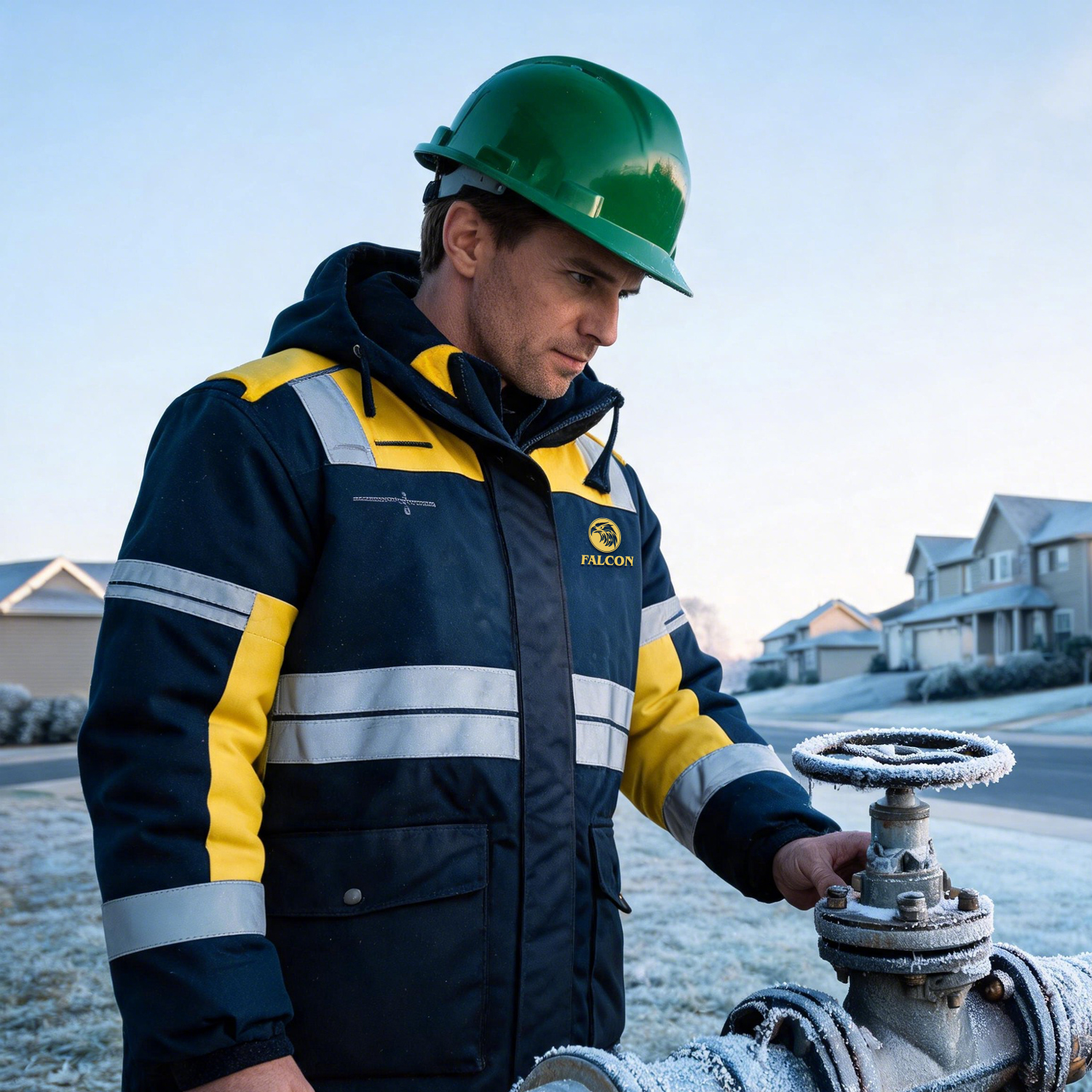
Wholesale Men's Coveralls: Sourcing and Specifications

Get a Free Quote

Our representative will contact you soon.
Email
Mobile/WhatsApp
Name
Company Name
Country
Customer Type
Estimated Order Quantity
MOQ and Free Sample Policy
Message
0/1000

coveralls mens

Coveralls are essential protective garments used across various industrial applications, designed to safeguard workers from hazardous materials and harsh environments. The keyword "coveralls mens" highlights the growing demand for durable and functional workwear that meets the specific needs of male professionals in sectors such as manufacturing, construction, and engineering. This article aims to address common concerns regarding sourcing, material selection, maintenance, and essential features of coveralls, providing valuable insights for purchasing managers, distributors, and product managers.

Our Products

Sourcing Reliable Suppliers for Bulk Orders

When sourcing coveralls for bulk orders, it's crucial to evaluate potential suppliers based on their manufacturing capabilities and quality control processes. Look for suppliers like Falcon Global / Tools Safety, who specialize in high-performance safety gear. Key factors to consider include:

Production Capacity: Ensure the supplier can meet your volume requirements within your timeline. Reliable manufacturers typically have flexible production schedules and can accommodate urgent requests.

Quality Certifications: Verify if the supplier holds relevant industry certifications, which can demonstrate their commitment to quality and safety standards. Look for certifications such as ISO or compliance with ANSI/ASTM standards.

Customization Options: Many manufacturers offer customization, including sizes, colors, and branding. This can enhance your company's visibility and ensure that the coveralls meet specific functional requirements. For more options, you can check Other Products / Custom Requirements.

Sample Approval Process: Before placing a large order, request samples to evaluate fabric quality, fit, and construction. This step can help avoid costly mistakes and ensure the final product meets your expectations.

Lead Times: Discuss lead times upfront to ensure that your order can be fulfilled on schedule. Understanding the supplier’s production timeline is essential for effective inventory management.

Frequently Asked Questions

What materials are Falcon coveralls made of?

Our coveralls use durable, flame-resistant fabrics blended with high-strength fibers to withstand industrial abrasion and provide long-lasting protection in demanding environments.
Yes. We offer a full range of men's sizes from small to XXL with tailored cuts for comfortable movement during industrial tasks.
Yes. They include reinforced seams, abrasion-resistant panels, and optional flame-retardant and chemical-resistant coatings for enhanced workplace safety.
Yes. They are designed for industrial laundering and maintain protective properties when cleaned according to the provided care and temperature instructions.
Yes. They feature multiple reinforced pockets and tool loops positioned for practical access, supporting efficient work with grinding and safety equipment.

Our Blog Posts

Notes on using a flap disc

25

Jun

Notes on using a flap disc

Flap discs are indeed helpful in metal finishing work. They are constructed using numerous layers of sandpaper fastened together, but in a fan shape. These discs are made to grind, polish and smooth metallic surfaces to make them shiny. These are use...
View More
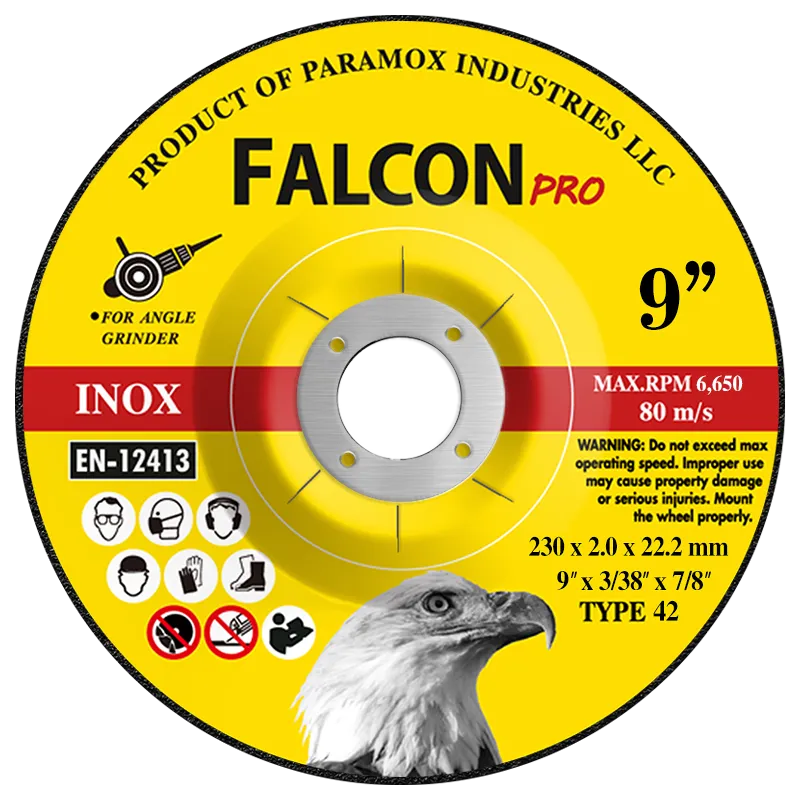
When to replace cut off wheel

28

Sep

When to replace cut off wheel

Cut-off wheels are essential tools for many applications, particularly in construction and metalworking. They are designed to make clean cuts through hard materials such as metal and concrete. However, cut-off wheels gradually wear with repeated use ...
View More
Type 1 vs Type 27 Cut Off Wheel: Full Comparison

09

Oct

Type 1 vs Type 27 Cut Off Wheel: Full Comparison

A Abrasive wheels are essential tools in metal fabrication, construction, welding, maintenance and general industrial work. When selecting an abrasive wheel, users often focus on diameter, thickness, abrasive material and RPM. However, the wheel type...
View More
How to Properly Wear and Fit a Hard Hat

11

Jul

How to Properly Wear and Fit a Hard Hat

Wearing hard hat is important for safety in many work places, specially construction or manufacturing. It protect your head from falling things, bumps and other dangers. At Falcon Global, we know that wearing it correct is just as important as having...
View More

Get a Free Quote

Our representative will contact you soon.
Email
Mobile/WhatsApp
Name
Company Name
Country
Customer Type
Estimated Order Quantity
MOQ and Free Sample Policy
Message
0/1000

Related product categories

Which Fabrics Work Best for Coveralls?

Which Fabrics Work Best for Coveralls?

The choice of fabric is crucial for the performance and durability of coveralls. Common materials include:

Cotton: Breathable and comfortable, cotton is suitable for light-duty applications but may not provide adequate protection against chemicals or flames.

Polyester: Known for its durability and resistance to shrinking, polyester is often blended with cotton to enhance strength and reduce wrinkling.

Twill: A heavier fabric that offers increased durability, twill is commonly used in workwear due to its resistance to wear and tear.

Canvas: Extremely durable, canvas is ideal for heavy-duty applications and offers excellent protection against abrasions.

FR (Flame-Resistant) Fabrics: For workers exposed to flames or heat, FR fabrics are essential. Look for materials that meet the NFPA 2112 standard for flame-resistant clothing.

When selecting fabric, consider the specific hazards present in your work environment, such as chemical exposure or heat. Additionally, moisture-wicking properties can enhance comfort in hot conditions, making it an important feature for certain applications.

Proper Use and Maintenance of Coveralls

Proper Use and Maintenance of Coveralls

To maximize the lifespan and effectiveness of coveralls, proper usage and maintenance are essential. Here are some best practices:

Fitting: Ensure that coveralls fit correctly to allow for ease of movement without compromising protection. Consider options with adjustable features for a customized fit.

Regular Inspections: Conduct regular inspections for wear and tear, especially in high-stress areas like seams and pockets. Early detection of damage can prevent potential safety hazards.

Cleaning Instructions: Follow manufacturer guidelines for washing and drying. Some fabrics may require special care, such as gentle cycles or air drying, to maintain their protective qualities.

Storage: Store coveralls in a clean, dry place away from direct sunlight and chemicals. Proper storage helps maintain fabric integrity and prevents contamination.

Replacement Schedule: Establish a replacement schedule based on usage frequency and wear. Regularly replacing worn coveralls ensures ongoing protection for workers.

Implementing these practices not only enhances the durability of the garments but also ensures compliance with safety standards.

Common Problems with Coveralls and Their Practical Solutions

Common Problems with Coveralls and Their Practical Solutions

Despite their robust design, coveralls can encounter several common issues. Here are potential problems along with practical solutions:

Sizing Issues: Ill-fitting coveralls can hinder mobility or compromise safety. To avoid this, ensure accurate measurements are taken before ordering and consider offering a range of sizes or adjustable options.

Fabric Wear: Frequent use can lead to fabric fraying or tearing. Invest in high-quality materials and regularly monitor for signs of wear, addressing issues proactively by replacing damaged garments.

Stains and Contaminants: Oil, grease, and chemical stains can be challenging to remove. Implement a pre-treatment process for stains and educate workers on proper cleaning techniques based on fabric types.

Loss of Protective Features: Over time, protective features (e.g., flame resistance) can degrade. Regularly review the performance of coveralls and replace them when they no longer meet safety standards.

Incompatibility with Other PPE: Ensure that coveralls are compatible with other personal protective equipment (PPE) used on-site, such as helmets and gloves. This compatibility can enhance overall worker safety.

Addressing these common problems through proper selection, maintenance, and employee education can significantly enhance the effectiveness of coveralls in providing safety and comfort.

Key Features for Contractors and Distributors

When considering coveralls for contractors and distributors, several key features can influence purchasing decisions:

Durability: Look for coveralls constructed with robust seams and reinforced areas to withstand demanding work environments. Double-stitched seams can enhance durability.

Safety Features: Depending on the application, features such as reflective strips for visibility in low-light conditions or pockets for tool storage can add functional value.

Comfort and Flexibility: Coveralls should allow for a full range of motion. Consider options with articulated knees and stretch panels for added comfort during movement.

Ease of Maintenance: Select fabrics that are easy to clean and maintain, which can reduce downtime in industries where hygiene is crucial.

Cost-Effectiveness: Evaluate the total cost of ownership, including upfront costs, maintenance, and replacement frequencies. Investing in higher-quality coveralls may reduce overall expenses in the long term. Additionally, consider options like Safety Gloves to complement your workwear.

By focusing on these features, contractors and distributors can make informed decisions that enhance safety and productivity on the job site. Selecting the right coveralls for industrial applications involves careful consideration of materials, supplier reliability, and maintenance practices. By addressing the specific needs of the workforce and ensuring proper care, companies can enhance safety and productivity in their operations.

Get a Free Quote

Our representative will contact you soon.
Email
Mobile/WhatsApp
Name
Company Name
Country
Customer Type
Estimated Order Quantity
MOQ and Free Sample Policy
Message
0/1000