 EN

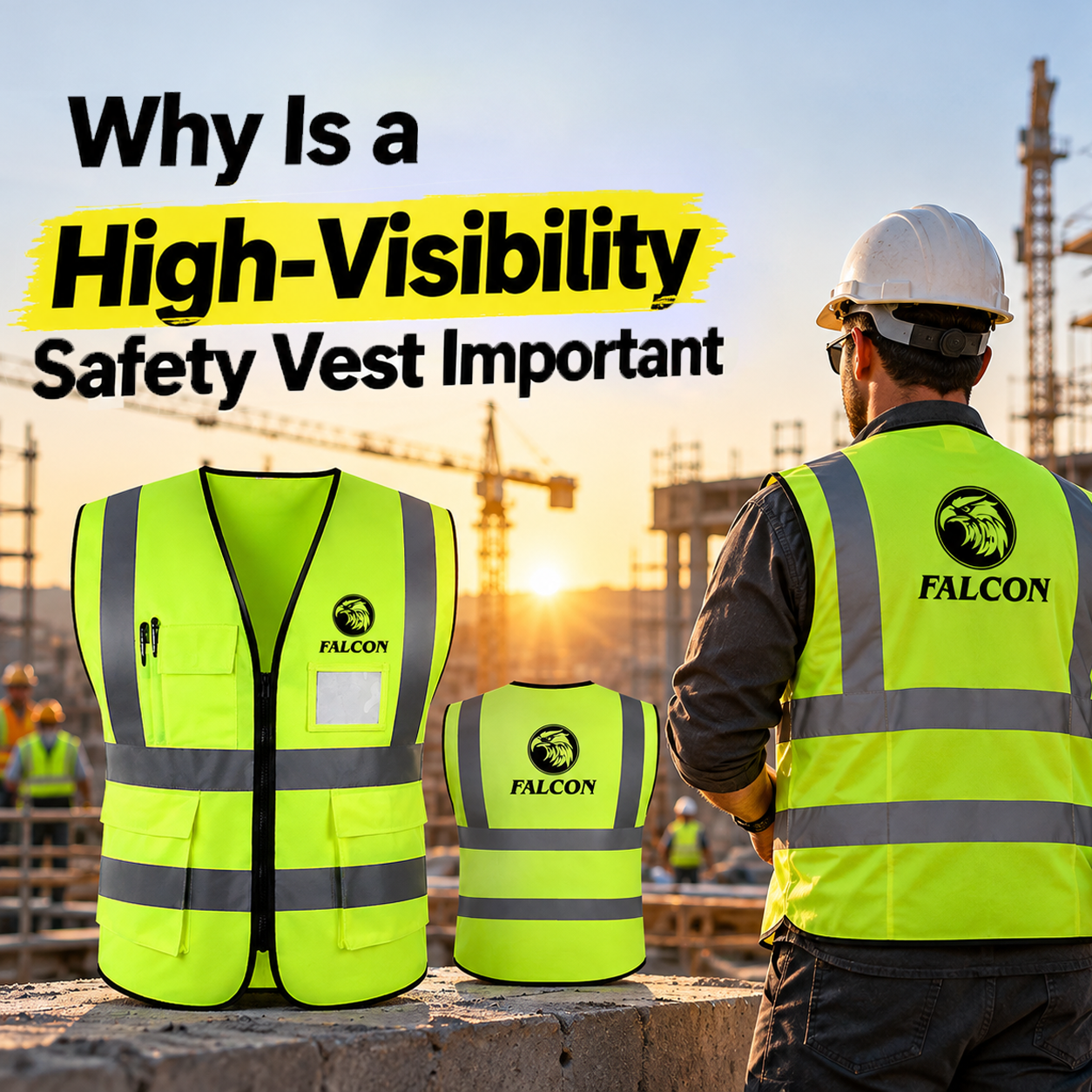
One of the easiest and most effective items of personal protective clothing for the workplace is a high-visibility safety vest. Its purpose is simple: to make the wearer easily seen and thereby prevent accidents. In settings where vehicles, heavy machinery or mobile equipment are in operation, being visible can mean the difference between staying safe and sustaining serious injury. In this article, you will learn about the importance of selecting high-visibility safety vests for your employees and how to choose the right safety vest for your team.
The Core Function: Making Workers Visible
A high-vis safety vest is designed to make the wearer conspicuous. Unlike regular workwear, a safety vest features a lightweight, breathable fabric, bright fluorescent yellow-green colouring and prominent reflective strips that stand out against most backgrounds.
Fluorescent fabric provides greater visibility in daylight. In high-traffic or cluttered work zones, bright shades such as fluorescent yellow or fluorescent orange stand out more readily to the human eye.
Reflective strips make the wearer easier to detect. When light from oncoming vehicle headlights or work lights hits the reflective material, light bounces back toward its source, making the wearer appear brighter and more visible.
These two features combined enable earlier detection of workers at a greater distance, giving drivers, machine operators and other site personnel more time to react.
Where High-Visibility Safety Vests Are Needed
High-visibility safety vests are widely used in any environment where personnel and mobile machinery operate alongside each other. Common applications include:
● Road construction and traffic control
● Warehouse and logistics operations with forklifts
● Airport and railway maintenance
● Mining, oil and gas sites
● Emergency response and rescue operations
● Nighttime maintenance and utility work
At these locations, workers may be focused on their tasks and unable to watch continuously for approaching vehicles. A high-visibility vest helps solve this problem: it makes the worker visible to drivers and equipment operators, so they can spot the worker and take appropriate action.
Key Features to Consider When Choosing a Vest
Not all safety vests are created equal. Review the following criteria when selecting high-visibility vests for your team:
Fabric material. The base fabric is usually lightweight, durable polyester that accepts fluorescent dyes. Polyester dries quickly and resists routine wear and tear, which suits long shifts.
Reflective tape. Reflective strips are made of retroreflective material, redirecting light back toward its source. The tape's width and placement determine how conspicuous the wearer is; a larger reflective area delivers better visibility.
Colour choice. Fluorescent yellow and fluorescent orange are the most common options. Selection depends on the work type and surrounding environment. For example, orange may perform better in certain industrial settings, while yellow offers stronger contrast against some backgrounds.
Closure type. Vests commonly use clasps, snap buttons or hook-and-loop fasteners. Zippers offer a secure fit, while hook-and-loop closures allow fast donning and removal.
Fit and sizing. The vest should fit loosely over work clothing but not overly loose — loose fabric can catch on machinery! Adjustable sizing accommodates team members with different body types.
Additional features. Some vests include pockets for storing tools, paperwork or ID cards, or a breakaway design that releases if the vest becomes snagged on equipment. Choose extra features based on the specific hazards present at your worksite.
Building a Complete Safety Program
A high-visibility safety vest works best as part of a full personal protective equipment (PPE) programme. For maximum protection, it should be worn alongside other safety gear such as hard hats, safety glasses, work gloves, earplugs and safety footwear. Different protection levels apply to different tasks. On a road construction project, some crew members may require a hard hat, dust mask and safety glasses. In a warehouse, employees may use a hard hat, gloves and safety footwear instead. Matching the correct equipment to each worker and task helps ensure a safe workplace without unnecessary over-specification.
Safety vests also require regular maintenance and timely replacement once they become worn, faded or damaged. Reflective tape can get dirty or scratched, and fluorescent fabric loses brightness over time. Replace any vest that can no longer fulfil its visibility function.
Conclusion
High-visibility safety vests are critical because they make workers noticeable to others. Bright fluorescent fabric and reflective strips improve visibility in daylight and low-light conditions, helping drivers and equipment operators identify workers sooner and react in time. When selecting a vest, consider factors such as fabric, reflective tape, colour, closure style and fit. A quality high-visibility vest, paired with other appropriate safety gear, helps boost overall workplace safety.
FALCON, a professional full-line industrial brand, provides high-performance abrasive tools and safety products, including high-visibility safety vests, hard hats, safety glasses, work gloves, earplugs, safety footwear and workwear.