Choosing Quality Workwear Clothing for Industrial Use

Get a Free Quote

Our representative will contact you soon.
Email
Mobile/WhatsApp
Name
Company Name
Country
Customer Type
Estimated Order Quantity
MOQ and Free Sample Policy
Message
0/1000

workwear clothing

When it comes to selecting workwear clothing for industrial applications, B2B buyers face unique challenges and considerations. The right workwear not only protects employees but also enhances productivity and conveys professionalism. This article will guide purchasing managers, distributors, and engineers through the essential aspects of choosing quality workwear clothing, addressing common issues, understanding cost factors, and ensuring optimal use in various industrial environments.

Our Products

How to Choose Quality Workwear Clothing for Industrial Use

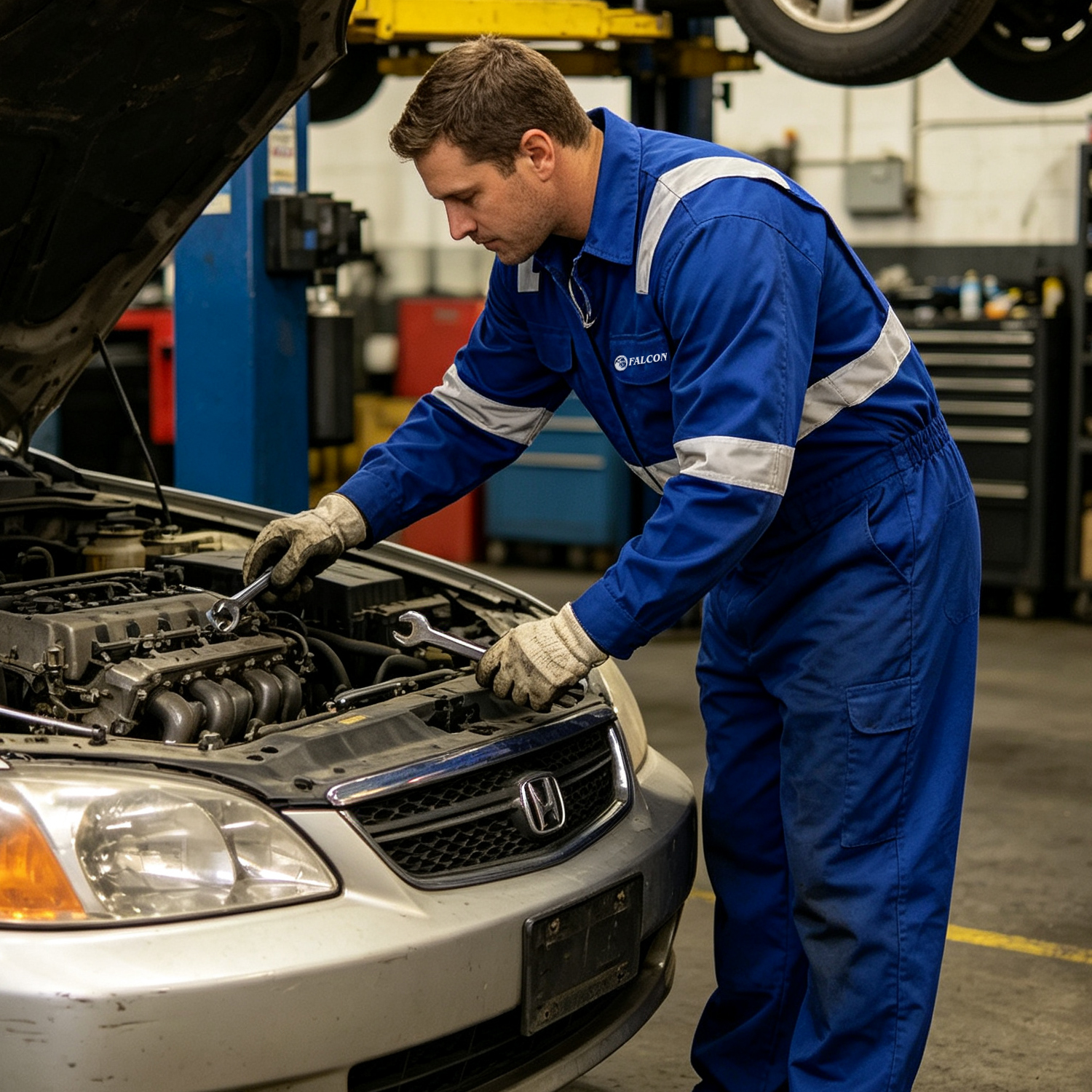
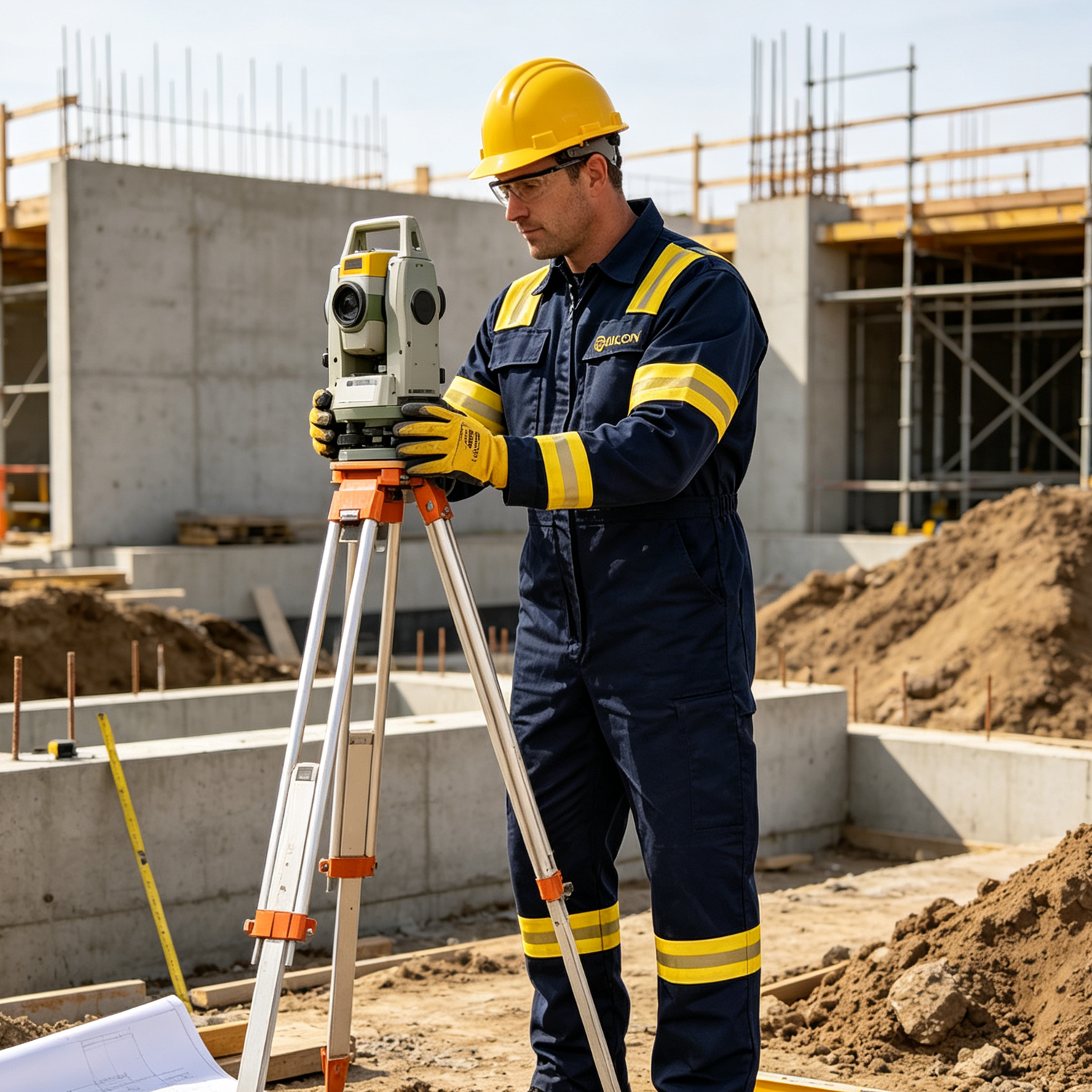
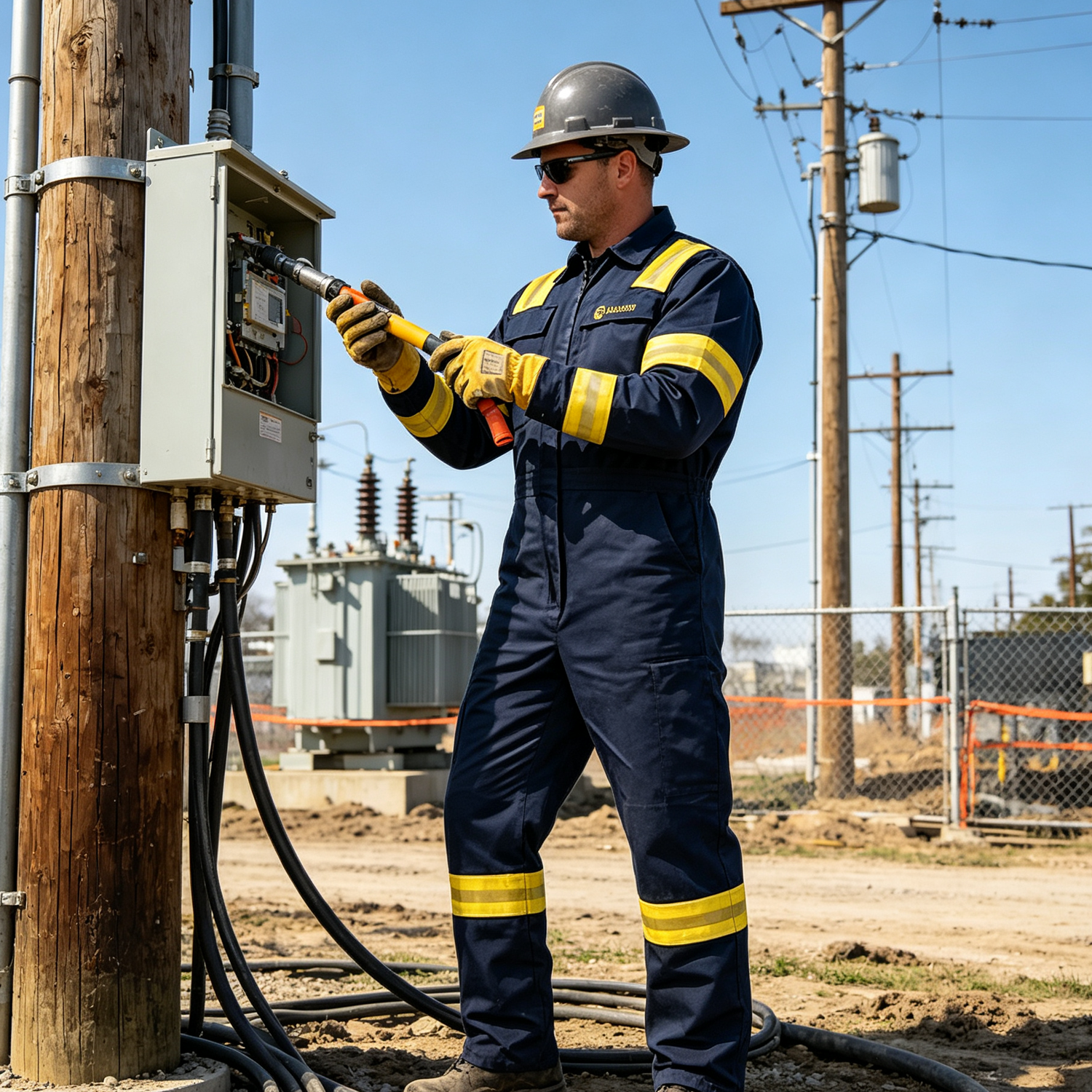
Choosing the right workwear clothing for industrial use involves evaluating several critical factors. First, consider the specific application and environment where the clothing will be used. For instance, workwear for construction sites must offer durability and protection from physical hazards, while workwear for manufacturing settings may need to be resistant to chemicals or heat. Ensuring that the workwear is suitable for these environments can also include options like Protective Workwear.

The materials used in the workwear are equally important. Look for fabrics that offer breathability while also providing protection, such as cotton blends or specialized synthetic materials. These fabrics can enhance comfort during long working hours, which is essential for maintaining employee productivity.

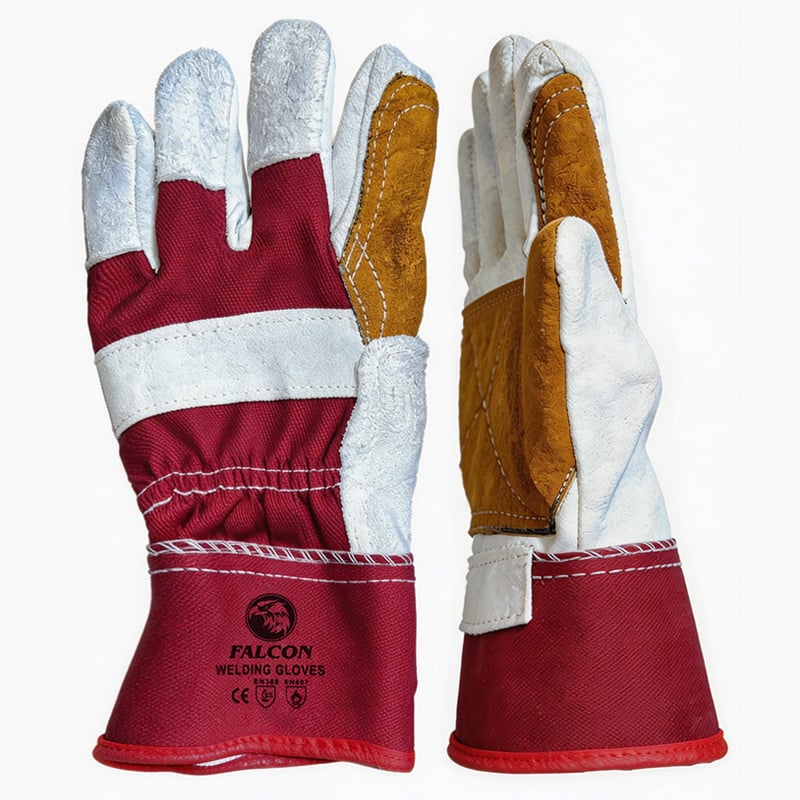
Fit and functionality are also key considerations. Workwear should allow for a full range of motion and be tailored to the tasks at hand. Features like reinforced seams, adjustable cuffs, and pockets designed for tools can significantly improve usability on the job. Additionally, consider the Safety Gloves that complement the workwear to ensure overall safety.

Frequently Asked Questions

What types of workwear clothing do you offer?

We provide industrial-grade protective clothing including flame-resistant coveralls, high-visibility jackets, durable work pants, and insulated outerwear designed for abrasive and heavy-duty environments.
Yes. Our workwear meets relevant industrial safety standards for flame resistance, high visibility, and protective performance; specific certificates are available upon request for each product.
Yes. We offer customization options including logo embroidery, color matching, and tailored sizing to meet corporate identity and functional requirements.
We use advanced, abrasion-resistant fabrics, reinforced stitching, and protective overlays at high-wear areas to ensure long-lasting performance in industrial settings.
Follow label instructions: machine wash with mild detergent, avoid bleach, use low-temperature drying, and repair or replace garments with compromised protective features to maintain safety.

Our Blog Posts

Flap Disc vs Fiber Disc: Whats the Difference?

22

Apr

Flap Disc vs Fiber Disc: Whats the Difference?

When it comes to metal grinding and surface finishing, choosing the right abrasive tool can significantly impact work efficiency, surface quality, and overall project results. Two of the most commonly used options are flap discs and fiber discs. Alth...
View More
What applications are different types of cut-off wheels suitable for?

22

May

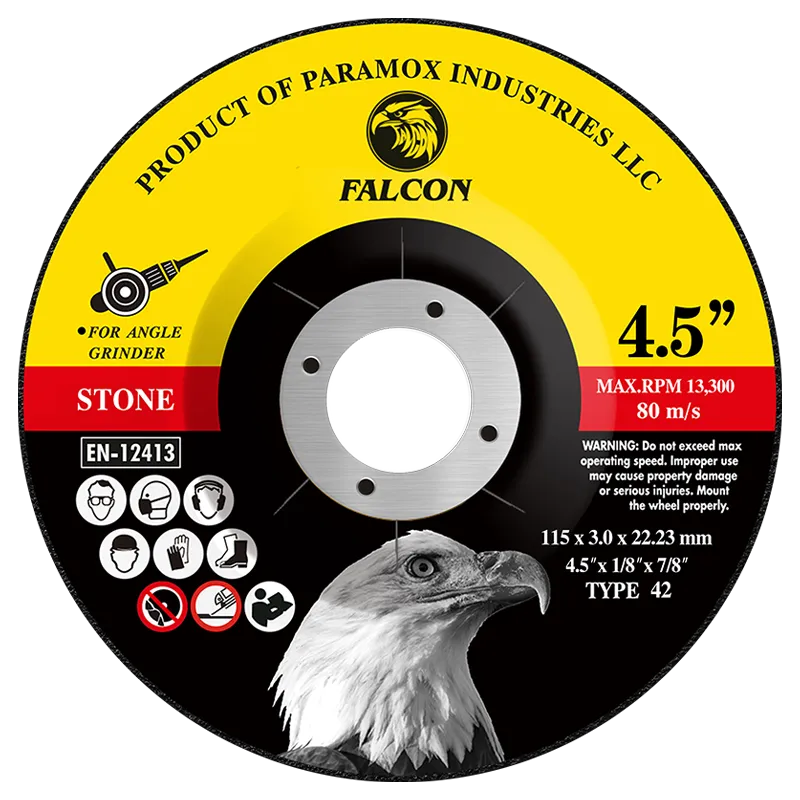
What applications are different types of cut-off wheels suitable for?

Cut-off wheels is important tool for cuting through differents materials. They come in many types which makes them good for lot of tasks. You can see them used in metal work, building sites, and even in home garage. Cut-off wheels made from stuff lik...
View More
What Is a CBN Grinding Wheel Used For?

25

Aug

What Is a CBN Grinding Wheel Used For?

CBN grinding wheels are special tools make from cubic boron nitride, which is super hard material. These wheels mostly use in factories and workshops to grind and sharp metal parts. They good for things like engine pieces, cutting tools, and other to...
View More
Class E, G, C Hard Hats: Electrical Safety Ratings

22

Jul

Class E, G, C Hard Hats: Electrical Safety Ratings

Hard hats are really important to keep workers safe, specially in places where things can fall on head or there is electrical danger. At Falcon Global, we understand that picking the correct Hard Hat make big difference. There is Class E, G, and C ha...
View More

Get a Free Quote

Our representative will contact you soon.
Email
Mobile/WhatsApp
Name
Company Name
Country
Customer Type
Estimated Order Quantity
MOQ and Free Sample Policy
Message
0/1000

Related product categories

Key Specifications to Consider for Workwear Clothing Purchases

Key Specifications to Consider for Workwear Clothing Purchases

When purchasing workwear clothing, there are several key specifications to keep in mind:

Material Composition: The choice of material directly impacts comfort, durability, and protection. For example, high-performance polyester can be lightweight yet durable, while cotton is breathable but may not withstand harsh conditions as well.

Safety Ratings and Certifications: Ensure that the workwear meets industry safety standards relevant to your specific field. Look for certifications like ANSI or ISO standards that indicate the clothing has been tested for safety and performance.

Sizing and Fit: Proper sizing is crucial. Consider offering a range of sizes to accommodate all employees. A fit that allows for movement without being too loose can prevent safety hazards.

Features and Add-ons: Assess whether the clothing has additional features such as reflective strips for visibility, waterproofing, or insulated linings for colder environments. These can enhance safety and comfort significantly.

Care Requirements: Understanding the care and maintenance needs of the workwear can also influence your purchase decision. Some materials may require special washing instructions, which could affect long-term costs.

Common Problems with Workwear Clothing and Effective Solutions

Common Problems with Workwear Clothing and Effective Solutions

Despite careful selection, buyers may encounter problems with workwear clothing. Common issues include:

Durability Issues: Some fabrics may wear out faster than expected, especially in demanding environments. To combat this, select workwear made with reinforced stitching and durable materials designed for heavy use.

Sizing Inconsistencies: Variations in sizing across different brands can lead to confusion and dissatisfaction among workers. To mitigate this, establish clear sizing guidelines and consider providing samples for employees to try before bulk orders.

Limited Functionality: Workwear that lacks essential features can hinder worker performance. Ensure that the clothing has adequate pockets, tool attachment options, and breathability to facilitate various tasks.

Compliance Failures: Non-compliance with safety standards can lead to serious consequences. Always verify that the workwear meets the necessary regulations and conduct regular audits to ensure ongoing compliance.

Understanding Cost Factors When Buying Workwear Clothing in Bulk

Understanding Cost Factors When Buying Workwear Clothing in Bulk

Cost is a significant concern for B2B buyers, particularly when ordering workwear clothing in bulk. Several factors can influence pricing:

Material Costs: Higher-quality materials typically come at a premium. However, investing in durable workwear can result in lower long-term costs due to reduced replacement needs.

Order Quantity: Many suppliers offer discounts for bulk orders. Establishing a minimum order quantity (MOQ) can help secure better pricing, but be cautious not to over-order if your inventory management is not robust.

Customization Options: Custom features, such as embroidered logos or specific color requirements, can increase costs. Balance the benefits of customization against the budget constraints to ensure the best value.

Shipping and Handling: Consider the logistics of shipping, as costs can vary based on weight and distance. Working with suppliers who have efficient shipping processes can help minimize these costs.

Supplier Relationships: Building strong relationships with suppliers can lead to better pricing and terms. Consider long-term partnerships that can yield mutual benefits over time.

Installation Guidelines for Optimal Use of Workwear Clothing

While workwear clothing is typically ready to wear, there are guidelines to ensure optimal use and longevity:

Proper Fit: Ensure that employees wear workwear that fits well. Clothing that is too tight or too loose can hinder mobility and comfort, leading to decreased productivity.

Care Instructions: Follow the manufacturer’s care instructions to maintain the integrity of the clothing. Proper washing, drying, and storage can prolong the lifespan of workwear.

Regular Inspections: Conduct periodic inspections of workwear for signs of wear and tear. Replace items showing significant deterioration to maintain safety standards.

Training: Educate employees on the importance of wearing workwear correctly and maintaining it. Promoting a culture of safety can enhance compliance and reduce risks.

Feedback Loop: Establish a system for employees to provide feedback on their workwear. This information can guide future purchases and adjustments to improve comfort and functionality.

By understanding these considerations and guidelines, B2B buyers can make informed decisions that enhance employee safety and productivity through the selection of high-quality workwear clothing.

Get a Free Quote

Our representative will contact you soon.
Email
Mobile/WhatsApp
Name
Company Name
Country
Customer Type
Estimated Order Quantity
MOQ and Free Sample Policy
Message
0/1000