Work Trousers: Comfort, Durability & Sourcing Tips

Get a Free Quote

Our representative will contact you soon.
Email
Mobile/WhatsApp
Name
Company Name
Country
Customer Type
Estimated Order Quantity
MOQ and Free Sample Policy
Message
0/1000

work trousers

Work trousers are an essential part of personal protective equipment (PPE) for professionals in various industrial applications. They provide not only comfort but also durability to withstand demanding work environments. When sourcing work trousers, B2B buyers, such as purchasing managers and product managers, often have concerns regarding the quality, fit, and suitability of the trousers for specific applications. This article will guide you through comparing work trousers for comfort and durability, key specifications to consider, wholesale purchasing tips, finding reliable suppliers, and understanding cost factors for bulk orders.

Our Products

How to Compare Work Trousers for Comfort and Durability

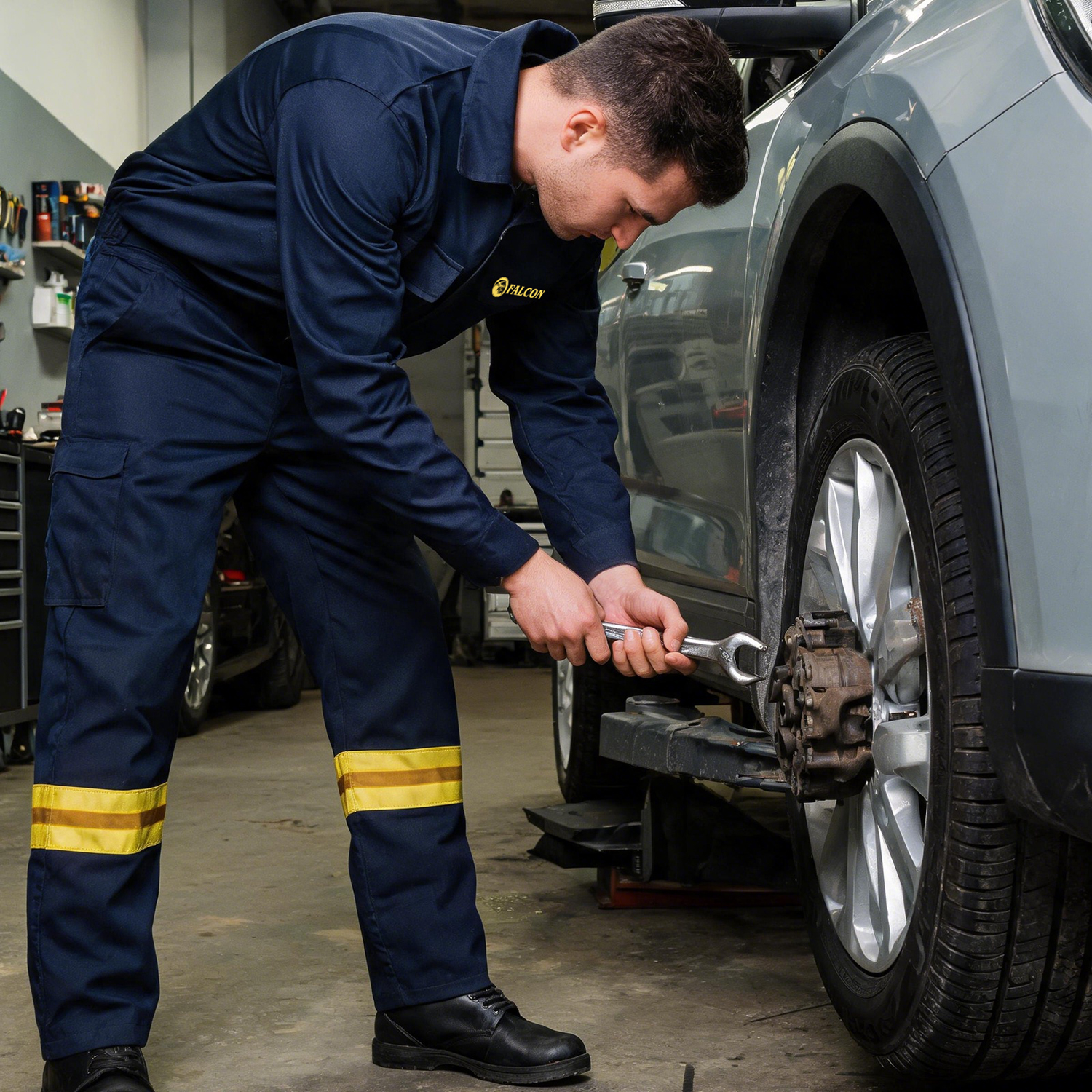
When evaluating work trousers, comfort and durability should be your top priorities. Comfort can significantly affect worker productivity, so consider the fit, fabric, and design. Look for trousers with features such as adjustable waistbands, articulated knees, and breathable materials. These features not only enhance comfort but also facilitate ease of movement during tasks.

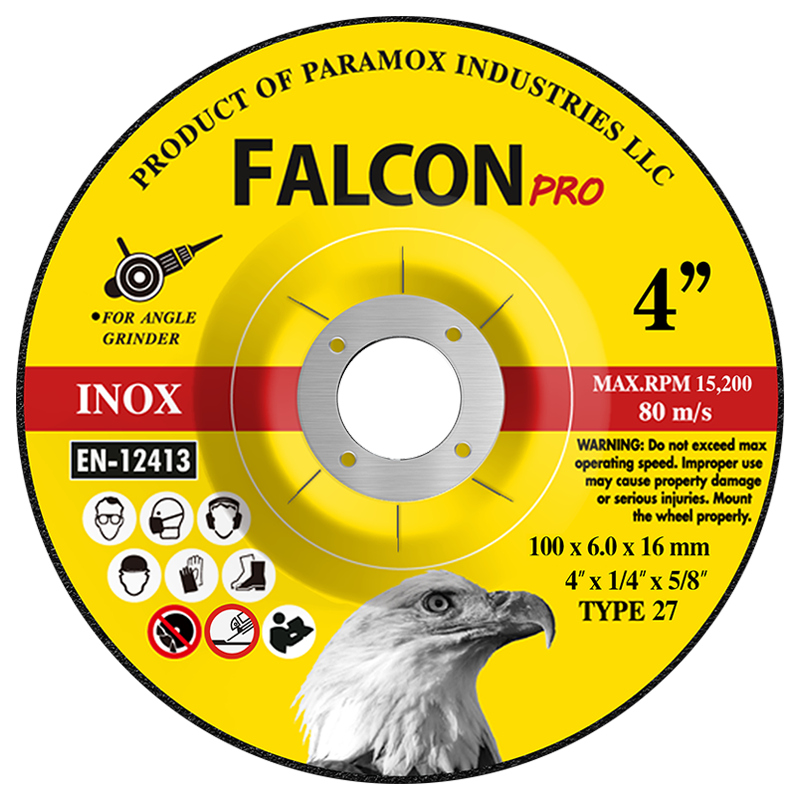
Durability, on the other hand, is crucial for ensuring the trousers withstand daily wear and tear. Evaluate the fabric composition; materials like cotton-poly blends or heavy-duty canvas typically offer greater resistance to abrasion and stress. Reinforced stitching and high-quality zippers also contribute to a longer lifespan. Additionally, consider trousers with water-resistant or stain-resistant finishes, which can extend the usability of the garment in harsh conditions. For superior durability, you may want to explore options like Grinding Disc for Inox/stainless steel that can withstand tough environments.

Frequently Asked Questions

What materials are work trousers made from?

Our work trousers use durable fabrics like heavy-duty cotton blends, ripstop, and reinforced panels designed for abrasion resistance and long service life in industrial settings.
Yes. They include reinforced knees, high-wear overlays, and optional padding to protect against abrasion and minor impacts during industrial tasks.
We offer multiple sizes and fits including regular, tall, and relaxed cuts, designed to accommodate varied body types and movement needs on the job.
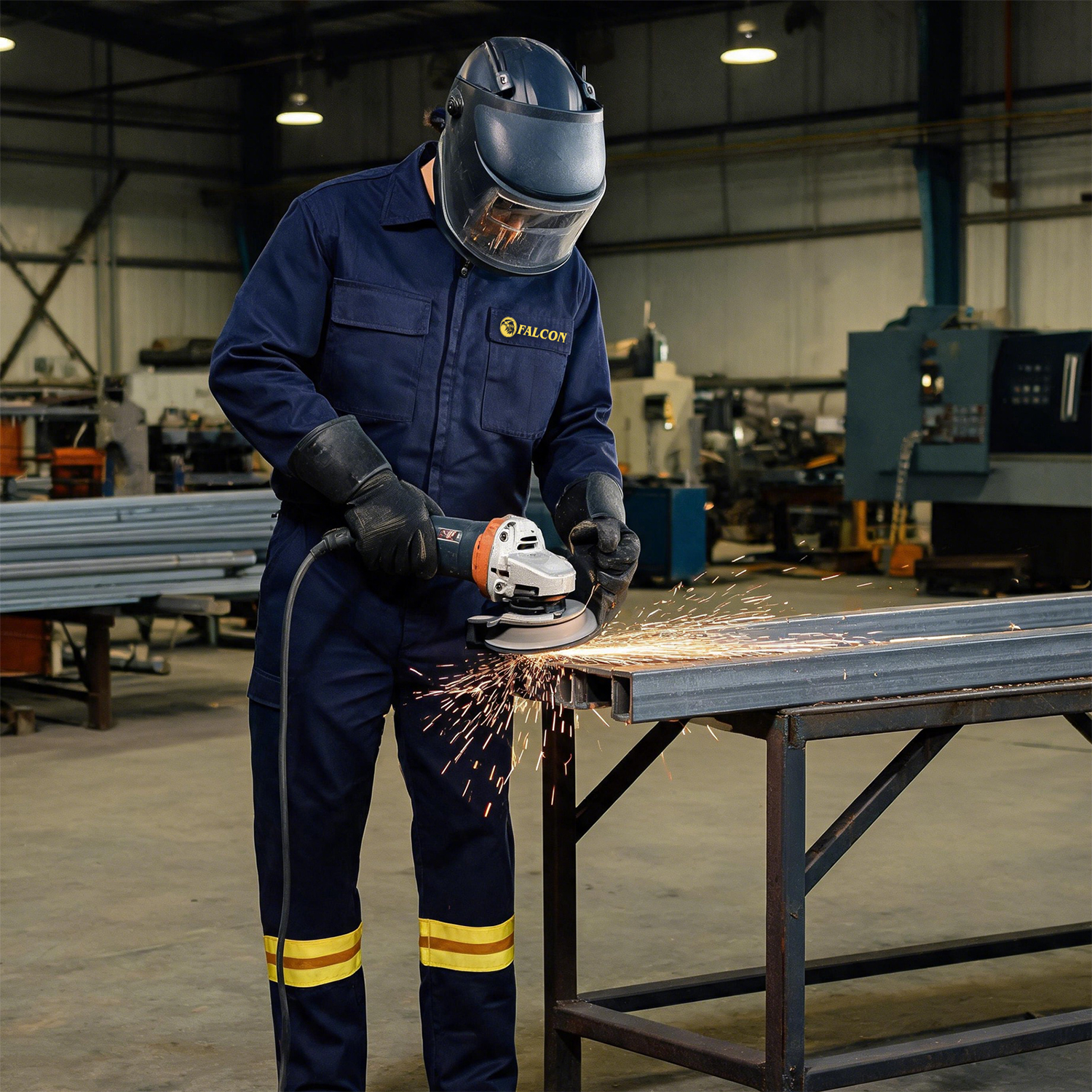
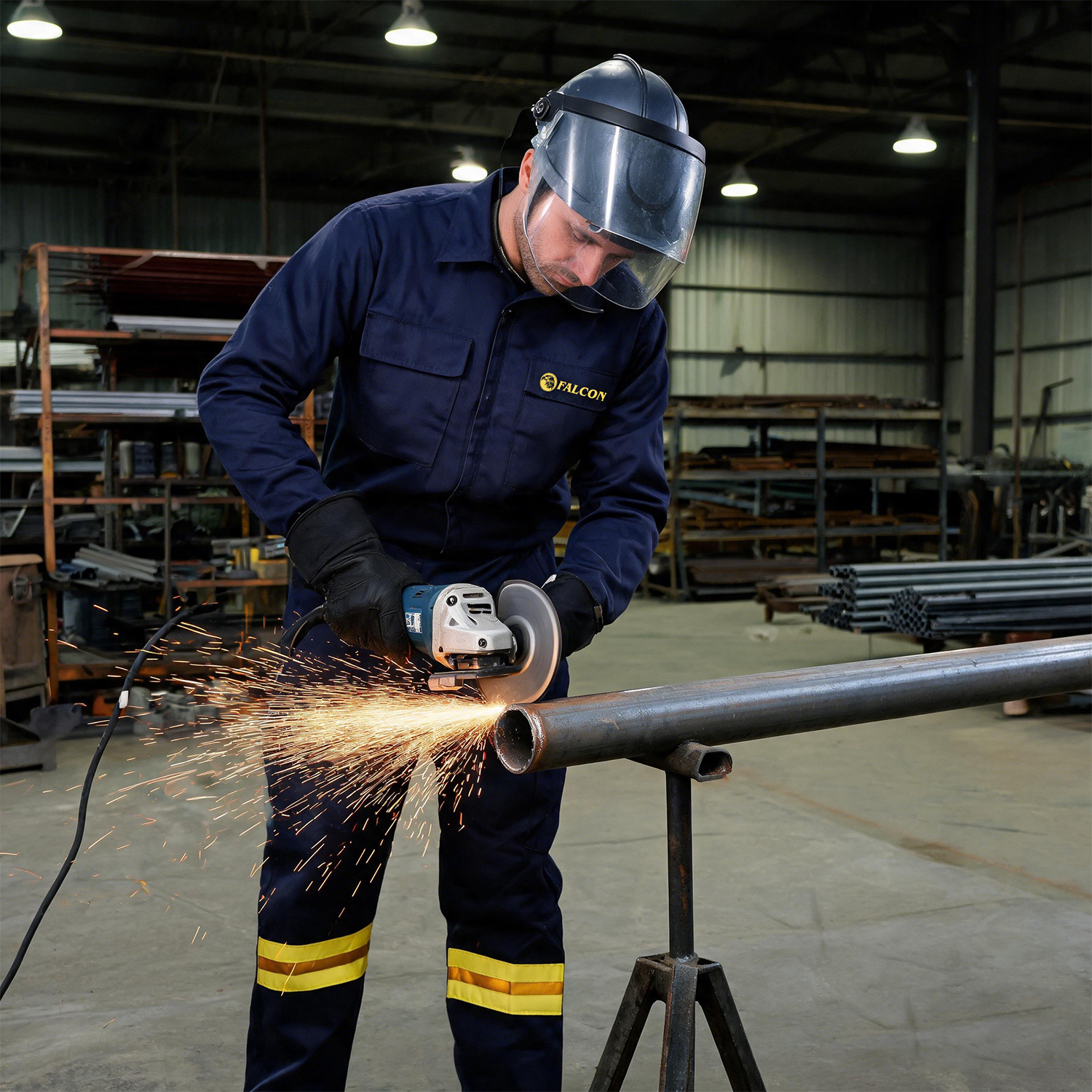
Trousers are manufactured with heat-resistant, low-snag materials and reinforced stitching to resist sparks and flying debris in grinding and metalworking environments.
Follow label instructions: machine wash cold, avoid bleach, tumble dry low or hang dry, and repair worn reinforcements promptly to maintain protective performance.

Our Blog Posts

Common Uses of Fiber Discs in Metalworking

01

Aug

Common Uses of Fiber Discs in Metalworking

Fiber discs are really important tools in metalworking. They are round shape discs made from strong stuff and covered with abrasive grains. These discs get used on grinders or sanders machines to smooth, shape, and polish metal surfaces. Peoples who ...
View More
How to Remove a Stuck Grinding Wheel

12

Jun

How to Remove a Stuck Grinding Wheel

Sometimes when you working with machines, the grinding wheel just refuse to move. It can be really annoying, specially if you in hurry to finish job. If this ever happen to you, no need worry too much! With little patience and correct way, you can re...
View More
What types of hard hats are there?

23

May

What types of hard hats are there?

Hard hats are very important safety thing in many work places, like construction areas, factories and warehouses. They protect workers head from injuries by falling objects, bumps or even electric shocks. There is different types of hard hats made fo...
View More
How to choose the right hard hat?

04

May

How to choose the right hard hat?

Choosing the right hard hat is really important, specially if you work in places full of dangers like construction site or factories. It protect your head from falling things, bumps and also electrical shock. When you looking for one, you should cons...
View More

Get a Free Quote

Our representative will contact you soon.
Email
Mobile/WhatsApp
Name
Company Name
Country
Customer Type
Estimated Order Quantity
MOQ and Free Sample Policy
Message
0/1000

Related product categories

Specifications to Consider When Sourcing Work Trousers

Specifications to Consider When Sourcing Work Trousers

When sourcing work trousers, several key specifications should be considered to ensure they meet your operational needs:

Material Composition: The fabric should be chosen based on the working environment. For instance, cotton is breathable but may not be ideal for wet environments, while polyester blends can enhance durability and moisture-wicking properties.

Weight and Thickness: Heavier fabrics generally offer more protection, while lighter ones may provide better comfort and flexibility. Depending on the application, balance between the two is necessary.

Reinforcement Areas: Look for trousers with reinforced areas, particularly at the knees and pockets, to enhance durability in high-wear zones. Cutting-off Discs for Metal can also play a role in ensuring the right tools are used for tough applications.

Pockets and Tool Loops: The design and number of pockets can significantly affect functionality. Ensure that the trousers have adequate storage for tools and personal items.

Sizes and Customization Options: Verify the available sizes and whether customization options are offered for a better fit. Custom sizes can cater to diverse body types, increasing comfort.

Wholesale Purchasing Tips for High-Quality Work Trousers

Wholesale Purchasing Tips for High-Quality Work Trousers

When purchasing work trousers in bulk, several tips can help ensure you acquire high-quality products:

Request Samples: Before placing a large order, request samples to evaluate the material, fit, and durability. Testing samples under working conditions can provide insights into their practicality.

Check Certifications: Verify that the trousers comply with relevant safety standards for your industry. Certifications can be an indicator of quality and reliability.

Negotiate MOQs: Many suppliers have minimum order quantities (MOQs). Understand these requirements and negotiate them to fit your purchasing volume.

Review Supplier Reputation: Research potential suppliers and their track record in delivering quality products. Look for reviews or testimonials from other customers in your industry.

Understand Lead Times: Ensure you have a clear understanding of the lead times for production and delivery to avoid disruptions in your supply chain.

Where to Find Reliable Suppliers of Work Trousers

Where to Find Reliable Suppliers of Work Trousers

Finding trustworthy suppliers is critical to ensuring a consistent supply of quality work trousers. Consider these avenues:

Industry Trade Shows: Attending trade shows related to manufacturing and safety can help you connect with suppliers and see their products firsthand.

Online Marketplaces: Platforms like Alibaba and ThomasNet allow you to search for suppliers, compare products, and read reviews. Filter results based on ratings and certifications.

Networking: Leverage your industry contacts to get recommendations for reliable suppliers. Word of mouth can often lead you to trusted manufacturers.

Local Manufacturers: Don’t overlook local suppliers who can offer quicker turnaround times and lower shipping costs. They may also provide more flexible terms and personalized service.

B2B Directories: Utilize B2B directories that specialize in safety equipment and industrial clothing to find potential suppliers who meet your specifications.

Understanding Cost Factors for Bulk Orders of Work Trousers

When assessing the total cost for bulk orders of work trousers, several factors come into play:

Base Price: This is the initial cost per unit. Be aware that high-quality materials and additional features will affect this price.

Shipping Costs: Consider shipping costs based on the supplier's location and your delivery requirements. Bulk orders may qualify for reduced shipping rates.

Customization Fees: If you require specific alterations or branding, factor in any additional costs associated with customization.

Payment Terms: Understand the payment terms offered by suppliers. Some may offer discounts for upfront payments, while others might allow for net terms.

Quality Control Costs: Implementing quality control measures during production can incur additional costs but may save money in the long run by reducing defects and returns.

By understanding these factors, you can make informed decisions when budgeting for your bulk purchases of work trousers, ensuring you receive products that meet your quality and functional requirements without exceeding your budget.

Get a Free Quote

Our representative will contact you soon.
Email
Mobile/WhatsApp
Name
Company Name
Country
Customer Type
Estimated Order Quantity
MOQ and Free Sample Policy
Message
0/1000