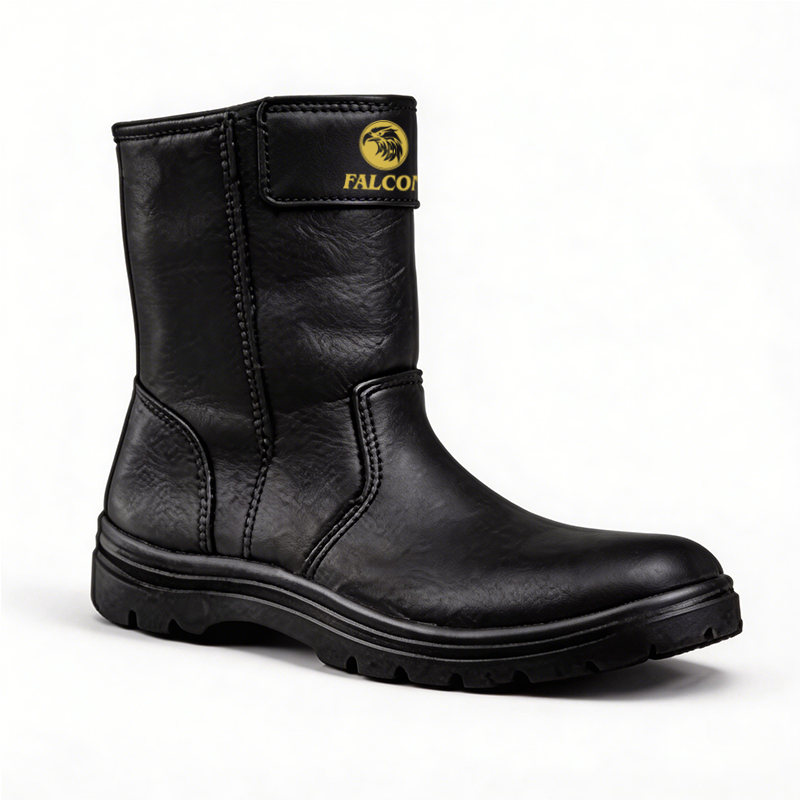
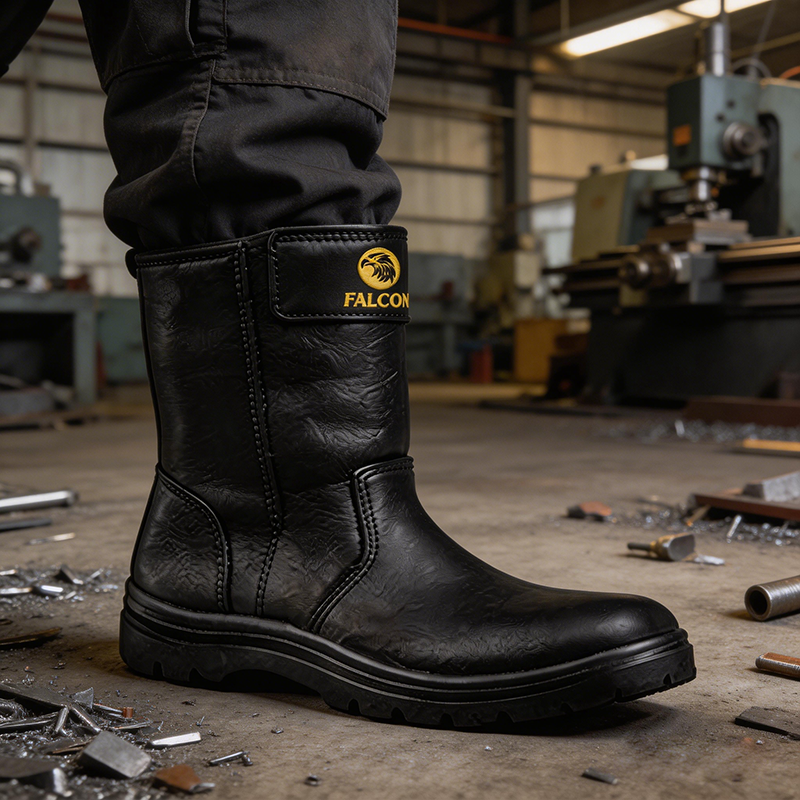
Reliable Suppliers of Waterproof Work Boots

Get a Free Quote

Our representative will contact you soon.
Email
Mobile/WhatsApp
Name
Company Name
Country
Customer Type
Estimated Order Quantity
MOQ and Free Sample Policy
Message
0/1000

Waterproof work boots

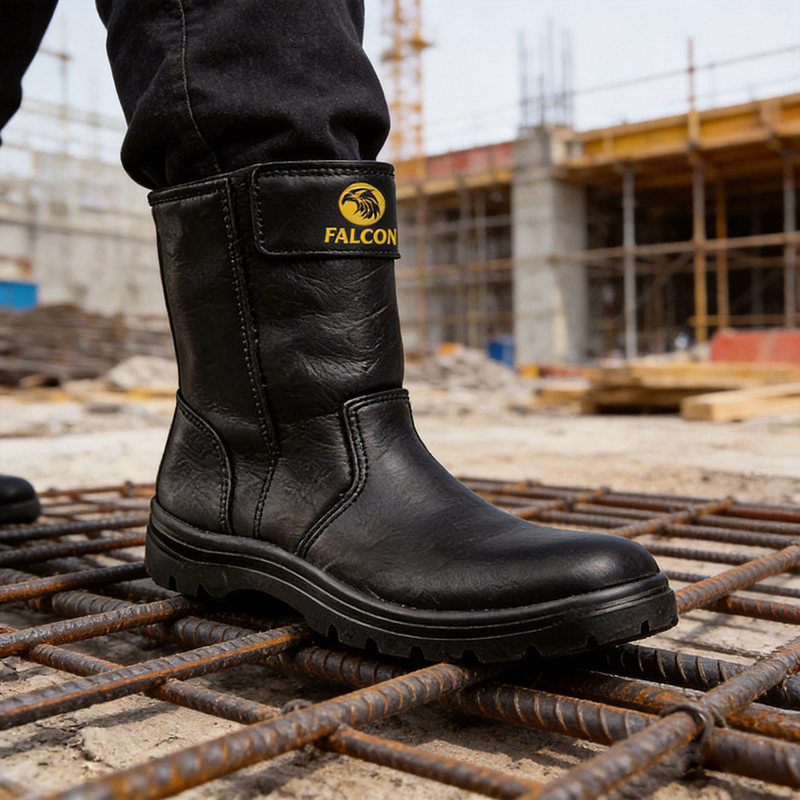
Waterproof work boots are essential for professionals in various industrial applications, providing critical protection against moisture, chemicals, and workplace hazards. B2B buyers, such as purchasing managers and engineers, often face challenges when sourcing these boots due to concerns about durability, comfort, and compliance with safety standards. This article will delve into finding reliable suppliers, evaluating options, and addressing common issues related to waterproof Workwear boots, ensuring that buyers can make informed purchasing decisions. 

Where to Find Reliable Suppliers of Waterproof Work Boots

Finding a dependable supplier of waterproof work boots is crucial for maintaining workplace safety and ensuring employee satisfaction. Start by researching manufacturers with a strong reputation in the safety gear industry. Look for companies that specialize in protective clothing and footwear, as they will likely have experience in producing durable and compliant products. 

It's beneficial to source suppliers that offer comprehensive product specifications and have a transparent quality control process. Attending industry trade shows or conferences can also be an effective way to meet potential suppliers face-to-face, allowing for discussions on their manufacturing capabilities and product offerings. Online directories and platforms that cater to industrial suppliers may also provide valuable insights, including customer reviews and ratings. 

Frequently Asked Questions

Are these work boots fully waterproof?

Yes. Our waterproof work boots use sealed seams and waterproof membranes to keep feet dry in wet industrial environments.
They include steel toe or composite toe options, slip-resistant soles, puncture-resistant midsoles, and reinforced heels for industrial safety.
High-grade leather, waterproof membranes, abrasion-resistant fabrics, and durable rubber or polyurethane outsoles are used for longevity and protection.
Yes. Soles and treated uppers resist oil and light chemical splashes; specific chemical resistance depends on exposure—consult product specs for corrosive agents.
Clean regularly with a damp cloth, reapply waterproof treatment as needed, air dry at room temperature, and inspect soles and seams for wear before use.

Our Blog Posts

When is a flap disc worn out?

12

Mar

When is a flap disc worn out?

A flap disc is an essential abrasive tool used for grinding, blending, and finishing a variety of surfaces. Commonly installed on angle grinders, flap discs are made with multiple layers of abrasive cloth that gradually wear away during use while mai...
View More
A Complete Guide to Choosing the Right Flap Disc for Metal Fabrication

04

Apr

A Complete Guide to Choosing the Right Flap Disc for Metal Fabrication

Quality tools are essential for efficient metalworking, and flap discs are among the most versatile abrasives for grinding, blending, deburring, and surface finishing. Available in different materials, grit sizes, and shapes, the right flap disc can ...
View More
How to Extend the Lifespan of Your Flap Discs

16

Apr

How to Extend the Lifespan of Your Flap Discs

Flap discs are essential abrasive tools widely used for grinding, blending, polishing, and surface preparation in metalworking applications. Whether used for weld finishing, rust removal, or general surface treatment, a high-quality flap disc can sig...
View More
How to Choose Between Cut Off Wheels and Grinding Wheels

14

May

How to Choose Between Cut Off Wheels and Grinding Wheels

Choosing between cut-off wheels and grinding wheels can be confusing in the begining, but once you understand their differences it will helps you pick the right one for your project. Cut-off wheels they are thin and made to slice materials like metal...
View More

Get a Free Quote

Our representative will contact you soon.
Email
Mobile/WhatsApp
Name
Company Name
Country
Customer Type
Estimated Order Quantity
MOQ and Free Sample Policy
Message
0/1000

Related product categories

Wholesale Options for Bulk Orders of Waterproof Work Boots

Wholesale Options for Bulk Orders of Waterproof Work Boots

For businesses looking to purchase waterproof work boots in bulk, exploring wholesale options can lead to significant cost savings. Many manufacturers and distributors offer tiered pricing based on order volume, making it essential to discuss your specific needs and expected quantities upfront. 

When negotiating bulk orders, consider factors such as minimum order quantities (MOQs), lead times, and customization options. Suppliers like FALCON GLOBAL / TOOLS SAFETY may offer customization capabilities, allowing you to tailor the boots to specific workplace requirements. Always request quotes from multiple suppliers to compare pricing and terms, ensuring you secure the best deal for your organization. 

How to Evaluate Waterproof Work Boots for Your Projects

How to Evaluate Waterproof Work Boots for Your Projects

When evaluating waterproof work boots, several specifications should be considered to ensure they meet the demands of your project. Key factors include material, thickness, and sealing methods. 

Material: Look for boots made from high-quality, waterproof materials such as leather or synthetic options designed to provide both flexibility and durability.  The choice of material impacts not only comfort but also the boot's resistance to chemicals or punctures. 

Thickness: The thickness of the material can affect both durability and insulation. Thicker materials may provide better protection but could compromise flexibility. Consider the specific conditions of your working environment to determine the optimal thickness. 

Sealing Methods: Examine how the boots are constructed, particularly the sealing methods. Boots with heat-sealed seams will generally offer superior waterproofing compared to those stitched together, as stitching can allow water to penetrate. 

Fit and Comfort: Evaluate the fit and comfort of the boots, as extended wear can lead to discomfort or injury. Consider features such as cushioning, arch support, and breathability. 

Before finalizing your purchase, request samples to test the boots in real working conditions, ensuring they perform as expected. 

Installation Tips for Waterproof Work Boots in Various Environments

Installation Tips for Waterproof Work Boots in Various Environments

While waterproof work boots are designed for specific conditions, proper installation and usage are vital to maximize their effectiveness. Here are tips for different environments:

Construction Sites: Ensure that workers are trained on how to properly wear and maintain their waterproof boots. Regularly inspect boots for signs of wear, as damaged seals or materials can compromise waterproofing. 

Chemical Handling: In environments with chemical exposure, it’s essential to confirm that the boots are not only waterproof but also resistant to specific chemicals. This may require additional features such as reinforced toe caps or specialized materials. 

Wet or Muddy Conditions: For muddy or wet environments, consider boots with slip-resistant soles. Proper traction is crucial to prevent slips and falls, which are common hazards in such settings. 

Cold Environments: In cold conditions, boots with insulation features are recommended. Ensure that the boots provide adequate warmth without sacrificing waterproof capabilities. 

Encourage regular maintenance and cleaning routines to extend the life of the boots and maintain their protective properties. 

Common Problems with Waterproof Work Boots and Their Solutions

Despite their robust design, waterproof work boots can face common issues that buyers should be aware of:

Water Leakage: One of the most significant concerns is water leakage, which can occur due to poor stitching or material failure. To mitigate this, encourage workers to inspect their boots regularly and report any signs of wear. Establish a maintenance routine that includes checking the integrity of seams and materials. 

Poor Fit: A common mistake is purchasing boots that do not fit properly. Ensure that employees are fitted correctly, taking into account the thickness of socks worn in colder environments. A boot that is too tight can cause discomfort, while one that is too loose may not provide adequate protection. 

Durability Issues: Waterproof work boots and Work Glovesare an investment, and durability is a key concern. When sourcing, prioritize suppliers with a proven record of quality control and ask about warranties or guarantees on their products. This adds a layer of assurance regarding the longevity of the boots. 

Odor and Hygiene: Prolonged use of waterproof boots can lead to odor buildup. To combat this, recommend using moisture-wicking socks and suggest that workers air out their boots regularly. Some manufacturers may provide antimicrobial treatments to help control odor. 

By understanding these common problems and their solutions, B2B buyers can make better purchasing decisions and ensure that their workforce is adequately protected. 

In summary, waterproof Work Shoes are a critical component of workplace safety across various industries. By focusing on supplier reliability, evaluating specific needs, and addressing common issues, companies can ensure they select the right footwear for their employees' safety and comfort. 

Get a Free Quote

Our representative will contact you soon.
Email
Mobile/WhatsApp
Name
Company Name
Country
Customer Type
Estimated Order Quantity
MOQ and Free Sample Policy
Message
0/1000