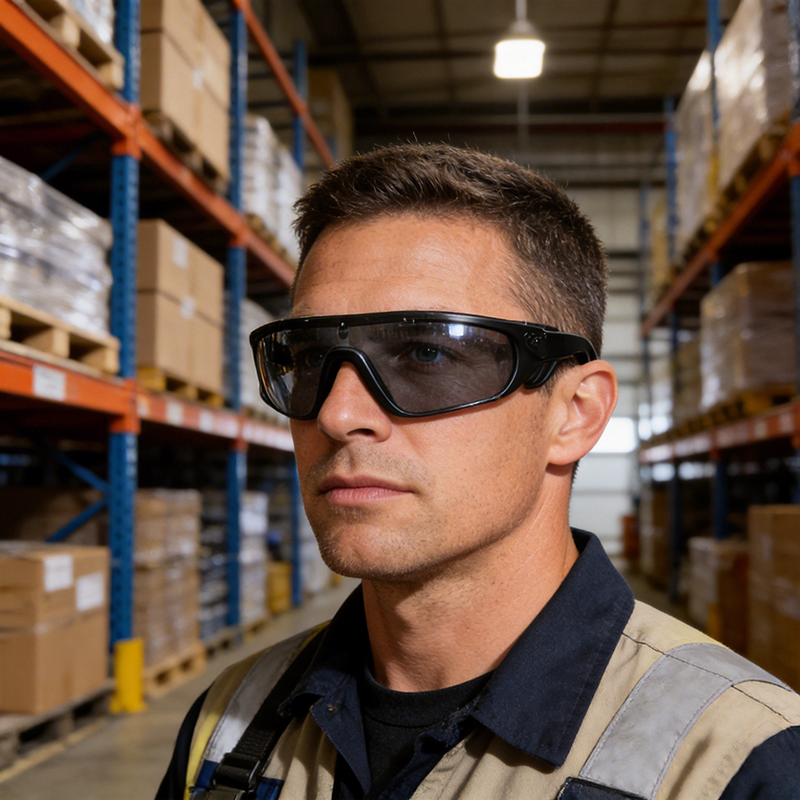
Reliable Laser Eye Glasses for Industrial Safety

Get a Free Quote

Our representative will contact you soon.
Email
Mobile/WhatsApp
Name
Company Name
Country
Customer Type
Estimated Order Quantity
MOQ and Free Sample Policy
Message
0/1000

Laser eye glasses

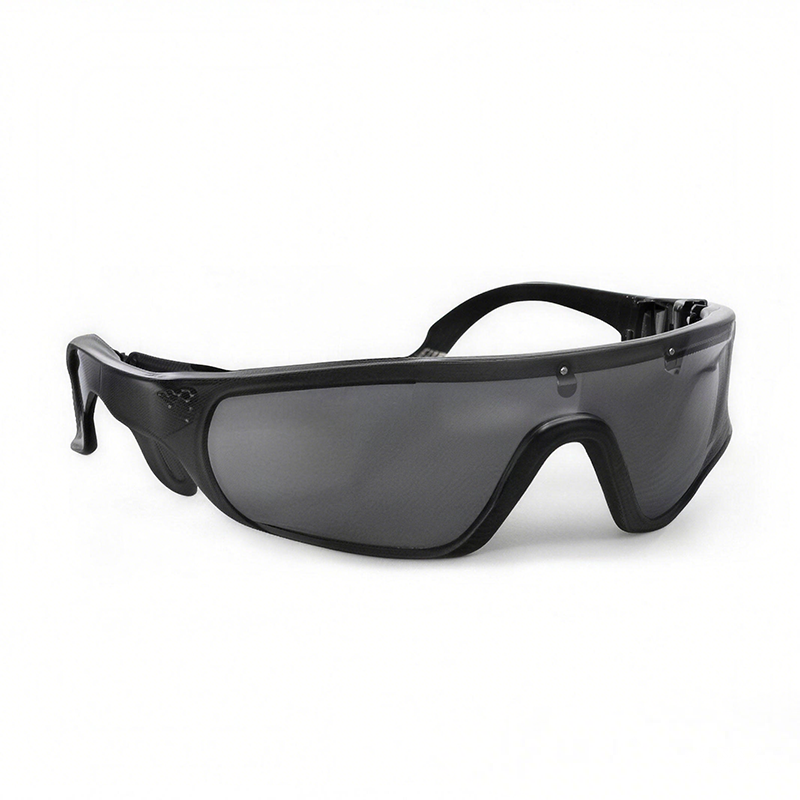
Laser eye glasses are essential protective eyewear designed to safeguard the eyes from harmful laser light during industrial operations, such as welding, cutting, or engraving. For B2B buyers, the primary concerns revolve around ensuring maximum protection, comfort, and suitability for their specific applications. This article will help purchasing managers, engineers, and safety officers understand the critical aspects of selecting, comparing, and maintaining goggle eye glasses, alongside addressing common issues and applications across various industries.

Our Products

Reliable Suppliers of Laser Eye Glasses

When sourcing laser eye glasses, it's vital to partner with reliable suppliers who understand the unique requirements of industrial applications. Suppliers like FALCON GLOBAL / TOOLS SAFETY specialize in safety gear and can provide insights into the latest technologies and standards. Look for manufacturers that offer a range of options tailored to specific laser wavelengths, as different lasers require different protective properties. Additionally, consider suppliers that have robust quality control processes in place, ensuring the glasses meet relevant safety certifications. 

A reliable supplier should also provide comprehensive information on their products, including material specifications, durability, and comfort features. It's beneficial to request samples for testing to ensure they meet your organization's specific safety standards and user comfort requirements.

Frequently Asked Questions

What are laser eye glasses used for?

Laser eye glasses protect operators from harmful laser exposure during cutting, welding, or inspection, reducing eye injury risk in industrial environments.
They are designed for specific wavelength ranges; check product specs for exact nm coverage to ensure compatibility with your laser equipment.
Yes—manufactured to meet relevant industrial eye protection standards and quality controls; verify certification details on the product label.
Many models accommodate prescription inserts or fit over lightweight frames; consult product options for compatible prescription solutions.
Clean lenses with a soft cloth and mild cleaner, store in a protective case, avoid scratching, and replace if coatings are damaged or vision clarity degrades.

Our Blog Posts

When is a flap disc worn out?

12

Mar

When is a flap disc worn out?

A flap disc is an essential abrasive tool used for grinding, blending, and finishing a variety of surfaces. Commonly installed on angle grinders, flap discs are made with multiple layers of abrasive cloth that gradually wear away during use while mai...
View More
How to choose high-quality resin-bonded cut-off wheels

10

Sep

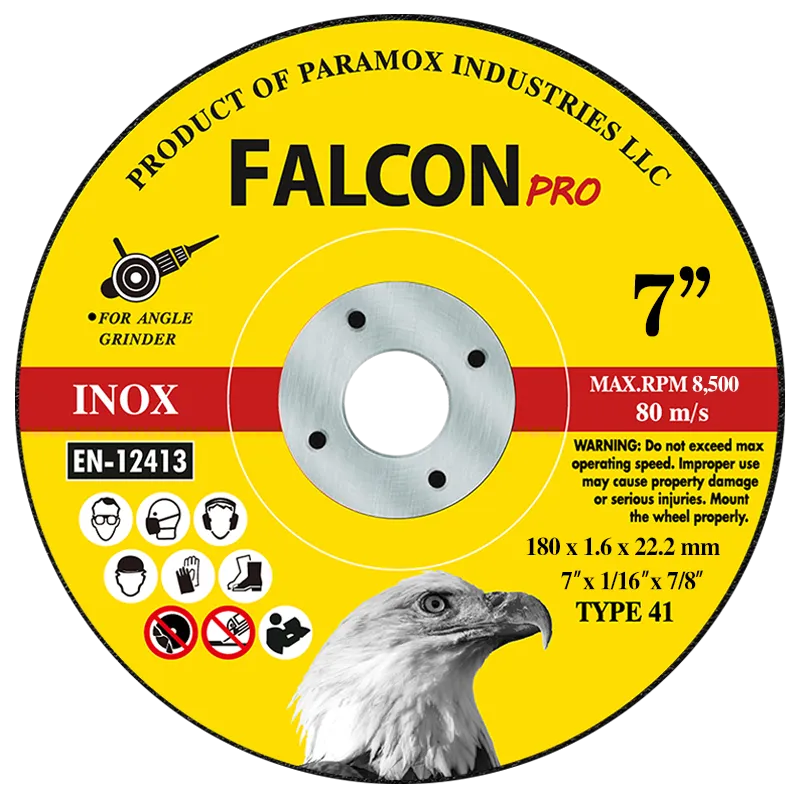
How to choose high-quality resin-bonded cut-off wheels

Choosing the right cut-off wheels can greatly impact the efficiency of your projects. Resin-bonded cut-off wheels remain widely popular for a host of practical benefits. They deliver clean cuts across multiple materials including metal, concrete and ...
View More
What Are Grinding Wheels Made Of?

13

Aug

What Are Grinding Wheels Made Of?

Grinding wheels are special tools using in many industry. They help grind, cut and polish various material. But what they made of?  Usually grinding wheels comes from mix of things. The main part is abrasive, which can be diamond, aluminum oxide...
View More
How to choose the right hard hat?

04

May

How to choose the right hard hat?

Choosing the right hard hat is really important, specially if you work in places full of dangers like construction site or factories. It protect your head from falling things, bumps and also electrical shock. When you looking for one, you should cons...
View More

Get a Free Quote

Our representative will contact you soon.
Email
Mobile/WhatsApp
Name
Company Name
Country
Customer Type
Estimated Order Quantity
MOQ and Free Sample Policy
Message
0/1000

Related product categories

How to Compare Laser Eye Glasses for Maximum Protection

How to Compare Laser Eye Glasses for Maximum Protection

To effectively compare Falcon Global laser eye glasses, focus on several key specifications: 

Optical Density (OD): This measures how much light is blocked by the lens. Higher OD values offer better protection against intense laser beams. Always verify that the OD rating corresponds to the specific laser wavelengths used in your operations. 

Material: Common materials include polycarbonate, glass, and specialized plastics. Polycarbonate is lightweight and impact-resistant, while glass can offer superior optical clarity. Understand the trade-offs between weight, comfort, and protection level. 

Fit and Comfort: Glasses must fit securely without causing discomfort during prolonged use. Look for adjustable features or customizable options to accommodate different facial shapes and sizes. 

Certifications: Ensure the glasses comply with industry standards such as ANSI Z87.1 or equivalent, which indicate they meet specific safety performance criteria. 

Anti-Fog and Scratch Resistance: Consider coatings that prevent fogging and scratching, enhancing usability in industrial environments where visibility is critical. 

By evaluating these factors, you can make an informed decision that maximizes safety and comfort for your team.

Cost Factors to Consider When Purchasing Laser Eye Glasses

Cost Factors to Consider When Purchasing Laser Eye Glasses

The cost of laser eye glasses can vary significantly based on several factors: 

Material and Manufacturing Process: Higher-quality materials and advanced manufacturing techniques may increase the upfront cost of the side protection for glasses. However, these can lead to longer durability and reduced replacement frequency. 

Customization Options: Custom features, such as personalized fits or specific tinting for different laser types, can add to the cost but may be necessary for optimal protection and comfort. 

Volume Discounts: Purchasing in bulk often leads to cost savings. Evaluate your organization's needs and consider ordering larger quantities to take advantage of tiered pricing. 

Shipping and Handling: Factor in shipping costs, especially if sourcing from international suppliers. Ensure you understand the lead times involved, as this can affect project schedules. 

Long-Term Value: While a lower purchase price might be attractive, consider the total cost of ownership, including durability, comfort, and the potential for reduced injuries or accidents due to improper eye protection. 

By assessing these cost factors, you can align your budget with the necessary protection level for your workforce.

Common Problems with Laser Eye Glasses and Effective Solutions

Common Problems with Laser Eye Glasses and Effective Solutions

Buyers may encounter several issues with laser eye glasses, including discomfort, inadequate protection, and durability concerns. Here are some common problems and their solutions: 

Inadequate Fit: If glasses do not fit well, they may be uncomfortable or slip during use. Ensure that you select adjustable frames or consult with manufacturers for custom sizing options. 

Fogging: Fogging can severely impair visibility, especially in humid environments. Look for anti-fog coatings or consider glasses with ventilation features that allow airflow without compromising protection. 

Scratching: Lenses can scratch easily, which affects optical clarity. Choose glasses with scratch-resistant coatings and educate users on proper handling and storage practices to minimize damage. 

Limited Visibility: Some glasses may distort colors or reduce clarity. Ensure the optical quality meets your requirements, and consider models that offer a wide field of view without obstruction. 

Regulatory Compliance: Buyers should verify that all glasses meet relevant safety standards. Regularly review compliance documentation to ensure ongoing adherence to safety regulations. 

By addressing these common issues proactively, organizations can enhance the effectiveness of their laser safety protocols.

Applications of Laser Eye Glasses in Various Industries

Laser eye glasses are essential across several industries, including: 

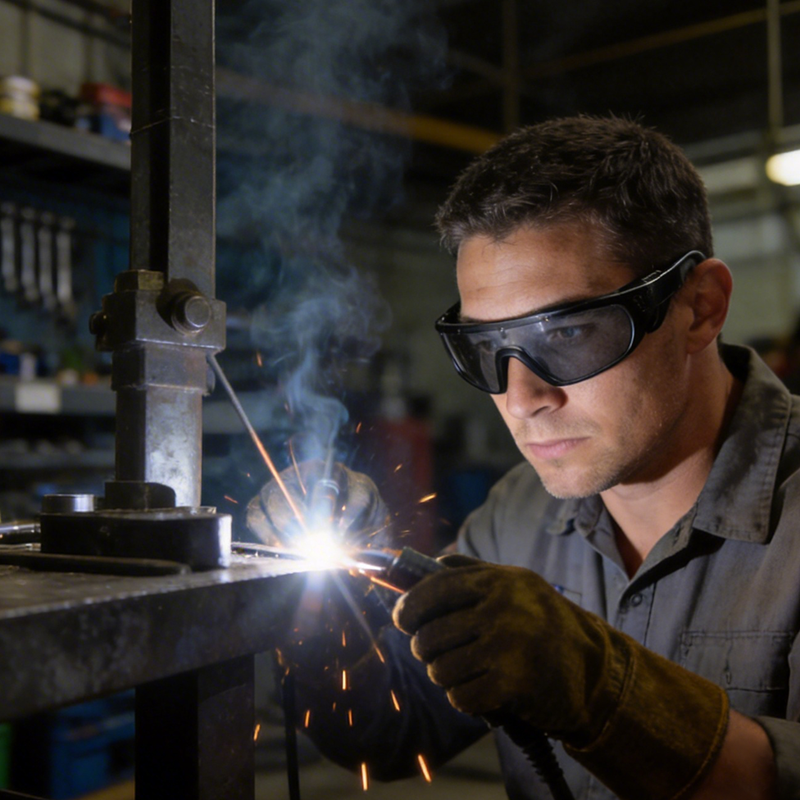
Manufacturing: In industries such as metal fabrication, Falcon Global laser cutting, and engraving, workers are often exposed to high-intensity laser beams. Appropriate protective eyewear is crucial to prevent eye damage. 

Healthcare: Medical professionals using lasers for procedures such as eye surgeries or dermatological treatments require specialized eyewear tailored to specific wavelengths for maximum safety. 

Research and Development: Laboratories that utilize lasers for experiments or testing must ensure that their staff has access to the appropriate protective gear to prevent accidental exposure. 

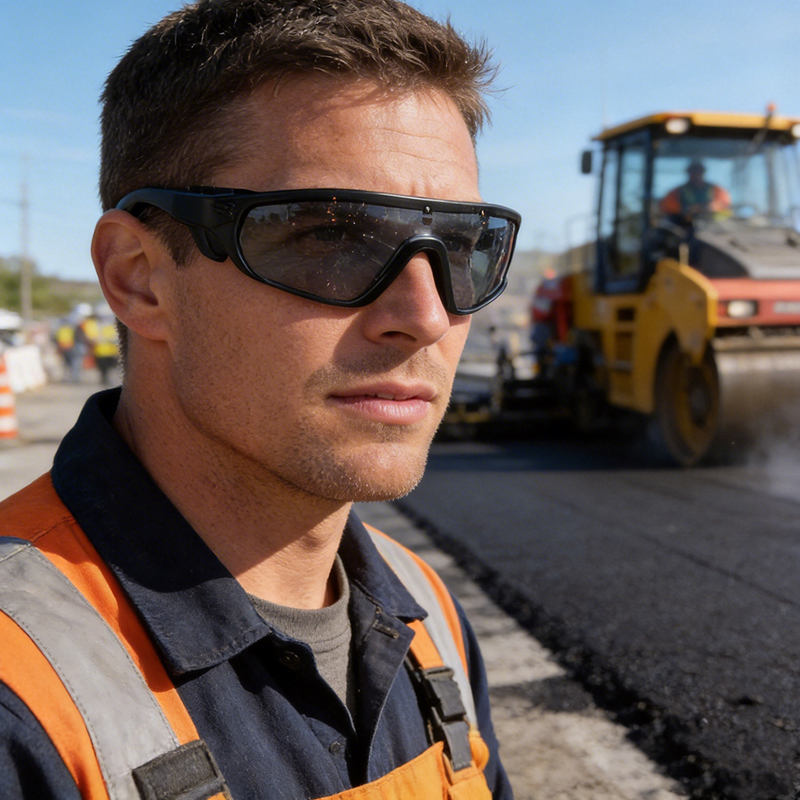
Construction: In construction projects involving laser-guided tools, protective eyewear is vital to safeguard workers from potential hazards. 

Entertainment: Laser shows and special effects in the entertainment industry also require protective eyewear for performers and crew members to mitigate risks associated with direct laser exposure. 

Understanding the applications of protective glasses across these industries helps organizations make informed purchasing decisions, ensuring that their employees are adequately protected in their respective environments.

Get a Free Quote

Our representative will contact you soon.
Email
Mobile/WhatsApp
Name
Company Name
Country
Customer Type
Estimated Order Quantity
MOQ and Free Sample Policy
Message
0/1000